
New York City has a new line of defense for homeowners targeted by one of the city’s most insidious housing scams. On April 24, 2026, Mayor Zohran Kwame Mamdani signed an executive order establishing the Mayor’s Office of Deed Theft Prevention, the first municipal office of its kind in New York City. The announcement, made at The Brooklyn Bank in Bed-Stuy, also marked the appointment of attorney Peter White as the office’s inaugural director.
The move delivers on a campaign promise from Mamdani, who once worked as a foreclosure prevention housing counselor, and arrives at a moment when complaints of deed theft are climbing across the five boroughs.
What Is Deed Theft and Why It Matters in New York
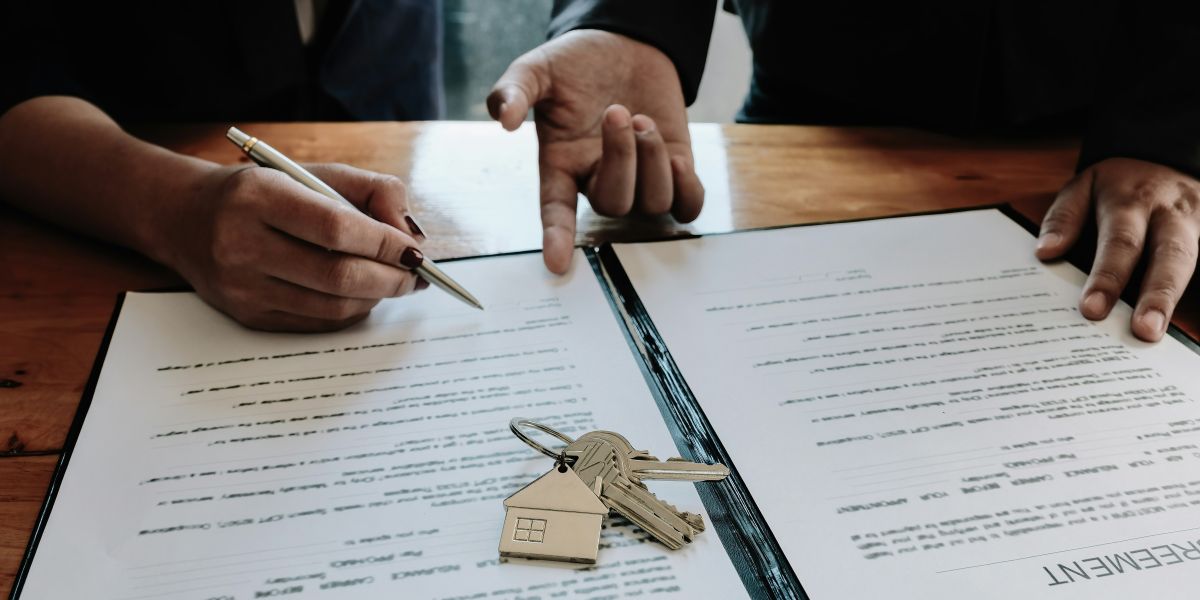
Deed theft is a fraud scheme in which scammers transfer ownership of a home away from its rightful owner, often by forging signatures, exploiting cognitive decline in elderly homeowners, or tricking residents into signing documents they do not understand. The end result is the same: a family that has spent decades building equity in their home is suddenly facing eviction from a property they still believe they own.
According to data shared at the Brooklyn press conference, complaints to the New York Attorney General’s office have climbed sharply in recent years, with more than 500 cases reported to the state in 2025 alone. The crisis hits hardest in historically Black neighborhoods like Bed-Stuy, Crown Heights, East New York, and parts of Southeast Queens, where rising property values have made longtime owners targets for predatory speculators.
In his remarks, Mamdani framed the issue in stark terms. “The theft of a home is the theft of a family’s future,” the mayor said, according to the official transcript released by City Hall. “Deed theft preys on the New Yorkers who can least afford it.”
Who Is Peter White
Peter White brings a decade of frontline legal experience to the new role. Most recently, he served as a supervising attorney in the Homeowner Assistance Program at Access Justice Brooklyn, a nonprofit providing pro bono legal services to low-income New Yorkers. His casework spans deed theft litigation, foreclosure defense, bankruptcy, and landlord-tenant disputes.
White holds a law degree from St. John’s University and a bachelor’s degree from Fordham University. In addition to courtroom representation, he has led community outreach campaigns and free legal clinics across Brooklyn, work that gave him a ground-level view of how scams unfold and which residents are most exposed.
“I have worked to protect New York City homeowners throughout my career, and will carry that passion into my new role serving New Yorkers,” White said at the announcement. He also emphasized that seniors in Brooklyn and Queens are particularly hard-hit by predatory practices targeting vulnerable populations.
How the Office Will Operate

Photo Credit: Unsplash.com
The new office will be housed within the Department of Finance, the agency that records property documents for the city. That structural choice gives the office direct visibility into suspicious filings as they enter the system, rather than relying solely on after-the-fact complaints.
According to City Hall, the office will pursue a coordinated, citywide strategy that includes:
Flagging Suspicious Property Filings
The office will work alongside the Department of Finance to identify red flags in deed transfers before fraudulent documents are recorded.
Supporting Affected Homeowners
Residents who suspect something is wrong with their property records will have a single city office to turn to, even if they are unsure exactly what is happening. White said his team will conduct a “deep dive” on individual cases to determine the next steps.
Coordinating With Law Enforcement and Sister Agencies
The office will collaborate with the Department of Housing Preservation and Development, the Commission on Human Rights, the Homeowner Help Desk, and outside law enforcement partners. The goal is a whole-of-government approach rather than the patchwork response that has historically left homeowners navigating multiple agencies on their own.
Public Education and Outreach
Door-to-door canvassing, community legal clinics, and educational programs will target neighborhoods where deed theft is most common. The office will also fund a program to help homeowners and their heirs establish a clear chain of ownership, a preventive measure that can stop fraud before it starts.
Budget and Staffing
The mayor’s preliminary budget allocates $500,000 to the office in the current fiscal year, growing to $1 million annually in subsequent years. Mamdani had pledged $10 million on the campaign trail, and at the press conference said funding “will grow as Peter grows this office.” The executive order also creates a position for a deed theft prevention advocate, though additional staffing details have not yet been publicly disclosed.
Political and Community Backdrop
The announcement landed days after Brooklyn Councilmember Chi Ossé was arrested outside a Bed-Stuy brownstone at 212 Jefferson Avenue while protesting the eviction of a resident who said she was the rightful owner. That arrest renewed public attention on deed theft tactics, even though Attorney General Letitia James and the LLC that purchased the property dispute that the Jefferson Avenue case constitutes theft.
James, who pushed statewide legislation criminalizing deed theft in 2023, praised the new office as “a critical step forward.” Ossé, whose district covers Bed-Stuy and Crown Heights, attended the announcement and credited the administration for moving past rhetoric to concrete policy.
Community advocates from groups including New York Communities for Change and the East New York Community Land Trust also voiced support, while emphasizing that enforcement and follow-through will determine whether the office makes a measurable dent in the problem.
What Comes Next for NYC Homeowners
For homeowners who fear they may be victims of deed theft or who simply want to verify their property records are intact, the new office is expected to begin accepting inquiries through the Department of Finance in the coming weeks. The administration has also signaled that legislative reviews at both the city and state levels will be part of the office’s early agenda, building on the 2023 state reforms that first criminalized the practice.
For now, the establishment of the office represents the most concentrated municipal response to deed theft in New York City’s history, and a clear signal that protecting generational wealth in vulnerable communities will be a defining housing priority of the Mamdani administration’s first term.