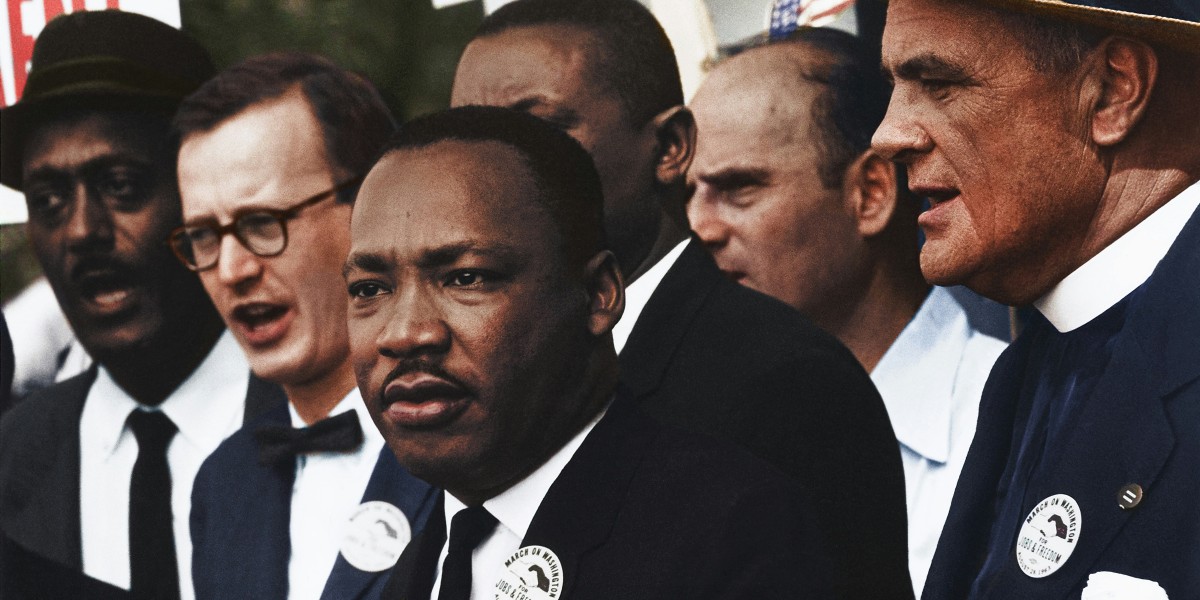

Every January, Americans see schools closed, banks shuttered, and government offices go dark on the third Monday of the month. For many, the day signals a long weekend. For others, it raises a basic but persistent question: Is Dr. Martin Luther King Jr. Day officially a federal holiday?
The answer is yes — but the road to that designation reveals a deeper story about memory, resistance, and national identity.
A Federal Holiday, By Law
Dr. Martin Luther King Jr. Day is one of 11 official federal holidays recognized by the United States government. It was signed into law in 1983 by President Ronald Reagan and first observed nationally in 1986. The holiday is fixed to the third Monday of January, aligning with King’s birthday on January 15.
As a federal holiday, all non-essential federal offices close, and employees receive paid leave. While private businesses are not legally required to close, many do — particularly banks, financial institutions, and school districts.
President Reagan, acknowledging both King’s legacy and the nation’s unfinished work, said at the signing ceremony:
“The Martin Luther King Jr. holiday will be an opportunity for Americans to pause and reflect upon the principles of equality and justice which are at the core of our Nation.”
Why It Took So Long
Unlike other federal holidays, Martin Luther King Jr. Day was not immediately embraced nationwide. The push to recognize King formally began shortly after his assassination in 1968, led by civil rights leaders, labor unions, and lawmakers — most notably Representative John Conyers of Michigan.
Opposition persisted for years, often framed around cost concerns or political resistance to King’s critiques of economic inequality and war. Some states refused to recognize the holiday well into the 1990s. Arizona did not fully observe it until 1992, and South Carolina followed in 2000, making it the last state to do so.
Coretta Scott King, a central advocate for the holiday, emphasized its national significance:
“The Martin Luther King Jr. holiday is not a black holiday; it is a people’s holiday.”
More Than a Day Off
In 1994, Congress expanded the meaning of the holiday by designating it a National Day of Service, urging Americans to volunteer and engage in civic action. The framing aligns closely with King’s own words and philosophy.
In one of his most cited speeches, King reminded the nation:
“Life’s most persistent and urgent question is: ‘What are you doing for others?’”
That call remains central to how the holiday is officially promoted today — not simply as remembrance, but as participation.
Why the Federal Status Still Matters
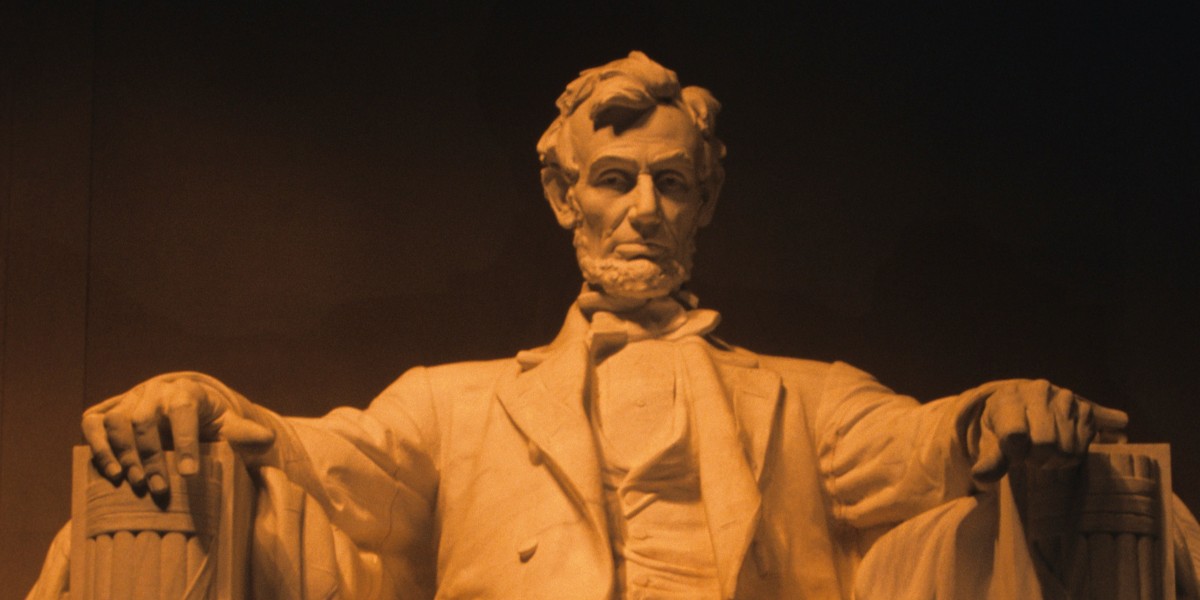
Photo Credit: Unsplash.com
In an era when work schedules are increasingly flexible and remote, the federal designation carries symbolic weight. It places Dr. King alongside figures like George Washington and Abraham Lincoln — not as a regional or cultural icon, but as a foundational American figure.
The holiday also serves as a recurring national checkpoint, forcing institutions and individuals alike to confront the gap between King’s vision and present realities.
As King warned shortly before his death:
“We are now faced with the fact that tomorrow is today. We are confronted with the fierce urgency of now.”
The Answer, Clearly Stated
Yes — Dr. Martin Luther King Jr. Day is a federal holiday. But more importantly, it is a legislated acknowledgment that the struggle for civil rights, equality, and justice is not peripheral to American history — it is central to it.
And once a year, by law, the country is asked to stop and remember that.