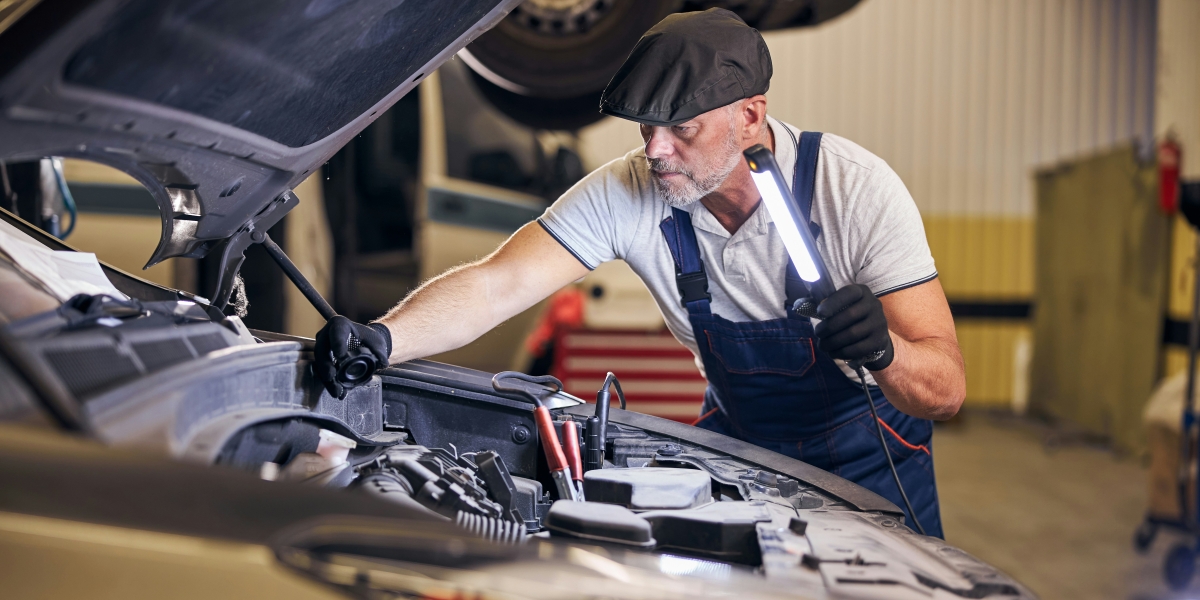


Opening an auto repair shop is an exciting step for entrepreneurs who love working with cars and keeping them running smoothly every day. From hiring skilled technicians to investing in equipment, launching a shop requires planning and protection. One of the important aspects of running your new business is making sure you have the right insurance coverage in place. Without it, you could face financial risks that may threaten your shop’s future.
Choosing the right insurance for auto repair shop businesses can feel overwhelming, especially if you’re new to the industry. There are multiple types of coverage available, and each protects against different risks, from customer claims to property damage. To make things easier, here’s a checklist of the essential insurance policies to consider as a new auto repair shop owner.
General Liability Insurance
Every business should carry general liability insurance, and auto repair shops are no exception. This coverage protects your shop if a customer or visitor is injured on your property. For example, if a customer slips on an oil spill in your waiting area and requires medical care, general liability insurance helps cover the costs. It also provides protection if a customer claims your services caused damage to their vehicle.
Garage Liability Insurance
This coverage is designed specifically for auto repair shops, garages, and service centers. Garage liability insurance goes beyond standard liability coverage by addressing the unique risks of working on customers’ vehicles. It can help cover third-party injuries and property damage that may occur as part of your shop’s daily operations.
Garagekeepers Insurance
What happens if a customer’s car is stolen, damaged in a fire, or vandalized while it’s in your care? Garagekeepers insurance steps in to protect vehicles stored on your premises. Since customers trust you with their property, this coverage is often recommended for avoiding costly disputes.
Commercial Property Insurance
Your tools, diagnostic machines, lifts, and building space are critical to your shop’s success. Commercial property insurance helps protect those assets from risks like fire, theft, or severe weather. Even if you rent your garage space, you’ll want this coverage for your equipment and inventory.
Workers’ Compensation Insurance
If you have employees, many states require workers’ compensation insurance. It provides coverage for medical expenses and lost wages if an employee is injured on the job. In a shop environment where heavy equipment and hazardous materials are present, this coverage is essential for both compliance and employee safety.
Business Interruption Insurance
Unexpected events, such as a fire or natural disaster, could force your shop to close temporarily. Business interruption insurance helps replace lost income and covers certain operating expenses while you recover. This protection ensures you can keep paying bills and staff even when you’re not actively repairing cars.
Commercial Auto Insurance
If your shop owns service vehicles, such as tow trucks or parts delivery vans, you’ll need commercial auto insurance. Personal auto insurance policies typically won’t cover business-related use, making this coverage vital for protecting your fleet.
Cyber Liability Insurance
Many auto repair shops now store customer data and process payments electronically. Cyber liability insurance protects your business in the event of a data breach, helping cover notification costs, legal fees, and other expenses tied to cyber risks. As technology evolves, this coverage is becoming increasingly important for small businesses.
As a new auto repair shop owner, securing the right mix of insurance policies is one of the important steps you can take to protect your investment. From covering customer vehicles to safeguarding your employees and property, each type of coverage plays a role in keeping your shop financially secure.
Use this checklist as a helpful guide when speaking with your insurance provider. By tailoring your policies to your shop’s unique needs, you’ll build a strong safety net that allows you to focus on what matters most, delivering quality service and growing your business.
Disclaimer: The information provided in this article is for general informational purposes only. While every effort has been made to ensure the accuracy and reliability of the content, it should not be construed as professional advice. The reader is encouraged to consult with a licensed insurance provider to determine the suited coverage for their specific needs. The author and publisher do not assume any responsibility or liability for actions taken based on the information provided in this article.