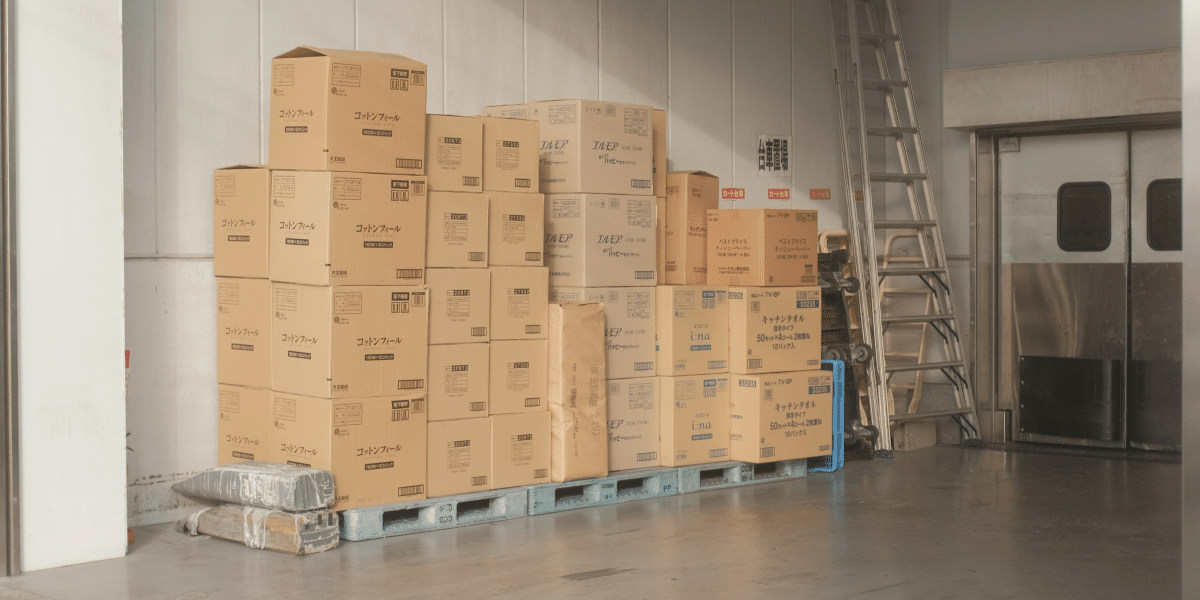


Businesses transporting products understand the necessity of protecting their shipments. Poorly packaged items are prone to damage during transit or, worse, getting lost. Financial losses and customer dissatisfaction are often the direct consequences of these issues. Hence, every company involved in this process should always practice safe shipping.
But how do you correctly ship your business products out? The steps below should help ensure your products reach your customers intact and on time. So, keep reading.
Choosing the Right Packaging Materials
The packaging materials you need depend mainly on what you’re transporting. Are you shipping small, fragile goods or industrial equipment?
Most businesses use cardboard boxes, corrugated containers, and bubble wrap. However, if you deliver larger products or multiple packages, you’ll need something sturdier, like safe wooden packing crates. Not all of them are equal, though, so get yours from reliable suppliers. Seek companies that offer custom timber crates for your products’ optimal safety, too.
Consider durable yet eco-friendly packaging options if sustainability is important to your business. Some materials like air pillows and packing peanuts might be non-recyclable or non-biodegradable. Only 15% of plastic waste is collected for recycling worldwide. So, try reducing single-use plastics in your packaging using wood or paper bubble wrap instead. (1)
Proper Packaging Techniques
Even if you use the right materials, packing your goods right is important for safe shipping. You don’t want them to shift around during transit and get damaged.
Here’s how to pack your products safely:
- Use cushioning materials: Whether using bubble wrap or foam inserts, wrap delicate items individually to absorb any shocks during transit.
- Fill empty spaces: Fill any gaps with packing peanuts, air pillows, or crumpled paper to avoid floating items and extra space for freight.
- Secure with tape: After filling the box, use heavy-duty packing tape to seal all openings. Consider using strapping tape or shrink wrap for heavier items to keep everything firmly in place.
- Use appropriate closures: For larger shipments, consider using plastic straps or stretch film to add an extra layer of security.
Following these steps ensures the safe transport of your products and significantly lowers the chances of damage.
Labeling and Documentation
How many times have your shipments been returned due to being mislabeled? If this is a common occurrence, it’s a sign that you should start labeling them correctly.
Your label identifies your shipment and guides it to its destination. Without it, your products might end up delayed or lost. Labels should include the product name and quantity, shipping and return addresses, and any special handling instructions. Consider incorporating address verification to enhance shipments and customer satisfaction too.
Make sure your paperwork is complete and accurate. This includes labels, customs forms (for international shipping), and invoices. Mistakes can cause delays or rejected deliveries, so double-check everything before shipping. Keeping your documents organized also helps you track shipments and solve potential problems.
Choosing the Right Shipping Method
After you’ve packaged your goods, select the ideal shipping method. The three usual options are land, air, or sea.
Ground shipment is usually the most affordable and fantastic for businesses mindful of their shipping costs. But it’s slower. It works well for short distances or products that don’t need to arrive urgently.
Meanwhile, air shipment is faster but more expensive. It’s a better option for time-sensitive products or international deliveries.
Then you have sea shipments, generally reserved for large, bulky items that aren’t time-sensitive. They’re cheaper than air but much slower. It’s one of 2022’s most utilized international freight trade methods, amounting to shipments worth USD$2,281 billion. (2)
When choosing a safe shipping method, consider the value of the product, the delivery time, and the carrier’s reliability. To avoid losses, you’ll also want to look into the carrier’s insurance options and tracking capabilities.
Insurance and Liability
Things could still go wrong even with excellent packaging and a reliable carrier. That’s why shipping insurance is a smart move. It protects against losses like damage, theft, or misdelivery, especially when shipping high-value products or sending items overseas.
There are two types to consider:
- Declared value: The value you state with the carrier (typically used for domestic shipments).
- Agreed value: This provides more flexibility by covering the value you and the insurance provider agree on.
Insurance should cover the cost of replacing your item and any shipping fees. Think about how much it would cost if something gets lost or damaged. This way, your insurance matches the risk. Also, make sure you’re not liable for the carrier’s mistakes.
Tracking and Monitoring
Safe shipping is easier with the tracking tools most carriers offer. Monitoring your shipment’s progress allows you to respond quickly to any issues, such as shipping delays, lost packages, or misdeliveries.
Around 119 million packages were stolen in 2022, amounting to USD$6 billion worth of losses. Lost packages can cost businesses a lot of money, as they have to compensate for that loss, which may mean increasing product prices. (3)
Provide your customers with tracking information, too. It builds trust and gives them peace of mind, knowing their order is on the way. Should any issues arise, a reliable tracking system makes resolving the situation easier.
Regulations and Compliance
Lastly, the shipping regulations must be followed, especially when shipping goods internationally. Compliance is non-negotiable, whether it’s customs paperwork or hazardous materials regulations. Non-compliance can lead to penalties, fines, or shipping delays.
Want to stay current on the rules? Talk to a shipping expert or check out industry resources. It’s worth it to avoid problems later.
Final Thoughts
Correct packaging, labeling, and shipping methods reduce the risks of product damage, loss, and delivery delays. Safe transport ensures your customers receive their orders on time and in excellent condition, strengthening your brand and maintaining customer loyalty.
References
1. “Plastic waste worldwide – statistics & facts,” Source: https://www.statista.com/topics/5401/global-plastic-waste/
2. “U.S.-International Freight Trade by Transportation Mode,” Source: https://www.bts.gov/browse-statistical-products-and-data/freight-facts-and-figures/us-international-freight-trade
3. “What is the economic impact of lost and stolen packages?” Source: https://www.marketplace.org/2023/12/15/what-is-the-economic-impact-of-lost-and-stolen-packages/
Published by: Josh Tatunay