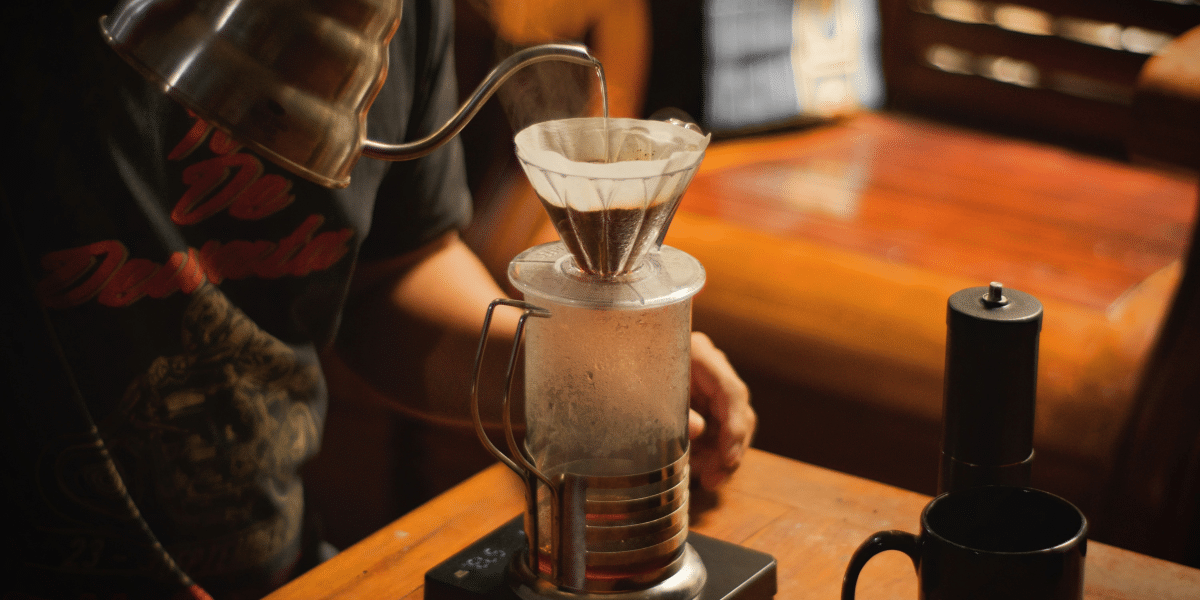


Coffee has become a staple in daily routines worldwide, transcending its origins to become a global phenomenon. You’ve probably noticed the explosion of coffee shops in your city, each offering unique experiences and flavors. This rise in popularity is part of a broader trend where coffee culture is evolving, influenced by local tastes and global trends. Whether you’re a casual coffee drinker or a devoted enthusiast, understanding these changes can give you a deeper appreciation for your next cup. This article dives into how coffee culture is developing around the world and the exciting new trends that are emerging.
How is Coffee Culture Evolving Globally?
Coffee culture is evolving globally, with new trends emerging that reflect local tastes and preferences. Around the world, coffee is no longer just a morning pick-me-up but a significant part of social life and cultural identity. In many places, coffee shops have become community hubs where people gather to work, socialize, and relax.
In China, for example, the rise of coffee culture is driven by younger generations looking for new experiences. This shift has led to a boom in specialty coffee shops that focus on quality and unique brewing methods. Shanghai now boasts the highest number of coffee shops in any city globally, indicating a vibrant, growing coffee scene.
Another trend is the influence of Western coffee culture. The popularity of international chains like Starbucks has introduced a variety of coffee styles and flavors to new markets. However, local adaptations are also common, with cafes blending traditional tastes with modern coffee trends. For instance, in China, you can find tea-based coffee drinks and raw coconut lattes that cater to local preferences.
Moreover, the global coffee culture is increasingly focusing on sustainability and ethical sourcing. Consumers are becoming more conscious of where their coffee comes from and the environmental impact of their choices. This awareness is driving demand for fair-trade and eco-friendly coffee options.
In summary, coffee culture is becoming more diverse and inclusive, reflecting a blend of global influences and local traditions. Whether it’s through innovative drinks, sustainable practices, or unique social experiences, coffee continues to evolve and connect people across the world.
What Role Does Specialty Coffee Play in Modern Culture?
Specialty coffee has become a significant part of modern coffee culture, transforming how people perceive and consume their daily brew. Unlike traditional coffee, which often prioritizes quantity over quality, specialty coffee focuses on the origin, flavor, and craftsmanship involved in each cup. This shift towards high-quality beans and unique brewing methods has created a more discerning coffee consumer.
One of the key aspects of specialty coffee is its emphasis on single-origin beans. These beans are sourced from specific regions, farms, or even single lots, allowing you to experience the distinct flavors and characteristics of different coffee-growing areas. This transparency in sourcing not only enhances the drinking experience but also builds a connection between you and the farmers who produce the coffee.
Specialty coffee shops are also redefining the social aspect of coffee consumption. These cafes often serve as community hubs where you can relax, work, or socialize. The baristas in these shops are not just servers but knowledgeable coffee enthusiasts who can guide you through the various brewing methods and flavor profiles. This educational aspect adds depth to your coffee experience, making it more than just a caffeine fix.
Moreover, the rise of specialty coffee has led to an increase in coffee-related events and competitions, such as barista championships and coffee festivals. These events celebrate the craft of coffee making and foster a sense of community among coffee lovers. By participating in these activities, you can expand your knowledge and appreciation for the intricate world of specialty coffee.
In essence, specialty coffee has elevated the simple act of drinking coffee into a rich, immersive experience that combines quality, education, and community.
How is Sustainability Influencing Coffee Trends?
Sustainability is becoming a major focus in the coffee industry, and it’s reshaping how we think about our daily brew. Consumers are increasingly aware of the environmental impact of their choices, and this shift in consciousness is driving significant changes in coffee culture.
One of the most noticeable trends is the rise of ethically sourced coffee. More and more cafes and brands are emphasizing fair trade and direct trade practices. This means coffee farmers are getting better wages and working conditions, which is crucial for communities in coffee-growing regions. When you sip on a cup of fair trade coffee, you’re not just enjoying a beverage but also supporting a more equitable global economy.
Eco-friendly practices are also gaining traction. Cafes are making efforts to reduce waste by encouraging the use of reusable cups and offering discounts to customers who bring their own. Compostable packaging and biodegradable straws are becoming common sights. Some coffee shops even go a step further by partnering with local farms to recycle coffee grounds as compost.
Sustainability extends to the farming practices as well. Shade-grown coffee, which supports biodiversity and reduces the need for chemical fertilizers, is becoming popular. Organic coffee is another growing trend, with consumers willing to pay a premium for beans grown without synthetic pesticides or fertilizers.
Moreover, the push for sustainability is leading to innovations in energy use. Solar-powered coffee roasters and eco-friendly brewing equipment are emerging, making the entire coffee production process greener.
In essence, sustainability is not just a buzzword in the coffee world; it’s a significant movement that’s influencing every step from bean to cup. By choosing sustainable coffee options, you’re contributing to a healthier planet and a fairer coffee industry.
What Innovative Brewing Methods Are Emerging?
In the ever-evolving world of coffee, brewing methods are continuously being reinvented to enhance the coffee experience. Among the latest trends, cold brew and nitro coffee have gained significant popularity. Cold brew is made by steeping coarse coffee grounds in cold water for an extended period, usually 12 to 24 hours. This method produces a smoother, less acidic coffee that is perfect for hot weather and can be enjoyed straight or with milk.
Nitro coffee, on the other hand, takes cold brew to the next level by infusing it with nitrogen gas. This process creates a creamy, stout-like texture with a frothy head, similar to a draft beer. It’s served from a tap and has become a hit in many cafes for its unique mouthfeel and visual appeal.
Another innovative brewing method is the siphon, or vacuum pot, which uses vapor pressure and vacuum force to brew coffee. This method is not only about the taste but also the theatrical brewing process, making it a favorite for coffee enthusiasts who enjoy the art of coffee making.
These innovative methods reflect a growing desire for diverse coffee experiences, allowing you to explore and enjoy coffee in new and exciting ways.
Summary
Coffee culture is evolving globally, driven by changes in local tastes and preferences. Specialty coffee shops, sustainability practices, and innovative brewing methods are shaping this dynamic landscape. As you explore different coffee experiences around the world, you’ll notice how each region infuses its unique character into the culture. Whether it’s the rise of ethically sourced beans or the popularity of cold brew and nitro coffee, these trends reflect a growing appreciation for quality and creativity in coffee. Embrace the journey and enjoy the diverse flavors and styles that make global coffee culture so fascinating.
Published by: Martin De Juan