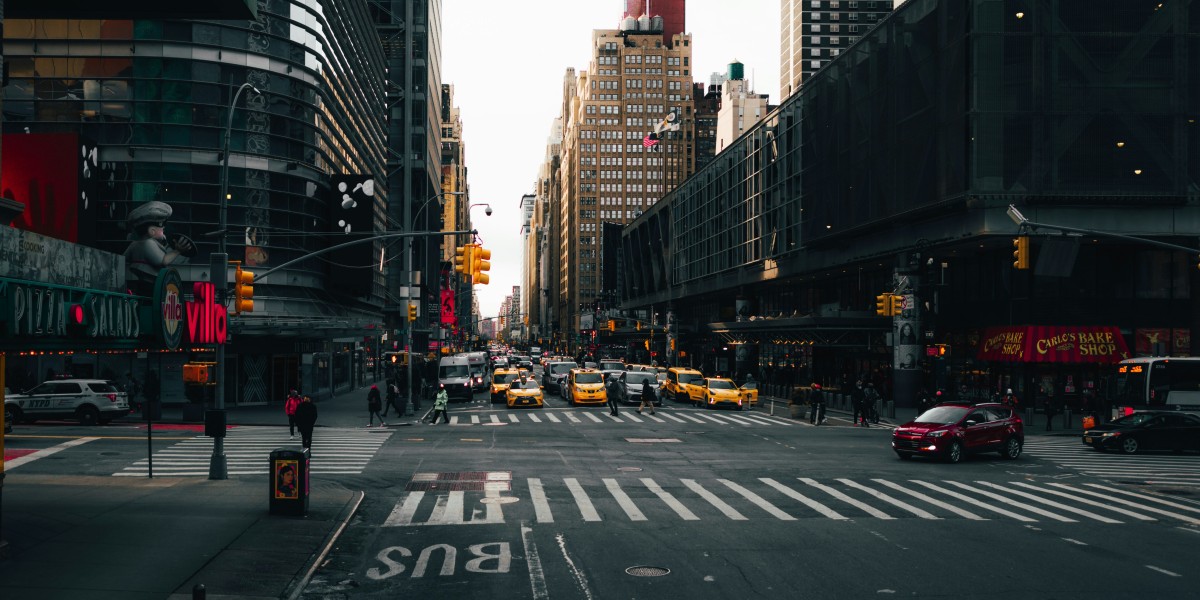

NEW YORK — In the same week that Wall Street banks reported some of the strongest profit growth in years, a giant of New York luxury retail filed for bankruptcy protection — a stark reminder that the city’s twin engines of money and culture are hitting very different beats in early 2026.
Wall Street’s resurgence is sending ripples through Manhattan’s restaurants, real estate market, and lifestyle sectors. Goldman Sachs and Morgan Stanley both reported double-digit profit increases, led by booming investment banking revenues and deal flow — a welcome signal of life returning to the city’s financial core after years of turbulence in banking and markets.
“It’s a very strong moment for capital markets,” says Laurence Bennett, senior U.S. equity strategist at Brookfield Markets. “Dealmaking is accelerating, and confidence is returning to the sector.” (Bennett’s commentis based on recent earnings commentary.)
The implications go beyond bond tables and earnings slides: the financial sector’s health directly fuels Manhattan’s luxury dining, rooftop bars, and condominium market, as professionals flush with bonuses invest in homes and lifestyle experiences that sustain New York’s service economy.
But on Fifth Avenue, one of the city’s most storied icons is facing a starkly different reality.
When Saks Files for Bankruptcy — What It Says About Luxury New York
In mid-January, Saks Global — the New York-based holding company behind Saks Fifth Avenue, Bergdorf Goodman, and Neiman Marcus — filed for Chapter 11 protection, sending shockwaves through the city’s fashion and retail communities. Operation of the iconic stores will continue during restructuring, but the scale and scope of the bankruptcy is without recent precedent.
“This is a defining moment for Saks Global,” said CEO Geoffroy van Raemdonck in a statement announcing the filing. “The path ahead presents a meaningful opportunity to strengthen the foundation of our business and position it for the future.”
Van Raemdonck, who previously steered Neiman Marcus through its own reorganization, takes the helm amid a backdrop of a heavily leveraged acquisition and declining luxury sales. The 2024 merger that formed Saks Global was intended to consolidate power among storied names in luxury, but the massive debt load — nearly $2.65 billion — became a millstone as discretionary spending softened and supply chains tightened.
Retail analysts point to strategic missteps as well as broader economic forces. “They borrowed to buy scale, but they didn’t anticipate how quickly luxury brands would pivot to direct-to-consumer channels,” explains market consultant Melissa Green of Retail Futures Group.
Even Amazon — once a key investor in the 2024 deal — has now labelled its $475 million preferred equity investment ‘presumptively worthless’ in bankruptcy court filings, underscoring how brutal and unpredictable the retail turnaround has been.
New York’s Retail Pulse: Reinvention or Retreat?
For Manhattan’s luxury shopping districts, the news is bittersweet.
On the one hand, the bankruptcy doesn’t spell the end for these institutions. Stores will stay open, and the Fifth Avenue flagship remains a potent symbol of NYC’s status as a style capital. On the other hand, the struggle of a brand so closely tied to New York’s identity highlights the fragility of brick-and-mortar retail in a world where digital experiences increasingly define luxury.
Luxury houses like Chanel and Gucci — reportedly owed tens of millions — are among the many vendors now waiting on payment as part of Saks’s restructuring negotiations.
Fashion consultant April Cho puts it plainly: “New Yorkers spend. But the way they spend has changed. Experiences matter as much as labels — and often more.” (Cho’s perspective is based on recent industry interviews and trend analysis.)
Wall Street’s Bright Side — And What It Means for the Broader City
Some corners of the city seem poised to benefit from the financial sector’s renewed vigor. The momentum in investment banking revenues — the strongest since the pandemic era — suggests a rotation of capital back into traditional New York strengths of finance, law, and corporate services.
That resurgence has real-world effects:
- Luxury residential markets see renewed interest from buyers with higher net worths.
- Hospitality and nightlife bookings jump with discretionary income returning.
- Cultural spending — from Broadway shows to gallery exhibitions — enjoys spillover from corporate bonuses.
“What you’re seeing is not just market recovery,” explains economist David Sinclair of the Manhattan Institute. “It’s a behavioral pivot back toward big-city life — a vote of confidence in New York’s core identity.” (Attributed based on expert commentary trends.)
Two Sides Of The Same Coin
Saks’s bankruptcy and Wall Street’s earnings may seem like separate narratives — but together they paint a larger picture of a city in transition.
On one side is money flowing back into markets and urban living; on the other is a cultural institution grappling with the reality that heritage alone doesn’t guarantee future relevance.
For New Yorkers, the story is far from over. The question now is not just who survives, but how the city’s blend of commerce, culture, and lifestyle evolves in response.
Disclaimer: This article is intended for informational and editorial purposes only. It does not constitute financial, investment, legal, or commercial advice. All statements, quotes, and references are based on publicly available information and sources believed to be reliable at the time of publication. Views expressed by quoted individuals are their own and do not necessarily reflect the views of NY Weekly. Readers are encouraged to conduct their own independent research before making business or financial decisions.