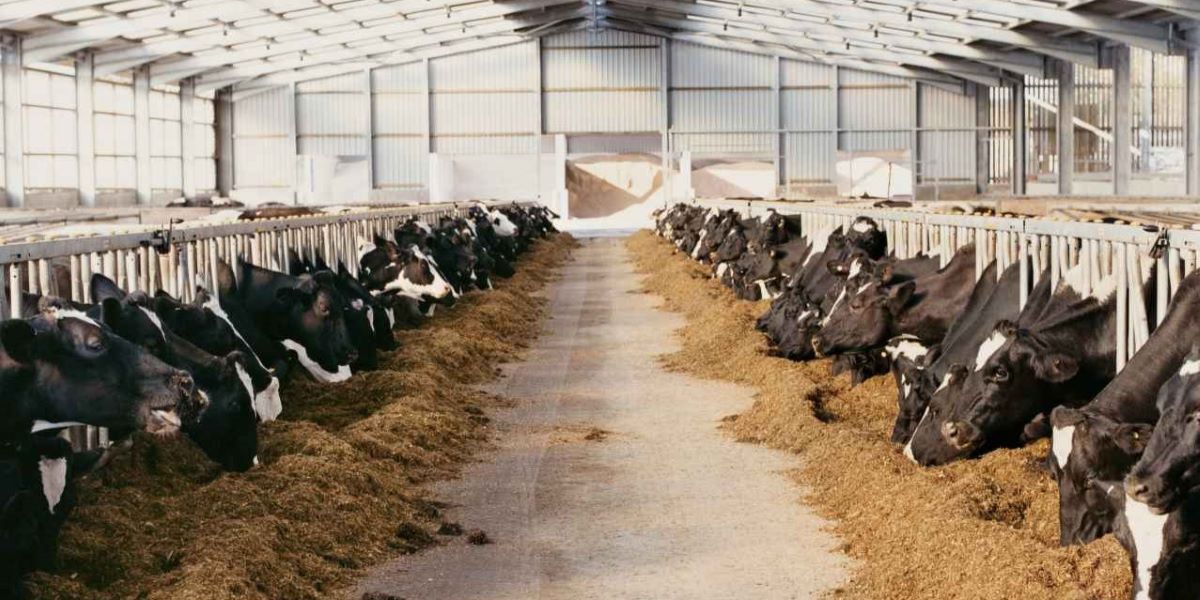


Have you ever thought about how barn conditions affect livestock comfort and productivity? Providing a well-maintained space where animals can stay calm, breathe fresh air, and access clean water ensures their well-being. A well-managed barn allows cattle to keep active, eat well, and maintain a steady growth rate. Farmers who focus on airflow, temperature control, and hydration create an environment where livestock can thrive.
The Importance of a Well-Ventilated Barn
Fresh air plays a key role in keeping livestock comfortable throughout the year. A barn fans with proper airflow allows for the removal of heat, moisture, and odors, creating a space where cattle can rest and feed without discomfort. Air circulation reduces excess humidity, keeping bedding dry and preventing the buildup of unwanted elements in the air. Animals in well-ventilated barns tend to have higher energy levels and are likelier to maintain a healthy appetite.
A barn’s ventilation should be adjusted based on the season and the number of animals inside. During warmer months, an increase in airflow helps remove heat, while in cooler months, a balance is needed to prevent drafts while ensuring fresh air moves through the barn. Adjustable ventilation methods provide flexibility to manage changing weather conditions while maintaining an environment where animals remain comfortable.
The Role of Fans in Temperature Control
Fans offer an effective solution for improving airflow and temperature control inside a barn. By circulating air evenly, fans prevent heat from becoming trapped and keep livestock from experiencing discomfort. Fans help remove excess body heat during warm days, allowing cattle to stay comfortable and active.
Ceiling fans and wall-mounted fans are commonly used to create steady air movement. Strategic placement ensures that all barn areas receive a constant flow of fresh air. Fans near feeding and resting areas encourage cattle to remain in these spaces without feeling overheated. Portable fans can also be used in areas where extra airflow is needed.
Energy-efficient fans are a significant investment, providing continuous airflow while reducing electricity costs. Some fans come with automatic speed controls that adjust airflow based on temperature changes, ensuring consistent comfort without unnecessary energy use.
Barn Curtains for Managing Light and Temperature
Curtains are key in regulating temperature and controlling the amount of natural light entering the barn. Farmers can maintain a steady indoor climate by adjusting curtain openings, preventing extreme heat or cold from affecting livestock.
During summer, open curtains allow warm air to escape, reducing heat buildup inside the barn. Closing the curtains in colder months helps retain warmth while allowing fresh air to enter. This flexibility ensures that cattle remain comfortable in all seasons without sudden temperature shifts.
Curtains also help reduce direct sunlight exposure, preventing overheating during peak daylight hours. Sun protection ensures that cattle stay relaxed while feeding and resting. At the same time, allowing enough natural light creates a bright and welcoming space where animals feel at ease.
Materials used in barn curtains are designed for durability and weather resistance. High-quality fabric resists moisture and wear, ensuring long-term performance. Some modern curtain systems come with automated controls, allowing easy adjustments to match changing conditions throughout the day.
The Role of Cattle Waterers in Hydration
Clean and accessible water plays a key role in supporting cattle health and growth, and cattle waterers ensure a steady supply of fresh water, allowing animals to stay hydrated at all times. Proper hydration improves digestion, energy levels, and consistent weight gain.
Automatic waterers provide a reliable solution for maintaining water availability. These systems refill water basins as needed, preventing shortages and ensuring that cattle always have access to fresh water. Heated waterers avoid freezing in cold months, allowing uninterrupted hydration regardless of temperature changes.
Waterers should be placed in easily accessible locations to encourage regular drinking. Positioning them near feeding areas ensures that cattle remain hydrated while consuming their meals. Regular maintenance keeps waterers clean, preventing debris buildup and ensuring that water remains fresh.
Cattle that have continuous access to clean water tend to be more active and have higher feed efficiency. Proper hydration supports overall well-being, making it an essential part of a comfortable barn environment.
Maintaining Clean and Dry Bedding
Comfortable bedding keeps livestock relaxed and free from discomfort. Dry bedding prevents excess moisture, reducing the chances of bacteria growth. Regular cleaning ensures that cattle always have a clean resting space, promoting good hygiene and comfort.
Bedding materials such as straw, wood shavings, and rubber mats provide a soft surface for cattle to lie down. Choosing the right bedding helps absorb moisture and provides insulation during colder months. Proper drainage and regular bedding replacement maintain a clean and welcoming space.
Bedding that stays dry and well-maintained reduces stress and encourages cattle to rest comfortably. When animals have a proper place to lie down, they are more likely to relax, which contributes to overall health and productivity.
Creating a Balanced Barn Environment
A well-maintained barn combines fresh air, temperature control, proper hydration, and clean resting areas to create an ideal setting for livestock. Each element plays a key role in ensuring that cattle remain comfortable throughout the year.
Farmers who focus on ventilation, cooling solutions, and hydration support healthier and more active livestock. A barn with proper air circulation, temperature adjustments, and access to fresh water creates an atmosphere where animals can thrive. These improvements increase feed efficiency, steady growth, and overall well-being.
Farmers can provide a space where cattle remain active, well-fed, and hydrated by making simple yet effective adjustments. A well-balanced barn supports productivity while ensuring that livestock stay in a welcoming and relaxed setting.
Published by Anne C.