
Key Takeaways
• Identifying the root causes of basement water problems is essential for effective remediation.
• Implementing preventive measures can safeguard your home from potential water damage.
• Professional assistance may be necessary for persistent or severe basement water issues.
Table of Contents
• Why a Dry Basement Matters for Your Home
• Understanding the Root Causes of Basement Water Issues
• Effective Solutions to Keep Your Basement Dry
• When to Seek Professional Help
• Keeping Your Basement Dry Over the Long Term
Why a Dry Basement Matters for Your Home
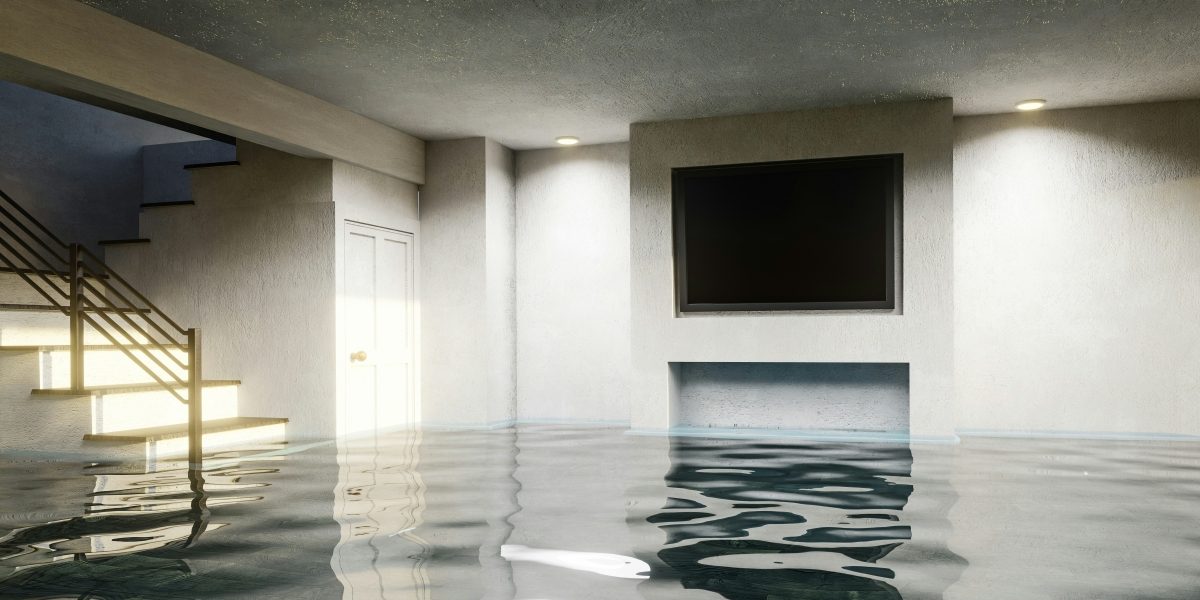
A dry and well-maintained basement is essential for protecting your home’s structure, comfort, and long-term value. However, basement water problems are common and can result from various issues, including poor drainage, foundation cracks, plumbing leaks, humidity, and other moisture-related concerns. Understanding the underlying causes of water intrusion is the first step toward finding effective solutions and preventing costly damage.
By identifying potential risks early and implementing appropriate preventive measures, homeowners can reduce the risk of flooding, mold growth, and structural deterioration. From improving exterior drainage to installing waterproofing systems, there are several ways to keep basements protected. If basement water problems persist despite taking preventive measures, it’s advisable to consult professionals. Aqua Lock, a family-owned and operated basement waterproofing company serving the Louisville, Kentucky area, offers comprehensive solutions tailored to your specific needs. The company diagnoses the source of subgrade moisture and installs drainage systems suited to the property.
Understanding the Root Causes of Basement Water Issues
Basement water problems can arise from various sources, each requiring specific solutions. Identifying the root cause is crucial for effective remediation.
1. Surface Water Intrusion
Improper grading and inadequate drainage can lead to surface water pooling around the foundation, which can eventually seep into the basement. Grading the ground so it slopes away from the foundation helps. So does extending gutters and downspouts so they direct water at least 6 to 10 feet away from the house.
2. Hydrostatic Pressure
When the soil surrounding a basement becomes saturated, it exerts hydrostatic pressure against the foundation walls and floor. This pressure can force water through cracks and porous materials. Installing an interior drainage system and sump pump can help alleviate this pressure by redirecting water away from the basement.
3. Plumbing Leaks
Leaking pipes or appliances within the basement can contribute to water accumulation. Regular inspection and maintenance of plumbing systems are essential to prevent such issues. If a leak is detected, prompt repair is necessary to avoid further damage.
4. Condensation
High humidity levels can cause condensation on basement walls and floors, leading to moisture problems. Using a dehumidifier and ensuring proper ventilation can help control humidity levels and prevent condensation-related issues.
5. Window Well Leaks
Another common issue stems from basement window wells, which can become water collection points during rainstorms if not properly covered or drained. Water can accumulate and seep through aging caulking or window frames, finding its way into your basement. To prevent this, make sure window wells are free from debris and consider installing window well covers. Also confirm that the well has adequate drainage via gravel or a specialized drain.
6. Ineffective Perimeter Drains
Older homes may have perimeter drains that have become clogged with sediment or deteriorated over time. A compromised perimeter drain system will not effectively channel water away from your foundation. If experiencing consistent water seepage, it may be necessary to have your perimeter drains professionally inspected with a camera and flushed or replaced as needed.
Effective Solutions to Keep Your Basement Dry
Addressing basement water problems involves a combination of preventive measures and corrective actions.
1. Improve Exterior Drainage
• Gutters and Downspouts: Ensure gutters are clean and downspouts extend several feet away from the foundation to direct water away from the house.
• Landscaping: Grade the soil around your home to slope away from the foundation, preventing water from pooling near the basement walls.
2. Seal Cracks and Openings
Inspect the basement for cracks in walls and floors. Sealing these openings with appropriate materials can prevent water intrusion. However, it’s important to address the underlying causes of the cracks to ensure a long-term solution.
3. Install a Sump Pump
A sump pump collects and removes water from a sump basin, which helps prevent basement flooding. Regular maintenance of the sump pump is crucial to ensure it functions properly during heavy rains.
4. Waterproofing Systems
Applying waterproof coatings to basement walls and floors can provide an additional layer of protection against moisture. In cases of severe water problems, installing an exterior waterproofing membrane may be necessary.
5. Upgrade Interior Drainage Solutions
If your basement experiences occasional leaks, consider installing French drains or an internal perimeter drainage system beneath the concrete slab. These systems channel water directly into a sump basin and out of the home, minimizing the risk of seepage through floors and walls. Professionally installed interior drainage can be especially effective in finished basements, where water damage to flooring and drywall is a concern.
6. Maintain Basement Humidity Control
Besides a dehumidifier, installing a ventilation system such as an energy recovery ventilator (ERV) can further control humidity by exchanging indoor and outdoor air while minimizing energy loss. Moisture monitoring devices can also alert you to humidity spikes, giving you time to act before mold and mildew become a problem. Air circulation fans help deter condensation by keeping air moving, especially in corners and around appliances.
7. Regularly Inspect Appliances
Basements often house water heaters, washers, and HVAC equipment, all of which can leak. Schedule annual maintenance checks for these items and replace hoses or corroded connectors as needed. Adding water leak detectors near appliances provides immediate alerts via smartphone or alarm if water is detected. This proactive step can significantly reduce response time and water-related damage.
When to Seek Professional Help
Reputable, licensed contractors typically warrant their work and perform it in accordance with local building codes. That documentation gives you recourse if a problem reappears, and it can give future buyers added confidence when your home goes on the market. Experts may offer tailored recommendations, such as installing backup power supplies for sump pumps, implementing advanced drainage solutions, or correcting soil grading to go beyond surface-level fixes.
Professional contractors also have the experience and specialized equipment needed to identify hidden moisture issues that may not be visible during a basic inspection. Working from the source of the problem rather than the symptom is what makes recurring water damage less likely, and it keeps repair costs down over the life of the home.
Keeping Your Basement Dry Over the Long Term
Understanding the common causes of basement water problems and applying appropriate solutions can safeguard your home from potential damage. Regular maintenance, proper drainage, and professional assistance when needed are key to maintaining a dry and healthy basement environment. Some minor water intrusion issues can be handled with DIY solutions. Persistent moisture or flooding usually signals a deeper problem.
Addressing basement water issues at their source protects your home’s structural integrity, and it helps limit the health risks associated with mold, mildew, and poor indoor air quality. A proactive maintenance schedule that includes seasonal gutter checks, landscaping adjustments, and the annual inspection of drainage systems can go a long way toward preventing costly future repairs. Staying vigilant and responding quickly to early warning signs gives you the best chance of keeping your basement dry, comfortable, and usable for years to come. Where water problems continue, a comprehensive assessment from specialized professionals such as Aqua Lock can identify what is driving the intrusion.