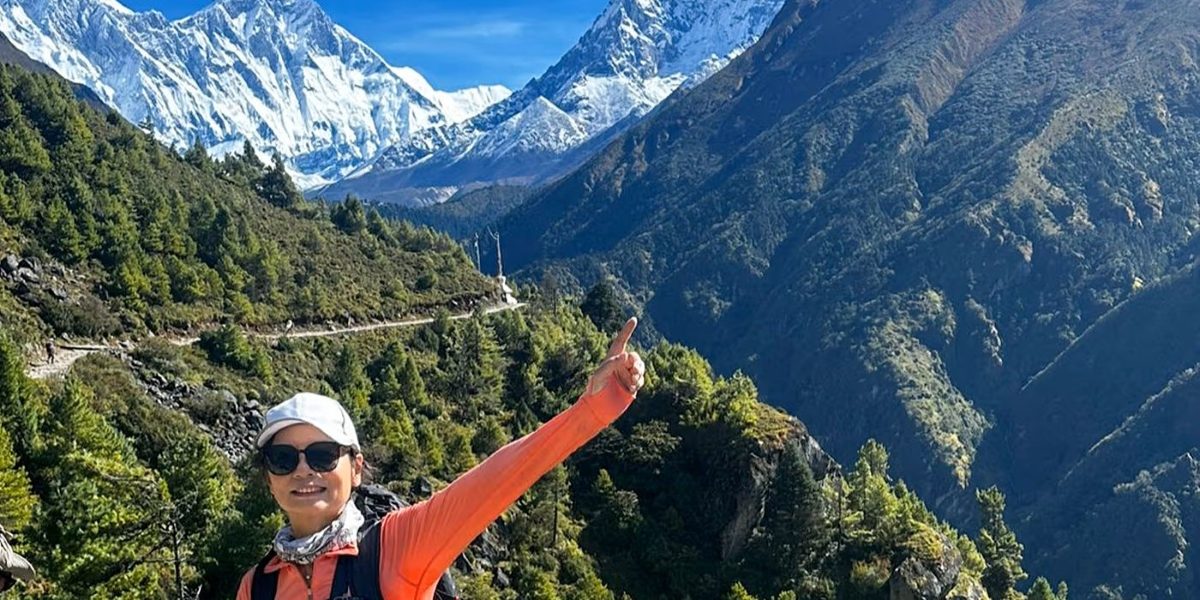

Picking a trek in Nepal isn’t as simple as it looks on paper. Everyone assumes you just fly in, walk for a couple of weeks, and stare at Everest. But the real decision comes down to time, comfort, and how much your knees are willing to negotiate with you. Some travelers want the classic base camp experience without sleeping in a teahouse with paper-thin walls. Others need to be back at their desk in ten days, not eighteen. And then there’s a growing group who’d rather skip walking out entirely and just fly back once they’ve touched Everest’s doorstep.
That’s really the heart of it. Nepal doesn’t offer one trek. It offers several versions of the same dream, and picking the right one changes everything about how the trip actually feels.
The Case for Comfort: Everest Base Camp Luxury Trek
There’s a persistent myth that trekking to Everest Base Camp has to mean roughing it. Cold rooms, lukewarm dal bhat, and a shared squat toilet down the hall. It doesn’t, not anymore. The Everest Base Camp Luxury Trek follows the same trail as everyone else (through Namche, past Tengboche monastery, up to Kala Patthar for that first look at Everest), but the nights are spent in lodges that actually feel like a place to recover. Proper beds, hot showers that work most of the time, and food that doesn’t taste like it’s been reheated for the fifth traveler that day.
This matters more than people expect. Altitude already messes with your sleep, your appetite, your patience. Add a freezing room and bad food, and by day six a lot of trekkers are miserable regardless of the scenery outside. The luxury route doesn’t remove the physical challenge (you’re still climbing to over 5,300 meters, still dealing with thin air and long days), but it takes away the unnecessary suffering. For older travelers, honeymooners, or anyone who’s simply earned a bit of comfort after building a career, it’s the sensible middle ground between adventure and exhaustion.
Short on Time? The Annapurna Region Still Delivers
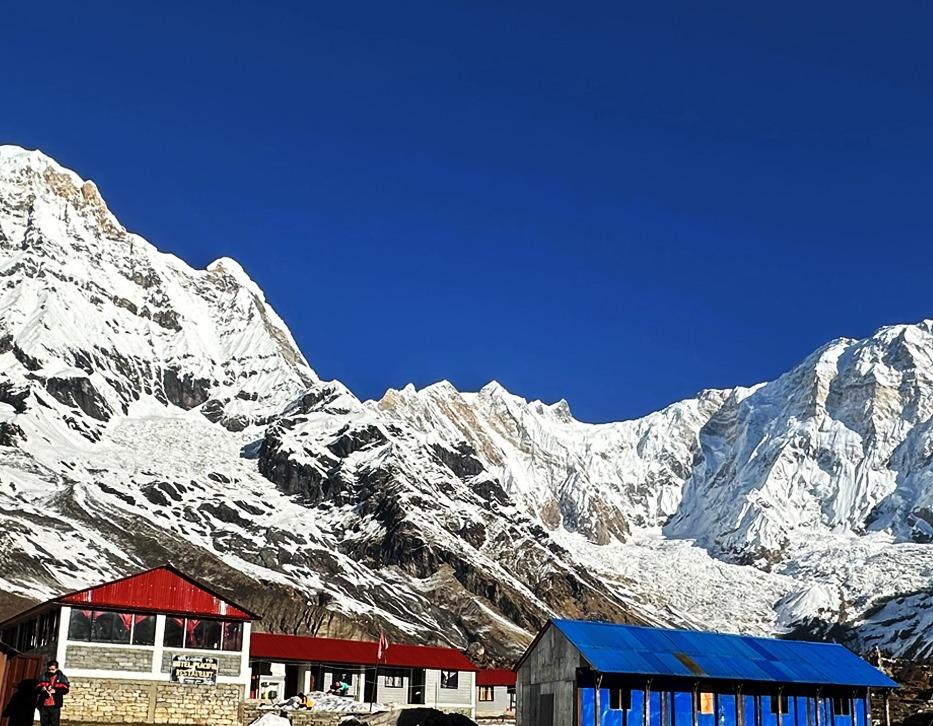
Not everyone has three weeks free. This is where the Annapurna region quietly wins. The Short Annapurna Base Camp Trek compresses the classic ABC route into about a week, sometimes less depending on the itinerary and how your body handles the pace. You still pass through rhododendron forests, Gurung villages, hot springs at Jhinu, and eventually stand in that natural amphitheater of peaks surrounding base camp, with Annapurna South, Hiunchuli, and Machapuchare rising like a fishtail above everything.
What makes this trek forgiving is the altitude profile. Base camp sits around 4,130 meters, noticeably lower than Everest’s, which means less time acclimatizing and fewer risks of altitude sickness derailing your plans. It’s also less crowded on certain sections than the Everest trail, though October and April will still see plenty of foot traffic. For someone weighing a first Himalayan trek, or a second trip who doesn’t want to commit a full month, this shortened Annapurna itinerary hits a sweet spot: real mountains, real culture, without demanding your entire annual leave.
Skip the Walk Back: Everest Base Camp with a Heli Return
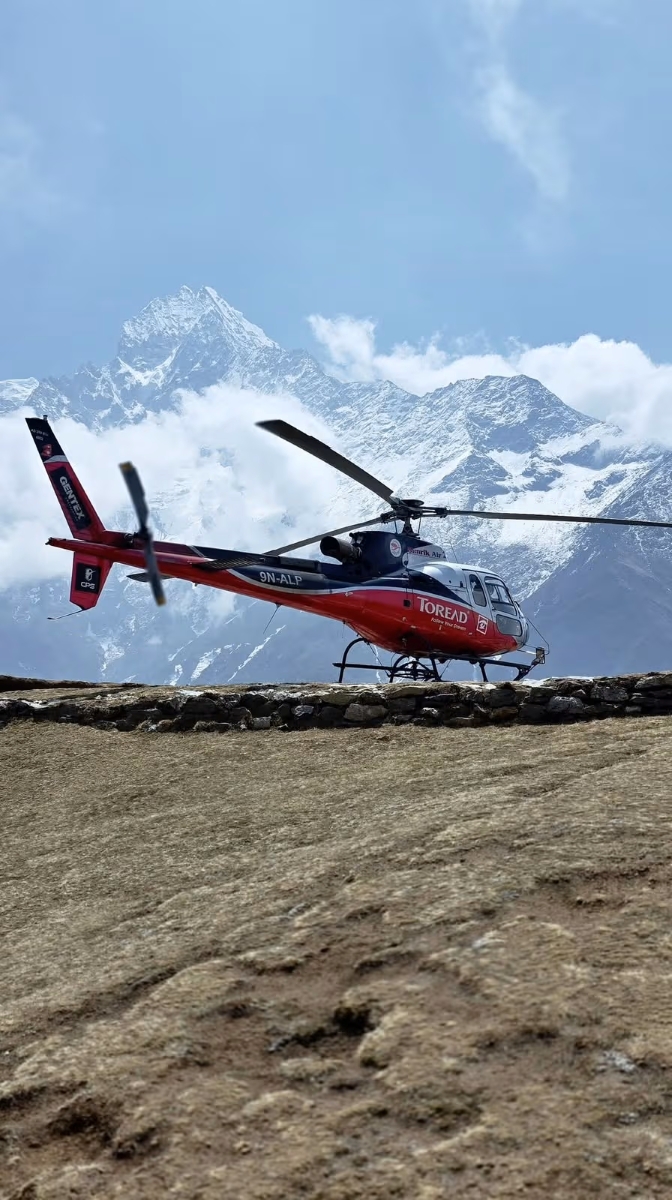
Then there’s a third option that’s honestly changed how many people think about EBC altogether. Walking up to Everest Base Camp still takes a minimum of eight or nine days. There’s no shortcut through the Khumbu, and frankly, you wouldn’t want one since the acclimatization stops are what keep you safe. But walking back down? That part is optional now.
The Everest Base Camp Heli Return Lukla Kathmandu trip lets you trek up the traditional way, reach Kala Patthar or base camp itself, and then board a helicopter from around Gorak Shep or Pheriche straight back toward Lukla and on to Kathmandu. It cuts several days off the total trip and, more importantly, spares your legs the descent, which, if anyone’s told you honestly, is often harder on the knees than the climb up. The helicopter ride itself is a bonus most people don’t expect: skimming low over the same valleys you just spent a week walking through, watching Ama Dablam and Lhotse shrink behind you, is its own kind of unforgettable.
This option suits trekkers with tighter schedules, or those managing an old injury who don’t want to risk it on a multi-day downhill grind. It’s not cheaper than the standard trek; weather delays are always a possibility with mountain helicopter flights, and it’s worth building in a buffer day in Kathmandu just in case. But for many people, trading two or three days of trekking for one incredible flight is an easy call.
So Which One Fits You?
Truthfully, there’s no universally “best” trek here, only the one that matches your time, your body, and your tolerance for teahouse life. If comfort matters and you’ve got the full itinerary window, the luxury Everest route is worth the extra cost. If you’re pressed for time but still want a genuine Himalayan experience, the short Annapurna trek delivers without demanding weeks off work. And if you want Everest Base Camp specifically, minus the punishing walk-out, the heli return version is hard to beat.
Whichever route you choose, working with a local operator who actually knows these trails (permits, weather patterns, lodge quality, the whole picture) makes a real difference. Teams like Escape Himalaya have been running these exact itineraries long enough to know where things typically go wrong and how to plan around them. That local knowledge, more than any gear list, is usually what separates a good trek from a genuinely great one.