Choosing Your Nepal Trek: Luxury, Speed, or a Quick Escape to the Annapurnas

Picking a trek in Nepal isn’t as simple as it looks on paper. Everyone assumes you just fly in, walk for a couple of weeks, and stare at Everest. But the real decision comes down to time, comfort, and how much your knees are willing to negotiate with you. Some travelers want the classic base camp experience without sleeping in a teahouse with paper-thin walls. Others need to be back at their desk in ten days, not eighteen. And then there’s a growing group who’d rather skip walking out entirely and just fly back once they’ve touched Everest’s doorstep.

That’s really the heart of it. Nepal doesn’t offer one trek. It offers several versions of the same dream, and picking the right one changes everything about how the trip actually feels.

The Case for Comfort: Everest Base Camp Luxury Trek

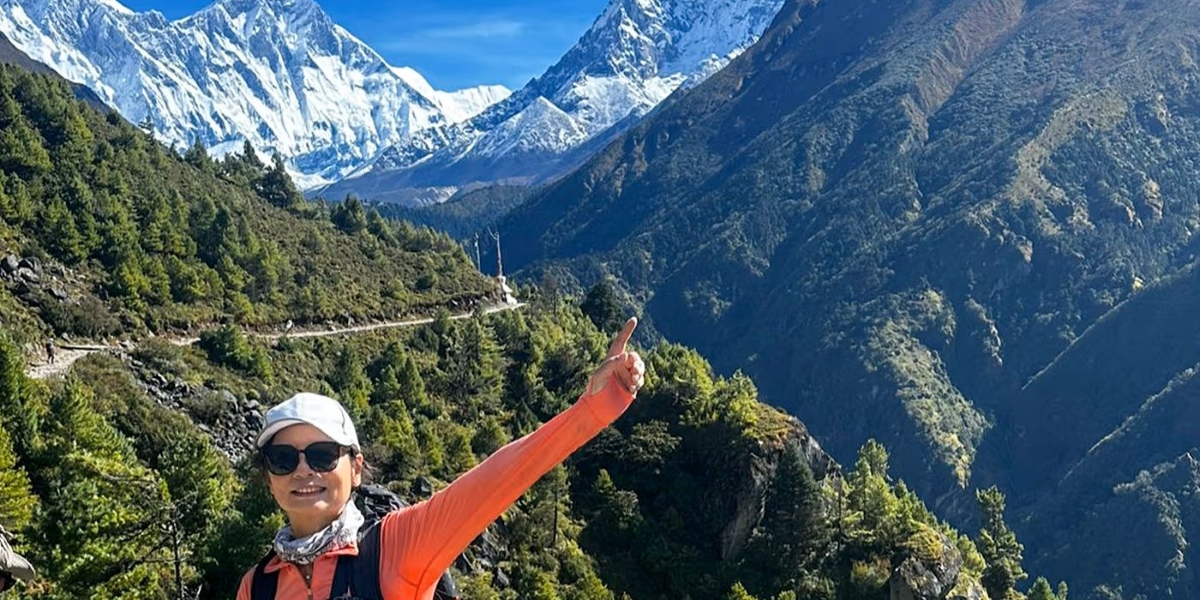
There’s a persistent myth that trekking to Everest Base Camp has to mean roughing it. Cold rooms, lukewarm dal bhat, and a shared squat toilet down the hall. It doesn’t, not anymore. The Everest Base Camp Luxury Trek follows the same trail as everyone else (through Namche, past Tengboche monastery, up to Kala Patthar for that first look at Everest), but the nights are spent in lodges that actually feel like a place to recover. Proper beds, hot showers that work most of the time, and food that doesn’t taste like it’s been reheated for the fifth traveler that day.

This matters more than people expect. Altitude already messes with your sleep, your appetite, your patience. Add a freezing room and bad food, and by day six a lot of trekkers are miserable regardless of the scenery outside. The luxury route doesn’t remove the physical challenge (you’re still climbing to over 5,300 meters, still dealing with thin air and long days), but it takes away the unnecessary suffering. For older travelers, honeymooners, or anyone who’s simply earned a bit of comfort after building a career, it’s the sensible middle ground between adventure and exhaustion.

Short on Time? The Annapurna Region Still Delivers
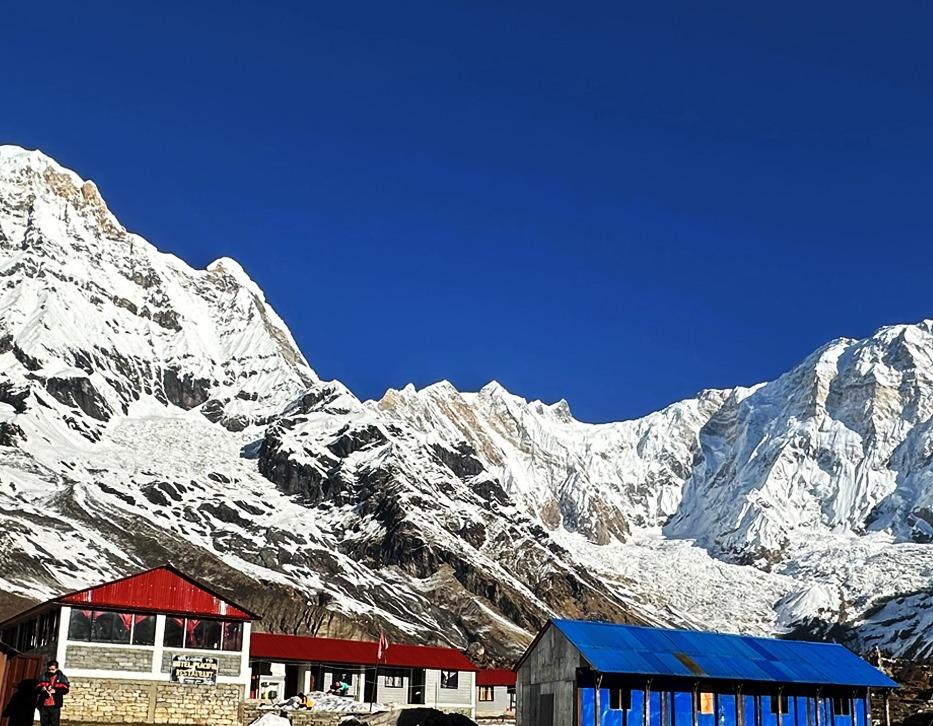
Photo Courtesy: Escape Himalaya

Not everyone has three weeks free. This is where the Annapurna region quietly wins. The Short Annapurna Base Camp Trek compresses the classic ABC route into about a week, sometimes less depending on the itinerary and how your body handles the pace. You still pass through rhododendron forests, Gurung villages, hot springs at Jhinu, and eventually stand in that natural amphitheater of peaks surrounding base camp, with Annapurna South, Hiunchuli, and Machapuchare rising like a fishtail above everything.

What makes this trek forgiving is the altitude profile. Base camp sits around 4,130 meters, noticeably lower than Everest’s, which means less time acclimatizing and fewer risks of altitude sickness derailing your plans. It’s also less crowded on certain sections than the Everest trail, though October and April will still see plenty of foot traffic. For someone weighing a first Himalayan trek, or a second trip who doesn’t want to commit a full month, this shortened Annapurna itinerary hits a sweet spot: real mountains, real culture, without demanding your entire annual leave.

Skip the Walk Back: Everest Base Camp with a Heli Return
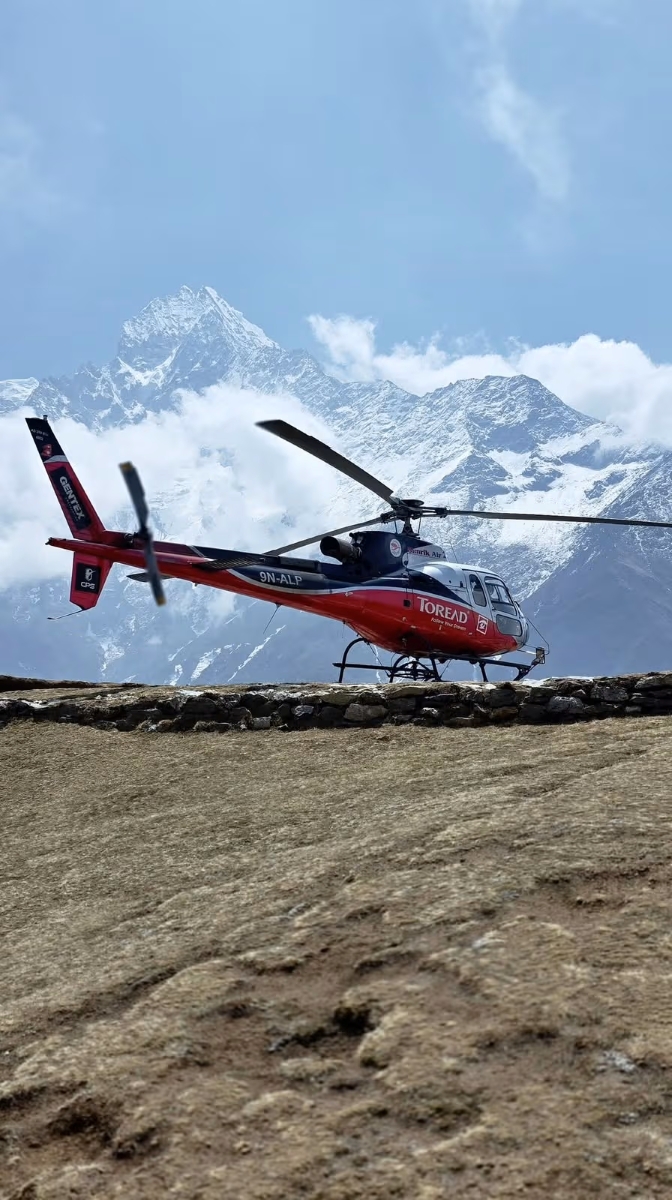
Photo Courtesy: Escape Himalaya

Then there’s a third option that’s honestly changed how many people think about EBC altogether. Walking up to Everest Base Camp still takes a minimum of eight or nine days. There’s no shortcut through the Khumbu, and frankly, you wouldn’t want one since the acclimatization stops are what keep you safe. But walking back down? That part is optional now.

The Everest Base Camp Heli Return Lukla Kathmandu trip lets you trek up the traditional way, reach Kala Patthar or base camp itself, and then board a helicopter from around Gorak Shep or Pheriche straight back toward Lukla and on to Kathmandu. It cuts several days off the total trip and, more importantly, spares your legs the descent, which, if anyone’s told you honestly, is often harder on the knees than the climb up. The helicopter ride itself is a bonus most people don’t expect: skimming low over the same valleys you just spent a week walking through, watching Ama Dablam and Lhotse shrink behind you, is its own kind of unforgettable.

This option suits trekkers with tighter schedules, or those managing an old injury who don’t want to risk it on a multi-day downhill grind. It’s not cheaper than the standard trek; weather delays are always a possibility with mountain helicopter flights, and it’s worth building in a buffer day in Kathmandu just in case. But for many people, trading two or three days of trekking for one incredible flight is an easy call.

So Which One Fits You?

Truthfully, there’s no universally “best” trek here, only the one that matches your time, your body, and your tolerance for teahouse life. If comfort matters and you’ve got the full itinerary window, the luxury Everest route is worth the extra cost. If you’re pressed for time but still want a genuine Himalayan experience, the short Annapurna trek delivers without demanding weeks off work. And if you want Everest Base Camp specifically, minus the punishing walk-out, the heli return version is hard to beat.

Whichever route you choose, working with a local operator who actually knows these trails (permits, weather patterns, lodge quality, the whole picture) makes a real difference. Teams like Escape Himalaya have been running these exact itineraries long enough to know where things typically go wrong and how to plan around them. That local knowledge, more than any gear list, is usually what separates a good trek from a genuinely great one.
The Words No Child Should Hear

By: Tony Cervantes

Some memories stay with us.

Not because they were dramatic.

Not because they happened to us.

But because something about them quietly changes the way we see the world.

For me, it happened in a restaurant.

I watched a young child weaving between tables while the adults around him grew more frustrated by the minute.

Finally, the parent raised their voice.

“Sit still.”

“What is wrong with you?”

“Grow up.”

The restaurant became quiet for just a moment.

The child stopped moving.

Not because he suddenly understood.

Because he looked hurt.

I remember thinking there had to be a better way.

The Moment That Stayed With Me

I didn’t know that child.

I don’t know what happened after they left the restaurant.

But I have thought about that moment many times over the years.

Not because I was judging the parent.

Parenting is hard.

We’ve all had moments we’d like to take back.

What stayed with me wasn’t the frustration.

It was the question.

“What is wrong with you?”

I couldn’t stop wondering what that child heard.

Did they hear,

“I need you to slow down.”

Or did they hear,

“Something is wrong with me.”

Children often hear much more than the words we speak.

A Different Question

That moment eventually became the beginning of Steven and the Extraordinary Children: No Mechanic Needed.

Not because I wanted to write a book about ADHD.

Because I wanted to write a book about understanding.

What if, instead of asking,

“What’s wrong with you?”

we asked,

“What are you experiencing right now?”

That single change can transform a conversation.

Steven never asks Hotrod what’s wrong with him.

He already knows.

Nothing.

Hotrod isn’t broken.

He’s simply learning how his own engine works.

What I Wish More Children Heard

Every child deserves someone who sees beyond the behavior.

Someone who notices the person before the problem.

Someone willing to say,

“I understand.”

“I’ve been there.”

“You don’t have to figure this out alone.”

Sometimes those few words are enough to change the direction of a child’s day.

Sometimes they change much more than that.

Parents Need Grace Too

The restaurant also reminded me of something else.

Parents are learning too.

None of us are handed a manual.

None of us get everything right.

There are moments when we’re tired.

Moments when we’re frustrated.

Moments when we wish we could rewind the last thirty seconds.

I’ve had those moments myself.

What matters isn’t being perfect.

It’s being willing to learn.

To apologize.

To grow alongside our children.

Why Steven Exists

People sometimes ask why I created Steven.

Steven isn’t a superhero.

He doesn’t have special powers.

He doesn’t fix anyone.

He simply understands.

He’s the friend every child deserves to have.

The one who says,

“I live there too.”

Those four words became the foundation of this entire series.

Because children who feel different don’t always need someone to solve their problems.

Sometimes they simply need someone willing to walk beside them.

The Lesson I Took Home

I never saw that child again.

I doubt they remember me being there.

But I remember them.

They reminded me that words matter.

Not because children remember every sentence we say.

But because they remember how those words made them feel.

That is why I wrote Steven and the Extraordinary Children: No Mechanic Needed.

My hope is simple.

That somewhere a parent pauses before asking,

“What’s wrong with you?”

And instead says,

“Help me understand.”

Sometimes changing just a few words can change everything.

Children are not broken.

They deserve to be seen, understood, and loved exactly as they are.

That has always been the heart of this story.

Steven and the Extraordinary Children: No Mechanic Needed is available now on Amazon and online retailers.

Two Custom 60m+ Superyachts For Sale With TWW Yachts

By: Ethan Rogers

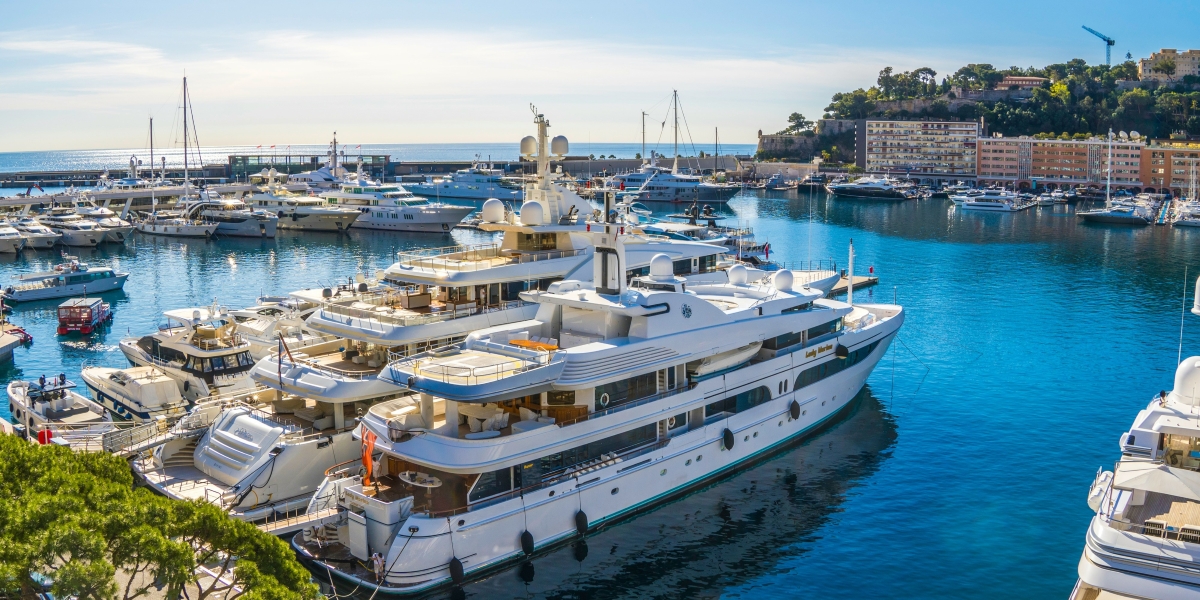
You have yachts, and then you have superyachts, usually 24 metres plus in length, but when you get to 50 metres or more, you tend to enter a new category. Throw in custom design, and the superyachts in this size class offer an unusually broad range of options. Seen as the perfect middle ground by many experienced superyacht owners, 60-metre superyachts usually house a complete range of amenities that rival five-star resorts. Custom superyachts in this class give owners total freedom to decide on every detail, from the technical platform and deck arrangements to the finishes and more. At this end of the size range, there is more than enough space onboard for owners to have dedicated areas to their own interests and hobbies. However, custom design tends to lead to longer build time and potential complications, making it less appealing to some. For prospective owners seeking a distinctive 60-metre superyacht without the 30- to 48-month wait, TWW Yachts has two 60m-plus superyachts for sale.

Rock.It | 60.35m | Feadship | 2014/2020 | $49,500,000

Delivered to her original owner in 2014, the 60.35-metre Feadship custom-built superyacht Rock It was designed for an experienced owner who enjoyed chartering Feadships. Featuring a sleek and bold exterior design by Sinot Yacht Design and classically modern interiors by the same Dutch design studio, this includes flowing, organic lines, mahogany paneling with modern backlit onyx and marble finishes throughout. Her 10.9-metre beam and 1,051 GT ensure she feels spacious throughout all decks. Undergoing a refit in 2020, she is ideal for private and charter use, with her spacious sun deck ideal for entertaining with a jacuzzi forward, a bar, a BBQ, sun loungers, and an outdoor seating area. Other key features include the main salon, which is split into three zones, with a formal dining area and a circular wine bar, the full-beam owner’s suite forward on the main deck, a fold-out balcony on the main deck, and a cinema room. Rock It can accommodate up to eleven overnight guests across five ensuite staterooms, including the sweeping owner’s suite with a dressing room and his-and-hers bathroom, two VIPs, one double, and one twin with a Pullman berth on the lower deck. Powered by twin MTU 12V diesel engines, she has a top speed of 15 knots and a range of 5,300 nautical miles at 12 knots. She is currently available for sale in West Palm Beach with an asking price of $49,500,000.

Dream | 60m | Abeking & Rasmussen | 2001/2023 | $38,457,175

The multi-award-winning 60m custom superyacht Dream (ex Excellence III) from German shipyard Abeking & Rasmussen was delivered to her original owners in 2001. A seasoned ocean-going superyacht, she features a classic exterior design by Donald Starkey Designs with an elegant interior by Bannenberg & Rowell. Refitted in 2023, she has been meticulously maintained over the years, with both her owners continuously upgrading her. One of the main features on board Dream is her stunning 110 square metre owner’s apartment, complete with an office, a yoga and wellness room, and three separate bathrooms. Other key amenities include a beautiful sky lounge that transforms into a cinema room, a large sundeck complete with a six-person jacuzzi and outdoor shower, and a dedicated gym. Dream is capable of accommodating up to 16 overnight guests, offering a flexible configuration of up to nine staterooms, which can instantly be reconfigured into three large VIP ensuite staterooms and two additional staterooms in addition to the owner’s apartment. With room for a crew of 16, she offers an ideal crew-to-guest ratio. Powered by twin Caterpillar 3516B diesel engines, Dream has a top speed of 16 knots and a cruising speed of 14 knots. Dream is currently for sale in Monaco, with an asking price of $38,457,175.

Kid-Sized Apples and Grapes for the Back-to-School Season

As classrooms fill back up across the Southeast, J.J. Jardina Company is stocking the fruit that most often ends up in student lunchboxes and school cafeteria trays. The Forest Park, Georgia wholesaler has built its back-to-school program around apples and grapes in the sizes and pack styles that work best for kids and the buyers who serve them.

Apples in Sizes Built for Kids and Schools

Apples remain the anchor of any back-to-school fruit program, and J.J. Jardina is carrying the full range of popular varieties heading into the season. Gala, Red Delicious, Granny Smith, Fuji, and Pink Lady are all available, giving retailers and foodservice buyers a mix of sweet, tart, and crisp options that appeal to a wide set of tastes.

The sizing is where the back-to-school focus really shows. The company is featuring 113- and 125-count apples, along with bagged apples for shoppers who want to grab a set all at once. In the produce trade, those count numbers describe how many apples fill a standard carton, so a higher count means a smaller piece of fruit. An 113 or 125 apple fits comfortably in a child’s hand and drops neatly into a lunch bag without crowding out everything else.

For schools and parents packing lunches day after day, that sizing matters. Smaller apples reduce waste because a young student is far more likely to finish one. They also portion cleanly for cafeteria service, where consistent size keeps meal planning simple.

Grapes and Welch’s Back to School Bags

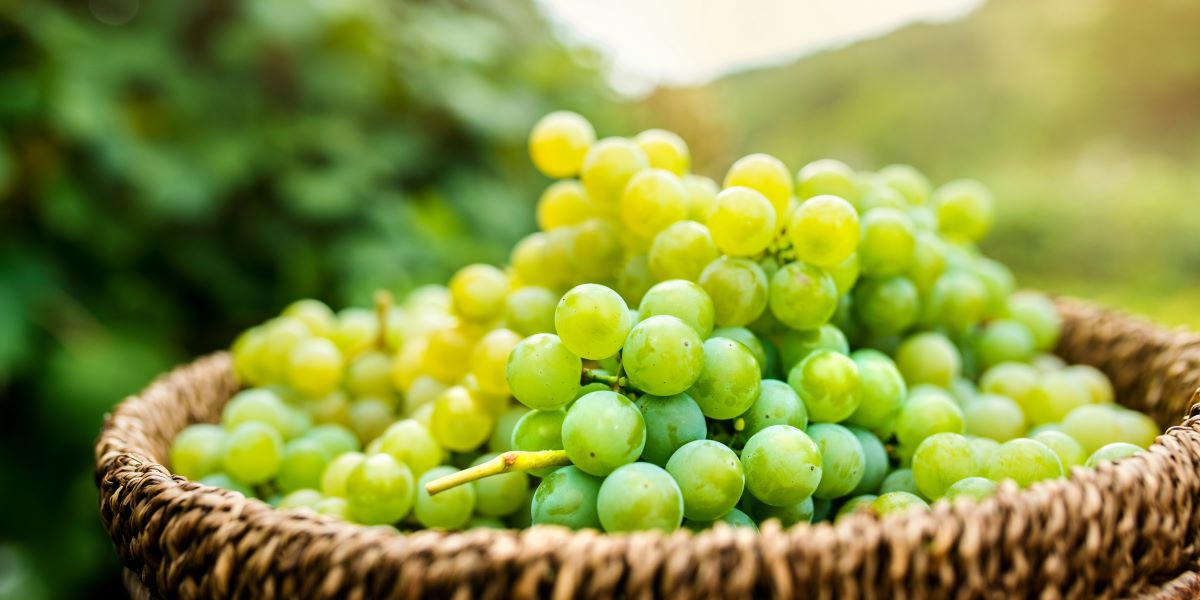
Grapes round out the lineup as the other lunchbox staple. J.J. Jardina is carrying red, green, and black seedless varieties, along with globe grapes, so buyers can offer color and variety on the shelf through the fall.

Kid-Sized Apples and Grapes for the Back-to-School Season

Photo Courtesy: Unsplash.com

This season the company is also featuring Welch’s Back to School Bags, a grape option ready for the busy start of the school year with a fun theme for the kids! Grapes offer shoppers a quick, ready-to-go choice, and they serve the same practical need that drives the apple program: fruit that travels well and holds up in a backpack.

Reliable Sizing for Southeast Retailers

The back-to-school push reflects how J.J. Jardina approaches its retail and foodservice customers year-round. As a fourth-generation family-owned fruit wholesaler based at the Atlanta State Farmers Market, the company carries a broad range of varieties and pack sizes so buyers can match fruit to the exact needs of their shoppers. 

Getting the sizing right for schools and families is a small detail with a real effect on the shelf. Retailers looking to stock the season with dependable produce can find current apple and grape availability through J.J. Jardina Company.

NYC and MTA Plan to Capture Subway Heat and Recycle It Into Municipal Buildings

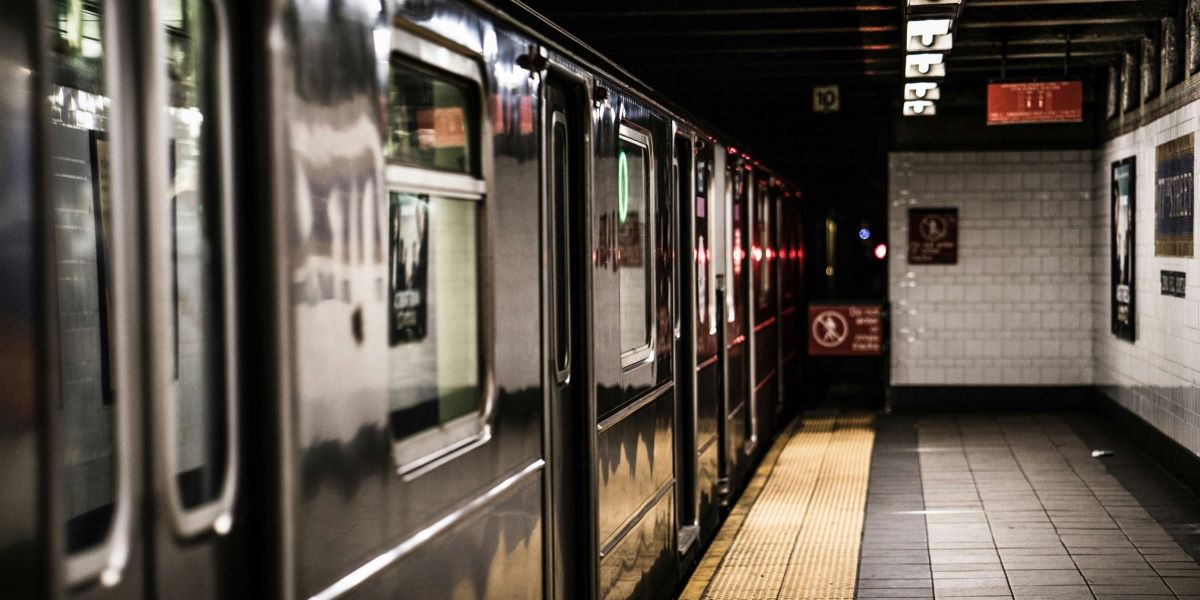
New York City, the Metropolitan Transportation Authority, and New York State have partnered on a feasibility study for the nation’s first Thermal Energy Network inside a transit system, targeting the Brooklyn Bridge-City Hall 4/5/6 and Chambers Street J/Z station complex in Lower Manhattan, where summer platform temperatures averaged 96°F in 2025.

Key Takeaways

  • The proposed Thermal Energy Network (TEN) would capture excess heat from subway platforms, store it underground, and redirect it to warm nearby municipal buildings during colder months.
  • Brooklyn Bridge-City Hall 4/5/6 recorded average platform temperatures of 96°F during the summer of 2025, with some stations reaching up to 20 degrees hotter than outside air.
  • Geothermal boreholes would be drilled beneath an abandoned center platform at Chambers Street J/Z, a 113-year-old station currently undergoing a congestion pricing-funded overhaul.
  • The feasibility study contract is expected to be awarded in fall 2026, with design work set to begin in early 2027 if the technology proves viable.
  • Radiant cooling technology used in TENs is 25 to 35 percent more energy efficient than conventional air conditioning systems.

Geothermal Boreholes and Radiant Cooling Target One of the System’s Hottest Stations

The proposed system would work by installing radiant cooling panels on the walls, ceilings, or floors of the Brooklyn Bridge-City Hall platforms. These panels circulate chilled water that absorbs heat directly from the surrounding environment. That captured thermal energy would then travel through pipes to geothermal boreholes drilled beneath the abandoned center platform at the adjacent Chambers Street J/Z station. During the winter, the stored heat would be extracted and piped into nearby municipal buildings, including City Hall, Tweed Courthouse, Surrogate’s Court, and the David Dinkins Municipal Building.

The technology is not entirely untested. Thermal energy networks already operate at several hospitals and university campuses, where they move heat between connected buildings and reduce reliance on fossil fuels. What makes this project distinct is the application inside a transit environment, where open entrances, ventilation shafts, and the constant movement of trains introduce variables that controlled campus settings do not present. MTA Chair and CEO Janno Lieber acknowledged that challenge directly, noting that a century-old system with open entry points everywhere makes temperature control a difficult engineering problem.

Brooklyn Bridge-City Hall earned its place as the pilot location for practical reasons beyond its extreme heat readings. The station sits directly below a cluster of city-owned government buildings, which means the infrastructure for heat transfer would not need to span long distances. The 6 train terminal at Brooklyn Bridge-City Hall also generates significant heat from trains idling at the end of the line, compounding the thermal load on the platform.

Chambers Street J/Z Overhaul Opens a Window for Geothermal Testing

The timing of the TEN study is directly linked to a broader revitalization project already underway at Chambers Street J/Z. Governor Kathy Hochul and the MTA announced on August 7 that the 113-year-old station would undergo a comprehensive renewal funded through congestion pricing revenues under the MTA’s 2020-2024 Capital Plan. That project includes structural rebuilds, tile replacement, stairway upgrades, leak mitigation, and ceiling repairs to address decades of water damage.

Because the station’s abandoned center platform is not in active passenger use, the MTA can drill geothermal test boreholes and install monitoring equipment without disrupting daily subway service. That unused platform effectively serves as a built-in laboratory for technology that has never been deployed in a U.S. transit system. The MTA plans to award the construction contract for the broader station renewal by the end of 2026, and the TEN feasibility study will run in parallel with that timeline. If the study confirms that geothermal infrastructure is viable beneath the station, design work on the energy network would begin in early 2027.

City and State Frame the Study as a Climate Resilience Model

Mayor Zohran Mamdani positioned the project as both a quality-of-life improvement and a long-term fiscal play. For the millions of commuters who pass through the subway system daily, the immediate benefit would be measurably cooler platforms during July and August. For the city’s operating budget, the payoff would arrive during the heating season, when stored underground heat supplements or replaces conventional energy sources for government buildings clustered around the Civic Center.

The Governor’s Office framed the initiative as a proof-of-concept for scaling geothermal infrastructure across the wider subway network. Governor Hochul noted that the city-state partnership demonstrates how innovative solutions can emerge when different levels of government coordinate on shared infrastructure challenges.

The study is being managed jointly by the MTA, the New York City Department of Citywide Administrative Services (DCAS), the Mayor’s Office of Climate and Environmental Justice, and the Office of the Deputy Mayor for Operations. Chief Climate Officer Louise Yeung cited the subway TEN alongside other recent city climate projects, including heat-resilient bus shelters and outdoor cooling centers, as evidence of a coordinated strategy to make transit infrastructure more durable against rising temperatures.

Broader Sustainability Push Extends Beyond the Subway

The thermal energy study fits into a wider set of climate-related investments the Mamdani administration has rolled out over the past year. The city released an Urban Forest Plan earlier in 2026 with a target of reaching 30 percent tree canopy coverage citywide. On the energy side, 130 solar installations are under construction on public school rooftops, generating 27.5 megawatts, with an additional 86 projects in the pipeline that would add another 17.2 megawatts.

The city has also crossed the 1,000-vehicle mark for its electric law enforcement fleet and is tracking to fully electrify the Sanitation Department, Parks Department, and DCAS enforcement fleets by 2030, five years ahead of the deadline set by local law.

For subway riders, the near-term reality remains unchanged. Platforms will continue to run hot through the rest of this summer and likely the next. The feasibility study, design phase, and any eventual construction would stretch across several years. But the underlying premise of the project, that the subway’s single most persistent complaint could become a resource rather than a liability, represents a shift in how the city and the MTA are thinking about infrastructure that predates modern climate conditions by more than a century.


FAQs

What Is a Thermal Energy Network and How Would It Work in the Subway?

A Thermal Energy Network captures excess heat from one location and transfers it to another through an underground loop of pipes and geothermal boreholes. In this case, radiant cooling panels on subway platforms would absorb heat and send it to boreholes drilled beneath the Chambers Street J/Z abandoned center platform. During colder months, that stored heat would be extracted and used to warm nearby city government buildings, including City Hall and Tweed Courthouse.

When Would Subway Riders Notice a Difference in Platform Temperatures?

The feasibility study contract is expected to be awarded in fall 2026, with design work beginning in early 2027 if the technology proves viable at the site. Actual construction and installation would follow those phases, meaning noticeable temperature reductions on platforms are still several years away.

Why Was the Brooklyn Bridge-City Hall Station Chosen for This Study?

Brooklyn Bridge-City Hall 4/5/6 recorded average platform temperatures of 96°F during summer 2025, making it one of the hottest stations in the system. The station also sits directly below a cluster of city-owned government buildings, reducing the distance required for heat transfer infrastructure. The adjacent Chambers Street J/Z station has an abandoned center platform that can be used for geothermal testing without disrupting passenger service.