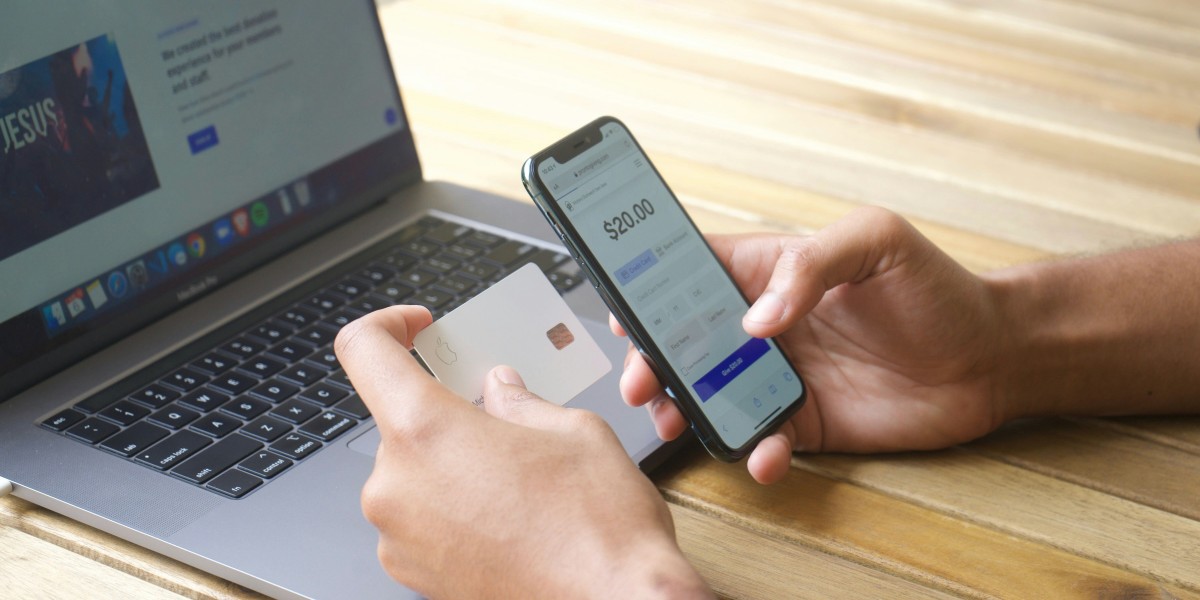

Apple has quietly made one of its most consequential financial moves in years. JPMorgan Chase is set to become the new issuer of the Apple Card, replacing Goldman Sachs, the Wall Street firm that helped launch Apple’s first major credit product back in 2019.
On the surface, Apple says little will change for cardholders. Underneath, this is a sharp realignment of power across consumer banking, fintech partnerships, and the future of credit at scale.
Why Apple Is Switching Issuers Now
Goldman’s partnership with Apple was always unusual. A traditional investment bank stepped into mass market consumer lending, betting that Apple’s brand and technology would offset the risk and complexity of running a credit card business.
That bet didn’t fully pay off.
Apple Card helped Goldman enter millions of households, but it also exposed the firm to higher losses, regulatory scrutiny, and operational friction. Over time, Apple Card became emblematic of Goldman’s broader retreat from consumer finance, including the winding down of several Marcus initiatives.
By contrast, Chase is built for this kind of business. It already runs one of the largest credit card operations in the U.S., with deep underwriting infrastructure, marketing reach, and balance sheet capacity.
For Apple, the appeal is scale and stability.
What Chase Gains From The Deal
For JPMorgan Chase, this isn’t just another co-branded card. It’s access to a massive, digitally native user base embedded inside Apple’s ecosystem.
The Apple Card portfolio is estimated at roughly $20 billion in balances. Absorbing that instantly expands Chase’s consumer credit footprint while positioning it inside Apple Wallet, one of the most frequently used financial interfaces in the world.
More importantly, Chase gains a front row seat to how millions of Apple users spend, save, and manage money. That data and engagement potential matter far more than short term margins.
Why Goldman Is Walking Away
For Goldman Sachs, this marks the end of a high-profile experiment. The Apple Card brought brand visibility, but it also brought losses that clashed with Goldman’s traditional business model.
Consumer credit is capital intensive, operationally complex, and unforgiving when defaults rise. Goldman’s exit signals a return to its core strengths rather than a failure of Apple Card itself.
In many ways, Apple Card outgrew Goldman faster than Goldman wanted to grow into consumer banking.
What Happens To Apple Card Users
For now, nothing changes.
Apple Card continues to live inside Apple Wallet, with the same Daily Cash rewards, no annual fees, and the same user experience. Mastercard remains the payment network.
The transition will take time, likely stretching across the next two years. Eventually, Chase will appear as the issuing bank on statements and credit reports. Any deeper changes will be communicated well ahead of time.
From Apple’s perspective, continuity matters. Disruption would undermine trust in a product positioned as simple and consumer friendly.
The Bigger Signal For Fintech And Banking
This deal highlights a broader truth about modern finance. Technology companies don’t want to be banks. They want bank partners that can scale quietly while staying invisible to the user.
Apple keeps control of the interface, the data experience, and the brand relationship. Chase handles credit risk, compliance, and capital. Goldman learned that those back end responsibilities are far heavier than they look from the outside.
The shift also reinforces Chase’s dominance. While fintech startups chase innovation, legacy giants with balance sheets still win when scale becomes the deciding factor.
Why Wall Street Is Watching Closely
Apple Card may not move Apple’s revenue needle dramatically on its own, but it sits at the intersection of payments, services, and consumer trust. Changing issuers reshapes who benefits from that intersection.
For Chase, it’s a long game bet on embedded finance.
For Goldman, it’s a strategic reset.
For Apple, it’s a reminder that even the world’s most valuable company prefers partners built for financial plumbing rather than financial experiments.
This isn’t just a card issuer swap. It’s a signal that the next phase of consumer finance will be decided less by who builds the flashiest app and more by who can quietly support billions in everyday transactions without breaking.