

The Work of Denise Jovita Serrato, Founder of Colibrí Wellness, LCSW, PLLC
A mental health assessment can document symptoms, but understanding those symptoms requires attention to the circumstances in which they developed. For Denise Serrato, founder of Colibrí Wellness, that includes language, migration, family relationships, identity and the conditions shaping a person’s sense of safety.
Serrato is a bilingual English- and Spanish-speaking licensed clinical social worker whose work includes immigration mental health evaluations, individual and couples therapy, and workplace-related mental health evaluations. Her decolonial approach brings questions about culture, power and lived experience into the assessment process while preserving standardized measures and independent clinical judgment.
Within immigration mental health evaluations, Serrato explores how distress, trauma and mental well-being affect daily functioning, including relationships, work, sleep, concentration and caregiving. She also considers how each person understands and communicates these experiences within their cultural and personal context. Her focus is on developing a clinical account that reflects both the psychological findings and the individual’s circumstances.
Roots, Identity and an Educational Foundation
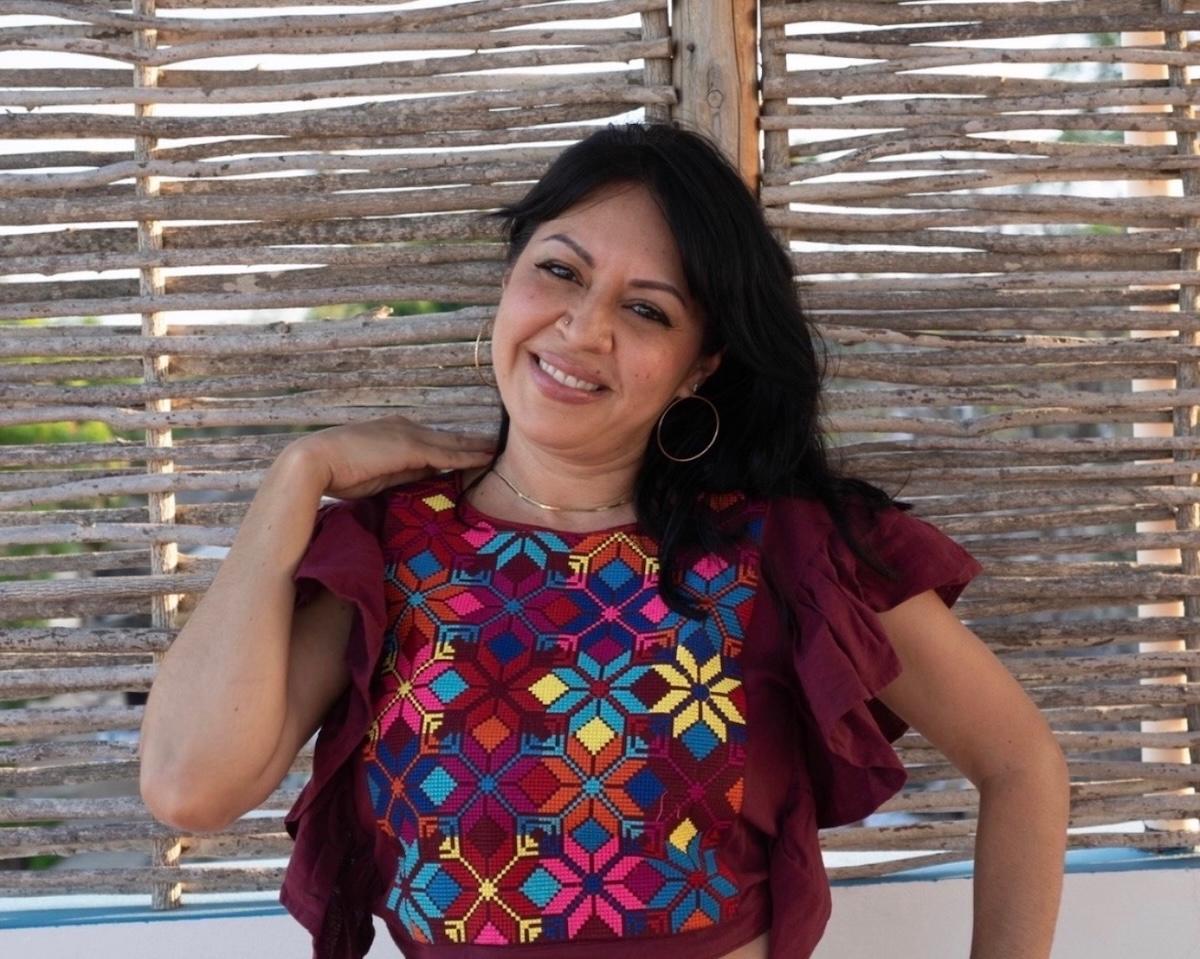
Serrato identifies as a first-generation P’urhepecha, Zacatecana, Huasteca and Xicana psychotherapist, born and raised in East Los Angeles and California’s San Gabriel Valley. Her roots extend to Michoacán, Mexicali, Zacatecas and San Luis Potosí. This heritage informs how she locates herself within the therapeutic encounter, bringing attention to identity, language, belonging and the histories that shape people’s experiences.
She earned a bachelor’s degree in Behavioral Science from Cal Poly Pomona, with a minor in Ethnic and Women’s Studies and an emphasis on Chicano Studies. In 2008, she moved to New York City to pursue graduate education at Fordham University, where she earned her Master of Social Work in 2012. She later completed postgraduate training at the Ackerman Institute for the Family in Children and Family Work.
Her professional development also includes training in immigration mental health evaluations and certification in motivational interviewing from Columbia University. These experiences support her work with individuals whose concerns intersect with trauma, family relationships, migration and substance use.
Her interest in a decolonial approach connects her background with questions she brings into clinical practice: Whose understanding of distress is being prioritized? What assumptions does the clinician bring into the room? What becomes visible when the client’s language and circumstances receive closer attention?
Serrato approaches each client with curiosity about their particular history, recognizing that shared language or cultural roots do not automatically mean shared experiences.
What a Decolonial Approach Looks Like in Practice
In Serrato’s work, a decolonial lens involves examining the assumptions that shape clinical questions and interpretations. It creates space to consider whether an assessment adequately captures the experiences of people whose lives, language or cultural expectations differ from those assumed within conventional clinical frameworks.
A question about difficulty relaxing, for example, may require exploration of anxiety alongside work demands, caregiving responsibilities or concerns about safety. Social withdrawal may call for attention to grief, mistrust, family separation or experiences of exclusion.
These conversations help clarify how symptoms developed, what maintains them and how they affect functioning. They also allow clients to explain their experiences in their own terms.
Serrato uses standardized assessments while retaining their validated questions and scoring. Her approach adds contextual follow-up rather than treating a screening score as a complete explanation. Diagnostic conclusions remain grounded in the clinical findings.
The decolonial perspective also extends to what a report recognizes as strength. Family connections, community relationships, cultural practices and strategies developed through difficult circumstances may be meaningful resources. Their significance is explored with the individual rather than presumed.
Locating the Clinician in the Encounter
Serrato’s postgraduate training informs her attention to “location of self”: the clinician’s recognition of how identity, experience and professional authority influence an encounter.
An evaluator makes decisions about what to ask, what requires clarification and how a client’s account will be represented. Serrato’s approach includes reflecting on the assumptions behind those decisions and the power involved in translating a person’s story into clinical language.
She also considers how the clinician’s cultural identity, ethnicity, appearance and language may influence an interviewee’s comfort and willingness to share. For some clients, working with someone who looks like them or shares aspects of their background can create a sense of recognition and ease concerns about being misunderstood. That comfort may help them discuss painful experiences, culturally specific meanings or details they might otherwise hesitate to disclose.
Shared identity does not automatically establish trust. Serrato explores what helps each person feel understood, while remaining attentive to differences within communities. Her decolonial approach asks the clinician to consider how perceived similarities, differences and professional power shape the conversation.
For Serrato, this awareness supports both the relationship and the assessment: creating conditions for fuller disclosure while preserving careful questioning and independent clinical judgment.
Mental Health Evaluations for Immigration Matters
Colibrí Wellness provides immigration mental health evaluations for asylum cases, hardship waiver applications (including I-601 and I-601A), Violence Against Women Act (VAWA) petitions, and U and T visa matters.
Depending on the referral, an assessment may address reported experiences of harm, current symptoms, diagnostic impressions, daily functioning and treatment needs. Relevant areas can include sleep, concentration, relationships, employment, caregiving and participation in everyday activities.
In mental health evaluations for hardship cases, the clinical focus includes the potential psychological effects of separation or relocation on the qualifying relative identified by the attorney. The assessment explores that person’s circumstances, existing vulnerabilities, support systems and caregiving relationships.
The written report brings together the clinical interview and assessment findings. Serrato emphasizes independent professional judgment and documentation that represents the findings accurately. Her approach considers both the distress a person reports and the resources that support their functioning.
For attorneys working with Spanish-speaking clients, bilingual services provide an opportunity for clients to describe their experiences directly in their preferred language. Attention to expressions, cultural meanings and the client’s own explanations forms part of the assessment process.
Her role is clinical. Attorneys address legal eligibility and case strategy, while immigration authorities determine outcomes. A mental health evaluation contributes clinical information for consideration within that process.
Exploring the Psychological Impact of Potential Deportation
Exploring the psychological impact of potential deportation is another important part of Serrato’s approach. Depending on the referral, this includes examining how anticipated separation or relocation could affect family relationships, caregiving, financial stability, access to treatment and connections to community. The assessment considers these circumstances alongside current symptoms and the individual’s history.
A decolonial framework brings attention to how immigration systems and unequal access to safety and resources shape a person’s emotional experience. Fear, grief or difficulty concentrating may be connected to uncertainty about remaining with loved ones, losing an established support network or returning to circumstances associated with harm. Serrato explores these connections without assuming that every person experiences deportation or relocation in the same way.
This approach also recognizes that belonging can extend across borders. An assessment explores what family, language, place and community mean to the individual, rather than assuming that returning to a country of origin would necessarily provide familiarity, safety or support. The clinical task is to document the psychological significance of these circumstances and their potential effects on functioning.
Bilingual Services Across Multiple Jurisdictions
Serrato holds clinical social work licenses in New York, Connecticut and Massachusetts. She also holds telehealth registrations in Florida, Vermont, Idaho and Delaware.
Colibrí Wellness is certified as both a Women-Owned Business Enterprise (WBE) and a Minority-Owned Business Enterprise (MBE) through the New York State Division of Minority and Women’s Business Development. Alongside these business certifications, Serrato’s practice emphasizes culturally responsive and linguistically appropriate mental health services for diverse and historically systemically marginalized communities.
After building her professional career in New York, Serrato returned to California and continues to provide remote services within the jurisdictions where she is authorized to practice. Her New York work offers attorneys access to bilingual immigration mental health evaluations for clients located throughout the state.
Her broader practice includes trauma, anxiety, depression and relationship concerns, with attention to BIPOC experiences and LGBTQ-affirming care. Across individual therapy, couples work and mental health evaluations, she explores how people understand themselves within their relationships, communities and histories.
The practice also shares updates through its Colibrí Wellness Instagram profile.
Through Colibrí Wellness, Serrato’s decolonial approach places cultural context within the clinical assessment itself. It asks clinicians to examine their assumptions, listen closely to the client’s meaning and document psychological findings with care. In her immigration work, that means representing the person’s/family’s experience alongside the symptoms and functional effects being assessed.