Trump Accounts Roll Out: A $1,000 Seed, Corporate Matches, And A New Front In The “Debanking” Fight


The federal government this month began rolling out a high-profile children’s savings initiative — popularly labeled “Trump Accounts” — that seeds eligible newborns with a $1,000 government contribution, invites employer and philanthropic matching, and has already touched off both corporate buy-in and legal fights over banking access. The program is positioned as a long-term wealth-building tool for children born between 2025 and 2028, but economists and advocates are sharply divided over whether it meaningfully helps families in the short term or deepens existing inequalities.

What The Program Is And Who Qualifies

Under rules outlined by the Treasury, any child who is a U.S. citizen, has a Social Security number, and was born between January 1, 2025, and December 31, 2028, is eligible for a one-time $1,000 contribution from the Treasury that will be invested in low-cost index funds managed by private financial firms. Accounts can be opened by parents or guardians and are intended to be long-term: funds generally cannot be accessed until the beneficiary turns 18 and withdrawals are limited to approved uses such as higher education, a first home down payment, or starting a business. The Treasury has published guidance on signup mechanics and safeguards for taxpayer funds.

“This program is designed to give children a leg up over the long run while protecting taxpayer dollars with strict identity and eligibility checks,” Treasury officials said in the rollout materials, adding the government-seeded deposit will be immediately invested in diversified index funds.

Corporate Matching: Big Banks Step In

Within days of the public launch, major financial institutions signaled support by offering to match the government seed for eligible employees. JPMorgan Chase and Bank of America announced programs to match the $1,000 Treasury deposit for children of qualifying employees, and several other large employers and philanthropists have pledged donations or payroll deduction support to encourage participation. Corporate matching is being marketed as an employee-benefit boost and a way to amplify the federal gift.

A JPMorgan spokesperson said the firm “will match the government contribution for eligible employees as part of our broader financial-wellness efforts,” while Bank of America published similar language describing a match and payroll deduction options. Those corporate statements underline the private sector’s immediate interest in folding the program into workplace benefits packages.

Philanthropy, Politics And Public Reaction

High-profile donations have arrived alongside corporate promises. Prominent philanthropists and some celebrities have publicly committed funds and publicity to drive enrollment, turning the program into a cultural as well as a policy moment. Proponents argue a seeded investment account — if left to compound over 18 years — could meaningfully boost a young person’s starting capital and financial literacy. Treasury estimates circulated by administration officials have projected substantial hypothetical long-term balances under optimistic growth scenarios.

But critics say the program’s headline $1,000 figure obscures distributional realities. Economists and anti-poverty advocates point out that families who can add to the account will see the biggest gains, while households struggling for basic needs get no immediate relief from the locked-up deposit. “A $1,000 contribution that can’t be touched until adulthood is a nice headline — but it doesn’t help a family paying rent or buying formula today,” said a professor of public policy who has studied child-savings pilots.

The Legal Backdrop: Debanking Lawsuits And Tensions With Banks

Complicating the rollout is a separate and escalating legal dispute between former President Trump and major banks. In late January, Trump filed a $5 billion lawsuit alleging that JPMorgan Chase and its CEO unjustly closed accounts tied to him and his businesses for political reasons — a claim JPMorgan denies. The suit frames a broader political narrative about the alleged “debanking” of conservative figures, and it comes as the same banks are signing onto the Trump Accounts matching programs, creating a complicated public tableau of cooperation and contention.

In filings and media statements, Trump’s legal team accused banks of political discrimination in denying services; banks have countered that account closures were business decisions tied to compliance and risk concerns. The litigation promises to be watched closely because an adverse ruling could reshape how banks manage politically exposed clients and set new precedents for claims of politically motivated financial exclusion.

What Families Need To Know Now

Practical questions about enrollment, tax treatment, and contribution caps matter immediately. Guidance issued by Treasury and covered in media explains that parents will typically claim the seed deposit via a tax form/process tied to Social Security verification, and that private account managers will handle investments. Annual contribution caps and employer contribution limits have been published in the program materials and vary depending on employer policy and philanthropic additions.

The Big Picture: Promise, Politics, And Open Questions

The Trump Accounts program sits at the intersection of fiscal policy, corporate benefit strategy, and culture-war politics. Supporters cast it as a pragmatic way to seed generational savings; critics view it as politically branded social policy that will have unequal effects unless paired with stronger antipoverty measures. Meanwhile, the simultaneous legal fight over alleged “debanking” keeps Treasury, big banks, and political allies in an uneasy dance — matching contributions from institutions that are also the subject of multi-billion-dollar litigation.

As the program moves from announcement into implementation, the clearest near-term developments to watch are employer match rollouts, philanthropy partnership structures, Treasury’s final enrollment logistics, and any fast-moving legal rulings in the debanking cases.


Disclaimer: This article is intended for informational and educational purposes only. It does not constitute financial, legal, tax, or investment advice. Program details, eligibility requirements, contribution limits, and legal proceedings referenced herein are subject to change and may vary based on individual circumstances. Readers should consult official government guidance, financial institutions, or qualified professionals before making decisions related to savings programs, investments, or legal matters. References to public figures, institutions, and legal actions are based on publicly available reporting at the time of publication.


Pancreatic Cancer Cure Research: Breakthroughs, Reality Checks, And What Scientists Actually Say

Pancreatic cancer has long been one of the hardest cancers to treat. It spreads early, resists many drugs, and is often diagnosed late. But in the past few years — especially heading into 2026 — research momentum has accelerated. Scientists are now reporting results that would have sounded impossible just a decade ago.

Still, the biggest question remains: Are we close to a cure?

The honest answer: not yet for humans. But several breakthroughs are changing how experts think about what’s possible.

The 2026 Breakthrough That Sparked Global Headlines

The biggest recent story comes from Spain, where researchers tested a triple-drug therapy in laboratory models. In mice with aggressive pancreatic tumors, the treatment eliminated tumors completely and prevented them from returning.

In experimental models, the results were dramatic. Tumors disappeared and stayed gone, and the therapy caused minimal side effects. (m.economictimes.com)

One of the scientists leading the research, oncologist Mariano Barbacid, described the significance clearly:

“For the first time, we have achieved a complete, lasting response with low toxicity against pancreatic cancer in experimental models.” (theolivepress.es)

But researchers themselves stress caution. Barbacid also noted:

“We are not yet in a position to carry out clinical trials with this triple therapy.” (cnio.es)

That dual reality — huge scientific progress, but not yet ready for patients — defines where pancreatic cancer research sits today.

Why This Discovery Matters Scientifically

Pancreatic tumors are notoriously adaptable. Many treatments work at first, then stop working because tumors evolve resistance.

The new triple-therapy approach works differently. Instead of targeting one cancer pathway, it blocks several at once, leaving cancer cells with fewer ways to survive or mutate around treatment. Early data shows this strategy may prevent the drug resistance that normally appears within months. (m.economictimes.com)

If this translates to humans, it could fundamentally change treatment design.

Immunotherapy: Small Groups, Big Signals

Another area showing real — but very targeted — promise is immunotherapy.

Historically, pancreatic cancer barely responds to immune treatments. But new studies are finding rare patient groups who respond strongly.

One oncology researcher explained it this way:

“While immunotherapy has transformed the treatment landscape for several other cancers, it generally offers little benefit for pancreatic cancer. However, this study highlights a small but important group of patients who experienced significant and sustained responses to immune-based treatment.” (news.uhhospitals.org)

In one study of advanced patients who had already failed standard treatments:

  • 82% had tumor shrinkage
  • Many survived far longer than expected
  • Some stayed stable for a year or more

These numbers are small-study results, but they prove something critical: pancreatic cancer is not universally immune-resistant.

Cancer Vaccines: Early But Potentially Game-Changing

Researchers are also developing vaccines targeting mutations — especially KRAS, which appears in most pancreatic cancers.

Early trials suggest some vaccines can trigger strong immune memory against cancer cells. Experts are excited, but cautious.

One oncology expert summed up the field’s history of hype versus reality:

“How many times have we been down this garden path where we’ve got really excited about the science? But actually, ultimately, the real scientific experiment is in patients.” (theguardian.com)

That quote captures modern cancer research perfectly: breakthroughs happen in labs all the time — but human results are what matter.

Why Pancreatic Cancer Is Still So Hard To Cure

Three main reasons:

1. Late Detection
Symptoms often appear only after the disease has spread.

2. Dense Tumor Structure
The tumor builds a protective barrier that blocks drugs and immune cells.

3. Genetic Complexity
Mutations like KRAS drive aggressive growth and resistance.

Because of this combination, pancreatic cancer survival improvements tend to come slowly — through many small advances rather than one single miracle drug.

What Experts Realistically Expect Next

Based on current research trends, the next decade may bring:

Likely first
• Earlier detection through blood tests and AI imaging
• Combination therapies (drug + immune + targeted therapy)
• KRAS-focused precision treatments

Possible longer term
• Functional cures (long-term remission)
• Eventually, broader curative strategies for certain subtypes

The Bottom Line

Right now, science has reached a turning point — not a finish line.

Researchers have shown pancreatic cancer can be completely eliminated in controlled lab models. That alone is historically significant. But translating that into safe, reliable human treatment takes time.

The most honest summary is this:

We are no longer asking “Is pancreatic cancer curable in theory?”
We are now asking, “How do we make cures work safely in real patients?”

And that is a massive shift.


Disclaimer: This content is for informational purposes only and does not constitute medical advice, diagnosis, or treatment recommendations. Research discussed may be based on early-stage studies, including laboratory or animal models, and may not be approved for human clinical use. Always consult a qualified healthcare professional for medical concerns, diagnosis, or treatment decisions.

Winter Storm And Extreme Cold Grip New York, Disrupt Transit And Raise Safety Concerns

NEW YORK — New York City is facing a prolonged stretch of dangerous winter weather following a powerful storm that brought heavy snow, extreme cold and widespread disruption across the region, according to recent reporting and official updates.

The storm that swept into New York and the Tri-State area delivered heavy snow, sleet and strong winds, creating hazardous travel conditions and straining infrastructure across the city and surrounding states.

In the days after the storm, dangerously low temperatures continued to grip the region. Wind chills have been forecast to feel as low as about minus-15°F, with frostbite possible on exposed skin in as little as 15 to 30 minutes, according to weather reports and safety guidance issued to residents.

City officials have urged residents to stay warm and check on vulnerable people, including older adults and those with chronic health conditions, as the cold stretch could become one of the longest runs of subfreezing temperatures in years.

Transit And Infrastructure Impact

Severe cold and ice have also affected transportation across New York. Thick ice buildup in major waterways forced the suspension of ferry services, leaving commuters to seek alternative travel options such as buses and subways.

U.S. Coast Guard crews have been working to keep rivers navigable, including freeing vessels trapped in ice in New York Harbor and nearby waterways.

Rising Human Toll Amid Cold Conditions

Officials and media reports say the severe weather has contributed to multiple deaths linked to freezing temperatures in New York City, highlighting risks for people exposed to extreme cold.

The broader winter system affecting much of the eastern United States has been linked to dozens of deaths nationwide, with power outages and dangerous travel conditions reported across multiple states.

Forecast And Ongoing Risks

Meteorologists warn that while snowfall may ease, extreme cold and strong winds could continue to pose risks, and additional winter systems remain possible in the region.

Officials continue to emphasize preparedness, urging residents to limit outdoor exposure, monitor weather alerts and assist vulnerable neighbors during the prolonged cold period.

Groundhog Day: How A Small Groundhog Became A Global Cultural Icon

Every 2 February, a quiet town in Pennsylvania becomes the center of global attention. The cameras roll, crowds cheer, and a single groundhog named Phil is lifted into the cold morning air. His task is simple: look for his shadow. Yet this brief moment has grown into one of the most recognizable traditions in North America and a lasting symbol of how folklore, media, and modern culture intersect.

Groundhog Day is more than a weather ritual. It is a story about habit, hope, and humanity’s desire to predict the unknown, even when the odds are stacked against us.

The Folk Roots Behind The Forecast

The tradition of Groundhog Day traces back to European settlers, especially German immigrants, who brought with them a belief known as Candlemas lore. According to this folklore, clear weather on a specific winter day meant a longer winter ahead. In Europe, animals like hedgehogs or badgers played the role of seasonal predictors.

When these settlers arrived in North America, they adapted the tradition using a local animal: the groundhog. Over time, the ceremony settled in Punxsutawney, Pennsylvania, where the most famous groundhog of all, Punxsutawney Phil, became the official forecaster.

Despite modern meteorology, Phil’s prediction still draws massive attention every year, proving that tradition can outlive accuracy.

Punxsutawney Phil And The Power Of Ritual

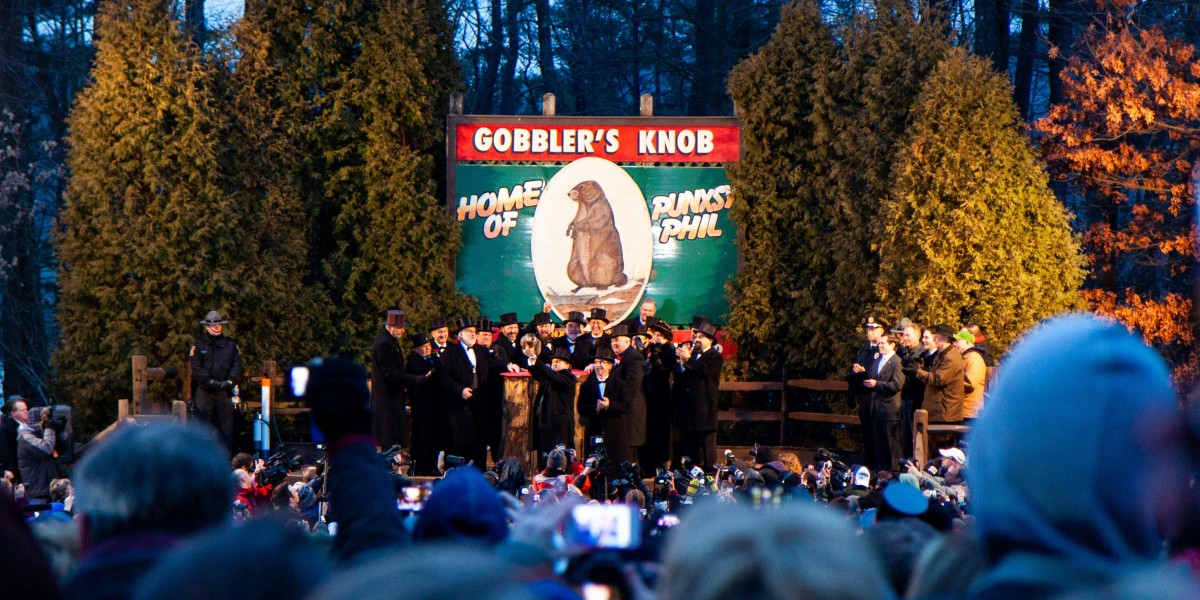
Groundhog Day How A Small Groundhog Became A Global Cultural Icon (2)

Photo Credit: Unsplash.com

Phil’s annual appearance takes place at Gobbler’s Knob, where members of the Inner Circle, dressed in tuxedos and top hats, perform the ceremony. If Phil sees his shadow, folklore says there will be six more weeks of winter. If not, early spring is on the way.

From a scientific perspective, Phil’s accuracy is often debated, and statistics regularly show mixed results. Yet accuracy is not the point. The ceremony offers something more valuable: continuity.

In a fast-moving world, Groundhog Day delivers the comfort of repetition. The same place, the same words, the same ritual, year after year.

Hollywood’s Role In Reinventing Groundhog Day

Groundhog Day’s transformation from local custom to global concept accelerated with the release of Groundhog Day. The film stars Bill Murray as Phil Connors, a cynical weatherman trapped reliving the same day over and over again.

The movie gave the holiday a second, deeper meaning. Groundhog Day became shorthand for repetition, stagnation, and the struggle to break free from routine.

One line from the film has become inseparable from the holiday’s modern identity. Murray’s character famously snaps, “Don’t drive angry.”

The quote resonates because it captures the film’s core lesson: repetition is not the enemy, but failing to learn from it is.

A Metaphor That Crossed Cultural Boundaries

Since the film’s release, “Groundhog Day” has entered everyday language. It is used to describe repetitive workdays, cyclical news cycles, and even political and economic patterns.

Psychologists, philosophers, and business leaders often reference Groundhog Day when discussing habit formation and personal growth. The idea is simple: if every day feels the same, change must come from behavior, not circumstance.

This metaphorical power explains why Groundhog Day is recognized far beyond the United States. Even in countries with no winter snow or groundhogs, the phrase still carries meaning.

Why People Still Care In The Age Of Data

Weather forecasts today rely on satellites, supercomputers, and real-time climate modeling. Against this backdrop, a groundhog’s shadow seems almost comically outdated.

Yet Groundhog Day persists because it is not competing with science. It operates in a different space altogether: culture.

People do not tune in because they truly believe Phil controls the seasons. They tune in because the event offers humor, nostalgia, and a shared moment. In uncertain times, familiar rituals can feel grounding.

Groundhog Day also serves as a reminder that not everything needs to be optimized or proven. Some traditions survive simply because they make people smile.

Groundhog Day As A Mirror Of Modern Life

At its core, Groundhog Day reflects a universal human experience: the fear of being stuck. Whether it is a job, a routine, or a phase of life, repetition can feel comforting or suffocating, depending on perspective.

The holiday and the film both suggest the same quiet truth. Change does not always require a dramatic event. Sometimes it starts with small choices made repeatedly.

That idea may be why Groundhog Day continues to resonate across generations. It speaks to the tension between routine and reinvention, stability and growth.

More Than A Prediction, A Cultural Pause

Every year, when Phil emerges from his burrow, the world pauses for a moment. News outlets report the result. Social media is filled with jokes and memes. People reference the movie, the tradition, or both.

For one brief morning, the future feels playful instead of overwhelming.

Groundhog Day endures because it blends folklore, humor, and reflection into a single ritual. It reminds us that while we cannot control the seasons, we can choose how we respond to repetition.

And in that sense, whether Phil sees his shadow or not almost does not matter at all.

Can Rent-Stabilized New Yorkers Really Count On Mamdani’s Rent Freeze? City Grapples With Promise, Power, and Practicalities

NEW YORK — On the campaign trail and in his first weeks in office, New York City Mayor Zohran Mamdani has made one of the boldest housing pledges in recent memory, to “freeze the rent” for millions of residents in rent-stabilized apartments. But as the city enters what may be a politically charged year for housing policy, questions remain about how — and even whether — that promise will translate into real relief for tenants.

“In office, I haven’t lost sight of why I ran — to deliver attainable housing for New Yorkers who are stretched thin,” Mamdani told Gothamist in early January, signaling his intent to move forward with the rent freeze by making strategic City Hall appointments.


A Promise With Limits: What the Mayor Can — and Can’t — Do

Unlike legislation passed by Congress or Albany, New York City’s mayor cannot unilaterally set rent levels. Instead, annual rent adjustments for rent-stabilized units are determined by the Rent Guidelines Board (RGB) — a nine-member panel that traditionally weighs inflation data, operating costs, and tenant household pressures before voting on how much landlords may raise rents.

Mamdani’s core strategy rests on this reality: by appointing a majority of members — including tenants’ advocates aligned with his platform — he hopes the RGB will vote to set rent increases at 0% during his term. Such an outcome would mark the first official rent freeze since the de Blasio administration.

“We’re going to make the appointment soon,” Mamdani said as he walked out of a Brooklyn press event following his inauguration, referring to filling crucial RGB seats. “I continue to be confident that the Rent Guidelines Board will assess the landscape for tenants in rent-stabilized units across the city and find that they are in dire need of relief.”


From Campaign Promise to Housing Reality

Mamdani’s echo of the campaign slogan “freeze the rent” has energized tenant groups and housing advocates — particularly in communities like the Bronx, Brooklyn, and Queens, where rent burdens have soared despite traditional rent-stabilization. More than 2 million city residents live in rent-regulated units; they’ve seen regulated rent hikes outpace income gains for years, adding urgency to calls for relief.

Yet the mechanics of implementing a freeze reveal how layered the political and bureaucratic work ahead truly is.

In the final weeks of the previous administration, former mayor Eric Adams moved to fill several Rent Guidelines Board seats with appointees seen as less receptive to a rent freeze — a step that briefly complicated the incoming administration’s housing agenda.

But even with future appointments under Mamdani’s control, the RGB must still weigh competing data and testimony from landlord representatives, tenant advocates, and economists — a process that does not always yield predictable outcomes.


Critics Warn of Unintended Consequences

Not everyone is convinced a rent freeze is the best path forward. Critics, including landlord groups and some economists, argue that long-term caps on rent increases could discourage maintenance, slow investment in aging buildings, and even limit the supply of available stabilized units, deepening the very shortages the policy seeks to remedy.

“Any approach to housing affordability needs to address both demand and supply issues,” said an analyst familiar with the city’s housing sector. “Freezes can help in the short term, but without complementary construction and preservation incentives, they risk freezing out opportunities for broader relief.”

At the same time, tenant organizers emphasize that existing protections — including the Housing Stability and Tenant Protection Act of 2019, which closed loopholes in deregulation and capped select rent hikes — have not been sufficient. Advocates argue that a freeze could be an essential first step that reduces displacement pressures for working families.


Where Things Stand: Politics, Power, and Timing

Mamdani’s housing agenda — including the rent freeze — sits alongside a broader slate of initiatives rolled out on his first day in office, such as revamping the Mayor’s Office to Protect Tenants and launching task forces aimed at accelerating housing development.

Yet deliverables like a rent freeze are not guaranteed overnight. Even with a friendly RGB, final decisions on rent increases typically come in annual cycles, meaning the earliest that a formal freeze would take hold could be later this year — after months of board deliberations, public hearings, and competing testimony.

For many rent-stabilized New Yorkers, the waiting game continues. But whether Mamdani’s promise ultimately reshapes life in the city’s living rooms and kitchens may hinge less on slogans than on intricate political strategy inside City Hall — and the boardroom where that strategy meets data, law, and decades of housing policy.

Milano-Cortina 2026: A Winter Olympics Shaped By Innovation, Scrutiny, And Global Stakes

As the Milano-Cortina Winter Olympics 2026 open in northern Italy, the Games arrive with a rare mix of anticipation, technological ambition, logistical strain, and geopolitical symbolism. From sweeping Alpine venues to unprecedented anti-doping scrutiny and next-generation broadcast tools, this edition of the Winter Olympics is poised to redefine how the world experiences winter sport.

A Games Spread Across Mountains, Cities, And Expectations

The 2026 Winter Olympics run from February 6 to 22, bringing global attention to Milan, Cortina d’Ampezzo, and surrounding Alpine regions. Organizers have framed the event as both a sporting spectacle and a long-term national investment, though the scale of the project has introduced significant complexity.

Italy has pledged roughly €3.5 billion in infrastructure, yet many legacy tunnels, bridges, and transport links will not be finished before competition begins, highlighting the tension between Olympic timelines and long-term planning.

Transport access remains a central challenge. Limited resort entry, reservation-only parking, and incomplete cable-car connections mean that car travel may still be the fastest option for spectators, even as traffic congestion looms.

At the same time, new rail links, airport-to-city connections, and restricted Olympic traffic zones aim to manage the surge of visitors and protect competition areas during event days.

Beyond logistics, the Games highlight deeper structural questions facing winter athletics. Rising costs, warming temperatures, and concerns over unused infrastructure after the Olympics have intensified calls for a rotating system of permanent Winter Olympic hosts to reduce waste and ensure reliable conditions.

International Ski and Snowboard Federation president Johan Eliasch warned that funding delays and unusually warm weather threaten preparations, noting that snowmaking in some areas can occur only at night because daytime temperatures are too high.

Unprecedented Anti-Doping Scrutiny

Integrity has become one of the defining narratives of Milano-Cortina 2026. According to officials, more than 90 percent of athletes have been tested at least once for banned substances ahead of the Games, reflecting an intensified global effort to protect clean competition.

The stakes became tangible when Italian biathlete Rebecca Passler was excluded from the Olympics after testing positive, underscoring the zero-tolerance environment surrounding the event.

While scrutiny surrounds fairness and climate readiness, the Games are equally defined by technological ambition. Broadcasters are deploying AI-powered 360-degree replays and first-person-view drones designed to follow athletes in real time, creating what organizers describe as a deeply immersive viewing experience.

These tools promise to transform spectatorship from passive watching into near-participation, signaling a broader shift in how global sporting events will be produced in the coming decade.

Historic Firsts And Competitive Storylines

Milano-Cortina 2026 A Winter Olympics Shaped By Innovation, Scrutiny, And Global Stakes

Photo Credit: Unsplash.com

Competition itself will also deliver milestones. New disciplines and expanded events—including the history-making debut of women’s doubles luge—reflect the Olympic movement’s push toward greater inclusion and evolution within winter sport.

Meanwhile, athletes and teams are arriving across Italy as the torch relay nears completion and final preparations unfold, marking the transition from planning to performance.

Fans tracking every event can now follow a detailed day-by-day Olympic schedule, underscoring the sheer scale of competition unfolding across multiple regions simultaneously.

Milano-Cortina 2026 also intersects with global politics and digital governance. Italy has proposed a worldwide Olympic truce ahead of the Games, reviving an ancient tradition intended to pause conflict so athletes can compete in peace.

At the same time, disputes over anti-piracy enforcement and cybersecurity funding illustrate how modern Olympics extend far beyond sport into law, technology, and international diplomacy.

Ceremony, Culture, And Legacy

The cultural dimension culminates on February 22 at Verona’s historic Arena, where the closing ceremony—titled Beauty in Action—will transform a UNESCO-listed amphitheater into an Olympic stage, symbolizing Italy’s blend of heritage and contemporary spectacle.

Taken together, the Milano-Cortina Winter Olympics represent more than a global sporting event. They are a stress test for climate resilience, infrastructure planning, anti-doping enforcement, and immersive broadcast technology—while still carrying the timeless Olympic aspiration toward peace and shared human achievement.

Whether remembered for athletic brilliance, technological transformation, or the challenges it confronted head-on, Milano-Cortina 2026 is already shaping the future of the Winter Games.

Second Crown Secured: Seahawks Overpower Patriots On Football’s Biggest Stage

On a February night in Santa Clara, the Seattle Seahawks reclaimed football’s highest stage with authority. Their 29–13 victory over the New England Patriots at Levi’s Stadium delivered the franchise’s second Super Bowl title, its first since 2014, and marked a defining moment shaped by resilience, defensive power, and cultural spectacle far beyond the field.

A Championship Built On Persistence

Seattle’s triumph carried emotional weight for players whose careers had taken winding paths to the biggest game. Quarterback Sam Darnold, once defined by instability across multiple teams, had long emphasized the importance of trust and continuity within an organization. Reflecting on team development in earlier remarks, he explained that success requires patience because growth “takes a really special coach and leadership to be able to have trust and keep everything together for at least a couple of years.”

That foundation was visible throughout Super Bowl LX. Seattle’s defense overwhelmed New England, recording six sacks and forcing repeated mistakes that kept the Patriots scoreless for three quarters. The offense complemented that dominance with efficient execution, punctuated by a touchdown connection from Darnold and a record-setting five field goals from kicker Jason Myers, turning discipline into decisive separation.

Kenneth Walker III And A Historic MVP Performance

At the center of the victory stood running back Kenneth Walker III, whose explosive ground game defined the tempo of the night. His 135 rushing yards and 161 total yards from scrimmage powered Seattle’s offense and secured the Super Bowl Most Valuable Player honor, making him the first running back to earn the award since 1998.

Walker’s performance symbolized more than individual excellence. It reflected a broader Seahawks identity rooted in physicality, patience, and timely execution, qualities that ultimately delivered redemption against the same Patriots franchise that had broken Seattle hearts more than a decade earlier.

Second Crown Secured Seahawks Overpower Patriots On Football’s Biggest Stage (2)

Photo Credit: Unsplash.com

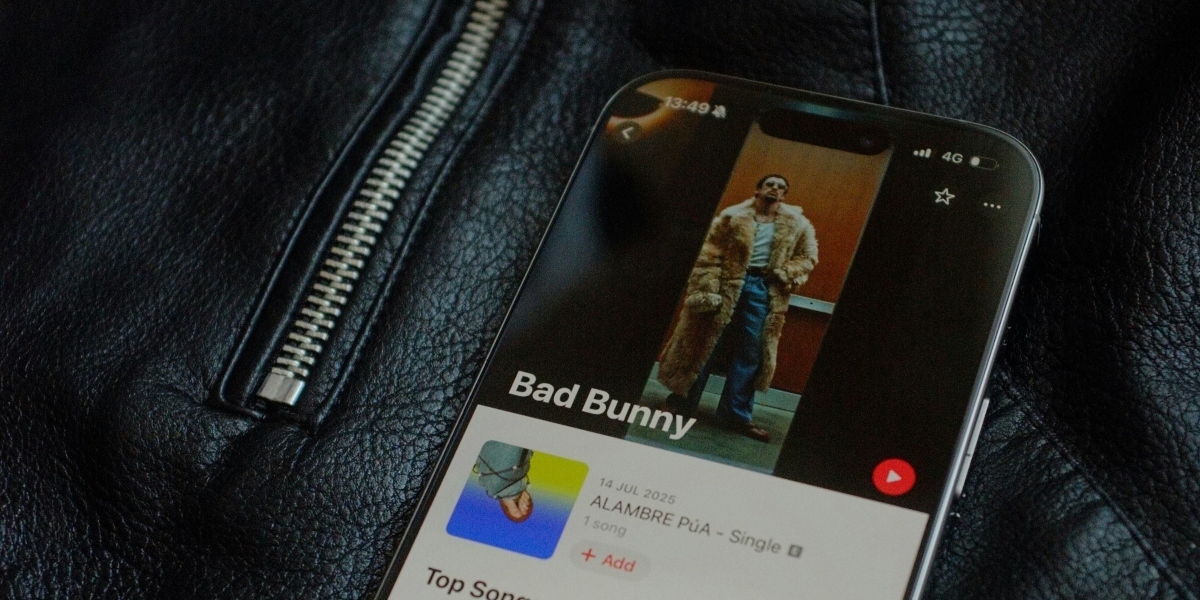
While the Seahawks controlled the game, the halftime stage carried its own historic resonance. Puerto Rican superstar Bad Bunny headlined the show as the first Latino solo artist to lead a Super Bowl halftime performance, transforming the spectacle into a celebration of heritage, unity, and Latin music’s global reach.

His set blended symbolism with joy rather than overt political messaging. Visual tributes to Puerto Rico, multilingual imagery, and messages of solidarity culminated in a simple declaration displayed during the performance, “The Only Thing More Powerful Than Hate is Love.”
He reinforced that sentiment in the closing moments, telling viewers, “We’re still here,” while presenting a football marked with unity-focused imagery.

Reactions spanned admiration and controversy. Some public figures praised the performance’s emotional impact, one celebrity remarking it made them feel “proudly American”, while critics dismissed the show as divisive or misunderstood.
Even political backlash emerged, with former President Donald Trump calling the halftime spectacle “absolutely terrible.”
Yet the broader cultural reading framed the moment as a joyful affirmation of identity and shared belonging across the Americas.

More Than A Game

Super Bowl LX ultimately delivered two parallel stories. On the field, Seattle’s disciplined dominance restored the franchise to championship glory and validated years of perseverance. Off the field, halftime transformed into a global cultural statement, one where music, identity, and unity briefly overshadowed rivalry.

Together, those narratives defined a championship remembered not only for the scoreline, but for what it revealed about resilience, representation, and the evolving meaning of America’s biggest sporting stage.

Sustainability and Luxury in NYC’s Hotel Industry: What’s Next?

The hotel industry in New York City is undergoing a quiet transformation. For decades, luxury meant extravagance, grand lobbies, endless amenities, and indulgent service. But now, a new kind of luxury is emerging, one that’s rooted in sustainability. Hotels across the city are rethinking what it means to offer a premium experience, and they’re doing it with the planet in mind.

This shift isn’t just about swapping plastic straws for paper ones. It’s about reimagining the entire guest experience, from the materials used in construction to the way rooms are cleaned and meals are prepared. The hotel industry is learning that sustainability doesn’t have to come at the expense of comfort. In fact, it can enhance it.

How NYC Hotels Are Reimagining Sustainability

Across Manhattan and beyond, hotels are making changes that go far beyond surface-level gestures. Some are redesigning their spaces using reclaimed wood, recycled glass, and low-impact textiles. Others are investing in energy-efficient systems that reduce waste without compromising climate control or lighting quality.

Water conservation is another major focus. Hotels are installing low-flow fixtures, reusing linens more thoughtfully, and even harvesting rainwater for landscaping. These efforts aren’t always visible to guests, but they’re reshaping how the hotel industry operates behind the scenes.

Food service is evolving too. Many properties are sourcing ingredients locally, cutting down on transportation emissions and supporting nearby farms. Plant-based options are becoming more common, and kitchens are finding creative ways to reduce food waste. One hotel in Midtown composts all organic waste and sends it to urban gardens across the boroughs. Another in Brooklyn offers rooftop beekeeping, with honey served at breakfast.

These changes reflect a broader shift toward circular economy models in NYC retail, where businesses are rethinking how resources are used and reused. Hotels are applying similar principles, finding ways to reduce their footprint without compromising the guest experience.

Luxury Without Excess

The idea that luxury has to mean excess is fading. Today’s travelers are looking for experiences that feel thoughtful, not wasteful. They want rooms that are quiet, clean, and well-designed, but they also want to know that their stay isn’t harming the environment.

Hotels are responding by offering amenities that feel indulgent but responsible. Organic cotton sheets, refillable toiletries, and locally made decor are becoming part of the upscale experience. Some properties even provide digital guides that explain their sustainability efforts, helping guests understand the choices behind the scenes.

One hotel in the Financial District offers a zero-waste minibar stocked with locally sourced snacks in compostable packaging. Another in SoHo replaced traditional room service with a curated list of nearby restaurants that deliver sustainably packaged meals. These aren’t just eco-friendly choices, they’re part of a new definition of luxury that values intention over excess.

This shift mirrors changes in other industries, like fashion, where conscious consumerism is reshaping how people shop. Just as consumers are asking where their clothes come from, they’re now asking how their hotel stay affects the planet.

Guest Expectations Are Driving Change

Travelers today are more informed than ever. They’re reading reviews, checking certifications, and asking questions. That pressure is pushing the hotel industry to be more transparent and proactive. It’s not enough to say a hotel is “green”, guests want to see the proof.

Sustainability and Luxury in NYC’s Hotel Industry What’s Next

Photo Credit: Unsplash.com

Some hotels are responding with visible changes, like composting stations, rooftop gardens, and solar panels. Others are focusing on education, training staff to explain sustainability policies and encouraging guests to participate. Even small gestures, like offering incentives for skipping daily linen changes, can make a difference.

It’s understandable that some guests might feel inconvenienced by these changes. Not everyone wants to think about carbon footprints while on vacation. But many are finding that sustainability adds depth to their experience. It’s not just about where they stay, it’s about how they feel while they’re there.

Hotels are also learning that sustainability can be a selling point. Guests who care about the environment are more likely to return to properties that align with their values. That loyalty can be just as valuable as any five-star review.

Challenges and Opportunities in the Hotel Industry

Balancing sustainability with luxury isn’t always easy. Some practices, like reducing water use or limiting single-use items, can clash with traditional expectations. Hotels have to find creative ways to meet guest needs while staying true to their values.

Technology is helping. Smart thermostats, motion-sensor lighting, and digital check-ins are streamlining operations and reducing waste. Behind the scenes, data analytics are helping hotels track energy use, monitor water consumption, and identify areas for improvement.

There’s also a growing sense of collaboration. Hotels are working with local organizations, sharing best practices, and learning from each other. That kind of cooperation is essential in a city as complex and competitive as New York.

The hotel industry is also exploring new ways to connect with guests who care about sustainability. Some properties are hosting workshops, offering eco-tours, or partnering with environmental groups. These efforts help build community and show that sustainability isn’t just a policy, it’s a mindset.

Tips Hotels Are Using to Blend Sustainability With Comfort

Hotels that succeed in blending sustainability with luxury often follow a few key practices:

  • Design with purpose: Using natural light, recycled materials, and energy-efficient layouts to reduce environmental impact without sacrificing style.
  • Source locally: Partnering with nearby farms, artisans, and suppliers to support the community and reduce transportation emissions.
  • Educate guests: Offering clear, friendly information about sustainability efforts so guests feel informed, not lectured.
  • Offer choices: Letting guests opt into eco-friendly practices, like skipping daily linen changes or using digital room keys.
  • Invest in staff training: Ensuring every team member understands the hotel’s sustainability goals and can communicate them confidently.

These tips aren’t just good for the planet, they’re good for business. They help hotels stand out, build trust, and create experiences that feel both luxurious and meaningful.

What’s Next for NYC’s Hospitality Scene

The hotel industry in NYC is at a turning point. Sustainability is no longer a niche concern, it’s becoming a core part of how hotels define themselves. That shift is likely to continue, driven by guest expectations, regulatory changes, and a growing awareness of environmental issues.

Hotels that embrace this change are finding new ways to stand out. They’re offering experiences that feel personal, responsible, and memorable. They’re showing that luxury doesn’t have to mean waste, and that sustainability can be part of the story, not just a footnote.

For travelers who care about the planet, that’s a welcome change. And for the hotel industry, it’s a chance to lead by example, showing how thoughtful design and responsible practices can coexist with comfort and style.

It’s also worth acknowledging that this transition isn’t always smooth. Some guests may miss certain conveniences. Some staff may need time to adjust. But the goal isn’t to take away what makes a hotel special, it’s to make it more meaningful.

How Global Economic Changes Are Influencing Business in New York City

Global economic changes are quietly reshaping how businesses operate across New York City. From inflation and supply chain disruptions to shifting consumer expectations and digital acceleration, local enterprises are adjusting their strategies to stay viable in a climate that feels less predictable than it used to.

For many business owners, the pressure is real. Costs are rising, margins are tighter, and the old ways of doing things don’t always work anymore. That frustration is understandable, especially in a city where competition is constant and space is limited. But instead of pulling back, many businesses are rethinking how they deliver value, often in ways that feel more practical than idealistic.

Circular Models Are Becoming More Practical Than Idealistic

One of the clearest shifts is the move toward circular economy models. These approaches prioritize reuse, repair, and resource efficiency over the traditional cycle of produce, sell, discard. In New York City, where logistics are hyperlocal and customer proximity is high, circular retail is gaining traction not just as a sustainability effort, but as a smart business decision.

Shops offering repair services, rental options, and resale programs are finding that customers respond well to the idea of keeping products in circulation longer. It’s not just about environmental impact, it’s about creating more touchpoints with the same customer. That kind of repeat engagement helps offset the cost of implementing new systems and training staff.

In neighborhoods like Brooklyn and Queens, businesses are using circular economy models in NYC retail to reduce waste and build loyalty. These models also help reduce dependency on global suppliers, which is especially useful when shipping delays or material shortages make traditional sourcing unreliable.

Circularity also supports more flexible pricing strategies. Businesses can offer refurbished or secondhand items at lower price points without sacrificing quality, which appeals to customers who are more cautious about spending. It’s a way to stay competitive without relying on constant markdowns or flash sales.

Omnichannel Strategies Are No Longer Optional

Another major adjustment is the shift toward omnichannel operations. Businesses are blending physical and digital touchpoints to meet customers wherever they are. That means storefronts are doubling as fulfillment centers, staff are trained to handle both online and in-person orders, and inventory systems are syncing in real time.

This isn’t just about convenience, it’s about survival. When foot traffic slows or supply chains falter, digital channels can keep revenue flowing. Businesses that understand how to create seamless experiences across platforms are better positioned to adapt quickly and maintain customer trust.

In Manhattan and beyond, New York’s omnichannel retail strategies are helping businesses stay responsive. Whether it’s offering “buy online, pick up in store” or using QR codes to check stock, these tactics reflect a broader shift toward flexibility and personalization.

Omnichannel also supports better data collection. Businesses can track customer behavior across platforms, identify patterns, and adjust offerings based on real-time feedback. That kind of insight helps refine inventory decisions, marketing strategies, and customer service protocols, all of which are critical in a volatile economy.

Labor and Logistics Are Being Recalibrated

Global wage shifts and talent migration are influencing how businesses manage staffing. Some are investing in upskilling programs to retain workers, while others are turning to freelance and gig models to stay agile. The cost of hiring and keeping staff has gone up, prompting businesses to rethink roles and responsibilities.

Logistics are also under pressure. Rising fuel costs, port delays, and international trade tensions have made global shipping less predictable. In response, many NYC businesses are localizing their supply chains, partnering with regional distributors, and investing in micro-fulfillment strategies. These moves reduce risk and improve responsiveness, especially in fast-paced urban markets.

Some businesses are also experimenting with shared logistics networks, pooling resources with nearby vendors to reduce delivery costs and improve efficiency. These collaborations aren’t always easy to coordinate, but they offer a way to stay competitive without expanding overhead.

Consumer Expectations Are Shifting Toward Value and Transparency

Economic uncertainty tends to change how people spend. In New York, shoppers are looking for value, but not just in terms of price. They want durability, ethical sourcing, and thoughtful service. Businesses that deliver on those fronts are building stronger relationships and weathering economic shifts more effectively.

How Global Economic Changes Are Influencing Business in New York City

Photo Credit: Unsplash.com

This change is also influencing how businesses communicate. Messaging is becoming more transparent, more empathetic, and more focused on long-term value. Loyalty programs are evolving to reward engagement, not just purchases. And customer service is being reimagined as a relationship-building tool, not just a transactional necessity.

Some businesses are using customer feedback loops to refine their offerings, inviting shoppers to weigh in on product design, packaging, and service options. These efforts help build trust and make customers feel more invested in the business’s success.

Local Policy and Incentives Are Playing a Supporting Role

City policies are beginning to reflect the need for more resilient business models. Grants, pilot programs, and zero-waste goals are encouraging businesses to reduce waste and improve resource efficiency. These initiatives aren’t always fully developed, but they signal a shift in how local government views business sustainability.

Public-private collaborations are also gaining momentum. Business coalitions, nonprofits, and city agencies are working together to share resources and promote smarter practices. These efforts help lower the barriers for small businesses trying to adapt without losing their footing.

Some districts are experimenting with shared storefronts and flexible leasing models, allowing businesses to test new concepts without committing to long-term contracts. These setups offer a way to stay nimble while still maintaining a physical presence.

Resilience Is Becoming the Real Competitive Advantage

In New York City, economic change isn’t new, but the pace and complexity of today’s shifts are pushing businesses to think differently. Those that succeed aren’t necessarily the biggest or the flashiest. They’re the ones that stay close to their customers, adjust quickly, and build systems that can bend without breaking.

Whether it’s adopting circular models, investing in omnichannel infrastructure, or rethinking logistics, the goal is the same: stay relevant without losing what makes the business work. That kind of resilience isn’t just a strategy, it’s becoming the standard.

For founders, this moment calls for clarity, not perfection. It’s about making smart adjustments, listening closely, and staying grounded in what customers actually need. That’s what keeps a business steady, even when everything else feels uncertain.

Balancing Work, Wellness, and Stress: A Realistic Approach to Daily Life

Balancing work, wellness, and stress isn’t a formula, it’s a daily negotiation. Some days feel manageable, others don’t. That’s normal. For many, the idea of balance sounds good in theory but feels hard to apply. Work demands attention, wellness requires time, and stress doesn’t always wait for permission. It builds quietly, often in the background, until it starts affecting sleep, focus, and even relationships.

The pressure to stay productive while also staying well can feel like a contradiction. There’s a constant tug between showing up professionally and protecting personal energy. That tension isn’t just emotional, it’s structural. Long hours, digital overload, and unclear boundaries make it difficult to know where work ends and recovery begins.

Still, balance isn’t out of reach. It’s not about perfection or control. It’s about noticing patterns, making small adjustments, and understanding that wellness doesn’t need to be earned, it needs to be integrated.

Why Stress Management Needs to Be Practical

Stress management often gets framed as a lifestyle upgrade, but for most people, it’s about survival. The body doesn’t care whether stress comes from a boardroom or a crowded subway, it reacts the same way. Tight muscles, racing thoughts, short tempers. Over time, those reactions become habits, and habits shape health.

Managing stress doesn’t require dramatic changes. It starts with noticing what’s already happening. Some people feel tension in their shoulders before they realize they’re overwhelmed. Others lose track of time scrolling through their phones, trying to escape a sense of pressure they haven’t named yet.

That’s why practical strategies matter. They don’t rely on ideal conditions. They fit into real schedules, real moods, and real limitations. One person might find relief in quiet mornings. Another might need movement to reset. There’s no single path, but there are patterns that help.

Creative routines, for instance, offer a way to shift focus without needing a full break. Engaging in beginner-friendly crafts to reduce stress can help redirect attention and create a sense of calm. These activities don’t require expertise or performance. They offer space to breathe, even for a few minutes.

Workplace Culture and the Role of Boundaries

Work doesn’t always respect personal limits. Deadlines stretch, meetings pile up, and expectations shift. That’s why boundaries aren’t just helpful, they’re necessary. Without them, stress becomes constant, and wellness becomes reactive.

Setting boundaries doesn’t mean stepping away from responsibility. It means defining what’s sustainable. That might look like turning off notifications after a certain hour, or choosing not to check emails during lunch. It could mean asking for clarity on priorities instead of trying to do everything at once.

Workplace culture plays a big role in how stress is experienced. In environments where long hours are normalized, it’s harder to speak up. But some companies are starting to recognize that mental health isn’t separate from performance. It’s part of it.

Understanding how mental health programs benefit companies and employees helps shift the conversation. These programs aren’t just perks, they’re part of a broader strategy to support retention, engagement, and long-term productivity. They signal that wellness isn’t optional, it’s foundational.

Still, programs alone aren’t enough. Culture needs to support them. That means managers modeling healthy habits, teams respecting time off, and systems that allow for flexibility. Without those elements, even the best resources can feel out of reach.

Daily Habits That Support Balance

Balance doesn’t happen once, it happens daily. It’s shaped by routines, choices, and the ability to adjust. Some days require more rest, others more focus. The key is noticing what’s needed and responding without judgment.

Sleep is often the first thing sacrificed during stressful periods, but it’s also one of the most important. Poor sleep affects memory, mood, and decision-making. Creating a consistent bedtime routine, even if it’s short, can help signal to the body that it’s time to slow down.

Balancing Work, Wellness, and Stress A Realistic Approach to Daily Life

Photo Credit: Unsplash.com

Movement also plays a role. It doesn’t need to be intense or structured. Stretching between meetings, walking during calls, or dancing in the kitchen can help release tension and reset energy. The goal isn’t fitness, it’s regulation.

Food, hydration, and breaks matter too. Skipping meals or working through lunch might feel efficient, but it often leads to crashes later. Taking time to eat, drink water, and step away from screens helps maintain focus and reduce irritability.

These habits aren’t about optimization. They’re about care. They remind the body and mind that stress doesn’t have to dominate the day. Even small shifts can create space for recovery.

Emotional Awareness and the Need for Flexibility

Stress isn’t just physical, it’s emotional. It’s shaped by expectations, identity, and context. That’s why emotional awareness matters. Being able to name what’s happening, whether it’s frustration, anxiety, or exhaustion, can help reduce its intensity.

Some people learn to ignore their emotions to stay productive. Others feel guilty for needing rest. But ignoring stress doesn’t make it disappear. It often shows up in other ways, short tempers, missed deadlines, or physical symptoms.

Flexibility helps. Not every day will follow the same rhythm. Some mornings feel slow, some afternoons feel scattered. Being able to adjust without self-criticism allows for more sustainable balance. That might mean rescheduling a task, asking for help, or simply accepting that focus isn’t always linear.

Balance isn’t a fixed state, it’s a moving target. It shifts with seasons, roles, and responsibilities. What works during one phase of life might not work during another. That’s why reflection matters. Checking in regularly, even briefly, helps identify what’s working and what’s not.

Stress management isn’t about escaping pressure. It’s about building capacity to meet it. That capacity grows through rest, connection, and awareness. It’s shaped by habits, supported by culture, and sustained by choice.

Why Balance Is Personal, Not Prescriptive

There’s no universal definition of balance. What feels manageable for one person might feel overwhelming for another. That’s not a failure, it’s a reflection of different needs, values, and circumstances.

Some people thrive with structure. Others need spontaneity. Some find peace in solitude. Others recharge through connection. The key is noticing what feels supportive and making space for it.

Stress will always be part of life. But it doesn’t have to control it. By paying attention to patterns, setting boundaries, and practicing care, it’s possible to build a life that includes work, wellness, and stress, without letting any one part take over.

Balance isn’t a destination. It’s a practice. And like any practice, it’s shaped by consistency, compassion, and the willingness to try again.