Redefining the Future of Art through Technology: Asta Ivanauskienė’s Mission Behind Ars Futuri

By: Maria Williams

Conversations centered around technology, specifically AI, have permeated our lives, finding their way into virtually all industries. Among the fields striving to implement more high-tech solutions in the future, culture emerges as one with boundless potential for honoring creativity by democratizing the landscape. Asta Ivanauskienė, an avid art enthusiast passionate about modernizing and streamlining the sector, aims to disrupt the current cultural realm with Ars Futuri, a Lithuania-based ArtTech startup ready to empower creators, collectors, and investors with the launch of an AI-powered app.

After excelling in diverse industries, from international relations and diplomacy to marketing and event management, Asta rediscovered her deepest passion—culture. While being a producer for contemporary art events and exhibitions, she witnessed a striking void in the industry—the lack of transparency in evaluating art pieces. As Asta emphasizes, current methods rely on nothing but the price tag attached to the canvas, which turns accurate appraisal into a daunting task.

That missing part affects all people engaged in culture, often obstructing financial satisfaction and trust. For collectors, the lack of clear pathways to determining the price carries a risk of overpaying when buying from institutions or during auctions. Artists grapple with different challenges; while it is the creator who sets the initial value, many painters or sculpturists seek help from PR experts, galleries, or agents. This need to use the services of 3rd party providers significantly reduces the final income artists could generate if there were systems that objectively evaluate their work.

Throughout the years, Asta witnessed the glaring differences between artwork pricing, curious about how one artwork could be worth extraordinary amounts of money and another one – visually and material-wise similar to the first – could be priced at close to nothing. By addressing these issues in the Ars Futuri app, Asta hopes to alleviate the challenges art sellers encounter.

Redefining the Future of Art through Technology Asta Ivanauskienė’s Mission Behind Ars Futuri

Photo Courtesy: Asta Ivanauskienė / Rokas Darulis

The conceptualization of this cutting-edge platform occurred in 2022 during Asta’s tenure at the museum, when she started raising questions percolating around the art industry. “I realized it wasn’t just the consumers and art dealers who needed help, but the whole industry,” she adds.

Combining AI and machine learning with Asta’s life-long cultural infatuation, she has curated a comprehensive tool designed to become the new go-to for collectors, artists, and more. For those who indulge in artwork recreationally, the app will open the doors to feeding curiosity. “Now, if I go to a museum or an exhibition, I can scan any piece of art and find out the objective estimated price with a rundown of all factors that contributed to the value,” Asta explains.

Though culture roots back to the depths of human emotions, in today’s world, financial stability is essential. By leveraging the app, artists will be able to define their status, possibilities, and value, and collectors will know what ROI to expect from a hefty purchase. 

Annifer, UAB the parent company of Ars Futuri is currently in the process of developing the platform’s prototype. That venture is fueled by a grant received from the Lithuanian government, a milestone showcasing the public’s concern about the culture sector. Looking into the future, Asta hopes to form meaningful partnerships and attract investors within the art sphere, striving to unite all culture enthusiasts to set the stage for a better tomorrow.

“Visual art, literature, performance, and more all deserve to be nurtured,” she shares. “If there are no democratized systems that autonomously determine art’s value, creators are more likely to feel underappreciated, and collectors are bound to generate less ROI. Art is everywhere. But without effective solutions, it won’t be able to thrive. That’s what Ars Futuri is all about—leveraging technology to fuel human creativity.”

Published by: Martin De Juan

Thomas Lawson: A Multifaceted Figure in Contemporary Art

By: Maria Williams

Vincent van Gogh once said, “I am seeking, I am striving, I am in it with all my heart.” This sentiment captures the journey of Thomas Lawson, a multifaceted artist who understands life through the lens of art. The Scotland-born has been drawn to art from a young age despite not having a clear path to a career in the field.

His parents, though supportive, couldn’t provide specific guidance in the arts. Thomas also faced resistance when he expressed his desire to study art seriously at his academically inclined high school. This early pushback only strengthened his resolve, however. The determined man took weekend classes at the local art school and continued to pursue art alongside his academic studies.

Thomas later earned a place at the University of St. Andrews, where he participated in establishing an art club. He also persuaded the university to allow an unused school building to serve as a studio space, illustrating his dedication to making a positive impact. After obtaining his undergraduate degree, he went to the University of Edinburgh to study modern art history which included 18th-century art and architecture. 

These experiences broadened his understanding of modern and contemporary art. Thomas’ exposure to contemporary art projects, especially those organized by Scottish art impresario Richard Demarco, and the memorable performances of German artist Joseph Beuys also reinforced his passion to immerse himself more in the field.

Recognizing that his ambitions required him to explore outside of his homeland, Thomas found himself in London. Unfortunately, he deemed the cultural climate unwelcoming for a Scottish artist. An opportunity to move to New York emerged when he was encouraged to interview the renowned American painter and sculptor Jasper Johns for his graduate thesis. This brought Thomas to New York, where the city’s vibrant art scene captured him.

In 1975, the aspiring artist moved to New York, seeking a community to challenge and nurture his growth. Thomas quickly became an active participant in the city’s dynamic art world. Here, he thrived as both an artist and a writer. He contributed reviews and essays to prominent art publications such as Art in America and Flash Art by the late 1970s and began showing work in a number of artist-run spaces.

Four years following his move to New York, Thomas co-founded the REALLIFE Magazine with his wife, Susan Morgan. This publication became a crucial platform for emerging artists of the time. It served as a space to explore and reinvestigate the power of imagery in a period dominated by conceptual art. Throughout the decade, Thomas exhibited his work regularly at notable galleries in New York, Los Angeles, and London. Following this he also began creating public art projects, including temporary murals in various cities across the United States and the United Kingdom.

During this decade Thomas partially supported himself by teaching at various art schools on the East Coast and began thinking about the importance of art education.  The rising artist’s career took a turn when he accepted the opportunity of a full-time position at the California Institute of the Arts (CalArts) which allowed him to directly influence the way art is taught and discussed. He started as the dean of the School of Art in 1991, nurturing new generations of artists. “I view teaching as an important aspect of my artistic practice,” Thomas shares. “I aim to bridge the gap between making art and teaching it because I recognize the profound relationship between the two.” 

Interestingly, his tenure at CalArts coincided with a period of personal artistic renewal. A survey exhibition in Glasgow along with the passing of his parents, prompted Thomas to reexamine his studio work and rethink his relationship with the United Kingdom and the British art world. He was the co-selector for the British Art Show in 1995 which was the first institutional recognition of the YBA phenomenon. During the later years of the decade, he began a multifaceted project that included books and painting installations developed from research in the national archives. 

The early 2000s was even more exhilarating for Thomas, as his interest in painting was reignited. His editorial work continued with the London-based journal Afterall, where he served as co-editor until 2009. Thomas maintained a presence in Los Angeles and New York galleries while contributing essays on several contemporary painters. His work was recognized by the John Simon Guggenheim Memorial Foundation, an organization that grants awards to exceptional artists, scholars, and scientists. 

The accomplished professional launched East of Borneo, an online magazine and archive on the art and cultural history of Los Angeles, in the same year. This platform allowed him to delve more into the artistic contributions of CalArts and the broader Los Angeles art scene. At this time, he also curated projects that connected historical and contemporary art practices, including a symposium on experimental pedagogies at CalArts and a community-centered book project in South LA.

The worldwide pandemic that hit in 2020 caused disruptions in the cultural art scene, but Thomas has continued to paint and write. When asked about his motivation, the artist answers, “I’ve lived in Los Angeles for almost 35 years now, yet I still can’t fully grasp how amazing it is that when you walk around the streets, there is always the possibility of finding something unexpected—something that would inspire you to explore complex ideas and themes.”

Ultimately, Thomas Lawson remains committed to artistic and intellectual exploration, whether on canvas, in the classroom, or through the written word. With a passionate spirit, he continues to inspire new generations of artists while contributing to the advancement of modern art. 

Published by: Holy Minoza

INZECTO Announces Two Novel Pest Control Products at Pest World Conference

Premier developer and distributor of pest control products, INZECTO, announces the release of BLUVY® Sand Fly Light Traps and HydroTrail®, a product for termite control. The company’s products cover a range of pest control needs, with a specific focus on reducing mosquito populations in an effective and eco-friendly manner. INZECTO hopes to empower professional pest control companies and governmental agencies to mitigate the spread of infectious diseases with these product expansions. In the coming years, INZECTO also aims to address consumer’s pain points with additional solutions.

Across the globe, mosquitoes and insects are irritating pests that cause significant harm to people, not to mention the possibility of significant damage to real estate that can be generated by the spreading of termites. Mosquitoes cause more fatalities than any other creature globally because of the transmission of diseases. Disease control entities and private pest control companies are constantly working to find more effective ways to address the ongoing issues. Little innovation has been seen in the sector, leaving people with few solutions to serious problems. 

INZECTO aims to close the gap with patented technology that has demonstrated unprecedented success in managing pests. In partnership with the University of Florida, the company developed novel technology for mosquito and pest eradication. INZECTO’s products had such critical use cases that the company received a grant from the Pentagon to support research and development efforts. INZECTO has just announced two new products that will expand the company’s vision of managing pests through simple and safe methodologies. 

During the Pest World Conference in Denver, Colorado, INZECTO announced the release of one of the only light traps targeting mosquitoes and sand flies. The patented product uses two light wavelengths to attract insects such as sand flies and biting midges and mosquitoes. Unlike traditional light traps, INZECTO’s BLUVY® innovation kills up to five times more sand flies and mosquitoes. These results are thanks to the patented light color combination and a special filter system that can retain the smallest biting insects. 

INZECTO BLUVY® can be used indoors and outdoors in areas affected by these annoying pests. They provide consistent relief to users by operating 24/7 with low power consumption and zero chemical insecticides. INZECTO BLUVY® is effective against all species of mosquitoes and sand flies, including those that transmit serious diseases to humans and animals. The weather-resistant, compact product covers an area of up to 5.400 ft2.

INZECTO BLUVY® is one of the first products to combine LED and blue light to attract and kill more insects,” says CEO Enrico Levi. “This product release is very exciting for INZECTO because BLUVY completes our existing mosquito control line, proving that we can provide a strong form of mosquito control with minimal insecticide use.” INZECTO is also launching HydroTrail®, which is a product for controlling termite populations by improving the performances of the existing control stations. Both products address a major need in the US market, where mosquitoes and termites cause extensive damage to homes and people’s well-being. These products will also be available globally through our network of distributors, enabling INZECTO to have a larger impact.” 

INZECTO’s termite traps will penetrate the soil to attract and lead termites to control stations, to allow for early detection of termite presence in the soil and protect homes and structures. Global warming and limited innovation in regards to new devices and control systems have allowed termites to spread unabated throughout the US, wreaking havoc on infrastructure. INZECTO’s new product will disrupt this issue with an effective, eco-friendly pest control solution.

INZECTO has built a track record for scientific excellence and innovation since its inception. The company was selected as one of the Top 20 University Start-Ups in 2019 and a finalist for the 2019 Financial Times and World Bank Transformational Business Awards. As INZECTO expands its footprint into other pest control markets, the company remains dedicated to spearheading safe, accessible, and scientifically supported products.

Published by: Martin De Juan

Dr. Richard Moy Attracts Patients Worldwide for Painless Bunion Surgery

Undergoing any type of surgery is an intimidating task. In addition to finding the right doctor, patients must plan for unexpected costs and ensure they are choosing the right service and practitioner for their circumstances. As medicine has become more commercialized in the United States, this has become increasingly complicated. Medical procedures are advertised as cutting-edge, minimally invasive, and risk-free surgeries. Patients are not being educated on the much deeper nuances of these procedures, which can lead to significant complications. 

Dr. Richard Moy, a diversely experienced foot and ankle surgeon who serves clients globally, has seen this lack of transparency emerge in his specialty. Since he first began practicing medicine over 30 years ago, Dr. Moy was determined to create a proprietary method for treating foot and ankle conditions. He had a special interest in bunion removal and developed a virtually pain-free methodology for correcting the foot. As he has made waves in the medical world for these innovative techniques, Dr. Moy has become the go-to surgeon for bunion removal. His private practice in California welcomes thousands of clients annually from all over the world. Dr. Moy has served clients from 47 US states and 20 countries globally. He is the only provider of pain-free bunion surgery, and his multi-decade legacy of patient satisfaction enables him to make a significant contribution to their lives.

The majority of Dr. Moy’s patients have been referrals from happy patients vouching for his professionalism, compassion and, above all of us his results. Dr. Moy has resolved bunion deformities ranging from mild to extremely severe. Some of his patients have been professional soccer players, marathon runners, ballet dancers, shoemakers, and Hollywood elites. Their experiences receiving care from Dr. Moy are eye-opening for prospective clients. Without their testimonials on surgery, many would assume that Dr. Moy’s proprietary techniques are too good to be true. Practically pain-free bunion removal surgery seems unrealistic when traditional procedures cause excruciating pain and prevent walking, running, and operating a vehicle for months on end. However, the success of Dr. Moy’s surgery is supported by the unshakeable trust patients from around the globe have in his work. Many fly to his clinic and travel home very soon after surgery since they have zero pain and are able to walk immediately. In a testimonial of three patients five days post-operation, Dr. Moy demonstrates the amazing results of his work. All three women share their own stories of undergoing bunion removal surgery, and each one highlights the difficulty in finding the right surgeon. They also explain how Dr. Moy is frequently praised and recommended by his previous patients.

Dr. Moy shares his advice with patients looking for bunion removal surgery or related foot and ankle procedures. “Prospective patients are highly encouraged to discuss the experiences of previous patients of the same surgeon regarding their recovery process in order to manage their expectations,” Dr. Moy says. “Without enough research, patients can have a disappointing or painful medical experience that can cause long-term complications.” Dr. Moy also guarantees transparency through the online posting of all his patients’ handwritten evaluations of their post-operative experience. 

In the near future, Dr. Moy aims to take his work overseas by partnering with a clinic in the UAE. The Middle East market is expanding rapidly, and Dubai is a key location for global travelers and cutting-edge medical procedures. This expansion would empower more people to discover truly pain-free solutions that help them live to the fullest and allow more convenient access to Dr. Moy globally. 

Published by: Martin De Juan

Family, Flavor and Legacy: The Timeless Story of No Thyme To Cook

By: Maria Williams

On the picturesque shores of Solomons Island, Maryland, culinary tradition is not just a part of the landscape – it’s woven into the very fabric of the community. No Thyme to Cook (NTTC) is at the heart of this tradition, a unique culinary school offering more than just cooking classes. It’s a place where passion, history, and the joy of cooking melt into one unforgettable experience for all who walk through its doors.

Founded by Chef Gwyn Novak, NTTC stands on the same historic ground where her great-grandfather, Mortimer Bowen, built Bowen’s Inn, back in 1918. The Inn quickly gained fame as a premier destination for Washington, D.C.’s elite, including congressional figures and notable personalities such as Sam Rayburn, John F. Kennedy, and Harry Truman. Bowen’s Inn was renowned for its hospitality and exceptional cuisine. 

Gwyn’s grandmother, Althea, took over the Inn from Mortimer after his passing, running it with a blend of grit and grace while raising three daughters as a single mother. Althea’s culinary prowess, particularly her coveted crab imperial recipe, became legendary, earning attention from the famous and first U.S. magazine devoted to food and wine: Gourmet Magazine. Although the Inn tragically burned down in 2006, the spirit of culinary excellence and warm hospitality never left the family. 

On the very site where her grandmother’s house once stood, Gwyn, along with her husband Donald, established No Thyme to Cook in 2018. Her passion for food is deeply rooted in her childhood memories of summers spent in the bustling kitchen of Bowen’s Inn, under the watchful eye of her grandmother. This lineage of strong, self-taught female cooks, including her mother and family culinarian Gertie, profoundly shaped Gwyn’s gastronomic philosophy. “This is such an honor for me to be able to continue the tradition my family began of creating great food and extending hospitality to our community,” she states.

Family, Flavor and Legacy The Timeless Story of No Thyme To Cook (2)

Photo Courtesy: No Thyme to Cook

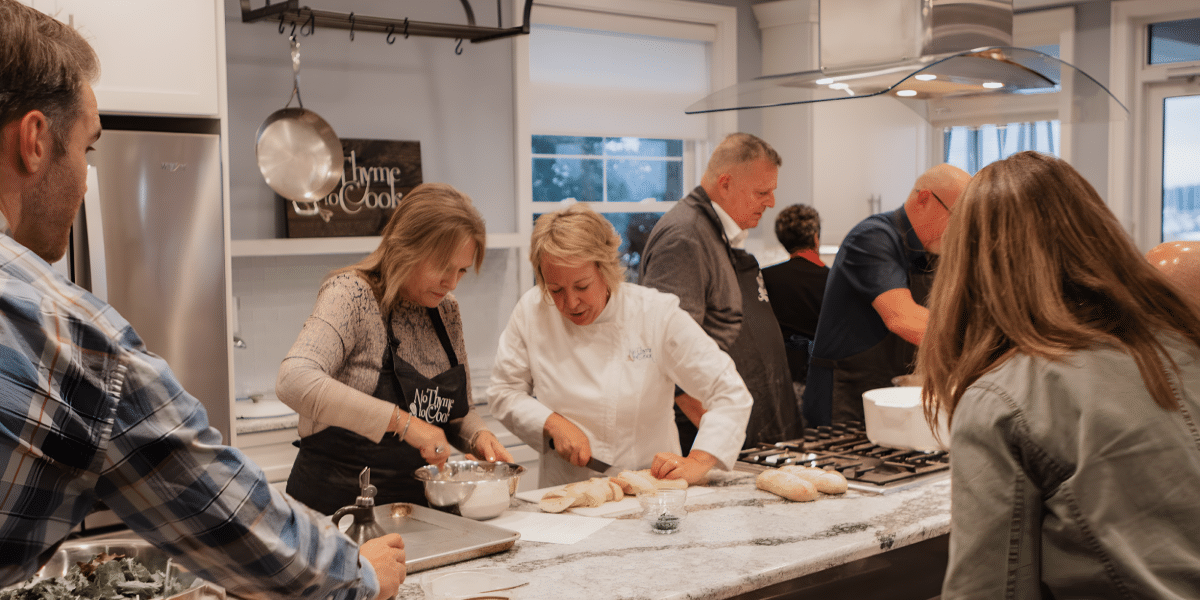
The school’s idyllic location enhances its appeal even more. Situated on the serene harbor of Solomons Island, NTTC’s space provides a panoramic view of the beautiful beach, pier, from the 3,000 square foot two-story cooking facility. The third floor Airbnb suite for overnight guests makes it a perfect retreat for extended gourmet experiences. This tranquil setting, combined with the warm, home-like atmosphere Gwyn has cultivated, ensures that visitors feel welcomed and valued. The essence of NTTC is about more than just cooking; it’s about creating memories and building community. “In every dish, every class, and every event, we at No Thyme to Cook believe that food is much more than mere sustenance – it’s a universal language that connects us all,” Gwyn emphasizes. 

The clientele, often high-profile and discerning, find NTTC a perfect escape from the hustle of the nearby Baltimore-Washington metropolitan area. Many guests, having experienced global cuisines, appreciate the opportunity to explore diverse culinary traditions close to home. NTTC’s emphasis on creating a foodie community has led to lasting friendships and repeat guests who cherish the intimate, immersive experience.

With a rich array of classes – from hands-on sessions capped at 16 guests to demonstration classes for up to 24 – NTTC provides an intimate and engaging learning environment. Their popular class, Fresh Pasta, is a testament to their ability to blend tradition with innovation, offering a series that spans everything from linguini to gluten-free gnocchi. 

Beyond regular classes, NTTC offers unique experiences like micro-weddings, rehearsal dinners, themed events, a monthly Sip & Shop festival that showcases local artisans, and an upcoming culinary tour in Iceland to enjoy the Northern Lights. Gwyn shares, “We will be on a walking food tour on this trip, exploring some amazing restaurants, to get a great sense of each place’s history, and of course, taking cooking classes.”

The school’s commitment to fostering a sense of community extends to its corporate team-building classes, where high-stress professionals can unwind and bond over cooking. The environment at NTTC is designed to be welcoming and homely, a deliberate choice to ensure guests feel comfortable and valued. “We want them to feel empowered that they can make this even when they are at home,” says Gwyn. 

This chef-d’oeuvre’s journey from aspiring food writer to chef and entrepreneur was sparked by a moment of clarity during her graduate studies. “I would cook to de-stress, and it just clicked – I wanted to do something with this heritage,” she recalls. A graduate of the Baltimore International Culinary College, Gwyn is a member of the American Culinary Federation, the International Association of Culinary Professionals, and Women Chefs & Entrepreneurs. With over 25 years of experience cooking and writing about food, Gwyn’s expertise is both deep and broad. Her cookbooks, ‘How to Cook for Beginners’ and ‘One Pot Supreme,’ reflect her commitment to making cooking accessible and enjoyable for everyone.

Originally, NTTC began as a personal chef service in 1999, evolving into a home-based cooking class business that quickly gained popularity. Today, it offers diverse unique culinary experiences, from hands-on classes and demonstrations to themed events and adventures. The school’s offerings include Chesapeake Bay Cuisine, sushi workshops, and farm-to-table dinners with an emphasis on working with local growers and producers, attracting high-profile guest chefs and a diverse clientele eager to expand their palates.

Looking ahead, NTTC is set to launch several exciting initiatives. In September, they will partner with a local hospital to start a Healthy Living Series, combining Western and Eastern health perspectives with practical cooking advice. They are also introducing an apprenticeship program registered with the state of Maryland and the American Culinary Federation, to groom the next generation of chefs. 

With No Thyme to Cook, Gwyn is not only honoring her legacy but also inspiring her guests and future chefs to appreciate the beauty and importance of healthy, freshly cooked gourmet food. 

Published by: Holy Minoza

From Corporate Climber to Consulting Star: Global PMO Partners Founder’s Remarkable Career Journey

With a career spanning over three decades, Michelle Watkins has established herself as a formidable force in the project management world. A graduate of Auburn University Harbert College of Business with a Bachelor’s in Business Administration and an MBA in Information Technology, Michelle’s professional journey began in accounting but swiftly transitioned to a dynamic career at ADP.

Michelle spent 16 years with ADP’s National accounts, where she evolved through various roles. Initially started in client services, she quickly demonstrated a knack for process optimization and system implementation. Her initiatives in streamlining processes and building tools, templates, and processes garnered her recognition, allowing her to expand her influence from regional to global scales. Michelle’s tenure at ADP was marked by her ability to transform complex processes into efficient, standardized operations, ultimately setting the stage for her future endeavors. 

In the wake of the 2008 economic downturn, Michelle transitioned to independent consulting. Her expertise was soon in high demand, working on notable projects such as the Delta-Northwest merger, which gave her invaluable experience in managing large-scale, complex integrations. Despite the challenging economic climate, her skills made her a sought-after consultant.

By 2010, Michelle decided to re-enter the corporate world, taking on a role in an IT PMO in Nashville. It was here that she embraced Agile methodologies and began using web and mobile tools to enhance project management. It was during this period that Michelle discovered Smartsheet, a tool that would become pivotal in her career. 

Introduced to the SaaS platform while working on agile projects, Michelle saw its potential for transforming project management processes. Her expertise in Smartsheet grew, and she began leveraging it to streamline and optimize project management methodologies. Michelle’s proficiency with Smartsheet earned her recognition from the company itself, leading to opportunities to expose the tool to major corporations such as Delta Air Lines and Salesforce. 

After a brief tenure at Smartsheet, where she played a key role in testing and implementing new products like Control Center, Michelle returned to independent consulting. She shares, “I was Smartsheet’s client twice. Soon, I joined Smartsheet, I was a client again, and now I’m a Partner.” Her reputation as a top-tier consultant meant that she was highly sought after by clients. At Salesforce, she played a crucial role in maturing the HR PMO and navigating the complexities of major acquisitions, such as the MuleSoft integration. Her success at Salesforce underscored her ability to deliver transformative results, solidifying her status as a coveted consultant. 

In 2014, Michelle returned to independent consulting, bringing her refined skills and deep expertise to a broader range of clients. Her reputation as a problem solver and innovator meant that she was often approached for full-time roles, although she preferred to maintain her independence and continue consulting.

Recognizing a growing demand for project management optimization services, Michelle founded the project management optimization company Global PMO Partners in January 2021. Her company focuses on optimizing clients’ project management tools, templates, processes, and delivery models, ensuring scalability, transparency, and efficiency. Under her leadership, Global PMO Partners has quickly become a trusted name in the industry, working with high-profile clients and delivering exceptional results.

From Corporate Climber to Consulting Star Global PMO Partners Founder’s Remarkable Career Journey (2)

Photo Courtesy: Michelle Watkins

Recently, Michelle Watkins successfully completed a five-month Nashville Entrepreneur InFlight program, which was hosted by the renowned Nashville Entrepreneur Center, the NEXT Awards, and Entrepreneurs’ Hall of Fame and sponsored by Amazon. 

Michelle Watkins’ journey from a fresh college graduate to the founder of a successful consulting firm is a testament to her adaptability, expertise, and visionary leadership. Her ability to foresee industry trends and leverage innovative tools has made her a valuable asset to every organization she has worked with. Today, as the head of Global PMO Partners, Michelle continues to shape the future of project management, helping companies navigate the complexities of modern business with confidence and agility.

Published by: Holy Minoza

On Faith and Innovation: Dan Carter’s Mission with Shade-It

By: Maria Williams

Pivotal events in life often unfold unexpectedly, shaping one’s perspectives and endeavors. These moments sometimes serve as catalysts for innovation and meaningful change. For those involved in product invention, these instances can stem from personal or professional challenges. Dan Carter, the inventor of Shade-It, points to a seemingly random day as the impetus behind his motivation to create a tool that can positively impact others. 

On Faith and Innovation Dan Carter’s Mission with Shade-It

Photo Courtesy: Dan Carter
Dan Carter, Inventor of Shade-It

Dan was inspired to become an inventor while delivering essential materials for concrete production as a class-A truck driver. His GPS navigation was thwarted by intense sunlight one day. This caused his phone to overheat and shut down. Frustrated and stranded, he turned to prayer for guidance. The resourceful man then improvised a solution using a cut-up potato chip bag to shield his phone from UV rays. With this, he successfully revived his device, preventing further issues. 

To address similar challenges, Dan invented Shade-It. He designed this innovative tool to protect smartphones, tablets, and laptops from glare and UV light. It also prevents accidents caused by impaired device visibility. Dan’s personal experiences, which shaped his purpose and faith, drove him to begin this venture. 

After becoming a solo parent, he had to navigate caring for his child with autism with the Lord’s help. “My son tends to throw his head forward during baths as a baby. I’m always fearful of him having an accident. So, there’s always this lingering thought about creating a protector. But instead of just preventing accidents, it can also have a feature that makes bath time enjoyable, like creating bubbles.” This instance illustrates Dan’s inherent inventive spirit and willingness to find practical solutions to primary issues while addressing related problems.

Dan has always viewed each obstacle as an opportunity to serve a higher purpose. Even after undergoing challenging divorce and custody battles, the hardworking man has maintained his resolve to be a positive influence. His faith has anchored him, strengthening him to turn adversity into opportunities for growth and innovation. 

The inventor’s journey to becoming a man of faith began after going through a near-death experience when he drowned as a child. He was saved by a stranger who performed CPR, and he sees this event as a testament to God’s presence. “You don’t have to be saved after experiencing a miracle to know that there is a God performing miracles” Dan remarks.  This encounter reinforced his faith and commitment to living a life dedicated to helping others. 

Shade-It, therefore, isn’t only a mere product to him. He developed it to improve lives, reflecting his deeply held values. “I believe there are still difference-makers in this world, and I intend to become one of them. One of the many things I learned in life is that staying positive even during hardship allows you to discover countless reasons for gratitude. If you focus on those positives, you can be a light to this world,” the faithful man shares. “I believe God will allow us to go through trials and tribulations, where through your struggles, his intervention is where he shines and can be glorified”

Now, Dan continues to draw strength from his beliefs, viewing himself as an instrument through which God can bring about significant change in the world. As he focuses his efforts on bringing Shade-It to the market, he remains guided by his faith and values, pledging to serve others and honor the Almighty’s calling in his life.

Published by: Martin De Juan

How to Create an Open-Concept Layout During a Home Renovation

Creating an open-concept layout during a home renovation can transform your space into a brighter, more connected area. Imagine a home where your kitchen, dining, and living spaces flow seamlessly together—this is the magic of open-concept design.

In this guide, we’ll walk you through easy steps to achieve this modern look. From planning and removing walls to decorating and budgeting, you’ll learn how to make your home feel more spacious and inviting. Let’s dive in and start turning your vision into reality!

Understanding the Open-Concept Layout

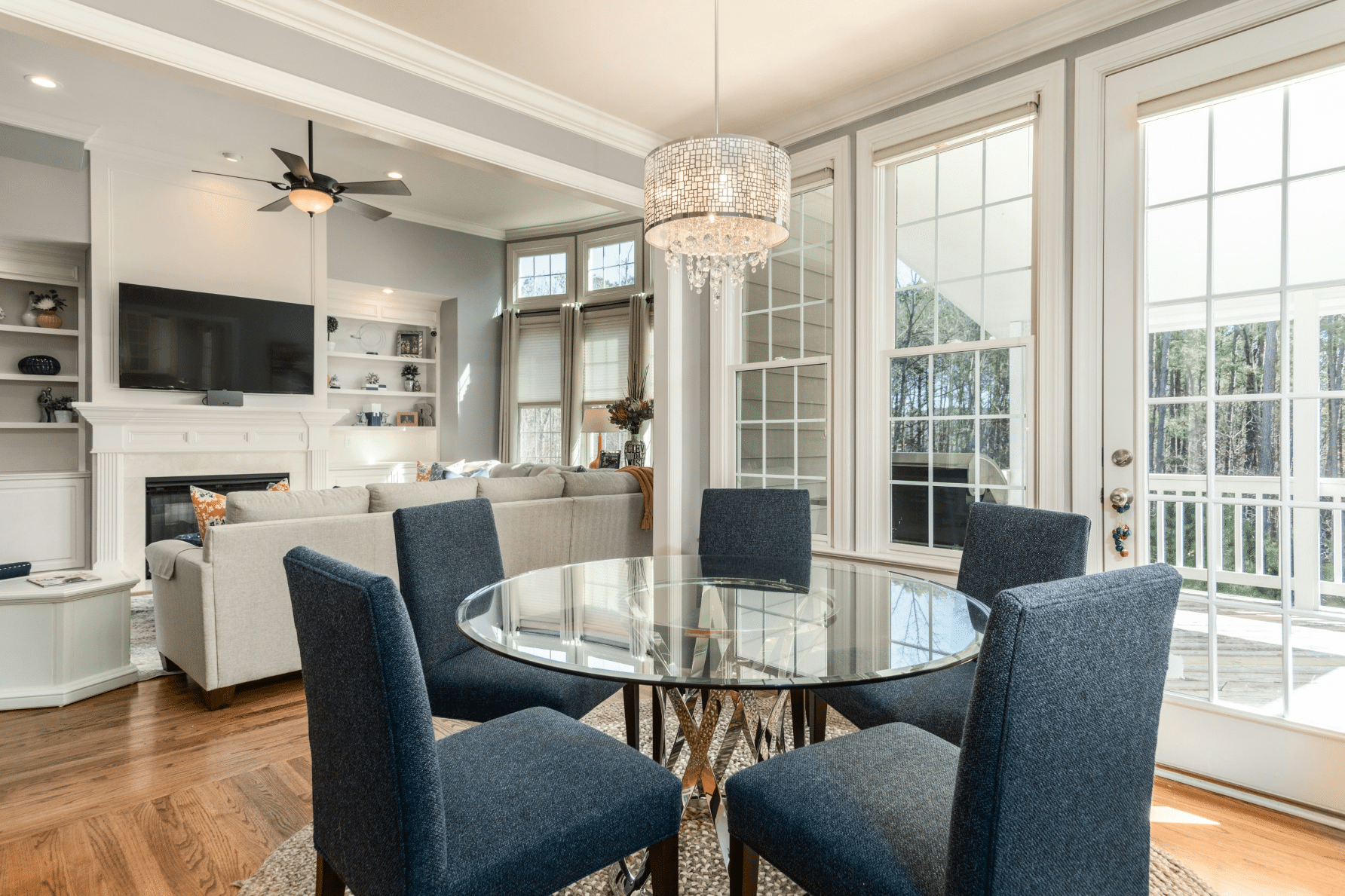
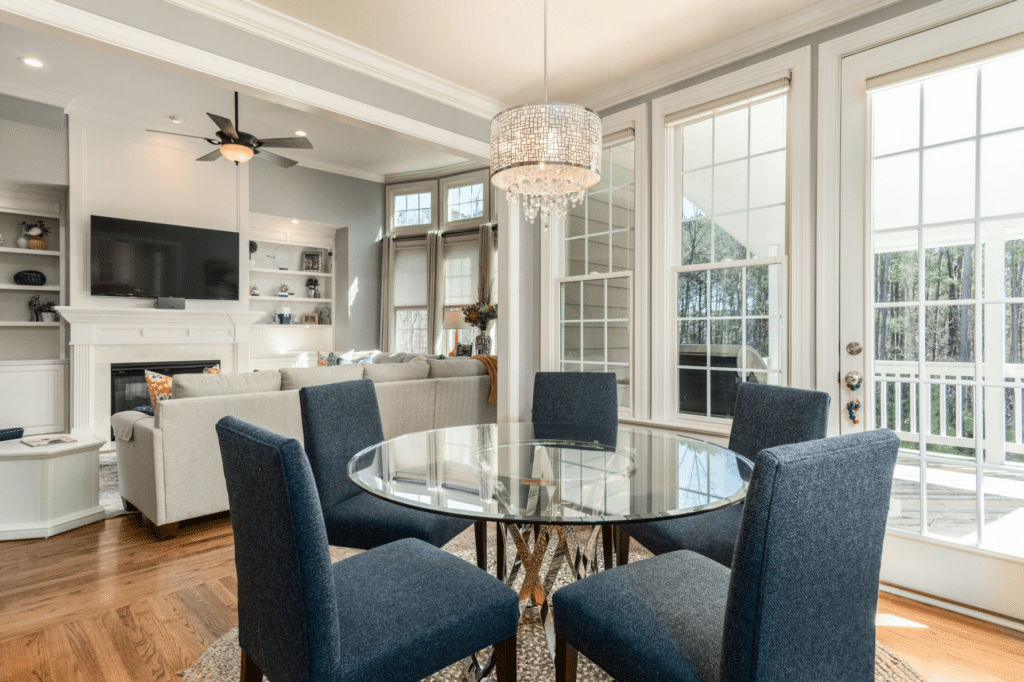
When you’re planning an open-concept layout for your home renovation, it’s crucial to understand why this design is so attractive. An open-concept layout involves removing walls to create expansive, interconnected spaces where the kitchen, dining, and living areas seamlessly flow into each other. 

For a successful transformation, exploring New York renovations can provide you with the expertise and resources needed to achieve this modern design.

What is an Open-Concept Layout?

In an open-concept home, rooms aren’t separated by traditional walls. Instead, the spaces blend together, giving you a sense of openness and freedom. Imagine walking from your kitchen straight into your living room without any barriers in between—that’s the beauty of this design. It’s perfect for families who want to stay connected and for entertaining guests since everyone can interact more easily.

Benefits of an Open-Concept Layout

One of the biggest benefits is the increased natural light. Without walls blocking the sunlight, rooms can feel brighter and more welcoming. Open-concept layouts also make spaces look larger and more fluid, which is great if you want to avoid a cramped feel. Additionally, this design encourages a sense of togetherness, whether you’re cooking dinner or lounging on the couch.

Potential Downsides

While open-concept layouts have many perks, they’re not for everyone. They can sometimes lead to more noise and less privacy, especially if you have a busy household. It’s important to weigh these factors before diving into your renovation.

Planning Your Open-Concept Layout

Planning your open-concept layout is a crucial step in your renovation journey. It’s where your ideas start to take shape and become a reality. By carefully planning, you ensure that your new layout meets your needs and maximizes the space effectively.

Assess Your Space

First, take a close look at your current space. Identify the areas you want to connect and any obstacles you might face. Think about how you use each room and how you want to change that. For example, do you want to combine your kitchen and living room for easier entertaining? Knowing exactly what you want will guide your planning process.

Define Functional Zones

An open-concept layout should still have clear zones for different activities. Decide where you want to place your cooking, dining, and living areas. Even though these areas will flow into each other, using furniture and design elements to define each space can make the layout more practical. For example, a rug can be used to mark the living area or a kitchen island as a boundary between the cooking and dining spaces.

Consult Professionals

Depending on the scale of your renovation, you might need expert advice. Architects and designers can help make sure your plans are both stylish and practical. They’ll also ensure that any structural changes are safe and up to code.
How to Create an Open-Concept Layout During a Home Renovation

Photo: Unsplash.com

Removing Walls and Structural Changes

Removing walls and making structural changes is a big step in creating your open-concept layout. This process involves more than just knocking down barriers; it requires careful planning to ensure your space remains safe and functional.

Wall Removal

To start, you’ll need to identify which walls you can remove. Not all walls can be taken out without affecting the building’s stability. It’s important to figure out which ones are load-bearing, meaning they support the weight of the house. Removing a load-bearing wall requires special support, such as beams, to keep everything stable. This is where professional help becomes crucial. A contractor or structural engineer can assess your home and provide the right solutions.

Alternative Solutions

If removing a wall isn’t an option, consider alternatives like creating openings or installing glass partitions. These solutions can still open up your space while maintaining some separation. For instance, a large arch or a glass wall can provide a sense of openness without the complete removal of a wall.

Permits and Regulations

Before starting any demolition work, make sure you have the necessary permits. Local building codes and regulations ensure that the changes you make are safe and legal. Your contractor can help with this process and ensure that all the work complies with local standards.

Enhancing the Open Concept

Enhancing the open-concept layout is all about making the most of your new, spacious design. Now that you’ve removed walls and created an open flow, it’s time to focus on how to make the space both beautiful and functional.

Lighting Up the Space

Good lighting can make a huge difference in an open-concept layout. Since there are fewer walls to block natural light, you should take advantage of it. Maximize natural light by using sheer curtains or blinds that let in sunlight. For artificial lighting, use a mix of ceiling lights, floor lamps, and table lamps to create a warm, inviting atmosphere. Layering different types of light helps to brighten up the entire space and set the right mood.

Smart Furniture Arrangement

Arranging your furniture wisely can define different areas within the open space without needing walls. Use furniture to create zones, like a sofa to mark the living area or a dining table for the eating space. Rugs can also help to visually separate different sections while keeping the space open and airy.

Color and Design

Color plays a big role in tying the open space together. Choose a cohesive color scheme that flows throughout the areas to make the space feel unified. Use accent pieces like cushions, artwork, or decorative items to add personality and make each area distinct while keeping a harmonious look.

Practical Considerations

When creating an open-concept layout, practical considerations are key to making sure your new space is both beautiful and functional. It’s not just about looks—think about how your open space will work for everyday living.

Smart Storage Solutions

One of the challenges of an open-concept layout is finding enough storage without cluttering the space. Built-in shelves and cabinets are a great way to keep things organized and out of sight. Consider multi-functional furniture, like ottomans with hidden storage or a dining table with built-in drawers. This way, you keep your space tidy while still having easy access to your essentials.

Managing Noise

An open-concept layout can sometimes mean more noise, especially if you have a busy household. To manage sound, think about adding soft furnishings like rugs, curtains, and cushions. These materials can help absorb sound and make your space quieter. Acoustic panels are another option if you want to tackle noise more directly. They come in various designs and can blend into your decor while improving sound quality.

Budgeting and Cost Estimates

Budgeting and cost estimates are crucial when planning an open-concept layout. Knowing your budget and understanding the costs involved will help you avoid surprises and make the renovation process smoother.

Key Cost Factors

First, consider the main costs involved. Removing walls and making structural changes can be expensive, especially if you need to reinforce support beams. You’ll also need to budget for new flooring, paint, and possibly updated lighting fixtures. Don’t forget to include the cost of any professional help you might need, such as contractors or structural engineers. They can provide accurate estimates and ensure that the work is done correctly.

Saving Tips

To keep your renovation on a budget, look for ways to save. Sometimes, doing some of the work yourself can cut costs. For example, you might handle painting or simple tasks while leaving the more complex work to professionals. Shopping for materials on sale or choosing budget-friendly options can also help. Consider using online resources to compare prices and find good deals.

How to Create an Open-Concept Layout During a Home Renovation

Photo: Unsplash.com

Finalizing Your Open-Concept Design

Finalizing your open-concept design is the exciting step where your vision comes together, and your space becomes truly yours. This is where you add those finishing touches that make the layout uniquely functional and stylish.

Adding Finishing Touches

Once the major work is done, focus on decorating and adding details. Choose furniture and decor that complement the open-concept layout and reflect your personal style. Think about adding area rugs to define different zones and artwork to create visual interest. Don’t forget to incorporate your favorite accessories, like cushions and plants, to bring warmth and character to the space.

Maintaining and Adjusting

After the renovation is complete, it’s important to maintain your new layout. Keep an eye on how the space functions and make adjustments as needed. For instance, you might find that adding a few more storage solutions or adjusting the lighting improves the flow and usability of your open-concept design.

Evaluating Your Space

Take some time to evaluate how well your open-concept design meets your needs. Are there any changes you’d like to make? Your feedback will help you decide if any tweaks are necessary to perfect the space.

Conclusion

Transforming your home with an open-concept layout is exciting and achievable with the right approach. By following these simple steps, you’ll create a stylish and functional space that enhances your daily living.

Don’t let the idea of renovation overwhelm you—embrace the change and enjoy the benefits of a more open and connected home. Ready to start? Your dream space is just a renovation away!


Published By: Aize Perez

Discovery Clinical Trials Fosters a Unique Culture of Positivity and Collaboration in Drug Development

A collaborative mindset is crucial in drug development, as it champions a united approach to positively impacting stakeholders while advancing the sector. Discovery Clinical Trials, a Texas-based research organization, stands out for its distinctive organizational and growth-oriented culture. Its team views itself as part of a broader effort to bring new therapies to the market, benefiting patients, physicians, and the healthcare industry as a whole. This inclusive and supportive atmosphere creates a trifecta win in the field, catalyzing growth and innovation.

Discovery Clinical Trials Fosters a Unique Culture of Positivity and Collaboration in Drug Development (2)

Photo Courtesy: Discovery Clinical Trials

Discovery Clinical Trials is known for its mission to advance the science of medicine by serving one patient at a time. Every aspect of its work reflects this commitment to a growth-oriented mindset, and the same goes for its leadership style that shaped the company’s culture.

CEO Trudy Madan has molded this leadership approach. She emphasizes finding solutions collaboratively to cultivate an environment where one meets challenges with a proactive mindset. Madan’s guidance revolves around inclusivity and solution orientation. This top-down approach ensures the entire organization adopts a problem-solving mentality instead of a problem-focused one. Employees are encouraged to carry this approach while promoting the core values of the company.

“We’re building a culture centered on gratitude and upliftment. We celebrate small wins and openly discuss areas needing improvement. If you see something, say something,” the CEO remarks. 

This approach creates a deeper connection among team members, which is essential for success. Research supports this, highlighting that one’s reference group can significantly impact success. “The team at Discovery Clinical Trials functions as a positive reference group. We elevate each other’s performance and create a supportive environment,” Madan adds. This culture permeates every aspect of the organization. It positively impacts internal operations, as well as interactions with patients, physicians, and pharmaceutical partners.

“Changing one person’s life can impact the world.,” states Madan. “If I inspire ten people, they can each inspire others. The key is paying it forward without expecting something in return. Imagine pouring water into someone else’s glass, and they, in turn, pour into others. This continuous cycle is how real change happens.”

The company’s logo itself embodies this unique culture. Created collaboratively by employees, it features a star representing the values of empathy, flexibility, communication, growth, and a positive attitude, with integrity at the center. Essentially, Discovery Clinical Trials builds a culture of trust and unity in an industry where distrust is rampant. It contributes to healthcare’s growth and advancement by encouraging this shift from a culture of distrust to one of trust and collaboration. 

It’s also significant to note that the company recognizes that without good health, all other aspirations become secondary. This philosophy instills a sense of humility among the team, which highlights the importance of their work. “The research we conduct helps bring new drugs to the market, impacting thousands of lives over the years. This is generational wellness—health is the new wealth,” the CEO emphasizes.

Discovery Clinical Trials’ culture of positivity, gratitude, collaboration, and continuous improvement distinguishes the company in the drug development sector. Ultimately creating the trifecta win amongst the patients, the physicians, and the pharmaceutical companies in bringing new life-changing innovations into the market. 

Published by: Holy Minoza

Preventative Healthcare Empowers Women to Be Healthier in Their Senior Years, Says Scofield Insurance Consulting

By: Maria Williams

Women have always been disadvantaged in the field of medical science, with most medical trials and standards being based on men. Worldwide, there is also a massive women’s health gap, with women spending 25% more of their lives in debilitating health than men. Several chronic conditions, such as rheumatoid arthritis, migraines, and osteoporosis, more commonly affect women.

Furthermore, due to societal gender norms, women are often looked at as the primary caregivers in the household. Due to men’s shorter life expectancies, women more often end up living alone in their senior years, managing their chronic conditions by themselves.

While some chronic conditions are genetic, many can be avoided or lessened by proper lifestyle choices, such as eating a balanced diet, being physically active, and avoiding tobacco use. According to Elena Scofield, Founder and President of Scofield Insurance Consulting, preventative healthcare pays dividends later in life, especially for women, which is why she has made it a major aspect of her business, which specializes in meeting the insurance needs of older adults. 

Preventative Healthcare Empowers Women to Be Healthier in Their Senior Years, Says Scofield Insurance Consulting_2

Photo Courtesy: Elena Scofield

“Most health insurance plans, including Medicare Advantage plans and some Medicare supplement plans, cover various preventive services and they cost nothing to the client,” Scofield says. “I encourage my clients to have their annual routine physical checkups. For women, this includes mammograms and pelvic exams, which will help in the early detection and treatment of breast and reproductive system cancers, among other conditions.”

Another important benefit of many health insurance plans is coverage for exercise programs, such as gym and senior center memberships. Many fitness centers have swimming pools, which are great for seniors with arthritis because they can exercise without putting too much strain on their joints. According to Scofield, a sedentary lifestyle is a major problem among American seniors, which is a risk factor for many chronic diseases. On the other hand, regular physical activity can help delay, prevent, or manage these costly and debilitating conditions. Scofield says it’s important for seniors to remain physically active, as long as they have proper guidance from a health professional to avoid getting injured. 

“I do yoga and pilates every morning, and I encourage my clients, whether female or male, to do the same,” she says. “It may be hard to do at first, but it’s important to set a goal for yourself. For example, you can start walking 10 minutes a day today and, after a week, increase it to 20 minutes. Before you know it, you can meet the CDC’s recommendation of 150 minutes of moderate-intensity activity per week.”

Aside from their physical health, seniors also need to pay attention to their mental health. Scofield witnessed this during the COVID pandemic, where many seniors became isolated and suffered from worsened mental health. Aside from encouraging physical activity and social interaction, Scofield informs her clients about the various mental health services covered by their insurance plans, as well as refers them to trusted practitioners she has come to know across her over 25 years in the insurance industry. She says that preventative healthcare is a win-win solution for both clients and insurance providers, with the latter interested in keeping their members healthy for as long as possible, without having to pay for costly medical interventions.

“I treat my clients like extended family members, and I want the best for them,” Scofield says. “Several ladies have reached out to me because, unfortunately, they didn’t have family with them. They were widowed, and their children were living out of state. They’re homebound, sad, and lonely. I encouraged them to go to the senior citizens center, take up an exercise or dance class – anything to get them exercising and socializing, as it helps both their physical and mental health.”

Constantly looking out for the best interests of her clients, Scofield is passionate about calling for changes in the prescription drug system. With the price of medications in the US skyrocketing, many of her clients are unable to keep up with the expense, and some are forced to split pills or even stop taking the medication altogether. 

“I believe regulations must be put in place to lower the cost of medicines, because they are much more expensive here in the US, compared to Canada. Lowering the prices of medicines also lowers the cost of Medicare supplement plans, allowing more people to afford quality healthcare into their senior years. This also demonstrates why preventative healthcare is important, so people don’t need to be subjected to the incredible financial drain of chronic disease medications.”

Published by: Martin De Juan