How E-commerce Development Companies Help Optimize Checkout for Higher Conversions

A smooth checkout process can often influence whether a visitor completes a purchase or abandons the cart. Many businesses face challenges in this area, but e-commerce development companies specialize in addressing the barriers that cause hesitation. They work to enhance conversions by simplifying checkout flows, offering flexible payment options, and building trust through secure and user-friendly design.

These companies do more than just adjust layouts or shorten forms. They study customer behavior, identify potential points of friction, and apply strategies that have been effective in guiding shoppers toward completing their purchases. As a result, businesses may experience fewer abandoned carts and, in many cases, more consistent sales growth.

Beyond basic improvements, development teams may also introduce advanced features such as mobile-first checkout, guest account options, and smart integrations with digital wallets. Each adjustment aims to create a smoother path to purchase, equipping businesses with the tools they need to compete in a crowded online marketplace.

Key Strategies E-commerce Development Companies Use to Optimize Checkout

E-commerce development companies focus on reducing checkout friction, making payments more convenient, and building customer trust. Their strategies address the main reasons shoppers abandon carts, including complicated forms, limited payment options, and security concerns.

Simplifying the Checkout Process for Fewer Abandonments

A long or confusing checkout often drives shoppers away. Development teams work to shorten the path to purchase by removing unnecessary steps and fields. For example, instead of asking for repeated information, they design forms that auto-fill details or allow quick edits.

They also use a single-page checkout layout to reduce clicks. This approach aims to keep the process clear and direct, which can lower abandonment rates. Progress indicators guide customers through each step, helping them understand how close they are to completing the order.

Clear calls-to-action, minimal distractions, and a simple cart summary further reduce hesitation. Businesses that collaborate with specialists listed in an e-commerce development companies’ review often experience faster checkouts and potentially higher conversions due to these streamlined designs.

Enabling Guest Checkout and Streamlined Account Creation

Forcing account creation before purchase can discourage buyers. To avoid this, development companies may set up guest checkout options, allowing customers to complete transactions without registration. This approach removes a common barrier and makes the checkout feel more welcoming.

At the same time, they make account creation simple for those who prefer it. Instead of long forms, they may offer one-click registration using email or social logins. Customers can also be invited to create an account after purchase, which may feel less intrusive.

By balancing guest checkout with easy account setup, businesses keep the process flexible. This strategy has been shown to increase completed orders while still giving customers the option to save details for future purchases.

Integrating Multiple Payment Methods and Digital Wallets

Shoppers typically prefer to pay in the way that suits them ideally. Development companies integrate a wide range of payment options, from traditional credit cards to newer choices like PayPal, Apple Pay, and Google Pay. Offering digital wallets can speed up checkout and help reduce typing errors.

For international sales, support for multiple currencies and local payment methods is often necessary. Customers are more likely to complete purchases if they see familiar and convenient payment options.

Additionally, developers may add one-click payment features for returning customers. This level of convenience can help reduce cart abandonment and encourage repeat business.

Improving Trust with Security Badges and SSL Certificates

Security plays a significant role in whether a customer completes a purchase. Development companies help protect checkout pages with SSL certificates to encrypt data. This visible layer of security reassures buyers that their payment details are safe.

They may also display trust badges from recognized providers. These symbols act as signals that the website takes security seriously. Customers often look for these trust signals before entering credit card information.

In addition, clear privacy policies, return information, and customer support links further build confidence. By combining technical safeguards with visible trust signals, businesses can reduce hesitation and increase completed transactions.

Advanced Techniques for Maximizing Checkout Conversions

Improving checkout performance often requires attention to user experience, trust signals, and ongoing optimization. Businesses that apply structured testing, mobile design principles, and clear customer support typically see higher completion rates and improved customer satisfaction.

Optimizing for Mobile and Responsive Design

A large share of online purchases now occurs on mobile devices, so checkout design must adapt smoothly to different screen sizes. Responsive design ensures forms, buttons, and progress indicators remain easy to use on both small and large displays.

Fast load times are also essential. Compressing images, reducing unnecessary scripts, and simplifying layouts can help reduce delays that often lead to cart abandonment. A progress bar or step indicator can guide users through checkout and reduce confusion.

Clear, large input fields and mobile-friendly payment methods such as digital wallets improve checkout UX. By focusing on mobile usability, businesses can reduce friction and encourage more visitors to finish their purchases.

Implementing A/B Testing and Continuous Improvement

A/B testing allows businesses to compare two versions of a checkout element, such as button placement, progress indicators, or the layout of a single-page checkout. Results reveal which version may lead to higher conversion rates.

Testing should not stop after one experiment. Continuous improvement means tracking performance data, identifying weak points, and updating the design regularly. For example, testing different error message styles can show which format helps customers correct mistakes more quickly.

Exit-intent popups can also be tested to determine whether they help reduce cart abandonment rates by offering a discount or reminding users of free shipping. Over time, these small adjustments can potentially raise conversion rates and average order values.

Leveraging Psychological Triggers and Social Proof

Psychological triggers can influence how customers make purchase decisions. Limited-time offers, free shipping thresholds, or highlighting low stock levels can encourage users to complete checkout faster.

Social proof also plays a strong role. Displaying customer reviews, ratings, or testimonials near the payment section can help build trust. Even small signals, such as showing how many people purchased the same product recently, can reduce hesitation.

Cross-selling during checkout should be subtle. Offering one or two relevant add-ons may increase average order value without distracting customers from completing payment. The key is to use these triggers carefully so they support conversions rather than overwhelm the buyer.

Supporting Customers with Live Chat and Clear Return Policies

Customers may abandon checkout if they feel uncertain about a purchase. Live chat support provides an immediate way to answer questions about shipping, payment options, or product details. A visible chat button placed on the checkout page may reduce frustration and help keep users from leaving.

Clear return policies also build trust. Displaying a short summary of return terms during checkout reassures buyers that they can shop with confidence. This transparency can increase customer satisfaction and lower hesitation at the final step.

Together, live chat and straightforward return information can reduce barriers that often lead to abandoned carts, contributing to smoother checkout experiences and higher conversions.

Summary

E-commerce development companies help businesses improve checkout by removing friction and creating a smoother path to purchase. They simplify forms, reduce extra steps, and make payment options more accessible.

They also focus on mobile-friendly design, guest checkout, and visible trust signals, which can directly reduce cart abandonment. Each adjustment supports a faster and more confident buying process.

As a result, businesses may experience higher conversion rates, stronger customer satisfaction, and more completed sales. By refining checkout flow, they can turn more visitors into paying customers.


Disclaimer: The information provided in this article is for general informational purposes only. Results from e-commerce optimization strategies can vary depending on individual business circumstances and other factors. There is no guarantee that applying these strategies will result in higher conversions for all businesses.
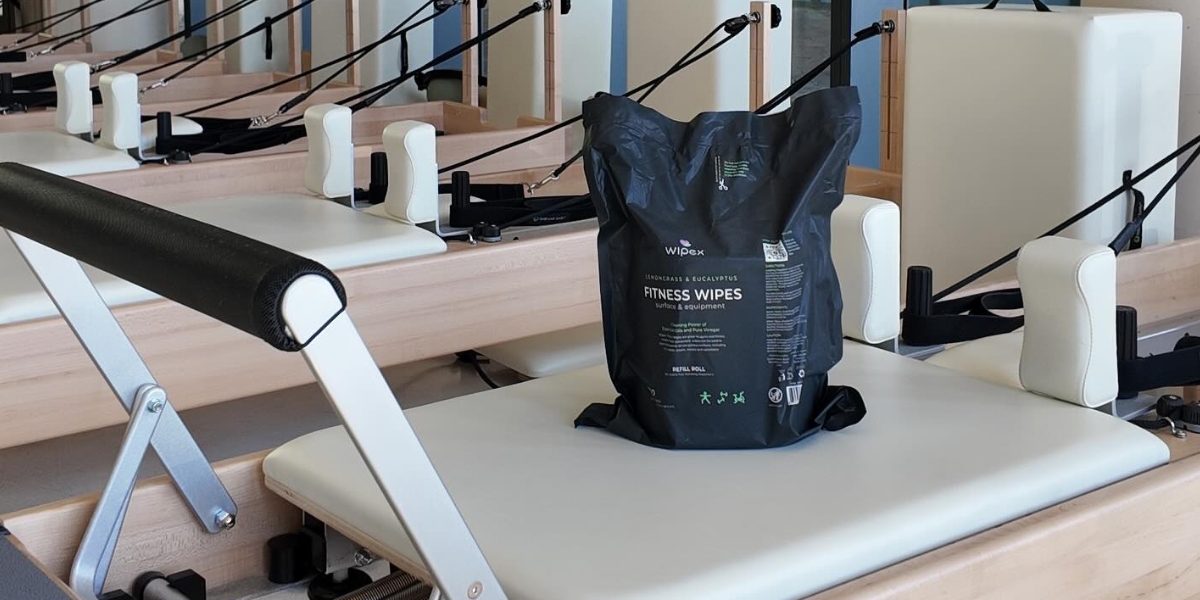
Wipex Gym Wipes and Dispensers Help Elevate New York Hygiene

By: Samantha Rivera

In the bustling world of New York City fitness, where every square foot is premium and every detail is a touchpoint for client experience, facility hygiene is no longer just a box for gym owners to check—it’s a signature feature of brand identity. As health-savvy New Yorkers increasingly demand more from their memberships than basic cleanliness, the tools used to maintain the sanctity of a squat rack can be just as important as the racks themselves. Enter Wipex: the brand quietly reinventing gym cleanliness with natural gym wipes and dispensers, blending eco-conscious innovation with the sleek aesthetics demanded by Manhattan’s most discerning wellness spaces.

From the technicolor lights of boutique studios in Midtown to the minimalist calm of SoHo yoga sanctuaries, gyms across the city face a challenging task. They must uphold rigorous hygiene and meet the growing expectation for sustainable, planet-friendly practices—without sacrificing style or convenience. Wipex rises to this challenge, offering a line of plant-based, compostable wipes and thoughtfully designed dispensers that align with the operational flow and visual elegance expected by health-forward New Yorkers. For gym managers seeking quality and professionalism, these products are more than functional—they may also reinforce their pledge to both members’ well-being and environmental stewardship.

Wipex’s Natural Fitness Equipment Wipes have been crafted with a distinctly urban audience in mind. Made entirely from plant-based viscose cloth, these biodegradable wipes deliver robust cleaning power without introducing unnecessary chemicals or plastics into the fitness ecosystem. By harnessing the power of white vinegar and naturally scented essential oils, the wipes effectively tackle the city’s toughest sweat and grime, yet remain gentle on sensitive surfaces. Luxury studios housing state-of-the-art equipment—from cork-floored Pilates rooms to high-traffic spin classrooms—may trust these wipes to handle upholstery, rubber, and other materials without risk of corrosion or fading. It’s this careful balance of efficacy and gentleness that has helped elevate Wipex to a respected choice among the city’s premier gyms.

Feedback from the field frequently returns to the wipes’ practical excellence. Many facility owners report that their switches to Wipex are swiftly noticed by members, who appreciate both the fresh scent and the soft yet sturdy wipe material. These are more than just tools to clean a bench or yoga mat—they are another demonstration of the facility’s values and its attention to the details that build long-term loyalty. In an industry where first impressions are made with the swipe of a wipe, making the right choice can be essential.

But Wipex doesn’t stop at what’s inside the packet. The brand’s commitment to design shines through its line of stainless steel dispensers—fixtures that combine efficiency and sophistication. The Premium Matte Floor Dispenser is engineered from smudge-resistant steel, refined to meld seamlessly into contemporary fitness environments without drawing undue attention. A seven-gallon waste bin ensures fewer interruptions for maintenance teams, while a silicone dispensing port helps eliminate the frustration of clogs and wasted wipes. Compatible with a wide range of roll sizes, including the generous 700-count bulk refill, these dispensers are ideal for high-traffic Manhattan gyms where seamless operations are crucial.

Wipex Gym Wipes and Dispensers Help Elevate New York Hygiene

Photo Courtesy: Wipex

Recognizing that not all New York studios can spare the space for a large floor unit, Wipex also offers a chic wall-mounted option in a modern matte black finish. This iteration preserves precious floor area and complements any décor, all while maintaining easy compatibility with Wipex refills and most competitor brands—a thoughtful nod to operators looking for supply chain flexibility. In facilities where both look and logistics matter, such adaptive design can make a difference.

For boutique environments and personal training spaces, portability often takes precedence. Here, the canister option steps in—a compact, convenient solution for on-the-go needs or for strategic placement within individual workout zones. Each canister comes loaded with wipes constructed from biodegradable natural fibers and infused with uplifting essential oils like lavender, providing both peace of mind and ease of use. These canisters perform well in smaller environments where convenience must meet performance head-on, and sustainability is never compromised.

Operational considerations loom large for facility owners pressured to do more with less. Wipex addresses this with bulk roll refills and a thoughtful design that helps reduce refill frequency and lets staff focus on member service, not constant stocking duties. Fewer supply runs, combined with long-lasting rolls, can help keep day-to-day disruptions to a minimum—an operational boon that busy New York managers value. And, by prioritizing plant-based ingredients and recycled packaging materials, Wipex ensures every cleaning moment is also a moment of environmental mindfulness.

Visual flourish is just as critical in an image-driven city. The minimalist, polished finish of Wipex dispensers can elevate any lobby or studio floor, helping create a cohesive, upscale atmosphere. Clients notice these things—clean lines, purposeful presentation, a clear commitment to sustainability. Small touches like these often become talking points that differentiate a studio in New York’s crowded wellness market.

For today’s urban wellness brands, sustainability is not just a trend—it’s becoming the new baseline. Members want to know that their routines are not harming the city or the planet. With features like dispensers made from recycled plastics and wipes that leave no trace beyond freshness, Wipex echoes that commitment in every aspect of its design. This eco-conscious credibility is something members are increasingly seeking and, in some cases, expecting. Operators who lean into these values may send an unmistakable signal: we value your health and the city’s future equally.

Perhaps most telling of Wipex’s impact is the testimonial chorus from facility managers and instructors whose daily challenges run the gamut from member satisfaction to merchandise management. Over and over, they cite Wipex’s dependable cleaning, easy integration, and that intangible sense of having “made it” to a higher standard of care. “Best I’ve used—practical, effective, and our members comment on the difference,” noted one long-time gym owner. High praise in a city that is known for giving few compliments lightly.

As the competition for wellness dollars intensifies, New York’s most forward-thinking fitness facilities will be won by brands that deliver genuine cleanliness, stunning presentation, and unwavering eco-commitment. In this energetic, exacting marketplace, Wipex positions itself as not just a vendor, but a true partner—one that understands the rhythm and requirements of the city’s gyms, and meets them with polish, adaptability, and purpose.

In a place where details define reputation and values guide loyalty, Wipex sets an aspirational gold standard. For fitness spaces seeking to lead, not follow, these are the tools that can turn hygiene into an everyday point of pride—one wipe, one satisfied member, and one greener city at a time.

6 Benefits Urine Drug Screening Kits Provide for Workplaces

Ensuring the safety and productivity of the workplace is a high priority for many employers in various sectors. Drug testing is a key feature in the pursuit of this objective, with urine being one of the widely used test specimens. To understand why they are valuable, here are six considerations that can help you appreciate their role in the workplace.

1. Accurate and Reliable Results

Accuracy is a requirement for any testing model. With the availability of urine test kits, they are generally effective at detecting drug use consistently, and they provide reliable results. By doing so, you help ensure that the outcomes are trustworthy and that the decisions made based on them are well-informed.

Additionally, fewer misunderstandings arise when there is confidence in the results. Knowing that the information is accurate and dependable allows employers to move forward with confidence. Creating a workplace that is both safe and equitable is an important component.

2. Convenient Testing on Site

One of the notable advantages of urine drug testing is its convenience. It is not necessary to send employees to labs off-site because these tests are simple to use at work, eliminating the need for such arrangements. This saves time and minimizes disruptions to routine processes.

For companies using urine drug screening kits, the testing process has become less of a hassle. Even employees find it simple and non-invasive. With rapid, on-site testing, work can proceed smoothly without unnecessary delays.

3. Cost-Effective for Employers

For businesses, cost is always a consideration, and urine drug testing offers good value. These kits are relatively affordable when purchased in bulk, enabling companies to maintain regular testing programs without incurring excessive costs.

Avoiding expensive lab testing is also a practical money-saving strategy for businesses in the long term. Urine screening is reasonably priced, making it accessible for employers of various sizes.

4. Promotes Safer Work Environments

Workplace accidents are not only costly but also take a significant toll on human life. Drug testing can help prevent such incidents by identifying areas of concern before they escalate into harm. Employees can address the problem early and take corrective actions using urine kits.

Moreover, trust plays a key role. This means employees may feel confident in their coworkers’ ability to perform their duties without the concern of incidents recurring through urinalysis. It is a positive outcome for all.

5. Supports Compliance with Regulations

In industries such as mining, transport, and healthcare, routine drug testing is often not a matter of employer policy but a legal obligation. In these cases, employee urine test kits can also be valuable, as they help companies ensure employees undergo drug tests without violating existing laws.

Compliance helps reduce liability and potential fines for organizations. At the same time, companies can maintain adherence to industry standard practices and the required levels of worker protection.

6. Encourages Responsible Behaviour

The fact that there are routine tests often discourages risky behavior. Workers are less likely to engage in substance use if they know it may impact their employment. So, testing urine is both a preventive and preservative measure.

This culture of testing fosters professionalism in the workplace, leading to stronger teams and better overall performance in the long run. Fostering responsibility is good for business and beneficial for people.

Practical and Effective Workplace Safety

Urine test kits for drugs provide a balanced compromise between precision, cost, and ease. Employers should see them as an essential tool to keep workplaces safe, comply with the law, and foster a culture of trust.


Disclaimer: The information provided in this article is for general informational purposes only and should not be considered as legal or professional advice. Employers should consult with legal or industry-specific experts to ensure compliance with relevant laws and regulations regarding drug testing in the workplace. The effectiveness and application of urine drug screening kits may vary based on the specific needs and policies of each workplace.

Michael Kodari: Visionary CEO of KOSEC

Michael Kodari has long been recognized as one of Australia’s most dynamic leaders, admired for his vision, innovation, and global influence. As the founder and Chief Executive Officer of KOSEC, he has built a career that reflects entrepreneurial boldness and a strong commitment to excellence. His journey, marked by early accomplishments and international recognition, highlights the qualities of a modern leader whose influence extends well beyond the boardroom.

Early Recognition and Media Presence

Kodari’s rise began at a young age. At just 25, he became the youngest expert panelist on the Sky Business Channel, where his commentary was well-received by audiences and achieved record-high ratings. His ability to engage viewers with clarity and conviction quickly set him apart, establishing him as a trusted voice in business discussions. This early media success was more than a personal milestone—it positioned him as a thought leader with the rare ability to bridge professional expertise and public communication.

International recognition soon followed. For Kodari, such recognition was indicative of more than individual achievement; it underscored his growing influence as a leader capable of shaping conversations at both national and international levels.

Leadership and Vision at KOSEC

As CEO, Michael Kodari has worked to cultivate KOSEC into a space where innovation and talent converge. His leadership philosophy emphasizes fostering a culture of excellence, attracting some of the industry’s brightest minds, and encouraging collaboration to tackle complex challenges. This approach has contributed to KOSEC remaining at the forefront of new ideas and fresh thinking, being defined not only by its performance but also by the culture of ambition and creativity within its walls.

Kodari’s leadership style is often described as visionary yet practical. He combines long-term foresight with the ability to inspire teams toward immediate action. This balance of strategic vision and day-to-day execution has become a key strength, enabling him to guide KOSEC through challenges and opportunities alike.

A Global Thought Leader

Beyond corporate leadership, Michael Kodari has established himself as an influential figure on the international stage. His insights have been sought by governments and institutions worldwide, a reflection of his ability to provide perspective on issues of innovation, entrepreneurship, and global collaboration.

One of the most notable milestones in his career was his invitation to participate in “Inside China’s Future,” a landmark event hosted in Australia and honored by the Chinese government. Kodari’s role alongside global financier George Soros helped underscore his influence and reputation. He was one of only two financiers chosen to provide input on key economic issues, highlighting the extraordinary regard in which he is generally viewed internationally.

In 2019, his thought leadership was once again on display when he served as an expert panelist at Parliament House during the Australia-China Innovation & Entrepreneurship Forum. Organized by AUSTRAC in collaboration with the Chinese government, the event showcased Kodari’s ability to contribute meaningfully to discussions that extend far beyond business, influencing policy and innovation dialogues at the highest level.

Philanthropy and Broader Impact

Michael Kodari’s legacy is not confined to corporate or government forums. Known also for his philanthropic commitments, he has consistently supported initiatives that advance education, empower communities, and create opportunities for the next generation. For him, leadership is inseparable from responsibility—a belief that success should be shared and leveraged to create meaningful impact in society.

His philanthropic vision mirrors his leadership approach: bold, purposeful, and deeply human. Whether through public speaking, mentoring, or direct support, Kodari’s influence extends into areas that foster long-term social and community growth.

Continuing the Journey

Today, Michael Kodari remains focused on leading KOSEC into the future while continuing to expand his role as a respected global voice. His journey reflects the hallmarks of true leadership: the courage to innovate, the foresight to anticipate change, and the humility to give back.

From early recognition as a rising voice in the business world to his status as a globally respected leader, Michael Kodari exemplifies what it means to lead with vision and impact. His story serves as both an inspiration and a reminder that leadership, at its core, is about more than achievement—it is about creating a legacy of integrity, innovation, and service.

For more about Michael Kodari’s work and achievements, visit michaelkodari.com.

Meet Sophie & Captain A Friendship Full of Wonder

By: Lorraine L. Davis

Every great adventure begins quietly—with a spark of imagination, a whisper of courage, and a bond waiting to be discovered. This tender beginning sets the stage for a new children’s story that enchants young readers and touches the hearts of parents and educators alike.

At its core, this story is more than just a journey across pages—it’s a celebration of wonder, friendship, and self-discovery. Each chapter unfolds with warmth and purpose, teaching gentle lessons about kindness, bravery, and the beauty of curiosity. The author’s heartfelt storytelling invites children to see the world through eyes full of hope, encouraging them to dream boldly while staying true to themselves.

What makes this book stand apart is its ability to blend meaningful values with joyful storytelling. It doesn’t preach; it inspires. Every moment feels alive with emotion—whether it’s laughter shared between friends, the thrill of a new discovery, or the quiet courage found in doing what’s right. This isn’t just a book—it’s an immersive experience that nurtures imagination and reminds us all that the greatest adventures often begin with something small: a story whispered from the heart.

Sophie: A Dreamer with Courage

Enter Sophie, a curious child with wide eyes and a heart open to wonder. She’s thoughtful, hopeful, sometimes a little unsure, but always willing to imagine what might be waiting on the other side of fear. Children will see themselves in Sophie. Her small hesitations, bursts of bravery, and ability to believe in the impossible make her deeply relatable for young readers who are learning to discover their own courage.

Captain: A Steady Friend

Then there’s Captain, the horse who is much more than just a companion. He’s steady, calm, and full of quiet strength. To Sophie, Captain is not only a friend but also a symbol of trust. He becomes the gentle nudge she needs to take her first steps into something bigger. Through Captain, children learn about loyalty, patience, and the beauty of having someone who stands by them even when they feel unsure.

Lessons in Courage and Friendship

Their connection is not about perfect bravery. It’s about a friendship that teaches us courage doesn’t always roar. Sometimes, it’s found in the smallest gestures: brushing a mane until it shines, leaning into trust when uncertain, or daring to take one tiny step forward when everything inside whispers, “I’m scared.”

Sophie and Captain remind us that challenges aren’t always signs of danger—they’re often invitations to growth, joy, and unforgettable memories.

Wonder Meets Truth

What makes this story especially powerful is its balance of wonder and truth. Children will delight in playful imagery, engaging storytelling, and vivid illustrations that bring Sophie and Captain’s world to life. Beyond entertainment, young readers will also gain something deeper: the understanding that fear isn’t the end, it can be the beginning of something magical.

For parents, this is more than just a bedtime story. It’s a conversation starter about courage, trust, and the power of friendship.

A Story That Lasts

We won’t spoil where Sophie and Captain’s adventure leads, but it’s filled with warmth, laughter, suspense, and triumph, the kind of story that makes children’s eyes light up. In a world where kids face new challenges every day, Sophie becomes a gentle guide, showing them how to embrace those challenges instead of shrinking back.

For Parents, Educators, and Caregivers

This story provides a wonderful opportunity to build resilience in children without being heavy-handed. Wrapped in rhyme and softened by playful illustrations, the lessons are subtle yet powerful. Kids won’t just enjoy the story, they’ll feel it, and that feeling will stay with them long after the book is closed.

Final Words

Get ready to meet a pair who will stay with you long after the last page is turned. Sophie and Captain’s bond isn’t just another children’s tale; it’s a reminder of how friendship and courage can shape the way we see the world.

Stay tuned. Sophie and Captain are saddling up, and their unforgettable ride is only just beginning.

Examining Precoro’s Ethical Footprint and Corporate Culture in the Context of Modern Procurement Practices

Over the past decade, the discourse on corporate responsibility has evolved beyond mere philanthropic activities. Corporate achievements are nowadays measured based on their financial success, technological prowess, social impact, and workplace culture. Ethical sourcing, citizen engagement, sustainability, and employee health have become core components of corporate messaging. This has been especially notable in areas such as procurement and supply chain management, in which decision ripples have the potential to reach across industries and continents.

More than any other, procurement systems are critical in helping organizations align their operations with sustainable and ethical practices. The automation and transparency of digital platforms have enabled businesses to monitor supplier relationships more effectively, help ensure compliance, and reduce waste. Businesses creating such platforms thus have an unprecedented opportunity and obligation to influence the global procurement landscape. Precoro has emerged as a recognizable name, primarily due to its strategic emphasis on socially responsible operations, a people-first culture, and ethical innovation.

Founded as a bootstrapped venture, Precoro has developed procurement software across over 80 countries. Its business model, which refrains from external funding, positions it somewhat unusually in the fast-growing world of SaaS providers. Throughout its growth, Precoro has focused on how procurement software can support organizations in making responsible business decisions.

One way this focus is demonstrated is through Precoro’s engagement with small and mid-sized businesses (SMBs). By offering accessible procurement tools, Precoro has enabled SMBs, often overlooked by traditional enterprise software providers, to establish structured, transparent purchasing systems. This has improved operational efficiency for clients and contributed to a broader democratization of procurement technology. Precoro indirectly supports job creation, financial accountability, and local economic growth by empowering smaller organizations.

Internally, the company has adopted a culture that prioritizes transparency and inclusivity. The company’s founder, Andrew Zhyvolovych, has emphasized decentralized decision-making as a pillar of Precoro’s operations. This method empowers teams to take ownership of outcomes while promoting innovation at all levels. Employees are given the flexibility to experiment and iterate on ideas without layers of managerial red tape, a system that the company says leads to faster product improvements and higher engagement levels.

Precoro also reports maintaining a diverse workforce in terms of gender representation and professional background. While not all internal measures have been disclosed, accessible employee satisfaction metrics, such as public feedback on sites like Glassdoor and LinkedIn comments, indicate that the workplace fosters development and teamwork. The organization has also implemented continuous learning programs, mentorship, and work-from-home-friendly policies, addressing the needs of a contemporary, globally dispersed workforce.

Precoro features are built into the product to assist with compliance with ethical procurement guidelines. These include automated audit trails, risk-assessment-capable vendor management systems, and customizable approval workflows to help companies enforce their procurement policies internally. Although numerous enterprise software systems contain such capabilities, Precoro’s intention to make them available to organizations of any size amplifies their broader impact.

Another interesting aspect of Precoro’s operational philosophy is its emphasis on community outreach. Although the company has not widely advertised charity campaigns, it has supported local entrepreneurial ecosystems and knowledge networks, especially in Eastern Europe. During 2022 and 2023, Precoro employees mentored early-stage businesses and participated in local business growth programs, providing technical expertise and product development advice.

In April 2025, Precoro received its B Corp certification, a milestone that formally recognizes its commitment to meeting high standards of social and environmental performance, transparency, and accountability. This certification aligns with the company’s longstanding emphasis on ethical innovation, strengthening its positioning among values-driven organizations.

From a broader market perspective, corporate responsibility in procurement is no longer a choice. It is being integrated into contractual terms and supplier scorecards. A 2023 Deloitte report discovered that 61% of global procurement leaders have ESG alignment as one of their top five supplier selection metrics. As more organizations prioritize responsible sourcing and ethical vendor relationships, their platforms must reflect these priorities in both functionality and philosophy.

This changing environment has been a factor in the ongoing viability of platforms like Precoro, especially among values-based organizations and nonprofits that require high levels of transparency in procurement. Users across various industries, including education, healthcare, and global development, have attributed the platform’s usability and configurability to helping maintain operational integrity. Such citations, although anecdotal, are part of the larger story of Precoro’s values-based procurement.

Although Precoro is not alone in the marketplace, its emphasis on long-term ethical standards, internal culture, and product accessibility has set it apart from its competitors. By incorporating ethics into its internal operations and external products, the company sets an example of how procurement technology providers can drive a more responsible global supply chain.

In 2025, Precoro continues to refine its strategy in line with evolving corporate expectations regarding social responsibility and transparency. How these principles will manifest in future business models and collaborations remains to be seen, but the company’s dedication to creating a socially responsible procurement model is a critical case study in the broader discourse around corporate morality in tech.

The New Look of Omegas: Fresh, Functional, and Lifestyle-Ready

For decades, omega supplements carried an image problem. Fish oil capsules were clunky, unappealing, and often associated with unpleasant side effects—fishy burps, bulky bottles, and a reputation for being something your parents kept in the back of the cupboard. Despite their well-documented health benefits, omegas never quite made the leap into the “cool” corner of wellness.

That’s starting to change. A new generation of omega products is rewriting the narrative, with modern formats, elevated formulations, and lifestyle-friendly branding. Leading the charge is Vital Balance, a liquid omega supplement from Yoli that’s reimagining what omegas can be—and how they fit into daily life.

From Functional to Desirable

In the past, omega supplements were marketed almost exclusively on clinical benefits: cardiovascular support, joint health, or maintain healthy cholesterol balance. Important, yes, but not exactly aspirational. Wellness consumers today want more. They want products that look sleek, feel elevated, and integrate seamlessly into their routines—all while delivering measurable results.

Vital Balance answers that demand with a liquid sachet format that feels more like a lifestyle accessory than a chore. Tear one open, add it to a smoothie, or sip it straight—no capsules, no aftertaste, no fuss. The branding is light, modern, and approachable, appealing to the same consumer who’s already stocking collagen powders, adaptogenic lattes, and functional beverages.

Liposomal Tech Meets Lifestyle

Beyond appearances, the innovation is real. Vital Balance uses liposomal delivery technology, which may provide absorption up to 5.5 times compared to traditional fish oils. By surrounding nutrients in protective lipid layers, liposomes allow omega fatty acids to bypass digestion barriers and enter the bloodstream more efficiently.

The formula also expands beyond standard omega-3s to include omega-7, omega-9, and omega-11, plus polyphenols from olive fruit and pomegranate. Together, these nutrients support skin hydration, cognitive performance, cardiovascular health, and cellular vitality—benefits that resonate with today’s holistic wellness consumer.

And then there’s the taste. Instead of fishy capsules, Vital Balance comes in a refreshing mint flavor, designed to be shareable and enjoyable. This sensory upgrade makes omegas less of a supplement you “have to take” and more of a daily ritual you look forward to.

Meeting the Modern Wellness Consumer

Today’s consumer, particularly Millennials and Gen X, doesn’t just buy supplements for their functional value. They buy for identity and lifestyle alignment. Products that feel outdated or medicinal often get skipped, even if they’re clinically effective.

By contrast, Vital Balance positions itself as:

  • Portable and convenient: Single-serve sachets fit in a bag or desk drawer.
  • Science-backed: Measurable improvements in omega levels within 90 days.
  • Lifestyle-approved: No pills, no mess, no aftertaste.
  • Aesthetic and aspirational: Modern packaging and flavor-forward design.

It’s a wellness product that can sit comfortably next to green juices and adaptogens on Instagram feeds—and that matters in a culture where health routines double as personal branding.

The Bigger Business Trend

The rise of Vital Balance isn’t just about omegas—it reflects a larger trend in supplements: rebranding “uncool” essentials as modern wellness must-haves.

  • Collagen shifted from clinical protein powder to beauty elixir.
  • Magnesium reemerged as a stress and sleep hack, not just a mineral.
  • Probiotics evolved from bland capsules to sparkling sodas and gummies.

Omegas are following the same trajectory. Once viewed as purely functional, they’re now being elevated into the beauty-from-within, long term vitality, and performance space—categories that resonate deeply with consumers who see wellness as a lifestyle investment.

The New Look of Omegas: Fresh, Functional, and Lifestyle-Ready

Photo Courtesy: Yoli

Why It Matters for Retailers and Brands

For retailers, this reinvention opens new doors. Omegas can now live in premium wellness aisles, beauty-from-within sections, or even the lifestyle category, rather than being confined to the supplement shelves. This reframing broadens the consumer base, appealing not only to those seeking heart health but also to women looking for skin resilience, men pursuing cognitive performance, and anyone interested in long term wellness and vitality.

For brands, the message is clear: presentation and experience matter as much as efficacy. Consumers want products that are fun to use, easy to integrate, and aligned with their personal wellness narratives.

The Future of Omegas

With formats like Vital Balance leading the way, omegas are no longer the dusty capsules at the back of the cabinet. They’re becoming part of a daily ritual that’s fresh, functional, and lifestyle-ready.

By blending science-backed innovation with modern design and delivery, Vital Balance isn’t just making omegas more effective—it’s making them aspirational. And in today’s wellness market, that’s the difference between a supplement people tolerate and a ritual they share.


Disclaimer: The statements made in this article regarding the product have not been evaluated by the Food and Drug Administration (FDA). This product is not intended to diagnose, treat, cure, or prevent any disease. The information provided is for general informational purposes only and should not be considered as medical advice. Readers should consult with a healthcare professional before making any changes to their diet or wellness routine.

At-Home Blood Test Could Be the Important Thing You Do for Your Health This Year

For years, health-conscious individuals have been told to “eat more fish” or “take your omega-3s.” Yet most Americans fall far short of the recommended levels. The average Omega-3 Index in the United States hovers at just 4%—half of what experts consider optimal for supporting heart, brain, and long-term wellness. Despite buying quality foods and supplements, many people are left wondering if they are actually meeting their nutritional needs.

This is where test-based nutrition is transforming the way people approach health. Instead of guessing, individuals can measure exactly where they stand and adjust accordingly. Yoli’s Vitality Test Kit, powered by OmegaQuant, provides a simple at-home blood test to measure the Omega-3 Index, followed by a tailored plan through its Omega+ protocol. The process is clear, science-backed, and actionable, making it one of the most important health decisions a person could make this year.

Why the Omega-3 Index Matters

The Omega-3 Index is a measure of the amount of EPA and DHA, two critical omega-3 fatty acids—in red blood cell membranes. Research has shown that individuals with an omega-3 index between 8% and 12% tend to maintain markers associated with cardiovascular and cognitive health. Unfortunately, very few Americans reach that range without intentional supplementation or a diet rich in fatty fish.

William S. Harris, PhD, founder of OmegaQuant and one of the world’s leading researchers on omega-3s, emphasizes the importance of testing:

“Our research findings of many years has confirmed that having an Omega-3 Index in the target zone—8% to 12%—is important for long-term health. Regular testing (one to two times per year) is important for maintaining the Omega-3 Index in the target zone since it’s very easy to forget to take supplements or to drift away from a high seafood diet. Regular testing also confirms that the omega-3 supplement you’re taking is actually being absorbed and incorporated into your tissues.”

In other words, even the best supplement only matters if the body is truly absorbing and using it.

The Benefits of At-Home Testing

The convenience of at-home biomarker testing has become part of a larger movement in preventive health. Just as genetic testing gave people insights into their ancestry and potential health risks, nutrient-level testing is offering individuals a personalized roadmap for wellness.

Key benefits include:

  • Personalized nutrition: Instead of following generic guidelines, people can tailor their diets and supplements based on precise results.
  • Accountability: Testing once or twice a year provides reassurance that healthy habits are paying off or a reminder when adjustments are needed.
  • Clarity: Results show whether a supplement is effectively raising omega-3 levels, taking the uncertainty out of nutrition.
  • Trackable progress: Fatty acid levels shift within three to four months of changing diet or supplementation, offering visible proof of improvement.

For many, this knowledge is a turning point. Seeing hard numbers can motivate meaningful change, from eating more omega-3-rich foods to choosing the right supplement and sticking with it.

At-Home Blood Test Could Be the Important Thing You Do for Your Health This Year

Photo Courtesy: Yoli

How the Yoli Vitality Test Kit Works

The process is designed to be simple and trustworthy:

  1. At-home collection: A small blood sample is collected using the kit.
  2. Certified processing: Samples are analyzed in a CLIA-certified laboratory to ensure accuracy.
  3. Clear results: Individuals receive a report with their Omega-3 Index score and recommendations.
  4. Action plan: Yoli’s Vital Omegas+ and Vital Balance products help consumers move toward the optimal 8% to 12% range with targeted supplementation and support.

Because fatty acid levels stabilize within a few months, individuals can retest periodically to track progress. This creates a cycle of testing, adjusting, and thriving that supports long-term health.

Why It Works

The effectiveness of this approach comes from its personalization. Instead of following a one-size-fits-all path, people receive data about their own bodies. By confirming absorption and tracking real progress, test-based nutrition eliminates the uncertainty that often leads to wasted effort—or wasted money—on supplements that may not be working.

Final Thoughts

Health is no longer about following general advice and hoping for the best. With tools like Yoli’s Vitality Test Kit, supported by OmegaQuant’s validated science, individuals can take control of one of the most overlooked yet powerful markers of wellness: their Omega-3 Index.

Testing provides clarity, high-quality nutritional supplements support balance, and progress provides peace of mind. For anyone serious about long-term heart and brain health, this at-home test could prove to be the most important step taken this year.


Disclaimer: The statements made in this article regarding the product have not been evaluated by the Food and Drug Administration (FDA). This product is not intended to diagnose, treat, cure, or prevent any disease. The information provided is for general informational purposes only and should not be considered as medical advice. Readers should consult with a healthcare professional before making any changes to their diet or wellness routine.

Can You Sue Uber for Injuries After a Rideshare Accident in California

By: Anikha Sharma

More and more people in California are using rideshare services to get around. With millions of people using apps like Uber every day, accidents are likely to happen. When someone is hurt in a rideshare crash, the question of who is responsible may arise. Injured riders often face medical bills, missed work, and long healing times that can make life more difficult. Holding the right party accountable is an important step in protecting financial stability. In these cases, an experienced rideshare accident attorney may offer the guidance needed to move forward. This article will explain how liability works in Uber accidents and what options are available to injured passengers and drivers. Understanding these legal rights is essential for anyone who has been injured while using a rideshare service. With the right knowledge, victims can better protect themselves and seek the compensation they might be entitled to.

Uber’s Responsibility in an Accident

Uber provides insurance coverage for drivers who are logged into the app. The level of coverage can vary depending on what the driver was doing at the time of the accident. If a driver were waiting for a ride request, coverage might be limited. If a passenger was already in the car, the coverage is much higher. This structure creates different scenarios for how claims are handled. Knowing where responsibility falls is key to building a strong case.

The Role of the Driver

While Uber offers insurance, the driver still plays a central role in these cases. If the driver was negligent, such as by speeding or being distracted, they could be held liable for the crash. Victims might file claims against the driver directly or through their insurance. This process can be complicated, especially if the driver’s personal policy does not apply when the app is active. Sorting out these details often requires professional legal support.

Injured Passengers and Third Parties

Passengers who are injured in an Uber accident usually have the right to pursue compensation through Uber’s insurance policy. This coverage may include medical costs and other damages caused by the crash. Third parties, such as pedestrians or drivers of other vehicles, could also file claims depending on the circumstances. Because multiple insurance companies might become involved, these cases can become quite complex. Having the right representation helps ensure no important detail is missed.

Legal Process for Filing a Claim

The legal process for filing a claim after a rideshare accident begins with collecting evidence. Medical records, photos, and police reports can help demonstrate what happened. The next step is submitting a claim to the appropriate insurance provider. Negotiations often follow, with the goal of reaching a fair settlement. If an agreement cannot be reached, filing a lawsuit may be necessary. Each step requires careful preparation to protect the victim’s rights.

Why Legal Representation Matters

Rideshare accident cases are not always straightforward. Insurance companies often work hard to reduce payouts, and victims might be left with less than they need. A lawyer with experience in these cases understands how to navigate the challenges. They can negotiate on behalf of the victim and fight for fair compensation in court if needed. With professional help, the process can become less stressful and more manageable for those already dealing with injuries.

Uber accidents in California involve complex insurance policies and legal rules that could confuse victims. Passengers, drivers, and third parties all have rights, but knowing how to enforce them requires strong legal support. From proving negligence to negotiating with insurers, each step of the process could affect the final outcome. By working with an experienced attorney, victims can focus on healing while knowing their case is in capable hands. Compensation may not undo the harm, but it can provide financial stability during recovery.


Disclaimer: The information provided in this article is for general informational purposes only and should not be construed as legal advice. Every case is unique, and the legal outcomes discussed may vary based on individual circumstances. It is recommended to consult with a qualified attorney to discuss your specific situation and obtain personalized legal guidance.

Beyond the AI Bubble: Why Industrial OEMs Should Focus on Proof Over Promises with IoT83

By: Ayeshah ‘Ice’ Somani

The AI boom has captured headlines with claims of instant generative design, predictive intelligence, and even fully autonomous operations. But as IoT83 sees firsthand in its work with leading industrial OEMs, there’s a stark difference between glossy demos and the realities of production at scale. Too many pilots stall, costs spiral, and executives are left with sunk investments instead of transformative outcomes. What once appeared to be unstoppable progress is now beginning to resemble an AI bubble, and the cracks are starting to show.

Capital budgets are under pressure, global competition is intensifying, and customer expectations are unforgiving. When an AI initiative fails, it’s lost time, a sunk cost, and a missed opportunity. The lesson is becoming painfully clear: AI without an enterprise-ready AIoT platform foundation is a potential liability.

Why Promises Aren’t Enough

Analysts have been warning about this dynamic for years. McKinsey estimates that as many as 80% of industrial IoT initiatives fail to move beyond the pilot stage (Source: McKinsey, 2022). And the reasons are strikingly consistent. Integration across legacy systems proves harder than expected. Security gaps open up. Data pipelines buckle under load. What seemed straightforward on a whiteboard turns into a maze of hidden costs and delays.

This is where the hype around AI collides with industrial reality. An algorithm may perform brilliantly in a demo, but without a foundation to manage connectivity, orchestrate data, enforce security, and maintain enterprise-grade reliability, it may not survive in production.

Industrial environments are unforgiving. Downtime is measured in tens of thousands of dollars per hour. Regulatory compliance isn’t optional. And no executive will bet their brand reputation on technology that only works in a lab. Expectations without proof often lead to the graveyard of failed pilots.

Proof in Practice

That’s why the next era of industrial AI won’t be defined by bold predictions but by AIoT platforms that demonstrate proof at scale.

IoT83’s Flex83 AIoT Platform was designed for exactly this challenge. Unlike one-size-fits-all platforms or fragile no-code tools, Flex83 provides a pro-code, modular foundation that integrates seamlessly into complex industrial environments. Instead of asking OEMs to compromise, it helps them embed AI into real operations, securely, reliably, and more cost-effectively.

Consider one Tier-1 U.S. electronics provider. They began with a modest deployment of just 50 connected devices. Within six months, using Flex83’s event-driven architecture, they scaled to more than 65 million devices worldwide. That leap didn’t just illustrate scalability; it unlocked predictive maintenance at a global scale, dramatically improving uptime and asset performance.

Cost savings followed the same trajectory. Traditional hyperscaler models often charge $1–$3 per device per month, a figure that quickly becomes unsustainable when scaling to millions of endpoints. By contrast, Flex83 deployments have reduced that cost by over 90%, driving per-device spend down to fractions of a cent. At scale, that difference could be the line between an experiment and a profitable business model.

And then there’s security. Flex83 embeds zero-trust architecture at its core. Devices are issued rotating certificates, microservices are containerized and restart independently, and observability ensures no single point of failure jeopardizes uptime. This level of resilience may not make for flashy marketing, but in industries where downtime or breaches carry existential risk, it’s the difference between AI as a buzzword and AI as a trusted operational tool.

Learning From the Bubble

The collapse of hype cycles isn’t new. Industrial technology has lived through them before: the “big platform” era of the mid-2010s, when monolithic systems promised everything but delivered vendor lock-in; the “cloud trap” phase, where quick demos masked the near-impossible task of scaling to production; the low-code wave, which worked for basic apps but faltered under real-world complexity. Each cycle left behind disillusionment, wasted budgets, and hard lessons learned.

The AI boom is heading down a similar path. Many companies are discovering that impressive pilots might mean little if they can’t move to production. The winners will be those who refuse to be dazzled by demos and instead demand proof of ROI, instant time-to-market, measurable efficiency gains, resilient infrastructure, and cost models that scale sustainably.

Looking ahead, industrial AI will not vanish with the bubble’s burst. If anything, it will become more essential. Predictive maintenance, digital twins, and AI-assisted decision-making are no longer optional luxuries — they are competitive necessities. But to realize these benefits, OEMs need platforms that extend beyond promises.

The future belongs to infrastructure that is scalable, secure, and enterprise-ready. It belongs to solutions that unify data from legacy systems, reduce complexity, and empower OEMs to innovate without surrendering ownership or flexibility. It belongs to a mindset that sees AI not as an add-on but as part of a long-term strategy to create new revenue streams, stronger customer relationships, and more resilient operations.

Proof, Not Promises

IoT83’s philosophy is simple: by delivering an AIoT platform that has already scaled across millions of devices while cutting costs and embedding security, Flex83 illustrates what the future of industrial AI really looks like.

The AI bubble is starting to deflate. For industrial OEMs, this is a critical moment of choice. Keep chasing promises and risk joining the 80% of projects that never scale. Or demand proof, infrastructure, ROI, and resilience that can carry AI from the lab to the factory floor, from a promising slide deck to measurable business impact.

Industrial AI doesn’t need another round of hype. It needs proof. And proof is exactly what IoT83 was built to deliver.