Simple Ways To Make Generosity Your Superpower

Generosity is key to success. Here are some acts of kindness—given with no expectation of return—that will transform your personal and professional life.

By: Maria Williams

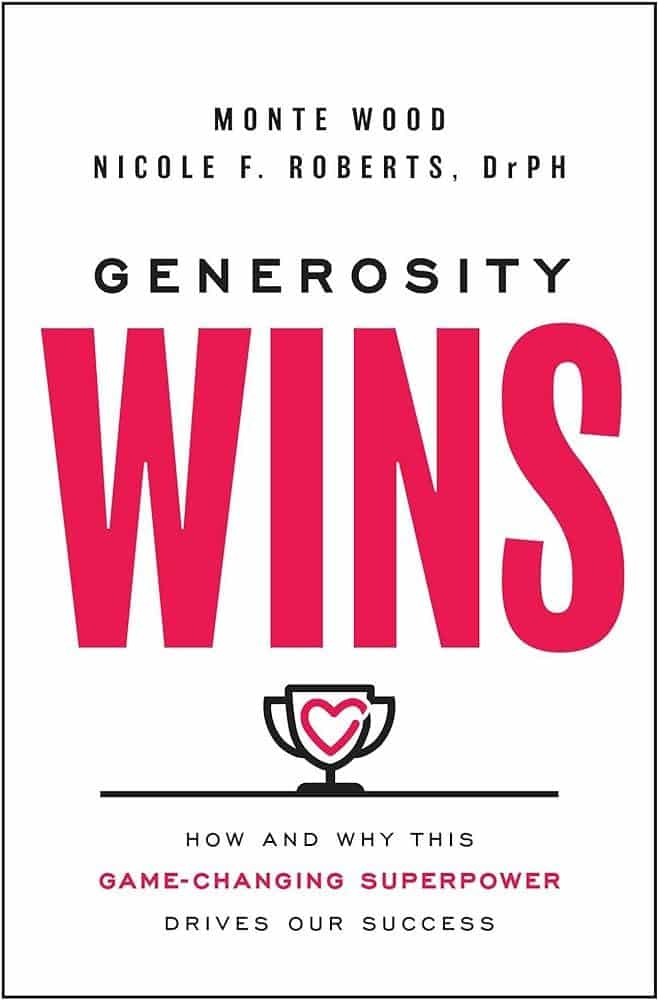
When Generosity Wins—written by business leader Monte Wood and health and human rights strategist Dr. Nicole F. Roberts—first hit shelves last November, one of its biggest takeaways was that altruism breeds success.
Simple Ways To Make Generosity Your Superpower_2

Photo Courtesy: Monte Wood

The book—which sits on USA Today’s Top 100 bestseller list—highlights 12 high-achieving leaders, from Leigh Steinberg to Will Little, who have experienced the power of generosity in both their personal and professional lives. Generosity—which the co-authors define as any act of kindness that is given with no expectation of return or reciprocity from the recipient—can come in many forms. As the book takes readers into the thoughts of these industry leaders, we learn the many ways generosity can manifest.

Whether you’re just starting out in your career or you’ve been grinding it out for years on end, here are five simple ways you can turn generosity into your superpower.

Show Humility

“Generosity involves humility, mentoring, not stepping on someone else to get ahead,” says Jack Pannell—a Social Impact Entrepreneur and Education Founder—in his chapter of Generosity Wins. “It’s being nice to someone even if it’s Monday and you’re in a bad mood, or smiling and showing a new hire around the office when you have a pile of work on your desk.”

Being kind, even in the difficult moments that Pannell describes, is a clear act of humility. 

When we let our mood dictate how we greet someone, or we ignore their needs because we’re busy with “more important” work, we communicate that our needs supersede theirs. Is that someone with whom you want to spend your time? Not really.

If we get caught up in how stressful our lives are and how many responsibilities we have to deal with, we miss opportunities for collaboration with others. Humility goes a long way!

Collaborate

“A culture of generosity, where both employees and customers feel sincerely valued, promotes trust, and business thrives on trust. I can’t stress this enough.”

This bit of wisdom comes from Andre Durand—the Founder & CEO of Ping Identity. As a software industry leader focused on customer features, Durand’s world centers around collaboration, another great example of generosity put into action.

When we meet him in the pages of the book, Durand spends some time speaking about trust as an expression of generosity. Trust lies at the heart of collaboration—to work with others, we have to believe in their ability, even when we’re investing resources, time, and our own effort into the project. To be collaborative, we must be generous.

That trust goes a long way—and in the end, you’ll have a team of people excited to tackle goals together.

“It doesn’t take much encouragement to get most people into a zone where helping is natural. It means putting the team ahead of your own contribution, collaboration over competitiveness.” 

Encourage Others

Dr. Beth McQuiston, now an esteemed Medical Director, experienced the generosity of encouragement firsthand.

“I had friends who were doctors,” she recalls in the book, “and I started learning from them and what they did. I read books like Harrison’s Principles of Internal Medicine for fun at home, and one day Jordi [McQuinston’s first mentor] said to me, ‘You know, you can do this in real life if you want to.’”

Along with encouragement from her twin sister, this was the push McQuiston needed to go to med school, putting her on the path she’s on today. The Medical Director, who has become an important advocate for women in STEM, has chosen to give back by encouraging the next generation of scientists and doctors.

Encouragement is a net positive in our world. How many leaders would have never stepped up to create positive change if no one had ever shown them what their potential was? This is a simple act of generosity, one that will bring you the joy of mentorship.

Mentorship

Mentorship is an act of generosity embodied throughout Generosity Wins. While the stories and wisdom shared by the 12 featured leaders all come from their real experiences, the book is told from the perspective of Emily, a young executive interviewing them to learn more about generosity and success. As Emily is mentored, so are we!

Mentorship, in many ways, is humility, collaboration, and encouragement rolled into one. It combines the gifts of time, wisdom, and confidence. 

“By mentoring young people early in their careers and lending them a helping hand,” explains legendary sports agent Leigh Steinberg, “they may remember that someone helped them, and thus, they will help the next person. You set up a system in which each person has individual responsibility to make our world a nicer world.”

When you look at what you want to accomplish in life, isn’t a nicer world a great thing to aspire towards? Generously mentoring others will get you there.

Self-Generosity

It should go without saying that to be kind to others; we must first be kind to ourselves. But so often, we’re kinder to others than we are to ourselves. Along with all of the ways that Generosity Wins teaches us to project generosity outwards, Wood and Dr. Roberts are also adamant that we must direct some of that altruism toward our well-being.

So what does this look like? Buying ourselves a new pair of shoes? Taking the afternoon off and relaxing on the couch with a bag of potato chips? Not quite.

“Self-generosity is any action one takes that moves them closer to becoming the person they aspire to be,” Dr. Roberts says. “Overindulgence is not self-generosity.”

Self-generosity starts with the way that we talk (and think) about ourselves. It’s about defining what we want to achieve in life.

“When you are effectively generous with yourself,” Wood adds, “you are more capable of being generous with others.”

So if you want to become a better version of yourself, and need some mentorship to help you get there, why not gift yourself a copy of Generosity Wins?

Published by: Martin De Juan

It’s the Spring Baby Season! Here’s How to pick a Baby Shower Gift with Style

What is a great baby shower gift? Is it something sentimental that shows your love for the little one? Is it something unique that nobody else will think of? Or is it better to go with something practical that the parents will appreciate?

As soon as the big news drops, the struggle begins. Some say it is best to go with something that will stimulate the baby’s senses but not too stimulating, such as lighting or flashing items. Others swear it is best to keep it practical, but it is essential to avoid choking hazards. Most importantly, try not to be the fifth person with the same gift as the previous four.

How do you make the right choice and create a thoughtful, stylish, and unique gift?

Thanks to the holy invention of the baby gifts registry, it is easier to be unique. But what about all the other boxes that need to be checked to turn the bugging dilemma into a joyful experience of giving?

Here are some gifts suggestions for baby boys and girls:

Sensory toys

Although sleeping and eating seem to be the only activities for babies during their first year, it is now clear that they go through many developmental transitions. This fact puts items that encourage sensory exploration a fantastic option for a gift that will make a difference in a little one’s life.

Think of items with simple designs and calm, soft colors that can develop fine motor skills by holding the baby’s attention and ensuring fun play. The toy needs to be easy to grip with a small hand and safe for regular situations of putting it in the mouth. So, nothing that contains small or toxic plastic parts.

It’s the Spring Baby Season! Here’s How to pick a Baby Shower Gift with Style (4)

Photo: Mushie Flower Press Toy

Toy stars

There is a reason why some toys make the news. The legendary Sophie La Girafe baby teether toy skyrocketed worldwide from France, where it was the first choice for a newborn baby toy for more than sixty-two years. Today, it still holds significant awards and recognition because babies and parents adore it.

Following trends like this is always a good option because it comes in various gift sets with different Sophie-themed cute and practical accessories.

It’s the Spring Baby Season! Here’s How to pick a Baby Shower Gift with Style

Photo: Vulli’s Sophie La Girafe Birth Set with Security Blanket

Eco-conscious gifts

Gifts made from sustainable and healthy materials are always a good idea. It means they are safe for the baby to wear or play with. Think blankets, clothes, toys, bath accessories, soaps, creams, bowls and spoons. Whatever the choice, if they are made from organic up-cycled or recycled materials, it means keeping the parents resting easy regarding their child’s safety.

It’s the Spring Baby Season! Here’s How to pick a Baby Shower Gift with Style (2)

Photo: Moby x Oceanworks Bath Bundle by Skip Hop

Convenient baby gifts

This type of gift ensures that the parents will be happy and the baby will enjoy comfort. Any gift pack of cute and gentle outfits makes good baby shower gifts. The choices are vast regarding price, brand, color, and size. Babies grow up really fast, so the parents must be prepared early for a fast wardrobe change.

Some practical fashion-forward solutions, such as sleeveless sleeping bags, keep the baby warm without the risk of overheating. What is more important is that they do not pose a risk of covering the little one’s face like loose blankets. 


Published by: Khy Talara


Digital Transformation and its Impact on Real Estate: Insights from Kase Abusharkh

By: Jonathan Taylor

In the era of rapid technological advancement, digital transformation is a monumental force reshaping industries across the globe. From healthcare to finance, its pervasive influence is undeniable, revolutionizing how businesses operate and deliver value. The real estate sector, often viewed as traditional and slow to adapt, is not immune to this wave of change. Historically rooted in conventional practices, the industry is now at the precipice of a digital revolution.

Traditionally, real estate transactions involved extensive paperwork, in-person viewings, and manual processes. However, the landscape is swiftly evolving, propelled by innovative technologies like artificial intelligence, big data analytics, and virtual reality. These advancements catalyze a fundamental shift in how properties are marketed, bought, sold, and managed. Kase Abusharkh, real estate professional and co-founder of Bear Equities and The Kase Group, delves into the profound impact of digital transformation on the real estate sector, exploring how technology is redefining the essence of property transactions and management.

Redefining Property Search and Discovery

In real estate, the advent of digital platforms has heralded a transformation in how properties are searched for, discovered, and evaluated. Online listings have become essential to property exploration, offering many options at one’s fingertips. 

Prospective buyers and renters can now access comprehensive information, from property specifications to neighborhood insights, all with a few clicks. Virtual tours, once a novelty, have now become a standard feature, providing immersive experiences without physical visits. 

“Virtual tours allow individuals to virtually walk through properties, gaining a realistic sense of space and layout,” says Kase Abusharkh. “AI-driven property matching algorithms have revolutionized the search process.” 

The convenience and efficiency brought by these digital tools cannot be overstated. What was once a time-consuming and often arduous process of physically visiting multiple properties has now been streamlined into a seamless online experience. This shift saves time and gives individuals the information and insights to make informed decisions about their potential real estate investments.

Enhancing Customer Experience and Engagement

The integration of digital technologies has magnified the focus on customer experience. These tools reshape how properties are marketed and sold and how customers interact with real estate professionals. Personalized communication channels are key, allowing for tailored and efficient interactions. 

The rise of chatbots and virtual assistants is a primary signifier of this shift. These AI-driven tools are available 24/7, providing instant responses to inquiries and guiding clients through various stages of the real estate journey. Whether it’s answering common questions about a property or scheduling a viewing, chatbots, and virtual assistants enhance accessibility and responsiveness.

Kase Abusharkh notes, “Digital engagement tools contribute to fostering transparency, trust, and satisfaction among clients.” 

Providing quick and accurate information makes clients feel empowered and informed throughout the process. The transparency offered by digital platforms, such as real-time updates on property statuses or market trends, instills confidence in clients, leading to stronger relationships and increased satisfaction. As the real estate sector continues to embrace digital transformation, customer experience remains of top consideration, driving engagement and service delivery improvements.

Optimizing Property Management and Operations

Property management and operations are undergoing a substantial transformation, thanks to the integration of digital solutions. Innovative technologies are replacing traditional methods that enhance efficiency, reduce costs, and promote sustainability. 

One such technology is the Internet of Things (IoT), which enables interconnected devices to collect and exchange data in real time. IoT devices revolutionize property management in the real estate sector by providing insights into energy consumption, occupancy rates, and maintenance needs.

Smart sensors, a subset of IoT technology, are instrumental in monitoring various aspects of a property, from temperature and humidity levels to occupancy patterns. This real-time data allows property managers to proactively address maintenance issues before they escalate, improving tenant satisfaction and reducing operational costs.

Predictive analytics further elevate property management by forecasting maintenance needs based on historical data and patterns. This proactive approach reduces downtime and extends the lifespan of building components, ultimately leading to cost savings.

The adoption of digital property management systems not only optimizes operations but also aligns with sustainability goals. These systems reduce environmental impact and lower utility costs by monitoring and optimizing energy usage. 

Digital Transformation and its Impact on Real Estate Insights from Kase AbusharkhDigital Transformation and its Impact on Real Estate Insights from Kase Abusharkh

Photo: Unsplash.com

Facilitating Transactions and Closing Deals

Digital platforms are powerful facilitators in real estate transactions, revolutionizing the way deals are closed and paperwork is managed. Online marketplaces have become pivotal hubs where properties are showcased, attracting a global audience of buyers and investors. 

E-signature solutions have also gained traction. These allow parties to sign contracts and agreements electronically. This eliminates the need for physical signatures and paper documentation, reducing delays and errors commonly associated with traditional methods. 

The efficiency and convenience offered by e-signatures accelerate deal closures and enhance the overall transaction experience for all involved parties. Blockchain technology, renowned for its transparency and security, is making significant inroads into real estate transactions. 

“By creating immutable and tamper-proof records of property ownership and transactions, blockchain instills trust and reduces the risk of fraud. Smart contracts based on blockchain enable automated execution of contract terms, further streamlining the closing process,” says Abusharkh.

The transformative impact of digital technologies on the real estate industry is reshaping traditional practices and paving the way for a more efficient and dynamic landscape. Digital platforms have revolutionized property search and discovery, offering a wealth of information at our fingertips through online listings and virtual tours. Customer engagement has been enhanced through personalized communication channels and AI-driven tools, fostering transparency and satisfaction.

The future of real estate lies in continued digital transformation. Real estate professionals must embrace these technologies to stay competitive in an evolving market. Those who harness the power of digital tools will enhance their operations and provide superior experiences for clients and tenants. As innovation continues to drive the industry forward, integrating digital solutions will be paramount for success. 


Published by: Khy Talara

Breaking Investment Barriers How The Executivepreneur Is Changing Women’s Wealth Creation

In the evolving landscape of financial empowerment and legacy building, a silent but significant revolution unfolds, led by visionary women who dare to redefine their financial destinies. At the heart of this transformation is The Asset MultipliHER, a pioneering platform dedicated to empowering executive women to harness the untapped potential of real estate and cash-flowing assets. Spearheaded by Tayisha M. Beard, The Asset MultipliHER is paving the way for countless women who, despite their success in the corporate world, have yet to claim their rightful place in the realm of real estate investment.

The reluctance among women to delve into real estate investment is multifaceted, rooted in a pervasive fear of debt and a lingering doubt in their ability to generate generational wealth. This hesitation stands in stark contrast to the proven financial acumen of women investors, who often outperform their male counterparts in terms of return on investment. Despite these capabilities, a mere 32% of women venture into real estate, compared to the 67% actively investing outside their retirement accounts. This gap highlights the urgent need for fundamental change, a call to action that Tayisha and The Asset MultipliHER passionately answer.

Embarking on a mission to empower executive women to multiply their equity and not just their salary, Tayisha has crafted the 4-Step Asset MultipliHER Framework. This innovative approach is designed to guide women through the intricacies of investing in cash-flowing assets, enabling them to navigate the journey from saving to circulating money with confidence and strategic insight. The framework’s foundational philosophy is encapsulated in the powerful assertion: “Being rich can support you for a lifetime, wealth can support your family for generations.” This guiding principle is a testament to the transformative power of real estate investment as a vehicle for creating lasting wealth and securing a family’s financial future.

Breaking Investment Barriers How The Executivepreneur Is Changing Women's Wealth Creation (2)

Photo Courtesy: Spintown Creative

Tayisha’s journey to founding The Asset MultipliHER is both inspiring and instructive. With distinctions that include being featured in Automotive News magazine and receiving the Leading the Way Award from a Fortune 500 company, her credentials are impeccable. Yet, it’s her personal growth in investment, beginning with the purchase of a rental home in 2009 with no prior experience, that truly embodies the spirit of The Executivepreneur. Despite numerous challenges, Tayisha’s resilience and strategies have led to a strong real estate portfolio, serving as a powerful illustration of what executive women can achieve when they embrace the potential within themselves to become investors and wealth builders.

The Asset MultipliHER stands as more than a brand; it is a community, a movement dedicated to empowering women in taking the first step to financial freedom. By offering personalized guidance, a supportive network, and expert resources, Tayisha and her team ensure that every woman who joins this journey is equipped to navigate the complexities of real estate investment. This community is a space where executive women, united by shared aspirations and challenges, can find solidarity, encouragement, and the strength to break through barriers that have historically hindered their financial progress.

Central to Tayisha’s philosophy is the redefinition of debt. By distinguishing between good debt, which generates income, and bad debt, which depletes wealth, she encourages women to leverage their financial resources wisely. This approach not only facilitates the growth of an asset portfolio but also advances the pursuit of financial independence and the creation of a lasting legacy.

The narrative of The Executivepreneur, as championed by The Asset MultipliHER, is a clarion call to women everywhere. It challenges the status quo, urging women to claim their place in the world of real estate investment and to recognize their potential as architects of their financial destinies. As more women embrace this journey, the landscape of wealth creation and legacy building will be irrevocably changed, marked by a new era of female empowerment and financial freedom.


Connect with MultipliHER

Website: http://www.theassetmultipliher.com/
Instagram: @The Asset MultipliHER
Facebook: https://m.facebook.com/the.executivepreneur/
TikTok: @The Executivepreneur

Published by: Holy Minoza

The Power of Machine Learning to Keep Production Lines Humming

Within the dynamic landscape of modern manufacturing, a silent but seismic shift is occurring—a revolution fueled by the relentless advancement of machine learning. Envision a world where machines anticipate their own maintenance requirements, automotive behemoths meticulously identify imperfections, and retail juggernauts forecast consumer demand with unprecedented precision. Welcome to the forefront of innovation in manufacturing, where the future isn’t just envisioned; it’s being meticulously crafted through the transformative power of machine learning.

Companies such as General Electric Aviation are utilizing machine learning (ML) techniques to analyze real-time sensor data and anticipate equipment failures in advance. By recognizing subtle patterns that may indicate possible problems, these systems enable manufacturers to be proactive, improving operational reliability and prolonging the lifespan of assets. Proactive equipment management, in which issues are handled before they become major, is promoted by predictive maintenance, which also helps to avoid expensive downtime. In addition to reducing costs, this predictive strategy improves worker safety by avoiding unanticipated equipment breakdowns. These sophisticated systems are anticipated to become more accurate and dependable as machine learning (ML) methods undergo further evolution and improvement, leading to even greater optimization of manufacturing operations. Companies may enhance their bottom line by reducing maintenance costs, allocating resources more efficiently, and foreseeing equipment failures with unparalleled accuracy.

The Power of Machine Learning to Keep Production Lines Humming

Photo Courtesy: Madan Mohan Tito Ayyalasomayajula

Quality Control Revolutionized

Using machine learning (ML) to aid computer vision systems, automotive manufacturers like BMW are raising the standard for quality control among their products. These systems, powered by machine learning algorithms, check manufactured components with an accuracy and speed unmatched by any other system. They are able to detect even the slightest faults, such as scratches, dents, or misalignments, automatically. By ensuring that only faultless products are brought to market, these technologies safeguard the reputations of brands and ensure that customers continue to get what they want. In addition to detecting defects, ML-assisted quality control systems can provide valuable insights for process improvement. By analyzing data collected during inspections, manufacturers can identify recurring issues and implement corrective actions to prevent future defects. This continuous feedback loop enables companies to refine their manufacturing processes and drive ongoing quality improvements.

Supply Chain Mastery

Retail giants like Amazon are transforming inventory management and forecasting demand using advanced ML models. These systems accurately predict consumer demand at specific locations and times by analyzing vast datasets consisting of historical sales figures, market trends, and external factors. Precise inventory planning and logistics management enabled by ML result in reduced stockouts minimized excess inventory, and optimized overall supply chain efficiency. These supply chain management systems, backed by machine learning, can predict demand and simultaneously optimize inventory levels and distribution networks in real time. Companies can optimize their inventory management by constantly altering inventory levels in response to demand projections and lead times. This approach allows them to minimize the expenses associated with carrying inventory while guaranteeing that products are readily available to customers at the right time and place. This agile supply chain management methodology improves customer satisfaction and promotes long-term loyalty.

Machine Learning’s Role in Energy Efficiency


Companies in several industries, from steel production to consumer electronics manufacture, are adopting machine learning algorithms to manage energy usage and reduce environmental impact efficiently. Tesla’s Gigafactories epitomize this pattern, employing machine learning algorithms to optimize requiring energy procedures like battery manufacturing. Implementing waste reduction and efficiency optimization strategies throughout the manufacturing process guarantees a more environmentally sustainable future.

Fine-Tuning for Peak Performance

Intel and other semiconductor makers utilize machine learning-driven analytics to improve their production processes and increase their yields. Continuous monitoring of sensor data and production metrics allows for the identification of inefficiencies and anomalies, which in turn provides engineers with valuable insights that can be used to implement targeted optimizations. Enhancements follow these improvements in product quality, throughput, and resource conservation.

Staying Ahead of the Curve

Companies that focus on fast-moving consumer goods (FMCG), such as Procter & Gamble, utilize machine learning to anticipate changes in consumer preferences and market demands. A sophisticated machine learning model examines data from social media trends, online sales channels, and historical purchasing habits to generate ideas that may be put into action. The ability to respond quickly and effectively to opportunities in emerging markets results in more significant revenue and sustainable growth.

With machine learning acting as the driving force, the future looks promising.

There is no denying the impact that machine learning has had on the manufacturing industry. It has been the driving force behind breakthroughs in areas such as demand forecasting, supply chain optimization, energy efficiency, predictive maintenance, and quality control, respectively. The potential for continual improvement and innovation is virtually limitless as long as businesses continue to allocate resources to machine learning-driven technology and cultivate cultures that are data-centric. By utilizing machine learning to react to ever-changing market conditions, manufacturers are able to maintain their competitive edge, embrace sustainability, and surpass the expectations of their customers. 

About the Author: Madan Mohan Tito Ayyalasomayajula


Madan Mohan Tito is a distinguished senior technology architect currently working in the manufacturing domain and has garnered an illustrious career that spans over two decades. With a rich background in cutting-edge technologies, his AI and machine learning expertise has been pivotal in propelling growth, elevating user experiences, and implementing advanced and innovative methodologies. In addition to his professional endeavors, Mr. Madan generously dedicates his time to mentoring and refereeing in the tech community. His steadfast commitment to nurturing the next generation of tech professionals through mentorship and identifying opportunities for their advancement is widely acknowledged and appreciated. Furthermore, Mr. Madan is pursuing his doctoral degree in computer science, concurrently contributing as a researcher and author. His dedication to scholarly pursuits underscores his passion for pushing the boundaries of knowledge and innovation in technology.


Published by: Khy Talara

Exploring the Benefits of Hybrid Public/Private Healthcare Systems with Insights from Dr. Sukhi Ghuman

By: Amanda Miller

Healthcare systems worldwide are undergoing a significant evolution, with many countries embracing hybrid models that blend public and private elements. This innovative approach seeks to harness the strengths of both sectors, aiming to provide comprehensive and efficient healthcare to their populations. The trend towards hybrid systems is unmistakable, as governments recognize the need for flexibility and diversity in healthcare delivery.

Dr. Sukhi Ghuman, the Group CEO of Octavian Continental Limited, delves into the advantages offered by hybrid public and private healthcare systems. By examining the experiences of various countries through a professional lens, Dr. Sukhi Ghuman sheds light on the potential benefits that these models can bring. 

From improved access and choice for patients to increased efficiency and innovation, the advantages are multifaceted. As nations navigate the complexities of modern healthcare demands, understanding the merits of hybrid systems becomes crucial for informed policy decisions and better healthcare outcomes.

Understanding Hybrid Healthcare Systems

Hybrid healthcare systems represent a blend of public and private sector elements within a country’s healthcare infrastructure. These models aim to leverage the strengths of both sectors to address the diverse needs of the population. 

“In essence, hybrid healthcare systems offer a middle ground between fully public and fully private systems, allowing for a nuanced approach to healthcare provision,” says Dr. Sukhi Ghuman. “Globally, various models of hybrid healthcare systems exist, each tailored to the specific context and priorities of the country.” 

Some nations opt for a predominantly public system with supplementary private options, while others strike a more balanced distribution of resources and services between the two sectors. The choice of model often reflects a nation’s historical development, cultural factors, and policy objectives.

One of the key considerations in designing hybrid systems is the balance between public and private sector involvement. This balance extends beyond just the funding mechanisms to encompass aspects such as service delivery, infrastructure development, and regulation. Finding the optimal equilibrium is a delicate task, as it requires weighing the benefits of competition and innovation from the private sector against the goals of equity and accessibility inherent in public provision.

Understanding these dynamics is essential for policymakers and healthcare professionals as they navigate healthcare reform’s complexities. The nuances of hybrid systems offer unique opportunities and challenges, shaping the quality and accessibility of healthcare services for millions around the world.

Enhanced Access to Healthcare Services

One of the notable advantages of hybrid healthcare systems is their ability to enhance access to healthcare services for a broader segment of the population. By incorporating elements from both the public and private sectors, these systems can mitigate some of the challenges often faced in solely public or private systems.

One significant improvement is seen in reduced wait times for medical services. Private sector involvement often introduces competition, which can lead to more efficient resource allocation and streamlined processes. Patients benefit from quicker access to appointments, diagnostics, and treatments, improving overall satisfaction and health outcomes.

“The increased availability of services is a notable feature of hybrid systems,” notes Dr. Ghuman. 

Private healthcare facilities and practitioners, alongside public institutions, contribute to a more diverse range of services being offered. This diversity can include specialized treatments, elective procedures, and alternative therapies that might not be readily available in a purely public system.

For marginalized or underserved communities, hybrid systems can be particularly impactful. The combination of public funding for essential services and private sector innovation can result in tailored programs to address the specific health needs of these groups. It helps bridge the gap in accessibility that certain populations may face, ensuring more equitable healthcare delivery across society.

Exploring the Benefits of Hybrid PublicPrivate Healthcare Systems with Insights from Dr. Sukhi Ghuman (2)

Photo: Unsplash.com

Quality of Care and Innovation

Quality of care is a paramount concern in today’s healthcare, and hybrid systems offer a unique environment that fosters competition and innovation. The combination of public and private sector elements creates a dynamic landscape where healthcare providers are incentivized to continuously improve their services.

Comparing quality standards between the public and private sectors within hybrid systems reveals interesting dynamics. Public healthcare, often driven by a mandate to serve all citizens, emphasizes equity and access. The private sector, driven by market forces, emphasizes efficiency and customer satisfaction. When these two sectors coexist within a hybrid system, they create healthy competition that encourages both sectors to raise their standards.

“Competition within hybrid systems drives advancements in technology and treatment options,” says Dr. Ghuman. 

Private facilities, aiming to attract patients, invest in state-of-the-art equipment and cutting-edge treatments. This not only benefits those who choose private services but also creates a ripple effect. Public facilities, in response, may adopt similar technologies to remain competitive. 

The innovative spirit of the private sector often leads to the development of new approaches to healthcare delivery and treatment modalities. These innovations can then be adopted by public institutions, leading to overall improvements in the healthcare system’s effectiveness and efficiency.

Financial Sustainability and Resource Allocation

Hybrid healthcare systems offer a pathway to enhanced financial sustainability, drawing on the strengths of both public and private sectors to optimize resource allocation. This balance is crucial for ensuring the long-term viability and efficiency of the healthcare system.

One of the key aspects contributing to financial sustainability in hybrid systems is the utilization of cost-sharing mechanisms between the public and private sectors. These mechanisms often involve a mix of public funding for essential services and private contributions for additional or specialized care. This helps distribute the financial burden more equitably across the population while leveraging the efficiency of private sector investments.

Efficient resource allocation is another significant benefit of hybrid systems. By incorporating elements from both sectors, these systems can allocate resources based on need and demand. Public funding can be directed towards essential services and vulnerable populations, while private investments can fill gaps in specialized care and infrastructure. This targeted allocation ensures that resources are used effectively and that healthcare services are delivered where they are most needed.

The competition inherent in hybrid systems encourages providers to operate efficiently and minimize waste; this focus on efficiency benefits patients by improving service delivery and contributes to overall cost containment within the healthcare system.

The benefits of hybrid healthcare systems are real and meaningful. By implementing cost-sharing mechanisms and optimizing resource allocation, these systems achieve financial sustainability while enhancing the quality and accessibility of healthcare services. This approach to healthcare financing offers a promising model for nations seeking to balance affordability with quality care.

Published by: Holy Minoza

Theresa Taylor: The Dynamic Force Igniting Success in Business Owners Worldwide

In the realm of business coaching, where expertise meets passion, one name is on everyone’s lips: Theresa Taylor. With her unparalleled dedication and strategic insights, Theresa Taylor has emerged as a powerhouse in the coaching world, igniting success in business owners worldwide.

Theresa Taylor’s rise to prominence transcends mere personal achievement; it’s a testament to her profound impact on the lives of online professionals nationwide. Recognized and celebrated in esteemed publications, Theresa has set herself apart through her remarkable talent for guiding entrepreneurs toward the realization of their aspirations and the attainment of unparalleled success.

With a career spanning over a decade, Theresa Taylor has honed her skills to perfection, guiding countless entrepreneurs on their pathway to success. Her innovative approach and unwavering commitment have earned her the reputation of being a firecracker coach – dynamic, energetic, and unstoppable.

At the heart of Theresa’s coaching philosophy lies the Pathway To 5K Program, a transformative journey designed to empower business owners to reach new heights of success. Drawing from her wealth of experience and expertise, Theresa tailors each session to address the unique challenges and goals of her clients, ensuring tangible results with every step of the way. It’s easy to make 14K months here and there, but adding in the strategy of making CONSISTENT 5K months along the way sets the foundation for 100K success and beyond.

Theresa’s distinctive coaching framework stems from her innate desire to impart the wisdom and insights she gained through her own trials and triumphs in the ever-challenging realm of online entrepreneurship. Having weathered numerous obstacles and setbacks on her personal journey, Theresa understands firsthand the transformative influence of mentorship, guidance, and unwavering belief in surmounting challenges and attaining success.

Through her coaching threads and the acclaimed Pathway To 5K program, Theresa has cultivated a community of like-minded individuals driven by a shared passion for success. From solopreneurs to seasoned executives, Theresa’s guidance transcends industries and backgrounds, providing invaluable insights that propel her clients towards their goals.

One of the hallmarks of Theresa’s coaching style is her ability to inspire action. With her infectious energy and unwavering belief in her clients’ potential, she empowers them to break through barriers, seize opportunities, and achieve their dreams. Her approach is not just about setting goals – it’s about taking bold, decisive action to turn those goals into reality.

But Theresa’s impact goes beyond just coaching – she is a true thought leader, sharing her expertise through various platforms and channels. Whether it’s through her insightful articles, captivating webinars and YouTube videos, or engaging social media presence, Theresa is always at the forefront of the conversation, driving meaningful change and inspiring others to follow suit.

With an unwavering dedication to nurturing both personal and professional development, Theresa stands as a dynamic beacon of hope and inspiration for those endeavoring to transform entrepreneurial aspirations into tangible reality.

Her endeavors not only propel individuals towards their individual aspirations but also cultivate a culture of excellence that enriches their broader communities and families.

What distinguishes Theresa from her peers is her steadfast commitment to her clients’ successes. Exuding infectious energy and fortified by unparalleled expertise, she empowers entrepreneurs with the essential tools to navigate challenges with confidence and realize their goals with unparalleled clarity.

As an up-and-coming force in the coaching industry, Theresa Taylor is a name that business owners simply cannot afford to overlook. With her unparalleled expertise, unwavering dedication, and infectious energy, she is leading the charge towards a future where success knows no bounds. For those who are ready to unlock their full potential and take their businesses to new heights, Theresa Taylor is the coach they’ve been searching for.

Learn more at www.TheresaTaylorCoaching.com 

To explore how you can leverage Theresa’s expertise or delve into her innovative coaching programs, including the transformative Pathway To 5K Program, which has already revolutionized numerous careers, visit www.TheresaTaylorCoaching.com today. Having a mentor like Theresa Taylor can be pivotal in attaining not just financial independence but also in establishing a legacy that surpasses conventional measures of success. Her holistic approach ensures that while you pursue your dreams, you remain grounded in what truly matters – making a meaningful impact in both your own life and the lives of those around you.

Join the community at www.TheresaTaylorCoaching.com – because your journey toward extraordinary achievement commences right here.


Published by: Khy Talara

The Ultimate Guide to Refreshing Summer Lemonades

Summer is the season of sun, fun, and refreshing beverages to cool us down. Among these, lemonade stands is a timeless classic, beloved for its perfect balance of sweetness and tartness. 

This article explains the art of crafting the perfect summer lemonade, explores the best fruits to enhance your drinks and shares three top-tier lemonade recipes with a delightful twist—some featuring a splash of alcohol for that extra summer kick. 

Whether you’re hosting a backyard barbecue, lounging by the pool, or simply seeking a refreshing drink to beat the heat, these lemonade ideas are sure to elevate your summer experience.

What Fruits Are Best for Lemonades?

When it comes to making lemonade, not all fruits are created equal. Some fruits blend beautifully with the tartness of the always needed lemon, adding depth and complexity to the simple mix of water, sugar, and lemon juice. 

Here’s an in-depth look at the best fruits to incorporate into your lemonade for an unforgettable summer refreshment.

The Ultimate Guide to Refreshing Summer Lemonades_2These fruits complement the lemonade and introduce a vibrant array of colors and flavors, making your summer beverage a feast for both the eyes and the palate.

Lemonades to Make at Home This Summer (With Alcohol)

Elevate your summer with these three must-try lemonade recipes, each with a unique twist of alcohol to add to the festivity. From the classic touch of bourbon to the unexpected delight of peaches and basil, these recipes promise to make your summer gatherings unforgettable.

Kentucky Lemonade With a Twist 

Combine 1 cup of sugar and 1 cup of water in a small saucepan and heat it up until sugar dissolves for an easy homemade syrup. Let it cool.

Then mix 2 cups of freshly squeezed lemon juice and 8 cups of water in a large pitcher. Muddle in a few mint leaves and mix with 1/2 cup of your favorite bourbon. Right before serving, stir in 8 cups of ginger ale. Serve over ice and garnish with fresh lemon slices and mint.

The Ultimate Guide to Refreshing Summer Lemonades_3

Peachy Basil Smash

Blend 3 chopped peaches with 1 cup of sugar and 1 cup of water, strain, and simmer the liquid for a few minutes. Cool the peach syrup, infuse with fresh basil leaves for 5-10 minutes, then remove the leaves. 

Combine the syrup with 1 cup of fresh lemon juice and 4 cups of water in a pitcher. Serve over ice, garnished with peach slices and basil leaves. 

If you want to add a twist, Bourbon or Gin go fantastic with this drink.

The Ultimate Guide to Refreshing Summer Lemonades_4

Lemony Orange

Make a syrup by heating 1 cup of sugar, 4 cups of water, and 3-4 tablespoons each of orange and lemon zest until sugar dissolves; strain after cooling. 

Mix this syrup with 2 cups each of fresh lemon and orange juice, then add 8-10 cups of water. Chill, serve over ice, and garnish with slices of lemon and orange for a refreshing citrus blend.

The Ultimate Guide to Refreshing Summer Lemonades_5

These lemonades offer a refreshing twist on a classic summer drink, blending traditional flavors with novel combinations and a touch of alcohol for an adult version of your favorite childhood refreshment. 

Whether enjoyed in the comfort of your home or at a lively summer party, these lemonades are guaranteed to be a hit. Enjoy the process of making and savoring each unique flavor, and let these creations be the highlight of your summer.

Pro Tip: Grow These Fruits at Home for Easy Lemonade 

Imagine the joy of stepping into your backyard and picking fresh fruits to make your favorite summer lemonade.

Growing your own fruits not only ensures that you have the freshest ingredients right at your fingertips but also adds a personal touch to your beverages. 

Lemonades, especially Meyer Lemons are fairly easy to grow and give you the basis for almost any Lemonade.

Strawberries and raspberries can be grown in garden beds or containers, making them perfect for those with limited space. 

Peaches require more room and patience but are well worth the effort for their juicy sweetness. 

By dedicating a small portion of your garden or balcony to these fruits, you can enjoy homemade lemonades with flavors as vibrant and refreshing as summer itself. Plus, the satisfaction of growing your own ingredients takes your summer refreshment game to the next level, making each sip a little sweeter.

Now enjoy!


Published by: Martin De Juan

Finding Your Healthcare Champion: Tips to Find a Primary Care Doctor

Selecting a reliable primary care physician stands as one of the most crucial decisions you can make for your health. Known as primary care providers, these doctors serve as the quarterbacks of your healthcare team, overseeing your overall well-being and acting as your first line of defense against illness and injury.

This comprehensive guide will lead you through the process, from grasping the various types of primary care providers to discovering the right fit for your needs.

Understanding the Types of Primary Care Providers

Not all primary care providers are cut from the same cloth. It’s essential to understand the different types to make an informed decision. Here’s a quick breakdown:

Family Practitioners: These doctors are trained to care for patients of all ages, from newborns to the elderly. They can diagnose and treat a wide range of conditions, making them an excellent choice for families seeking a one-stop shop for healthcare.

General Practitioners: Also known as internists, these doctors specialize in adult medicine. They’re experts in diagnosing and treating a variety of conditions that affect adults, making them an ideal choice for individuals over 18.

Nurse Practitioners (NPs): NPs are advanced practice registered nurses who have completed graduate-level education and training. They can provide up to 80-90% of the care that primary care doctors offer. This care includes diagnosing and treating short and long-term illnesses, prescribing drugs, and ordering tests.

Physician Assistants (PAs): PAs are healthcare professionals who work alongside doctors to provide patient care. They can take medical histories and do physical exams. They can order and interpret tests, diagnose illnesses, and make treatment plans. They do all this under the supervision of a licensed physician.

All of these providers can be your main care champion. But, knowing their specialties and scopes can help you decide based on your needs.

Photo Courtesy: www.health.gov

Considerations for Choosing a Primary Care Doctor

Now that you understand the types, let’s explore factors that can guide your decision when finding a primary care physician. If you’re unsure where to begin, resources like best primary care can help you find a primary care doctor in your area.

Location and Office Hours

When it comes to accessing healthcare, convenience is key. A provider’s office location and hours can impact your ability to receive timely care. According to research, accessible healthcare locations can increase patient satisfaction and improve health outcomes. The research emphasizes the importance of accessibility in healthcare services, highlighting that patient satisfaction is influenced by factors such as location, waiting time, admission and discharge processes, appointment arrangements, and access equitability

Look for a provider whose office is located near your home or workplace, and whose hours align with your schedule. This can make routine check-ups, follow-up appointments, and addressing urgent concerns much more manageable.

Electronic Health Records (EHRs)

In today’s digital age, Electronic Health Records (EHRs) have revolutionized how healthcare providers manage patient data. Practices that use EHRs have seen a cut in medication errors. They also saw a drop in unnecessary tests. This is thanks to easier communication and access to patient information.

When considering a primary care provider, inquire about their use of EHRs. These systems can ensure that your medical history, test results, and treatment plans are documented and available, enhancing the continuity and quality of your care.

Scheduling a Consultation Appointment

While online research and recommendations can provide valuable insights, nothing beats face-to-face interaction with a potential primary care provider. Schedule a consultation appointment to assess whether the doctor’s communication style, bedside manner, and overall approach align with your preferences.

Patients who have a positive initial consultation experience are more likely to adhere to their treatment plans, underscoring the importance of this crucial first impression.

The Significance of a Trusting Relationship

Beyond logistics and credentials, the relationship you forge with your primary care provider can impact your health journey. Research shows that patients with a strong doctor-patient relationship are more likely to adhere to their treatment plans and experience better health outcomes.

A trusting relationship is built on open communication, respect, and a shared understanding of your healthcare goals. Look for a provider who listens, explains concepts, and involves you in decision-making processes.

Remember, your primary care doctor is not a medical professional; they’re your partner in navigating the complexities of healthcare. Finding someone you can confide in and trust can make a world of difference in your overall well-being.

Strategies for Finding a Primary Care Doctor

Now that you understand the importance of finding the right primary care provider, let’s explore some practical strategies to help you in your search:

Start Early

Don’t wait until you have an urgent health need to begin your search for a primary care doctor. Starting early can give you ample time to research your options, schedule consultations, and find the best fit.

Early search efforts can reduce the time to find a suitable PCP and increase patient satisfaction, ensuring you have a healthcare champion in place before you need one.

Conduct Thorough Research

With so many primary care providers to choose from, it’s essential to conduct thorough research to narrow down your options. Start by asking for recommendations from friends, family, or coworkers who have positive experiences with their PCPs. Recommendations from trusted individuals can lead to a 50% higher satisfaction rate with the chosen provider.

Additionally, leverage resources like your health insurance provider’s directory, online reviews, and physician rating websites to gather information on potential candidates.

Persistence in Your Search

Finding the right primary care doctor can be a process, and persistence is key. With high demand and potential waitlists for some providers, it’s essential to be proactive and persistent in your search.

Patients who persist in their quest find a PCP 20% faster than those who give up early. Don’t be discouraged if your initial efforts are unsuccessful; keep exploring options until you find the perfect healthcare champion for your needs.

In-Network Considerations

If you have health insurance, it’s crucial to consider whether a potential primary care provider is in-network. Choosing an in-network PCP can save patients up to 40% on healthcare costs compared to out-of-network providers.

Check with your insurance provider to understand their coverage and ensure that your chosen doctor accepts your plan. This simple step can help you avoid unexpected out-of-pocket expenses and ensure seamless coordination of your care.

Leveraging Virtual Care and Telehealth Options

In our digital age, your healthcare champion might not only be found through traditional means but also through innovative virtual care and telehealth options. The COVID-19 pandemic accelerated the adoption of telehealth services, with visits increasing by a staggering 154% since 2020.

Many primary care providers now offer virtual consultations, making it easier than ever to access healthcare from the comfort of your home. This can be particularly beneficial for those with mobility challenges, busy schedules, or those living in remote areas.

When researching potential providers, inquire about their telehealth services and how they integrate virtual care into their practice. This modern approach can enhance your access to healthcare and provide added convenience without compromising quality.

Comparison Table: Primary Care Provider Types

Finding Your Healthcare Champion Tips to Find a Primary Care Doctor (3)

This table provides a quick reference. It will help you understand the differences in scope of practice, typical patient populations, and qualifications for each type of primary care provider.

FAQs

What’s the difference between a doctor and a primary care physician?

While all primary care physicians are doctors, not all doctors serve as PCPs. Primary care physicians focus on general healthcare, preventive care, and long-term patient relationships. They are the first point of contact for most healthcare needs.

How do I decide which doctor to go to?

Choosing a primary care doctor is personal. It should consider factors like location and office hours. It should also consider communication style, healthcare philosophy, and overall fit. Conduct thorough research, schedule consultations, and trust your instincts to find the right fit.

What’s the difference between family practice and general practice?

Family practitioners provide care for patients of all ages, including children. General practitioners (internists) care for adults. Both can be primary care providers. But, family practitioners are better for families seeking a one-stop healthcare solution.

Conclusion: Invest in Your Health

Selecting the right primary care doctor is an investment in your overall well-being. Trusted healthcare champions can help with everything from preventive care to chronic disease management. They can make a big difference in your health journey.

To find the perfect primary care doctor, you can: understand provider types. Also, consider key factors like location and EHRs. Prioritize a trusting relationship and follow practical strategies.

Remember, persistence and thorough research are key. Don’t hesitate to schedule consultations and trust your instincts when assessing compatibility. Your health is too important to leave to chance.

Take the first step today and embark on your quest to find your healthcare champion. They will be a primary care provider who will guide you to a healthier, happier life.


Published by: Khy Talara


Founder of Sci-industry Hub Scales Up Developments: Interview with Anna Dudkina

By: Alex Nolan

We continue to talk about young scientists who move science forward and consider their work a true vocation. This interview is with Anna Dudkina – Doctor of Chemical Sciences. The scientific career of the young scientist already has a large-scale environmental project, which has yet to be in Kazakhstan or anywhere in the world.

Tell us about yourself

My name is Anna Alexandrovna Dudkina. I am a doctor of chemical sciences and founder of the American company Sci-INDUSTRY HUB. I am the author of more than 25 scientific publications, which are referred to in Scopus and Web of Science databases, including articles in Q1 and Q2 journals. As a child, I was a very thoughtful kid and constantly questioned myself about the desire to understand the world around me, the desire to answer fundamental questions, solve complex problems, or improve life through technological and medical advances. Science also offers the opportunity to travel into uncharted areas of knowledge, constantly discover new things, and develop professionally and personally. 

What do you think are the most important skills and qualities for the modern scientist?

Science is a field where discoveries and technologies are constantly emerging, so scientists must love to learn and adapt to new information; it’s like a child’s spontaneity and curiosity. It is also necessary to be persistent, as scientific research is often associated with failures and the need to repeat experiments many times; it is important to overcome difficulties and not lose motivation.

Founder of Sci-industry Hub Scales Up Developments Interview with Anna Dudkina (2)

Photo Courtesy: Mirali Sadykov

Could you briefly explain the essence of your latest research project or development?

My doctoral work focused on a rapid method to visually analyze foods – mainly fruits, vegetables, and beverages – for heavy metals, trace elements, nitrates and antioxidants.

We have developed a non-discriminatory visual analysis method so that everyone can independently test food products for a wide variety of indicators with high accuracy without using special instruments or going to laboratories. For this purpose, we use the polymer “polymethylmethacrylate”—this is Plexiglas. We modify it so that the polymer acquires a 3D structure and allows us to place other reagents that interact with heavy metals, nitrates, antioxidants or trace elements.

Another advantage of the new method is that the reagents are incorporated directly into the transparent plate, but they are not a functional group of the polymer; in this case, the polymer is just a cellular container for the reagent. Such polymer sensors for analyzing agricultural products are relevant for large wholesale suppliers.

As a rule, trade networks purchase vegetables and fruits from large wholesalers. If retail chains have their own quality control system, wholesalers do not always, and even more so, producers and farms are excluded from this system. As a result, everyone suffers from low-quality products. Control of products for heavy metals, nitrates, and pesticides can be carried out at the place of purchase or directly in the field at the producer so that you can immediately decide whether to buy products or not.

The cost of one polymer sensor for on-site analysis does not exceed a few tens of dollars, which is 30-50 times cheaper than the traditional spectrophotometry method.

Why did you choose the USA to continue your career?

The US is renowned for supporting innovation and entrepreneurship, making the country attractive to launch your business or work in a startup. The country is home to some of the world’s best universities and research institutions, providing extensive opportunities for academic careers and development. All kinds of industries are represented in the US, from major IT companies and manufacturers to medicine and entertainment.

What are your plans for the near future in the US? Are there any specific goals you would like to achieve?

Development of a digital Sci-industry hub, creating a sustainable and efficient online platform that can serve as a meeting place, collaboration and resource exchange between users interested in various aspects of chemical technology, business, and innovation.

I am also developing a special smartphone app to help customers avoid misperceptions of the color of the indicator. The subjective component of vision is different for everyone. For someone – it is yellow; for someone else – it is green; if someone has vision problems and can not distinguish colors, the application will show well what is spoiled, what is not spoiled and how much more will be stored. Now, the development of the algorithm continues; in particular, as the author of the project, I am developing an application for smartphones. The exact timing of the project is still unknown.

How long does it take for a scientist to get their design to take on a life of its own?

Of course, the time from conception to realization of a new scientific discovery or development can be very different and depend on many factors. It can take from a few months to several decades. For example, the application of advances in information technology may begin as soon as a few months after the discovery, while theoretical developments in physics may wait years if not decades. It is always important to remember that science and technological progress are not linear processes and can lead to unexpected results and applications at different stages of development.

What trends or changes in your industry are you currently excited about?

Computer modeling and chemical informatics are rapidly growing fields that play a central role in modern chemistry and materials science. These areas use computer technology to model molecular structure, properties of substances and dynamics of chemical reactions and to analyze large amounts of experimental data.

What invigorates and drives you, and how do you recover from intellectual work?

Like any scientist, it brings me joy and satisfaction when the result of your work is successfully applied somewhere. You have made your contribution and realize that it is already in demand or will be in demand in the future. The best rest, I will be banal here, is a change of activity – sports and traveling.

What three books do you recommend to read?

“Суперинтеллект: Пути, опасности, стратегии” (Superintelligence: Paths, Dangers, Strategies by Nick Bostrom. This work deals with artificial intelligence (AI) issues, especially the possible creation of a machine that surpasses human intelligence in all areas.

“The Thoughts and Opinions of Benjamin Franklin” is a famous book in which Franklin shares his life story, including his efforts at continuous self-education and self-improvement.

“The Art of War” – Sun Tzu. This is an ancient Chinese guide to strategy and tactics that is applied to many areas of life.


Published by: Khy Talara