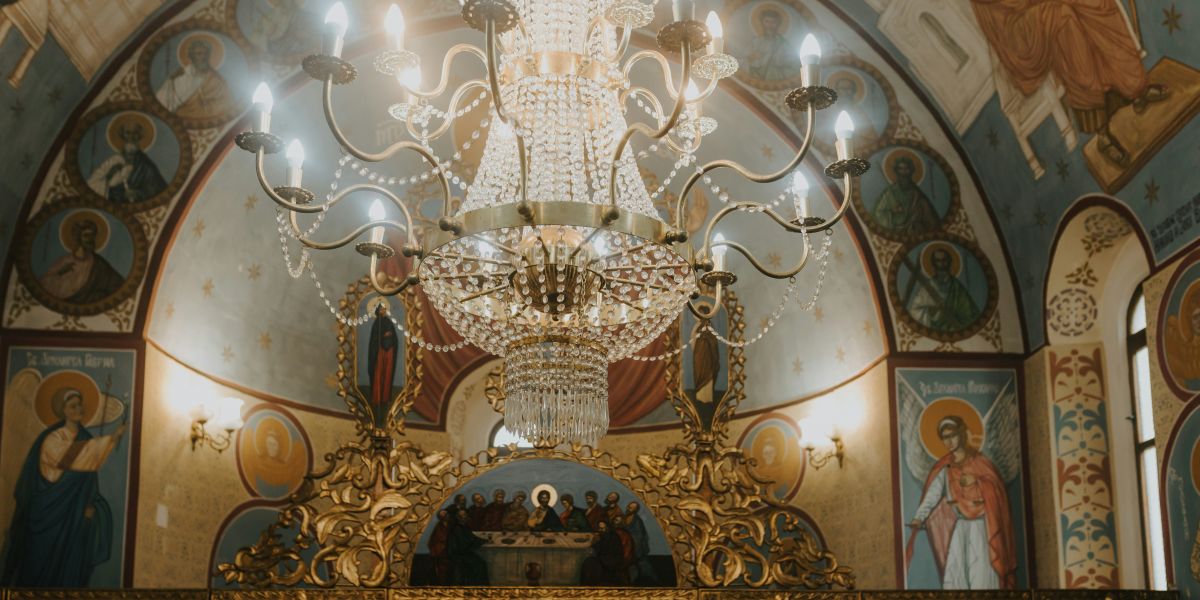


When people think about art, galleries, and collectors, Orthodox Jewish communities are not always widely associated with the contemporary art world. Many Orthodox Jewish communities place a strong emphasis on religious tradition and community life, which can result in a more inward-focused cultural structure. So, it might come as a surprise to learn that some Orthodox Jewish individuals and patrons have become increasingly involved in areas of cultural preservation and artistic support, contributing to select segments of the art world. Many of these patrons prefer to remain behind the scenes, rather than seeking the spotlight. This involvement raises questions about how religious tradition and contemporary artistic expression can coexist.
The Intersection of Art & Jewish Law: Where Creativity Meets Tradition
For Orthodox Jews, Jewish law (Halacha) governs nearly every aspect of life, including how one should engage with art. One of the most significant influences on art in Orthodox communities is the concept of idolatry, specifically forbidden by the Second Commandment: “Thou shalt not make unto thee any graven image.” This has historically shaped the approach to figurative art within certain Orthodox Jewish contexts. Additionally, there’s the matter of perceptions of modesty (tzeniut), which places a heavy emphasis on how people, particularly women, are depicted in art. In some Orthodox interpretations, artistic depictions that emphasize physical exposure or sensual themes may be regarded as inconsistent with traditional standards of modesty. Despite the inherent tension between art and religious Jewish values, some Orthodox Jewish artists and patrons have found ways to engage with artistic expression while remaining aligned with their religious values, enabling them to contribute meaningfully to the art world while adhering to their religious beliefs.
Navigating the Boundaries: Art and Orthodox Jewish Values
One of the key challenges for Orthodox Jews engaging with art is navigating the boundaries between religious principles and contemporary trends. Much of modern art explores themes like sensuality, self-expression, and the human form, issues that may not always align with Orthodox values. However, many Orthodox patrons and artists have found creative ways to engage with art while maintaining their religious integrity, often focusing on Jewish themes, historical depictions, and abstract representations of spirituality.
One area of involvement for some Orthodox Jewish individuals is the preservation of Jewish cultural and historical materials. From restoring ancient Torah scrolls to collecting Jewish-themed art, they are dedicated to preserving Jewish history for future generations. In certain cases, Orthodox Jewish patrons have supported museums, galleries, or cultural initiatives connected to Jewish history and art. Many patrons often go beyond merely collecting works of art and are actively involved in the preservation and restoration of Jewish art in both religious and secular contexts. Their efforts represent a form of cultural transmission, ensuring that Jewish traditions and values continue to thrive through artistic expression.
Behind the Scenes: The Quiet Role of Orthodox Art Collectors
Though they may not be widely recognized in mainstream art circles, some Orthodox Jewish patrons are involved in supporting artists and cultural initiatives. Many of these individuals prefer to remain out of the public eye, working quietly within their communities to support artists and cultural institutions. Much of their contribution happens behind closed doors, in private collections or through discreet donations. While these patrons often avoid the spotlight, their involvement can be observed within both Jewish-focused and broader artistic contexts.
Notable Orthodox Jewish Figures in the Art World
Nachman Hellman, based in Monsey in the greater New York metropolitan area, is a dedicated collector of Judaic and Orthodox-themed art. His collection reflects a deep engagement with Jewish visual culture, and his support extends beyond private collecting. Hellman has lent works to public exhibitions, including the inaugural exhibition at the Betzalel Art Gallery in Crown Heights, helping to bring Orthodox-inspired art into a wider communal and cultural view.
Dovy Andrusier and Shmuel Pultman are prominent Orthodox figures in Brooklyn who, while primarily operating as art dealers, also play a broader role in cultivating appreciation of Jewish art. Together, they run Betzalel Art Gallery in Crown Heights, a space dedicated to showcasing Jewish artists and fostering a culture of collecting within New York’s Orthodox community. Their work bridges commerce and cultural stewardship, positioning the gallery as a hub for contemporary Jewish visual expression.
Abe Kugielsky, a Modern Orthodox collector and entrepreneur based in the New York area, operates a Judaica and antique auction business specializing in historically and culturally significant objects. In addition to his work in the art and collectibles market, Kugielsky is an accomplished photographer whose documentation of Hasidic life has been featured in public exhibitions. His dual roles highlight the ways Orthodox lived experience intersects with both historical artifacts and contemporary visual culture.
Seymour Braun is a New York–based attorney and seasoned art collector with a particular passion for Old Masters and works from the Golden Age of Dutch painting. A long-time supporter of the arts, Braun is deeply invested in the preservation of culturally significant works. Through his collecting and restoration efforts, he has contributed to the safeguarding of important art pieces while also supporting emerging artists, ensuring continuity between artistic heritage and future generations.
Ultimately, the growing presence of Orthodox Jews in the art world challenges long-held assumptions about who participates in shaping cultural life and how tradition can coexist with creative expression. Far from standing in opposition to art, these collectors, patrons, and artists demonstrate that religious commitment can inspire thoughtful engagement rather than withdrawal. By working quietly, often behind the scenes, they are preserving heritage, nurturing contemporary talent, and expanding the boundaries of what religiously grounded art patronage can look like. Their influence may not always be visible on gallery walls or auction headlines, but it is still having a ripple effect in the art world. In this sense, the quiet revolution led by Orthodox Jews is not about transforming art to fit tradition, but about allowing tradition to thoughtfully converse with the evolving language of art itself.
Disclaimer: This article is intended for informational and cultural discussion purposes only. It reflects general observations and publicly available information about Orthodox Jewish engagement with the art world and does not claim to represent the views, beliefs, or practices of all Orthodox Jewish individuals or communities. References to specific individuals, institutions, or religious concepts are included solely to provide context and should not be interpreted as endorsements or definitive characterizations. Any interpretations of religious law or cultural practices are presented in a general, non-authoritative manner.