
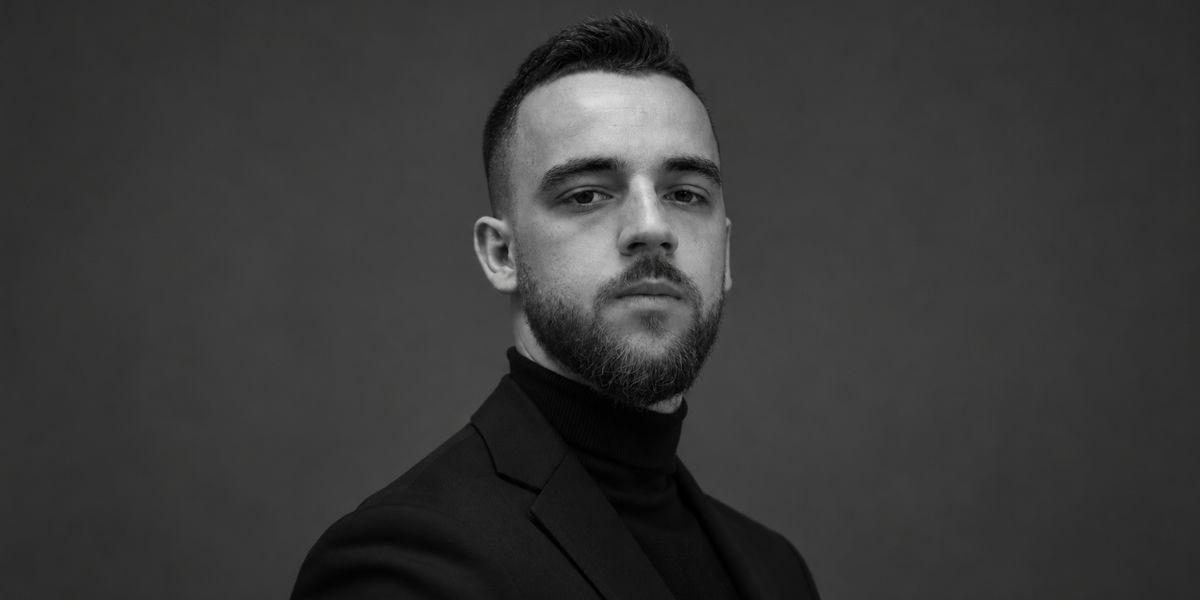

Fabion Kallaku makes videos that show people what AI tools can actually do. The Albanian creator studied computer science, then built an audience by walking viewers through real projects. His content has reached millions of viewers, and he has worked with over 100 AI companies. He is now co-founder of Creatora, an agency for AI and technology brands, a business built around AI influencer marketing.
Fabion also collaborates on ad creatives and product campaigns with creative AI companies including Runway and Higgsfield. Alongside Creatora, he is building NextShift AI, a platform designed to help people learn how to create with AI and develop professional skills around that craft.
What AI Influencer Marketing Looks Like in Practice
Creatora works with AI and technology companies to find creators who understand their products. The team shapes campaign briefs and manages the work from outreach and negotiation through approvals, publishing, and reporting. It also helps the creators it represents handle their own brand partnerships, as the Creatora company page on LinkedIn sets out.
Fabion describes a common scenario. A brand arrives with a new AI video tool and wants product trials. Creatora looks for creators whose audiences already make video, then works with them on a concept that gives viewers a reason to try the tool. Good AI influencer marketing, in his view, starts with the audience and works backward to the product.
The value of AI influencer marketing runs in two directions. AI companies reach creators who can teach their audiences something useful. Creators get clarity on the commercial side, including deliverables, timing, compensation, and how a brand may reuse their work.
Why Fabion Started Creatora
Creatora grew out of his own work as a creator. Fabion posted short videos that showed AI tools inside a real creative workflow. More brands approached him. He learned how much the outcome depended on who the video was for, what it showed, and what the viewer could do next.
He also noticed how much time brands and creators spent finding each other and sorting out deal terms. That gap shaped the agency. AI influencer marketing works better when the creator’s perspective enters campaign planning at the first brief, not after the script is locked.
The early challenges were practical. Fabion had to turn personal relationships into a service brands could trust across many creators, and every product calls for a different mix of technical fluency, creative ability, and audience fit. Operations were the second challenge. Product access, script feedback, publishing dates, and paid usage rights each needed an owner and an agreed timeline.
The Measurement Question Behind Campaigns
AI products change quickly, and many launches rely on similar claims about speed and quality. Viewers struggle to tell which tool fits their work. A polished final result earns attention, but people usually want to see the steps that produced it before they try the tool.
Measurement is the second issue Fabion raises. Views show how much attention a post earned. Product adoption is a different signal. He advises brands to agree up front on the action they want to track, whether through a link, a code, or their own analytics. AI influencer marketing becomes easier to evaluate once that decision happens before launch.
For a video editing tool, a brief might ask an editor to take one rough clip through a full edit and explain the feature that saved time. His ad creative work for Descript followed similar logic. He produced a two-part video series, and the brand ran it through its paid advertising channels. “Give people a reason to stop, show the product clearly, and decide what to measure before the campaign goes live,” Fabion says.
Where AI Influencer Marketing Meets Film and TV
The overlap starts with visual storytelling. Film, television, and short-form ads all depend on what the viewer sees first and whether the payoff feels earned. In his ad work, Fabion often uses cinematic framing and editing so a product demonstration plays like a short story.
AI also helps teams explore ideas before production begins. A storyboard or a rough moving sequence gives a director, editor, or client something concrete to react to. In June 2026, Lionsgate took an equity stake in Runway and announced a joint development program, beginning with a short-form episodic series drawn from Lionsgate’s existing intellectual property. Their earlier collaboration covered pre-visualization, storyboarding, and final-frame production. Fabion sees those as distinct stages. His own test is control after the first generation. Can he revise a shot when the brief changes? Can he keep character and lighting consistent across a sequence?
He expects studios to involve creators earlier in release campaigns. A filmmaker who already teaches lighting could break down a scene for an audience. A comedy creator could build an original piece around the premise of a show. AI influencer marketing fits that pattern when the creator has a genuine connection to the craft behind the project.
Advice for People Entering the Field
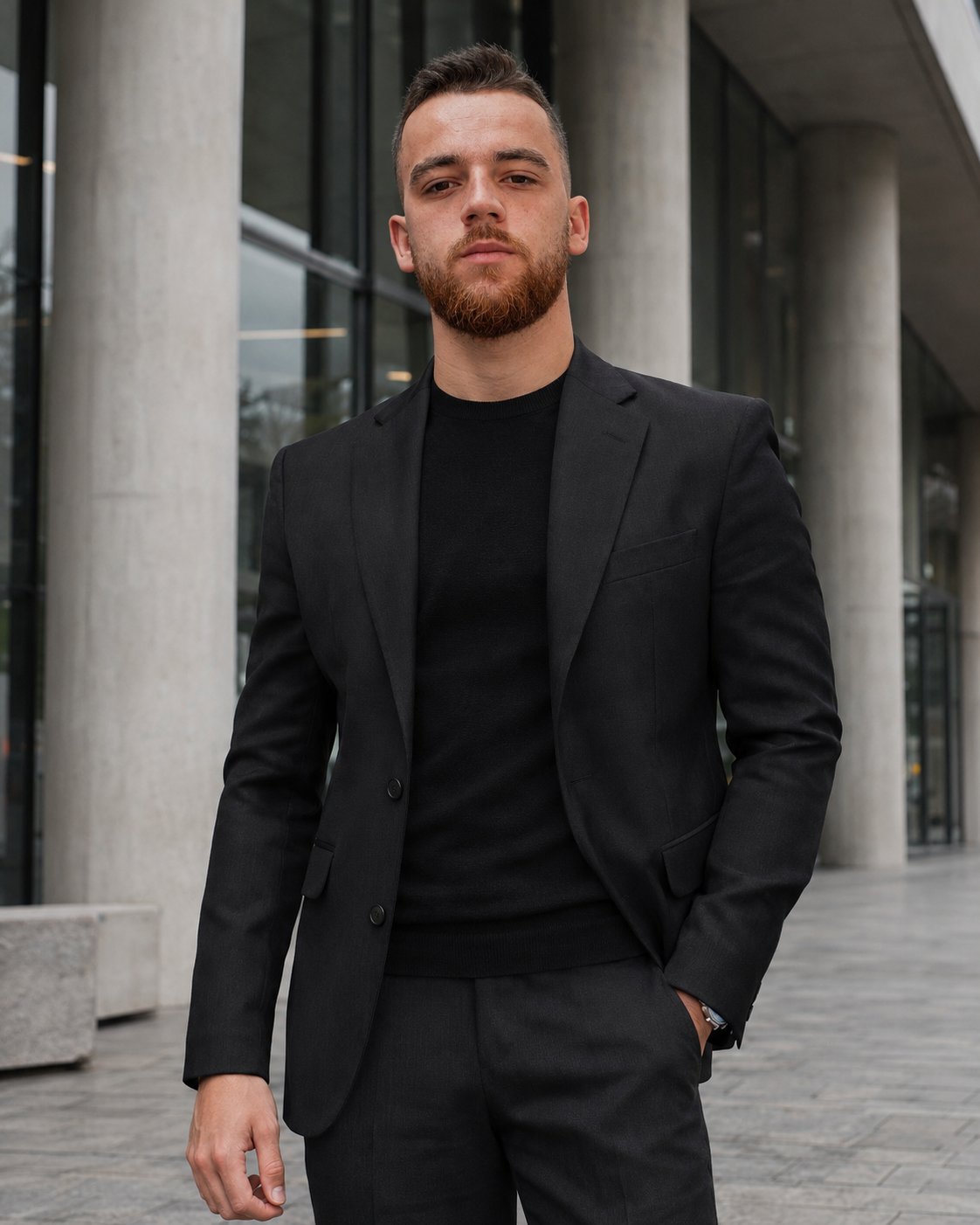
“Start with one person you can help and one problem they already care about,” Fabion says. Anyone who wants to sell AI ad creatives should make a few samples for the type of client they want. Show that you can take a brief, turn it into an idea, and deliver something a brand could run.
Paid work brings the next lesson. Clear communication and a predictable review process matter as much as the creative itself. Track what you agreed to deliver, where the client can use it, and what you learned from the result.
The Next Few Years for Creatora
Over the next two to three years, Fabion wants Creatora to be the agency AI companies call when they launch a product or build a year-round creator program. That means deeper relationships with creators who know their craft and a clearer view for brands of what each campaign achieved.
He also plans to develop NextShift AI into a learning platform for AI creators. The goal is a clear path from a first image or video to a portfolio, a working process, and client relationships. He wants that path open to people without a technical background or an existing audience, which is the same openness that shapes how he approaches AI influencer marketing today.