
When the Espresso Machine Goes Down: Why Emergency Commercial Coffee Equipment Repair Matters in New Jersey and New York City

By: Joselin Estevez
From busy Manhattan cafés to high-volume New Jersey restaurants, equipment downtime can disrupt operations, impact revenue, and compromise the customer experience. Espresso Mio is helping businesses address these challenges with emergency commercial espresso machine repair, technical expertise, and preventative maintenance solutions.
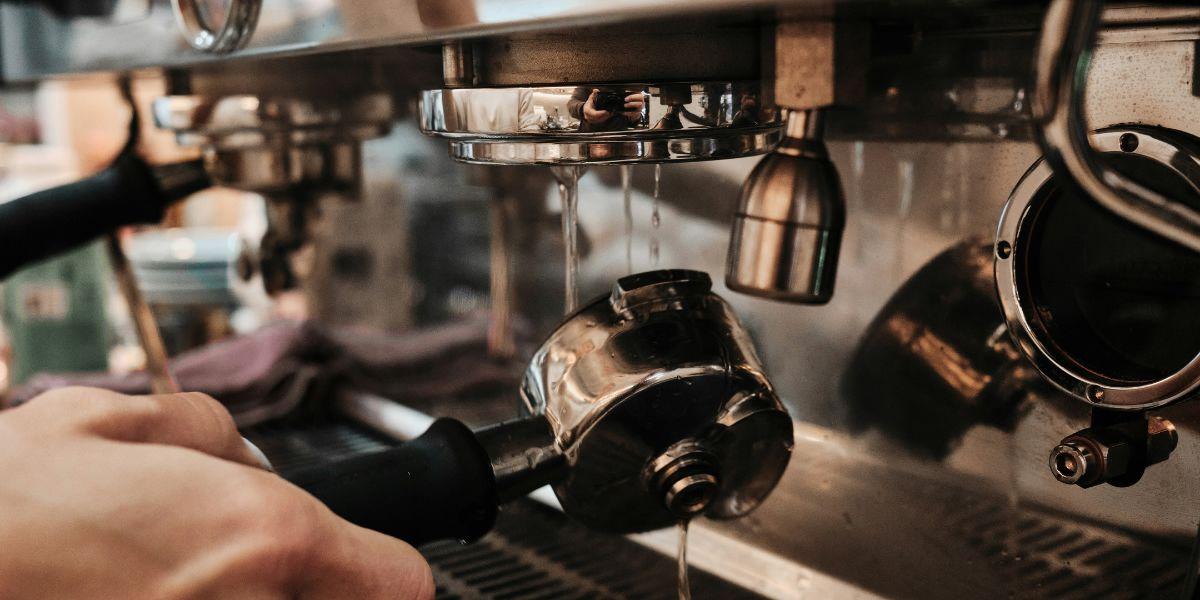
For restaurants, coffee shops, hotels, and other hospitality businesses throughout New Jersey and New York City, a commercial espresso machine is more than another piece of kitchen equipment. It is often a critical component of daily operations, responsible for producing hundreds of beverages, supporting customer satisfaction, and generating consistent revenue.
When that equipment unexpectedly breaks down, the consequences can extend far beyond a missed cappuccino order.
A malfunctioning espresso machine during the morning rush can create long lines, frustrated customers, lost sales, and operational headaches for employees. For businesses that depend heavily on coffee service, even a few hours of downtime can have a measurable financial impact.
That is why access to emergency commercial espresso machine repair in New Jersey and NYC has become an important consideration for hospitality operators.
Espresso Mio, a commercial espresso equipment company led by CEO Vinnie Lisi, specializes in helping businesses maintain, repair, and optimize their coffee equipment. With expertise in commercial espresso systems, including advanced super-automatic machines, the company provides technical support designed to minimize downtime and keep coffee operations running efficiently.
The Hidden Cost of Commercial Espresso Machine Downtime
Commercial espresso machines operate under demanding conditions. Unlike residential coffee makers, professional equipment may be required to produce hundreds of drinks daily while maintaining consistent temperature, pressure, extraction quality, and speed.
In high-volume environments, even minor mechanical or electronic issues can quickly become major operational problems.
Consider a busy New York City café selling 200 espresso-based beverages daily at an average price of $6.50. That represents approximately $1,300 in daily beverage revenue. If the primary espresso machine fails during peak service hours, a significant portion of those sales may be at risk.
The financial consequences can include:
- Lost revenue from unavailable espresso beverages.
- Reduced employee productivity as staff attempt workarounds.
- Customer dissatisfaction and potential negative reviews.
- Additional labor costs associated with operational disruptions.
- Emergency equipment replacement or rental expenses.
- Potential damage to customer loyalty when service interruptions become frequent.
For hotels, corporate offices, restaurants, and convenience stores, the disruption may also affect the broader guest experience.
The underlying lesson is straightforward: reliable coffee equipment is a business continuity issue, not simply a maintenance concern.
Common Commercial Espresso Machine Problems That Require Emergency Repair
Commercial espresso equipment can experience several types of mechanical, electrical, and operational failures. Understanding the warning signs can help operators recognize when professional service is necessary.
1. Machine Not Heating or Producing Hot Water
Heating system failures are among the more disruptive problems facing commercial espresso operations.
When a machine cannot reach or maintain its required operating temperature, beverage quality and service availability may suffer.
Potential causes include defective heating elements, temperature sensors, electrical components, or boiler-related issues.
2. Low Water Pressure or Inconsistent Extraction
Proper espresso extraction requires consistent water pressure and temperature.
When pressure fluctuates, espresso quality can become unpredictable, resulting in weak shots, inconsistent flavor, or complete equipment failure.
Technicians may need to inspect pumps, valves, water supply connections, filters, and internal components to identify the source of the problem.
3. Leaks and Water System Failures
Water leaks can create operational disruptions and potentially damage surrounding equipment or facilities.
Common causes include worn seals, damaged hoses, loose connections, and failing valves.
Significant leaks should be addressed promptly, particularly when water is present near electrical components.
4. Grinder and Brewing System Malfunctions
Modern commercial espresso machines often integrate automated grinding, dosing, tamping, and extraction processes.
A failure in one of these systems can interrupt the entire beverage preparation cycle.
Super-automatic machines may also generate diagnostic alerts indicating problems with brewing units, grinders, sensors, or internal mechanical components.
5. Electronic and Software Errors
As commercial espresso technology becomes increasingly sophisticated, diagnosing equipment failures requires more than traditional mechanical knowledge.
Modern machines may include digital control systems, programmable beverage settings, electronic sensors, and automated cleaning functions.
Technical expertise is essential for distinguishing between software-related alerts, sensor problems, and underlying mechanical failures.
Why New Jersey and NYC Businesses Need Specialized Espresso Machine Technicians
The New York metropolitan area presents unique challenges for commercial coffee equipment operators.
In Manhattan, cafés and restaurants often operate in compact spaces with limited room for backup equipment. High customer volume and demanding service schedules can make unexpected machine failures especially disruptive.
Across New Jersey, restaurants, corporate campuses, hotels, bakeries, and independent coffee shops face similar pressures.
For these businesses, finding a qualified commercial espresso machine repair technician is not always as simple as calling a general appliance repair company.
Professional espresso equipment contains specialized components that require familiarity with commercial brewing technology, hydraulic systems, electrical controls, and manufacturer-specific configurations.
This becomes particularly important for businesses operating premium super-automatic espresso machines.
Espresso Mio focuses on commercial espresso equipment service and support, helping businesses address equipment failures while developing strategies to improve long-term reliability.
Thermoplan and the Growing Complexity of Super-Automatic Espresso Machines
One area where specialized expertise is particularly valuable is the maintenance and repair of super-automatic espresso equipment.
Swiss manufacturer Thermoplan has established a significant presence in the commercial coffee industry, including its longstanding relationship as a supplier of super-automatic espresso machines to Starbucks.
These sophisticated systems integrate multiple functions into a streamlined brewing process, allowing operators to produce consistent beverages with less manual intervention.
However, their complexity also makes specialized service knowledge important.
Thermoplan machines and other commercial super-automatic systems can include advanced brewing units, integrated grinders, automated milk systems, electronic controls, and sophisticated cleaning processes.
When these components malfunction, accurate diagnosis is critical.
Espresso Mio’s experience with Thermoplan equipment positions the company as a resource for businesses seeking support with commercial super-automatic espresso technology.
Whether a business operates a high-volume café, corporate coffee program, hotel beverage station, or restaurant, understanding the maintenance requirements of these systems can help reduce costly interruptions.
Emergency Repair Is Only Part of the Solution
Although emergency service is essential when equipment fails, preventative maintenance is often the more economical long-term strategy.
Commercial espresso machines are exposed to heat, moisture, mineral deposits, pressure, and constant mechanical movement.
Without appropriate maintenance, small issues can gradually develop into expensive equipment failures.
A comprehensive preventative maintenance program may include:
- Inspection of boilers, pumps, valves, and water connections.
- Cleaning and servicing brewing components.
- Grinder calibration and performance evaluation.
- Water filtration inspection and scale prevention.
- Testing temperature and pressure consistency.
- Reviewing diagnostic alerts and error histories.
- Replacing worn components before they fail.
- Evaluating overall machine performance and beverage consistency.
For operators with multiple locations, consistent maintenance procedures can also help standardize equipment performance across an entire organization.
Espresso Mio supports businesses with ongoing maintenance solutions intended to extend equipment life, reduce unexpected breakdowns, and improve operational efficiency.
Vinnie Lisi: Commercial Coffee Equipment Reliability Is a Business Priority
According to Espresso Mio CEO Vinnie Lisi, operators should consider the operational impact of equipment failures when evaluating their commercial coffee programs.
“When a commercial espresso machine goes down, it’s not just a technical problem. It’s a business problem. Restaurants, hotels, and coffee shops depend on this equipment to serve their customers and generate revenue. Our focus at Espresso Mio is helping operators get their equipment back into service and, just as importantly, helping them avoid preventable breakdowns through proper maintenance and technical support.”
– Vinnie Lisi, CEO of Espresso Mio
Lisi’s perspective reflects a broader shift in the commercial coffee industry, where equipment reliability, automation, and technical service are increasingly interconnected.
As more hospitality businesses invest in advanced super-automatic machines, the availability of qualified technicians and dependable service programs becomes an important factor in equipment ownership.
The purchase price of a machine is only one component of its total cost. Maintenance requirements, replacement parts, repair frequency, and potential downtime should also influence purchasing decisions.
What to Do When Your Commercial Espresso Machine Breaks Down
When an espresso machine stops functioning, business owners and managers can take several steps to help expedite professional repairs.
First, identify the machine’s manufacturer, model number, and any error messages displayed on its control panel.
Second, document the symptoms. For example, determine whether the machine has stopped heating, lost pressure, developed a leak, or failed to complete its brewing cycle.
Third, check whether the issue affects the entire machine or a specific component, such as the grinder or milk system.
Operators should avoid opening electrical panels, bypassing safety mechanisms, or attempting repairs involving pressurized boilers.
If a machine is leaking significantly, producing smoke, or exhibiting an electrical hazard, discontinue use and follow the manufacturer’s safety procedures.
Finally, contact a commercial espresso equipment service provider with experience handling the specific machine type.
Providing accurate diagnostic information can help technicians prepare for the service call and potentially reduce the time required to identify the problem.
Commercial Espresso Machine Repair Across New Jersey and New York City
Businesses searching for commercial espresso machine repair in New Jersey or New York City should prioritize providers with relevant equipment expertise, responsive communication, and the ability to support their operational requirements.
This is especially important for organizations operating sophisticated super-automatic systems or managing coffee equipment across multiple locations.
Espresso Mio works with commercial coffee operators on equipment repair, maintenance, and technical support, with a focus on helping businesses maintain dependable beverage service.
For hospitality businesses throughout the New York metropolitan market, a proactive service relationship can be an important investment in operational continuity.
Keeping the Coffee Flowing
In a competitive hospitality market, customers expect speed, consistency, and quality.
A reliable espresso machine helps deliver all three.
When equipment fails, access to knowledgeable commercial espresso machine technicians can make a meaningful difference in how quickly a business restores normal operations.
But the greatest value may come from preventing those failures in the first place.
Through commercial espresso machine repair, preventative maintenance, and specialized expertise in super-automatic equipment, Espresso Mio aims to help businesses protect their investment and maintain the coffee service their customers expect.
For businesses seeking information about emergency commercial espresso machine repair, Thermoplan service, or preventative maintenance solutions in New Jersey and New York City, visit Espresso Mio.
About Espresso Mio
Espresso Mio is a commercial espresso equipment company led by CEO Vinnie Lisi. The company specializes in commercial espresso machines, super-automatic coffee equipment, technical service, preventative maintenance, and equipment restoration. With experience supporting advanced commercial brewing systems, including Thermoplan technology, Espresso Mio helps hospitality and commercial operators maintain reliable coffee programs.