
By: Elena Mart
Brain Bristle, the Mumbai-based non-profit building autism inclusion in low-income schools, launches Modules of Learning for Inclusion, a year-long digital training for schools and non-profits. Founder and CEO Devangana Mishra explains why she built it and who it is for.
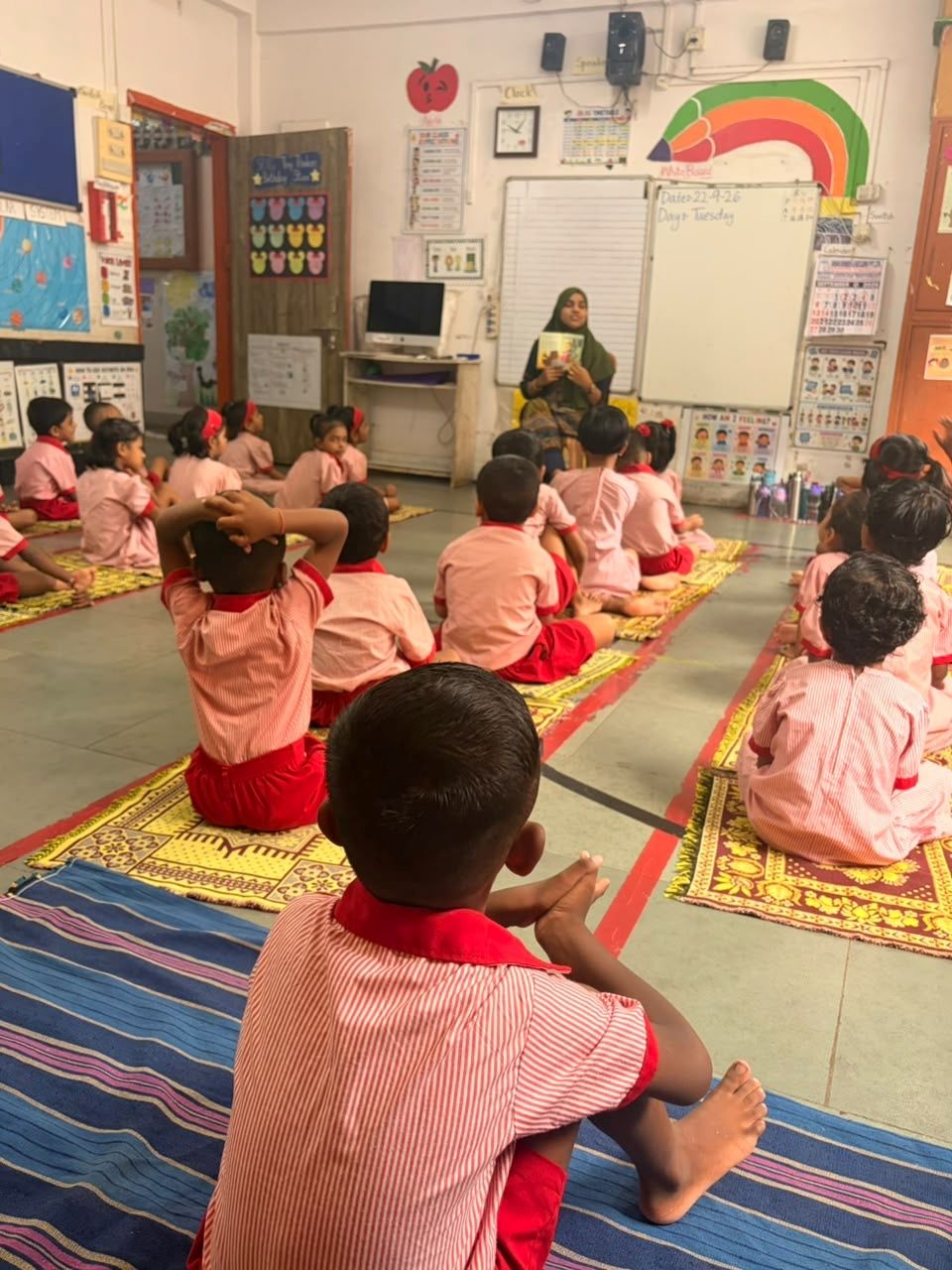
Brain Bristle works inside 16 low-income schools in Mumbai, where its Social Work Fellows sit alongside students with intellectual disabilities on the autism spectrum, their parents and their teachers. Its new platform, Modules of Learning for Inclusion, takes that classroom practice of inclusion online for any school that wants it. The training opened two weeks ago with 25 teachers from across Mumbai, Bangalore, Jaipur and Kolkata for its pilot year.
What Are The Modules Of Learning For Inclusion?
It is Brain Bristle’s digital training platform. A year of learning, module by module, across autism, curriculum, teaching pedagogy, and inclusion, for schools and non-profits that want to include children with special needs and do it really well. It takes what our Social Work Fellows get trained in and practise every day in Mumbai’s classrooms and puts it in the hands of a teacher anywhere across the country.
Why Launch It Now?
Because the need is large and we must make the most of these digital platforms that we have at hand, with their abundance today. For years we have worked directly with students, parents and teachers inside schools. Yes, that work is deep, and it is slow, iterative by design.
These year-long digital modules, though, are how we will reach the schools we cannot walk into daily. Our aim is to bring 100 more schools onto the path to inclusion over the next 3 years.
Why do a full year?
Because Inclusion training for some of our highest-needs children isn’t a weekend workshop; it is a skill we must diligently get our teachers trained in, with the learning and time it requires. Learning, leading, becoming all takes time! An interested teacher can attend a two-day training, feel moved, and return on Monday to the same classroom chaos and the same questions. A year-long immersion lets a school truly learn and grow confidence in building inclusion of autism and ID; try it by the weeks and months, come back, ask questions, learn, revise, and then learn the next thing. [After the digital year, schools can continue into a second year of advisory support from our team.]
Who Is It For?
Schools, teachers, social workers, special educators, psychologists, counselors, and non-profits in the disability space. Basically anyone who shares a classroom with a child who learns differently. We built it for places where there is no special educator down the corridor and no budget for one. That is the reality of a great many schools in this country.
What Will A Teacher Actually Learn?
How to understand autism before trying to manage it, to adapt a lesson so one curriculum can hold many kinds of minds, to read behaviour as communication, to understand the non linearity of success for special needs children, to set academic and behavioural goals for a child and follow them month on month, to work with parents as partners and much more. Every module ends in something a teacher, any teacher, can use the very next morning!
What Does An Inclusive School Look Like To You?
I’ve worked and helped build inclusive schools for over a decade and a half across the world now, so my hope is we move from saying “we admit some children with special needs” to saying “we are a proud inclusive school”. That shift is a change in identity for a school. The child with autism is not a work of charity in the classroom; he’s an asset when he’s educated and included well. In an inclusive school, the timetable, the teaching, the playground, the staff room, the bell, the lessons, all of it has made room to accommodate any child who walks in.
Your Work Began With Autism. Is This Training Only About Autism?
Autism is where I began, but inclusion and education are what I’ve built expertise in, through my work of building inclusion. So this training is for any teacher who learns to truly see a child who learns differently, because she/ he then becomes a better teacher for every child in the room. The modules hold autism, education, teaching pedagogy, curriculum, and inclusion together, because in a classroom they are never separate.
You Are Also A Writer And An Artist. Does That Shape How You Teach?
Entirely, good writing is good thinking. I wouldn’t know how to teach if I didn’t know how to write. I studied autism, but I taught across schools as a writer. What I have carried with me for all these years is that the better we learn, the better we write, the better we teach, the better we create- that method has shaped a lot of my work.
How Can Schools Sign Up?
We’re closed for this Year 1 of Modules of Learning for Inclusion, but we’ll begin taking applications for our second year by the summer of 2027! Stay tuned and follow us on Brain Bristle to learn more.
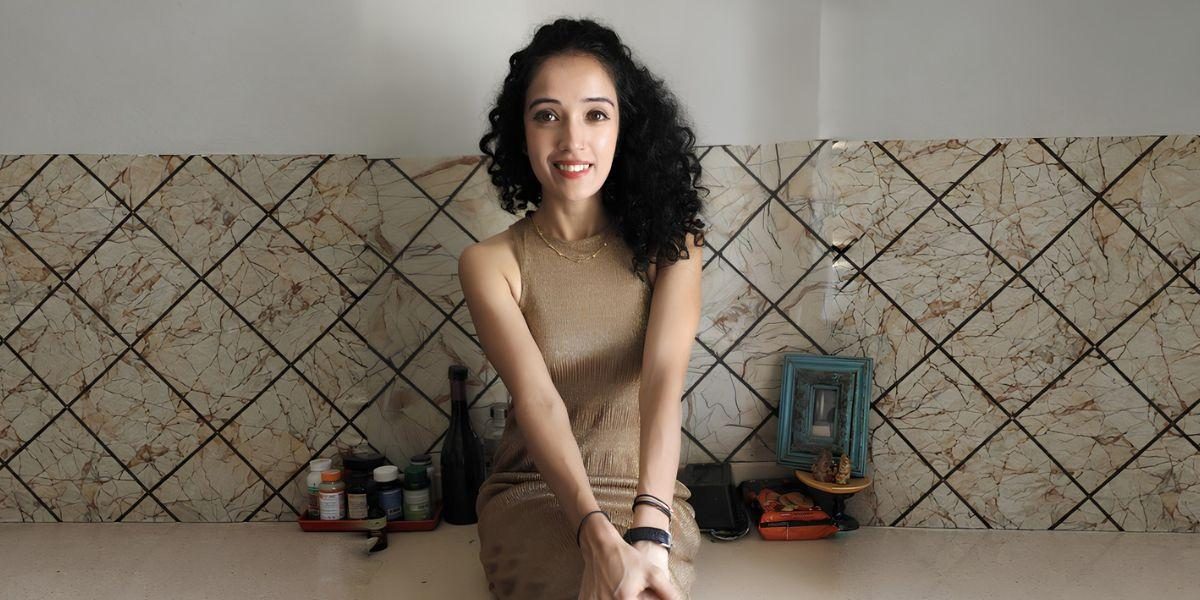
Devangana Mishra is a writer, poet, artist, and the Founder/CEO of Brain Bristle, a non-profit building equitable education and inclusion for students on the autism spectrum across Mumbai’s low-income schools and pan-India via training and research. She studied autism and intellectual disabilities at Teachers College, Columbia University, and is the author of the verse novel 26, Kamala Nehru Ridge, Civil Lines, Delhi and Desierto Florido.
Disclaimer: This article is intended for informational purposes only. The views and experiences shared are those of the individuals and organizations featured and do not necessarily reflect universal practices or outcomes. Readers are encouraged to conduct their own research and consult qualified professionals when appropriate.