
By: Jeremy Murphy
When Fashion Broke the Rules
As MoMA PS1 celebrates its 50th anniversary, a new exhibition resurrects the rebellious fashion scene of the early 1980s, with rare contributions from author, TV personality, and PR guru R. Couri Hay, filmmaker and photographer Anton Perich, Charles James’s last protégé Homer Layne, and designers Willi Smith and Betsey Johnson.
Before fashion exhibitions became blockbuster museum attractions, a group of rebellious New York designers was turning clothing into art inside a former public school building in Queens. Garments were pinned to walls, draped over furniture, suspended like sculptures, and sometimes covered in plaster.
Now, half a century later, MoMA PS1 is revisiting that experimental era with New York Fashion at PS1, 1980–1984, an exhibition celebrating the museum’s 50th anniversary and the extraordinary creative community that helped redefine the relationship between fashion and contemporary art. On view through March 15, 2027, the exhibition recreates installations originally conceived by the late stylist and independent curator Hollywood Di Russo, whose unconventional presentations brought together emerging designers, established fashion figures, and downtown artists.
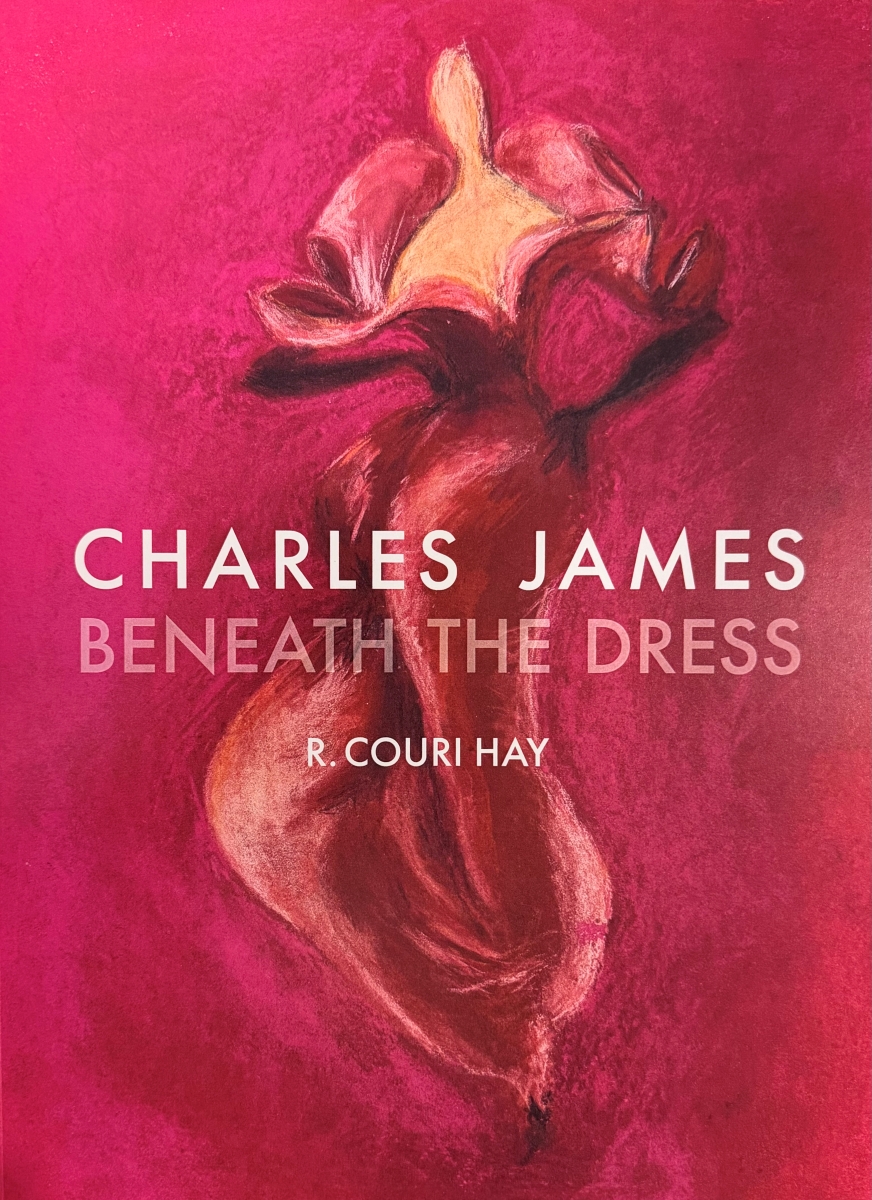
Curated by Kari Rittenbach, the exhibition features designs by Betsey Johnson, Willi Smith, Julio Espada, Homer Layne, and legendary couturier Charles James, alongside archival photographs, films, drawings, and historical materials. Among its contributors is longtime New York cultural figure R. Couri Hay, the author of the book “Charles James: Beneath The Dress.” Hay also lent a group of rare Charles James drawings from his personal collection, including fashion illustrations and provocative erotic works.
For Hay, the exhibition represents something of a homecoming. “I was the original emcee for the opening of PS1,” he recalls of the museum’s beginnings in 1976. “At that point it was a huge, emptied-out building; just beginning to be filled with art.”
He remembers arriving with a spirited collection of artists, writers, and poets, including his friend, artist Colette. “We all paraded out there from Manhattan along with a couple of hundred young artists, writers, models, painters, and poets, it really was a wild scene 50 years ago,” Hay recalls.
Fashion Without Boundaries
Between 1980 and 1984, PS1 presented ten fashion exhibitions, most organized by Di Russo, challenging conventional ideas about how clothing should be displayed. Rather than presenting immaculate mannequins in carefully controlled galleries, designers treated garments as experimental objects. Clothing appeared stuffed, flattened, suspended, and transformed into sculptural installations. “It was the opposite of what you would see at the Costume Institute at the Metropolitan Museum,” Hay explains. “The curators would pin the clothes to the walls, hang them from the ceilings and put plaster all over them and mold them into sculptures, and, of course, everyone pranced around in their own concoctions, vying to be photographed by Patrick McMullan and Anton Perich.”
The original exhibitions captured an extraordinary moment in New York cultural history, when fashion, performance, nightlife, and contemporary art frequently overlapped. The current exhibition revisits work by Ronald Kolodzie, Adrienne Scott, Lloyd Allen, Gary Cathey, Valborg Fletre Linn and Yeohlee Teng, alongside better-known names including James, Smith and Johnson. Their contributions reflected changing attitudes toward gender, personal identity, and professional dress as American workplaces and social conventions evolved.
Smith, whose WilliWear label helped democratize fashion, brought an energetic, accessible approach to design. Johnson’s irreverent creations challenged traditional femininity, while other participants explored unconventional construction, silhouettes, and the possibilities of clothing as artistic expression. Archival photographs, printed materials, and original exhibition documentation help reconstruct this influential but frequently overlooked chapter in New York fashion history.
Charles James, Captured on Film
Two films provide particularly compelling windows into the period. Made in New York, a rarely screened 1984 WilliWear production directed by Les Levine, features appearances by Smith, choreographers Bill T. Jones and Arnie Zane, artist Jenny Holzer, and sculptor Arman.
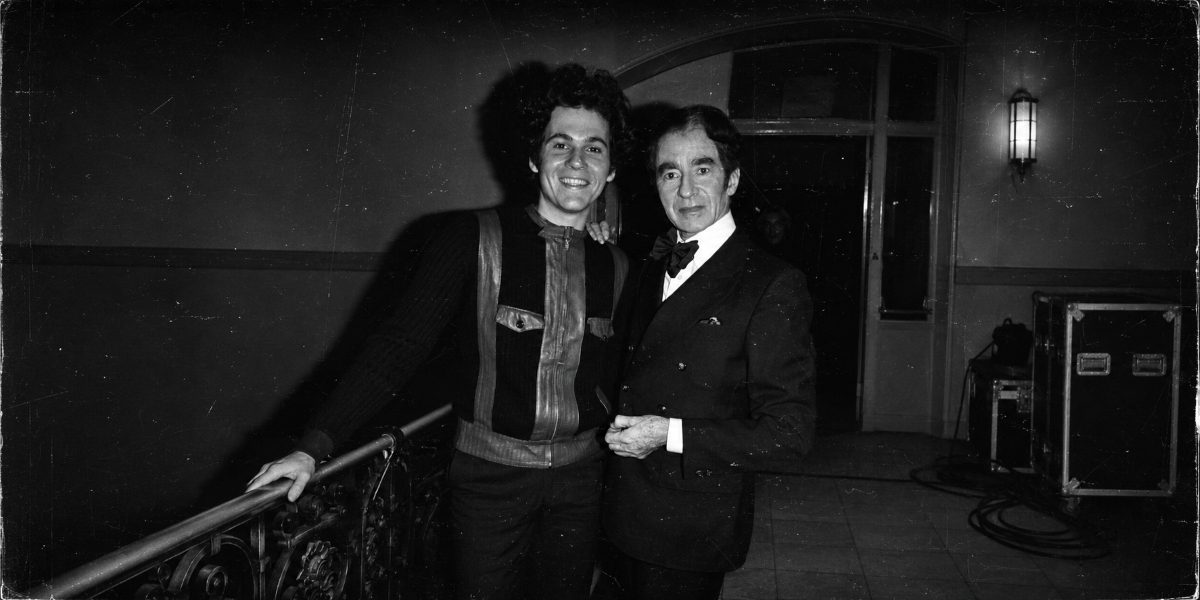
The second, filmed by artist Anton Perich with interviews by Hay, documents an extended series of conversations with Charles James at the Chelsea Hotel, where the celebrated couturier spent his final years. Hay conducted the interviews over several years, continuing until James’s death in 1978. The project’s extraordinary length was encouraged by Hay’s friend and mentor Andy Warhol. “I told him, ‘We just filmed three hours.’ Make it longer. ‘We just filmed 12 hours.’ Make it longer, said Andy,” Hay recalls. “So this went on for several years.”
Inspired by Warhol’s experimental filmmaking, Hay ultimately accumulated approximately 24 hours of footage, although only 20 hours have been located. “I’m searching through my storage to find ‘the lost four hours,’” he says. The film’s handheld, occasionally unsteady, cinematography offers an intimate contrast to the polished fashion productions audiences have come to expect.
A Personal Collection Becomes Public History
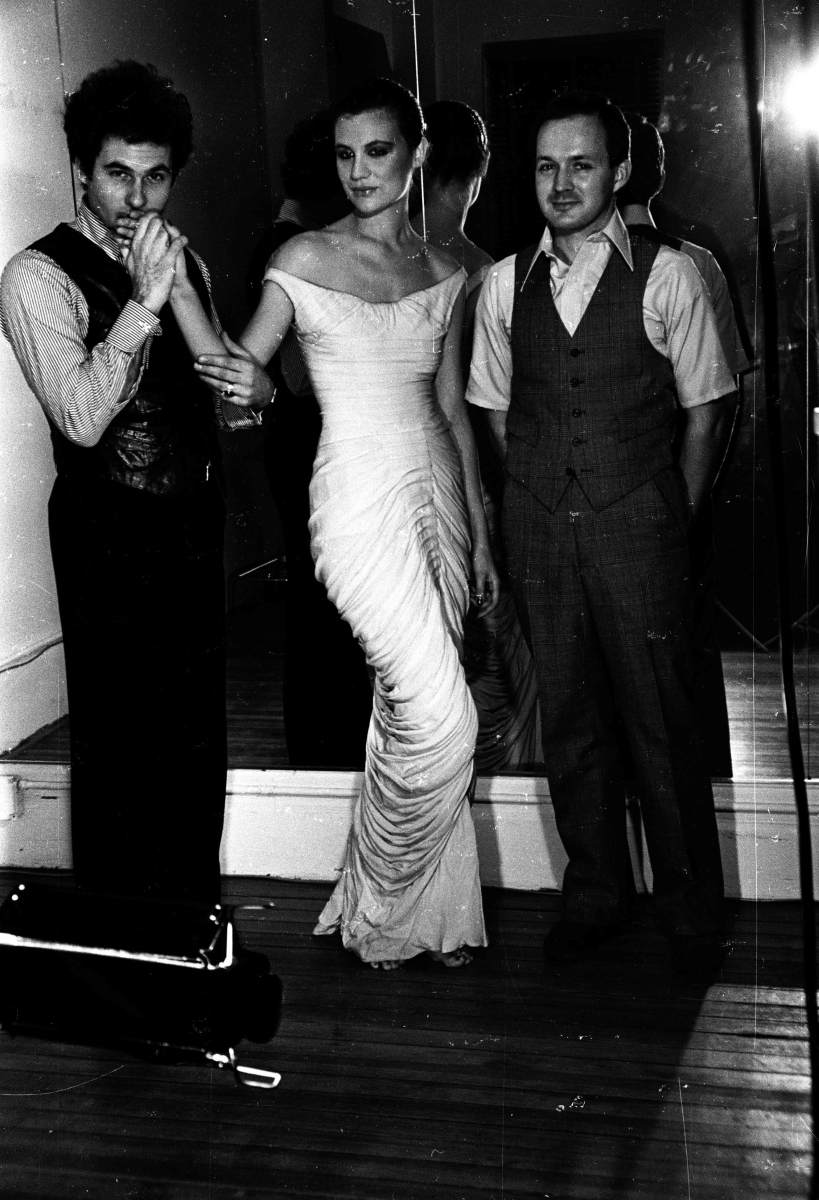
Rittenbach approached Hay, requesting a group of specific James drawings that had appeared in Di Russo’s original exhibitions. Among them are erotic illustrations and a drawing of James’s celebrated white satin eiderdown coat, an early precursor to modern puffer outerwear.
Hay remembers occasionally wearing the remarkable garment to Studio 54. One drawing carries an especially personal connection: James’s depiction of Hay’s backside. “I was rather amused by the curator’s presentation,” Hay says. “On one wall was my bottom, drawn by Charles James, and on the other wall was my face,” appearing in the documentary.
Beyond the humor, the experience prompted reflection on his role in preserving fashion history. Hay says he has already donated approximately 300 James drawings and documents to the Metropolitan Museum of Art and plans to contribute additional works, including illustrations by Antonio Lopez depicting James’s creations.
“I thought I was just a crazy kid, running around the Chelsea Hotel with Lou Reed, Candy Darling, Andy, and Richard Bernstein, who drew all the covers of ‘Interview’ magazine where I worked as one of the original three editors,” he recalls. “Now the film turned out to be something interesting and historically important. ”
He is also working to place the James documentary in MoMA’s permanent collection. For Hay, the exhibition’s greatest achievement is not the personal recognition but the preservation of an extraordinary creative generation. “Charles James is the genius,” he says. “His work needs to be kept and preserved and cared for forever.”
New York Fashion at PS1, 1980–1984 is on view at MoMA PS1 in Long Island City, Queens, through March 15, 2027.