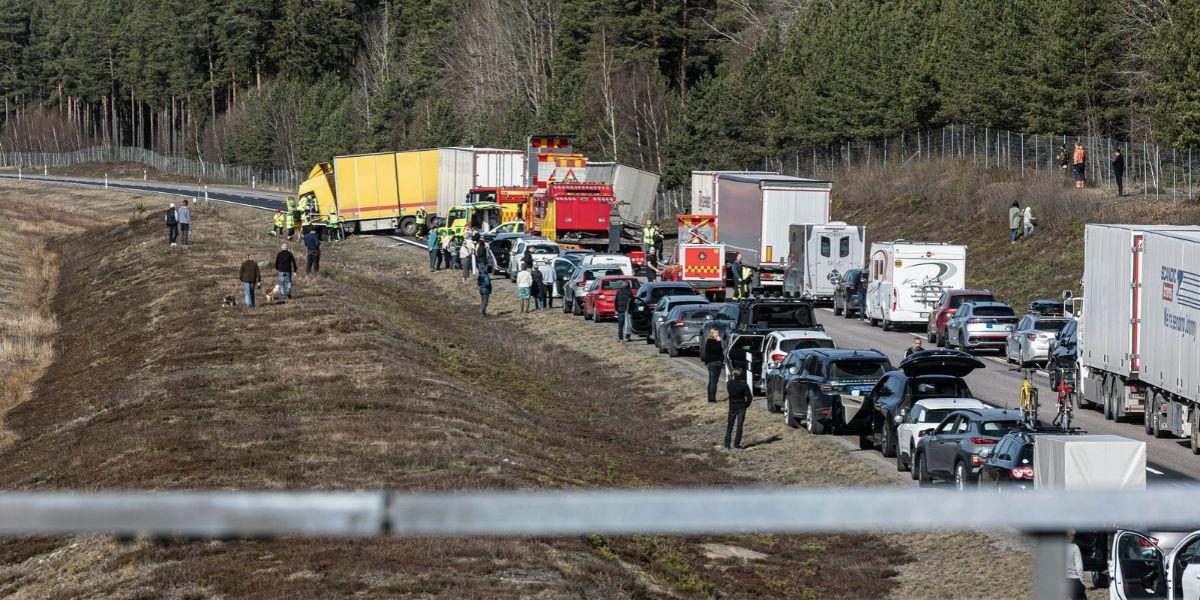

Amityville, New York, is a small South Shore village in Suffolk County, close enough to the Great South Bay that many residents plan weekends around boating, fishing, and waterfront walks. Broadway and Merrick Road form the village’s main commercial strip, lined with local restaurants, shops, and family-run businesses, while Sunrise Highway and the Southern State Parkway sit nearby and pull in a steady flow of delivery vehicles, tractor-trailers, and regional freight. For a community of this size, that kind of traffic can feel overwhelming, especially during rush hour or when a large rig tries to make a tight turn on a narrow street.
A passenger car has little defense against a loaded commercial truck, and the aftermath of a crash often brings serious injuries, vehicle damage, and a long road to recovery. Families are then left juggling medical appointments, missed income, and calls from insurers they have never dealt with. Speaking with Levine and Wiss truck accident lawyers can help you understand your rights and decide how to move forward.
Identifying Every Potentially Responsible Party
The truck driver is one possible defendant, but liability often reaches beyond the cab. A trucking company may face responsibility for negligent hiring, inadequate supervision, unsafe scheduling, or a driver’s conduct during work duties.
A cargo loader may have placed weight unevenly or failed to secure freight. A maintenance company may have missed a brake, tire, steering, or lighting defect. If a defective component contributed to the crash, a manufacturer may face a product claim.
Government entities can also become involved when road design, traffic controls, or maintenance conditions contributed to the collision. Attorneys review contracts, ownership records, dispatch instructions, and maintenance arrangements to determine each party’s involvement and whether that involvement supports a legal claim.
Preserving Evidence Before It Disappears
Commercial vehicles generate records that can change or disappear quickly. Attorneys send preservation demands to relevant parties and request that electronic and paper evidence remain available during the claim.
That evidence may include electronic logging device data, onboard computer information, dispatch records, inspection reports, driver qualification files, and drug or alcohol testing records. Investigators also collect police reports, witness statements, photographs, surveillance video, and available dash camera footage.
Physical evidence matters as well. A damaged truck, trailer, tire, or cargo restraint can show how the crash occurred. Prompt inspection is necessary to prevent repairs, disposal, or ordinary wear from erasing useful evidence.
Proving Negligence and Causation
A successful claim must connect a party’s conduct to the collision and the resulting losses. Attorneys examine whether the defendant owed a duty of care, violated that duty, and caused the crash and measurable harm.
Accident reconstruction specialists can compare vehicle damage, roadway evidence, photographs, event data, and witness accounts. Their analysis can address speed, braking, visibility, lane position, impact angles, and stopping distance.
Medical records then connect the crash to the injured person’s treatment. Attorneys document emergency care, surgery, rehabilitation, prescriptions, work restrictions, and future medical needs. They also calculate lost income, reduced earning capacity, property damage, and non-economic losses.
Managing Multiple Insurance Claims
A multi-party crash often produces several insurance claims with separate adjusters and defense attorneys. Each insurer may blame another defendant, dispute the extent of injuries, or argue that the injured person caused part of the collision.
Truck policies often have higher limits than ordinary passenger vehicle policies because commercial vehicles can cause severe injuries and extensive property damage. That said, higher limits do not warrant fair payment. Insurers review liability evidence closely before approving substantial settlements.
Attorneys coordinate communications, provide organized supporting records, and prevent one settlement from unintentionally affecting claims against other parties. They also review release language carefully because a broad release can end claims against parties that were not fully evaluated.
Negotiating or Filing a Lawsuit
Many truck accident claims resolve through negotiations, but attorneys prepare each case for court. That preparation includes identifying defendants, calculating damages, obtaining expert opinions, and organizing exhibits that clearly explain the evidence surrounding the crash.
A lawsuit also requires attention to deadlines. New York generally gives an injured person three years to file a personal injury claim under CPLR 214(5). However, exceptions and different limitation periods may apply. Claims involving public entities often require additional notice and shorter deadlines.
Early legal review helps preserve evidence and identify the correct filing requirements. Waiting until negotiations fail can leave important records unavailable or reduce the time for filing.
What a Multi-Party Truck Claim Demands
Multi-party truck claims require more than proving that a commercial vehicle caused an impact. The case must identify each responsible party, preserve records, connect conduct to injury, and coordinate separate insurance positions. An injured person should gather medical documents, accident information, photographs, and employer records before meeting with counsel. A prompt case review can reveal deadlines, additional defendants, and evidence that supports a claim for the compensation available under the applicable law. Taking these steps early can give the claimant a clearer path forward.
Disclaimer: The content in this article is provided for general knowledge. It does not constitute legal advice, and readers should seek advice from qualified legal professionals regarding particular cases or situations.