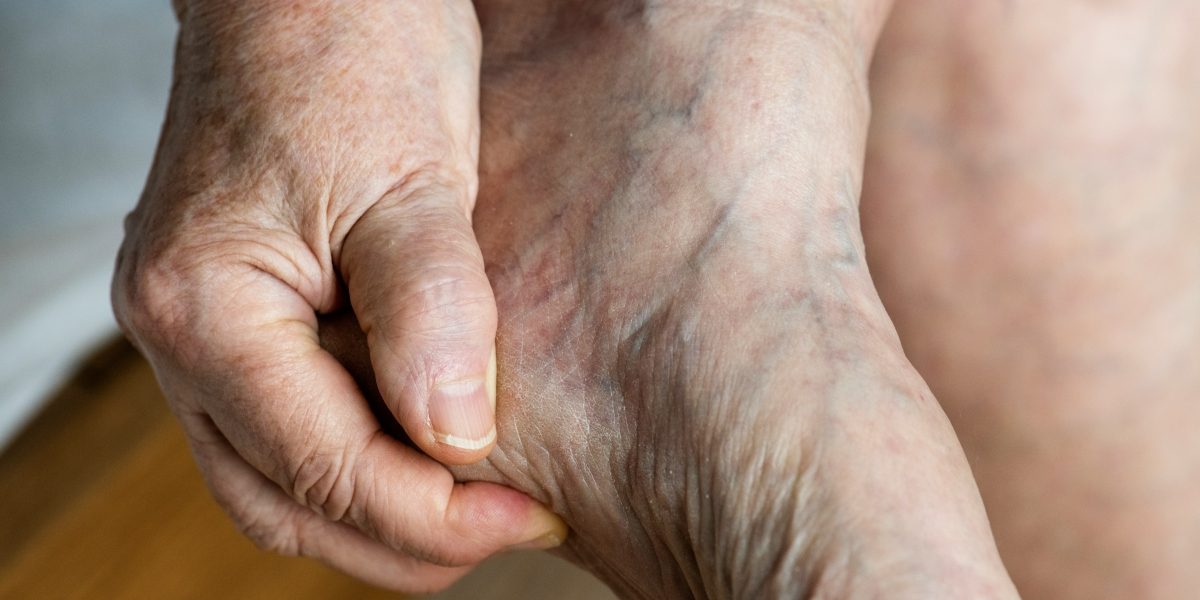

Varicose veins are often dismissed as a cosmetic concern, but swollen, twisted veins can also cause aching, heaviness, itching, cramping, or skin changes. Symptoms may become more noticeable after long days on your feet, during hot summer weather, or after extended travel when movement is limited. For many people, treatment is not simply about making the legs look smoother. It is about identifying the source of the vein problem and choosing care that supports comfort and lasting improvement.
Before scheduling a procedure, patients should consider three questions: Has the condition been properly diagnosed? Does the treatment fit their symptoms and lifestyle? What is the plan for maintaining results over time?
Start With a Complete Vein Evaluation
Visible veins do not always reveal the full problem. A vascular specialist may need to assess blood flow, valve function, and whether deeper veins are contributing to symptoms. Duplex ultrasound is commonly used to examine circulation and identify reflux, a condition in which blood moves backward because vein valves are not closing effectively.
A careful evaluation can help distinguish ordinary spider veins from larger varicose veins or other circulation concerns. It may also reveal why symptoms continue despite compression socks, exercise, or changes in daily activity.
Patients should be prepared to discuss when symptoms began, whether they worsen after standing, any history of blood clots, previous vein procedures, pregnancies, and relevant family history. These details can help the care team recommend an appropriate treatment rather than relying on appearance alone.
Seeking care from an experienced practice, such as Red Sands Vein & Vascular Specialists, can give patients access to specialized assessment and treatment planning in one setting. The goal should be a clear explanation of the diagnosis, available options, expected recovery, and likely outcomes.
Match Treatment to Comfort and Daily Responsibilities
Modern vein care may involve minimally invasive procedures performed in an outpatient setting. Depending on the condition, options can include thermal ablation, adhesive closure, sclerotherapy, or removal of small surface veins. Each approach has different uses, recovery considerations, and potential side effects.
That makes personal circumstances part of the decision. Someone who works at a desk may have different recovery needs than a teacher, warehouse employee, nurse, or restaurant professional who stands and walks for much of the day. A patient planning a beach vacation or a physically demanding event may also need to discuss timing, activity restrictions, and sun exposure after treatment.
Comfort during care matters as well. Patients can ask what type of anesthesia or numbing is used, how long the appointment usually takes, and whether they can drive themselves afterward. They should also understand what normal soreness or bruising may feel like and which symptoms require prompt follow-up.
Treatment should never be selected solely because it is advertised as the newest or fastest option. The right choice depends on vein size, location, blood-flow patterns, medical history, and the outcome the patient wants to achieve.
Think Beyond the First Procedure
Treating an existing vein does not prevent every future vein from developing. Genetics, pregnancy, age, prolonged standing, weight changes, and other factors can continue to affect circulation. A long-term plan may therefore include follow-up visits, movement during workdays, leg elevation, regular exercise, or compression when recommended by a clinician.
Patients should ask how results will be monitored and whether additional sessions might be needed. Small surface veins sometimes require more than one treatment, while underlying reflux may need to be addressed before cosmetic improvements can last. Understanding this in advance helps prevent surprise costs and unrealistic expectations.
Make an Informed Decision Before Symptoms Escalate
Painful or rapidly changing veins deserve attention, particularly when swelling, skin discoloration, sores, warmth, or tenderness develops. Early evaluation may clarify whether symptoms are related to venous insufficiency or another condition requiring different care.
The best treatment decision balances diagnosis, comfort, cost, recovery time, and long-term goals. By asking detailed questions and choosing a practice focused on vascular evaluation, not just appearance, patients can approach treatment with clearer expectations and a more practical plan.
Disclaimer: This article is provided for general informational and educational purposes only and does not constitute medical advice, diagnosis, or treatment. Varicose veins and other vascular conditions can vary from person to person, and treatment options should be determined by a qualified healthcare professional following an appropriate evaluation. The information presented should not be used as a substitute for individualized medical care. Readers experiencing persistent, worsening, or concerning symptoms should consult a qualified medical professional for appropriate evaluation and treatment recommendations.