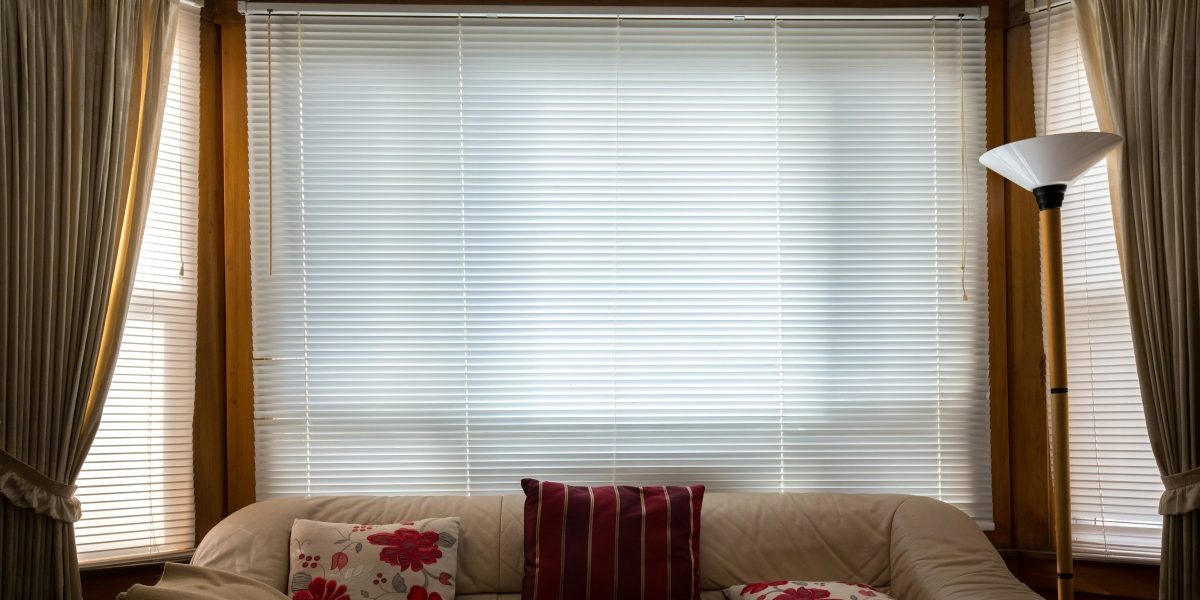

If your bedroom still glows at sunrise even though the window covering says “blackout,” the problem may not be the fabric. Light often slips around the edges, above the headrail, or through the center gap between curtain panels. Fit and installation matter as much as material.
For a clean setup, blackout roller shades cover the glass with one continuous panel and avoid the center opening common with two curtain panels. They work well in small bedrooms, nurseries, and home theaters where bulky fabric can feel intrusive. If you want adjustable light control throughout the day, motorized shades combine sheer and opaque bands that can be aligned for varying levels of privacy and brightness without removing the panel.
Which One Blocks More Light in a Real Room?
There is no automatic winner. A true blackout material may stop light through the fabric itself, while the room still brightens from light traveling around it. Curtains gain an advantage when mounted high and wide because the panels can extend past the frame and cover side and top gaps.
Roller shades solve a different problem. A single flat panel has no vertical center gap, and a properly sized outside-mount shade can cover beyond the glass. Inside-mount shades look neater, but the operating clearance at each side may leave thin lines of light. For near-total darkness, those installation details often matter more than the “blackout” label.
Bedrooms and Daytime Sleep Need Edge Control
Night-shift workers, light-sensitive sleepers, and people with east-facing bedrooms tend to notice even narrow strips of morning light. Curtains can work very well when the rod extends beyond the frame, and the panels are wide and long enough to reduce side and bottom gaps. They are also easy to layer over an existing shade.
Shades suit sleepers who want darkness without covering a large section of wall. They stay close to the window and can be raised completely during the day. A 2022 PNAS study found that one night of moderate room-light exposure increased nighttime heart rate and next-morning insulin resistance compared with sleeping in dim light. That does not make one window treatment medically superior, but it supports keeping unwanted bedroom light low.
Nurseries and Kids’ Rooms Favor Simple Operation
A nursery needs more than darkness. Parents may open and close the window covering several times between naps, bedtime, and daytime play, so predictable operation matters. A roller shade returns to the same lowered position without rearranging two fabric panels or checking whether they have separated in the middle.
Cordless operation deserves special attention in children’s rooms. The U.S. Consumer Product Safety Commission recommends cordless window coverings where young children are present because accessible cords can create a strangulation hazard. Curtains can also work well when securely installed, but long panels should be kept away from cribs and climbable furniture.
Home Theaters and Home Offices Need Different Control
In a home theater, the priority is usually glare reduction. A wide blackout curtain can cover the whole window area, while an outside-mount roller shade creates a cleaner profile and avoids fabric moving near speakers, furniture, or floor vents. If side leakage remains, layering a shade with curtains can outperform either treatment alone.
A home office has a different need. Reducing screen glare without working in darkness all day matters more than total blackout. Shades are easy to adjust and roll neatly away when full daylight is useful, while curtains add softness and style but usually offer less precise control between fully open and mostly closed.
Choose for the Window and the Way You Use It
Curtains make sense for wide windows, decorative bedrooms, rentals, and rooms where generous wall overlap can hide irregular edges. Their larger fabric area can also make a window feel softer and more finished.
Blackout shades are practical for compact rooms, windows beside beds or desks, minimalist interiors, and households that want consistent daily operation. Outside mounting can improve perimeter coverage, and layered options are useful for tall windows or routines tied to bedtime, sunrise, or movie nights.
Before buying, check side clearance, top coverage, bottom gaps, window depth, nearby furniture, and how often the covering will move. Those details determine whether a room feels truly dark more reliably than choosing curtains or shades by name alone.