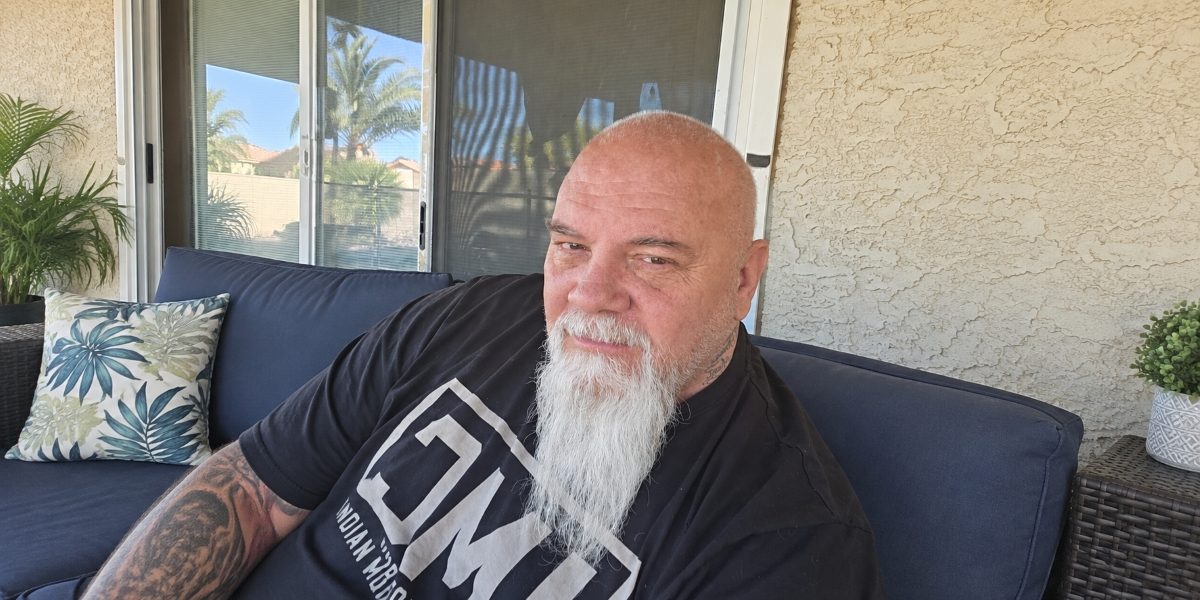

For more than two decades, Roger E. Felker worked in environments where decisions could have immediate and lasting consequences. His career moved through military policing, civilian law enforcement, criminal investigations, supervision, instruction, and specialized federal training. Along the way, he encountered violence, tragedy, humor, difficult choices, unexplained events, and the ordinary moments that rarely make it into public descriptions of police work.
His memoir, Walking This Line: Windows to the Soul, brings those experiences together in an account that is as much about the person behind the uniform as it is about law enforcement itself. Felker describes the book as his version of a modern memoir, originally written for his children so they could better understand who he was, what he experienced, and why his work sometimes kept him away from important family moments.
A Career Built Around Service
Felker’s professional journey began in 1991 when he joined the U.S. Army as a military police officer. His career later included service with the Yavapai County Sheriff’s Office, the Avondale Police Department, and the Hualapai Tribe, where he worked as a criminal investigations supervisor. His training eventually included the Federal Law Enforcement Training Center in Georgia, where he earned federal criminal investigator certification.
The breadth of that experience gives Walking This Line its distinctive perspective. The book moves through military service, patrol work, investigations, training, leadership, family experiences, and the personal consequences of a profession that can demand constant readiness.
Some stories are intense. Others are unexpectedly humorous. Felker explained in his interview that humor became an important survival mechanism among military personnel and first responders. For people regularly exposed to stress, danger, and tragedy, humor can help them stay human in circumstances that might otherwise become overwhelming.
Beyond the Badge
One of the memoir’s most compelling aspects is its willingness to show the author’s evolution.
The younger Felker often approached policing through action, confrontation, and physical courage. Over time, his understanding of effective law enforcement changed. Through his work with gangs and criminal investigations, he came to value relationships and communication more. Building trust within a community, he explains, can be more useful than simply trying to establish authority.
That perspective also appears in the book’s treatment of everyday policing. One story involves a traffic stop in which Felker chooses not to issue a citation after considering the driver’s circumstances. The experience becomes an important lesson about looking at the larger situation rather than treating every violation as an opportunity for punishment.
For Felker, good policing eventually became less about proving who was toughest and more about understanding people.
Honesty, Accountability, and Integrity
Felker does not present himself as a flawless hero. Instead, the memoir includes mistakes, difficult relationships, injuries, personal struggles, and decisions that remain complicated. In his interview, he explained that he deliberately chose not to remove uncomfortable material because he wanted his children to receive an honest account of his life. He believes readers respond to the reality of imperfect people making difficult choices.
That honesty matters especially when the book addresses professional integrity. Felker speaks directly about the concept of the “blue wall” and argues that integrity must remain central to law enforcement. In his view, agencies strengthen public trust when they acknowledge misconduct rather than conceal it.
The memoir therefore extends beyond personal recollection. It raises questions about accountability, responsibility, leadership, and the relationship between public institutions and the communities they serve.
The Human Cost of the Work
The emotional weight of the memoir becomes especially clear in Felker’s reflections on trauma and mental health.
His career ended in 2018 following a serious neck injury. The resulting medical and financial pressures drove profound changes in his personal life and ultimately ended his law enforcement career. The book describes that period not as a simple retirement, but as the closing of an important chapter after years of service to his country and communities.
Felker remains convinced that the career was worthwhile. In the interview, he said he would choose the same life again, while emphasizing that law enforcement and other first-responder professions need to take mental health more seriously. He supports regular opportunities for officers and other first responders to discuss difficult incidents and receive professional support without fearing that seeking help will damage their careers.
A Memoir About the Line Everyone Walks
The title Walking This Line reflects the broader idea at the center of Felker’s story. He describes that line as the balance between work and home, right and wrong, community needs and family needs, and the responsibilities that come with serving others.
That balance is ultimately what gives the memoir relevance beyond law enforcement.
Felker’s experiences include military service, investigations, danger, humor, family, loss, unexplained encounters, professional conflict, and personal resilience. Yet his message isn’t limited to police officers or veterans. He hopes readers will recognize something of themselves in the stories and understand that people may have very different experiences while sharing many of the same emotions.
Today, Felker is retired from law enforcement and spends much of his time writing, creating art, and living away from the profession. His author biography describes more than two decades of law enforcement experience, specialized training, investigative work, instruction, and service as a U.S. Army combat veteran.
Walking This Line: Windows to the Soul is therefore more than a collection of police stories. It is Roger E. Felker’s attempt to preserve a complicated life honestly, explain the choices that shaped it, and leave his readers with a simple idea: despite differences in experience, people remain connected by the human experiences they share.
Where Readers Can Find the Memoir and the Interview
Felker discussed the experiences, challenges, and defining moments behind Walking This Line: Windows to the Soul in a televised segment covering his career in law enforcement and his decision to write about it.
Watch the Fox 10 Phoenix Interview: https://tinyurl.com/2cdnyes6
Get Your Copy:
- Amazon: https://tinyurl.com/fyaaf7y9
- Barnes & Noble: https://tinyurl.com/ehbcx8m3
Explore the Official Website:
- Author website: https://www.refelkerauthor.com/