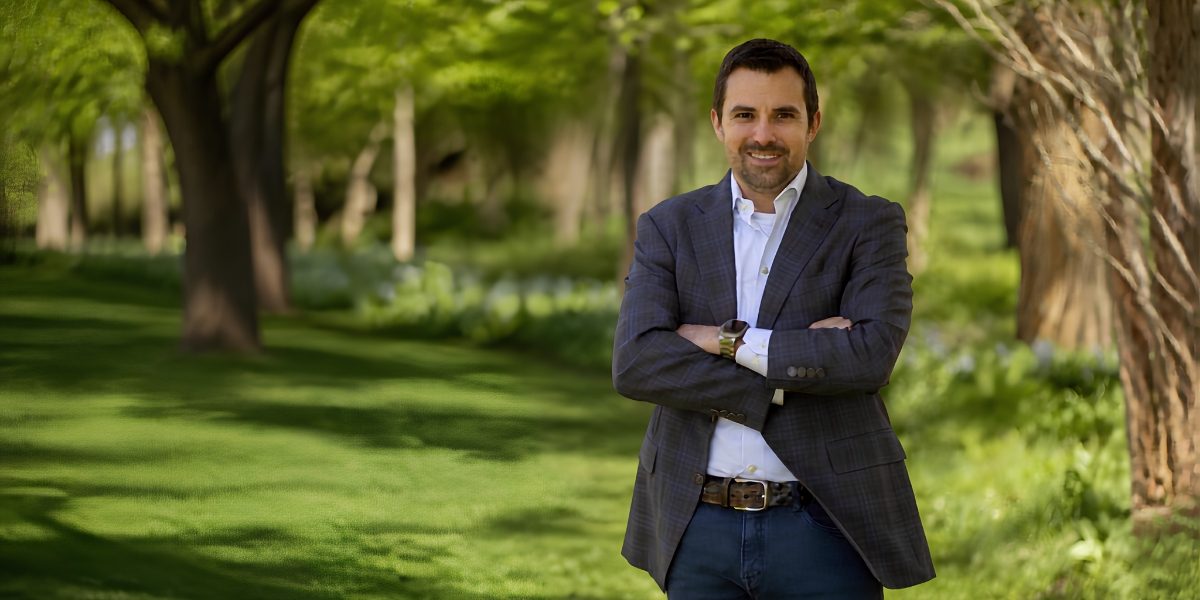

By: Rob Kern
Rob Kern holds an extremely important position in the international hunting and conservation community. As Managing Director of The Hunting Consortium, President of the International Professional Hunters’ Association (IPHA), and Co-Founder of Wild Strongholds, he works in wildlife management, sustainable use, international hunting, and modern communications. With over twenty years of field experience, Kern is now set on making the realities of conservation systems easier for the public to understand and evaluate.
Kern argues that discussions about hunting are often shaped by distance from where wildlife management actually happens. “Most people care about wildlife, but they are often forming opinions about places they have never seen, communities they have never met, and conservation systems they have never been shown,” he says. “The goal isn’t to convince people to hunt; it’s to give people enough context to understand how these systems actually work and let them evaluate the results for themselves.”
That gap in understanding is one reason Kern has emphasized documentation, evidence, and digital communication. Through Wild Strongholds, he wants to show conservation as it functions on the ground, particularly in remote regions where wildlife shares landscapes with agriculture, livestock, communities, and development. For Kern, the most important distinction is between regulated hunting and illegal or unmanaged exploitation. A properly managed hunting program, he believes, is part of an overarching conservation structure that involves population surveys, harvest quotas, government oversight, habitat protection, enforcement, and community participation. The effectiveness of such a system should therefore be judged by what it accomplishes for wildlife rather than by a single photograph or emotional moment.
“Regulated hunting should be evaluated the same way any conservation tool should be evaluated: by outcomes,” Kern says. “Look beyond the photograph and examine the whole system, wildlife populations, habitat, community incentives, anti-poaching work, and what happens over time.”
This concept is reflected in the projects highlighted by Wild Strongholds, which has examined conservation programs for species and landscapes in Central Asia, Africa, and Europe. Examples include markhor recovery, Alpine ibex conservation in Austria, Lord Derby eland protection in northern Cameroon, leopard habitat in Tanzania, mountain nyala in Ethiopia, and community conservation initiatives in Zimbabwe. Kern sees these cases as evidence that conservation models must be evaluated within their local economic and ecological circumstances rather than according to a single global formula. He also emphasizes the importance of local decision-making. “The best decisions come from the people closest to the land and the wildlife, supported by population surveys and field knowledge,” Kern says. In his view, local knowledge is particularly important in remote landscapes, where managers and communities directly experience changes in wildlife numbers, habitat conditions, livestock conflicts, and poaching pressure.
Furthermore, at The Hunting Consortium, Kern oversees business strategy, marketing, client advisory services, international logistics, and regional operations. His responsibilities can include designing hunts, managing permits, coordinating field teams, preparing clients, and overseeing post-hunt processes such as trophy documentation, shipping, and taxidermy. The company operates across Asia, Africa, Europe, the Americas, and the South Pacific, requiring Kern to navigate very different regulatory systems and wildlife-management environments. He has also led efforts to modernize the company’s internal operations through CRM systems, digital workflows, structured communications, and improved client-management processes. These operations build on a regional network developed over decades by Kern and his parents, Robert P. Kern and Margarete Kern, who together established and expanded the company’s field relationships and business infrastructure.
Central Asia also demonstrates the regulatory complexity behind international conservation programs. Following years of post-pandemic permitting disruptions, Kern and The Hunting Consortium team worked through the U.S. regulatory process to resolve more than 100 outstanding import permits involving legally-harvested Marco Polo argali. Kern points to the species as an example of the bigger question he wants the public to examine: whether well-regulated programs create meaningful incentives to conserve wildlife and habitat.
For Kern, the goal is to encourage a more complete assessment of wildlife-management systems. Conservation, he argues, succeeds when wildlife populations remain viable, habitat is protected, communities have meaningful incentives to preserve animals, and management decisions are supported by evidence. Kern’s work reflects an effort to bring greater structure, transparency, and measurable accountability to an industry facing intense public scrutiny, and to ensure that the discussion about wildlife extends beyond the photograph to the conservation system behind it.
For more information, visit https://huntingconsortium.com/.
Disclaimer: This article is provided for informational purposes and profiles Rob Kern’s professional work and stated perspectives on regulated hunting and wildlife conservation. Laws governing hunting, wildlife management, permits, and trophy importation vary by jurisdiction and may change over time. Readers should consult the appropriate government agencies and independent conservation authorities for current legal and scientific information.