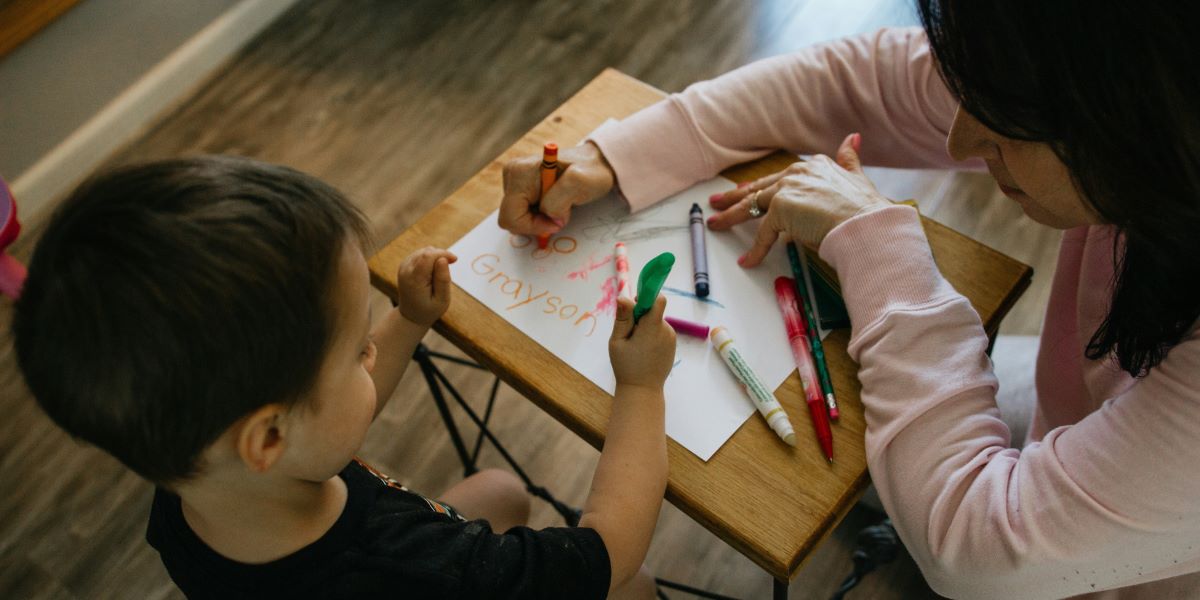

New York City opened The Little Apple on September 8, 2026, a free, year-round childcare center for municipal employees located inside the David N. Dinkins Municipal Building in Lower Manhattan. The pilot program, which begins enrolling children on September 10, marks the first time a U.S. city has offered free on-site daycare to its government workforce.
Key Takeaways
- The Little Apple will serve up to 40 children ages 6 weeks to 3 years at 1 Centre Street, with care available from 8 a.m. to 6 p.m. year-round.
- The Department of Citywide Administrative Services managed a $10 million renovation of the facility, which was delivered ahead of schedule and under budget.
- Nearly 100 municipal workers applied for the program and were selected through a random lottery process.
- The city estimates participating families could save up to $20,000 annually in childcare costs.
- Imagine Early Learning Centers, the country’s only multisite employee-owned early childhood education company, operates the center.
- The program is part of Mayor Zohran Mamdani’s broader push toward universal childcare, which includes 2,000 new full-day, full-year 2-K seats launched earlier in 2026.
A Former Mail Room Rebuilt Into Four Classrooms
The Little Apple occupies 4,000 square feet on the ground floor of the David N. Dinkins Municipal Building, one of the largest government office buildings in the world. The space was previously used as the building’s mail room. DCAS oversaw the full gut renovation, converting the area into four dedicated classrooms along with a pantry, a teacher’s lounge, and a stroller storage room. The classrooms feature toddler-sized sinks, sensory toys, small bookshelves, and a colorful shared playroom.
The facility operates from 8 a.m. to 6 p.m. daily, a notable distinction from New York City’s existing free preschool programs for 3- and 4-year-olds, which typically offer only six hours of care per day unless parents pay for extended hours. For municipal employees working standard government shifts, The Little Apple’s 10-hour window eliminates the gap that often forces working parents to patch together secondary care arrangements or adjust their schedules around pickup and drop-off logistics.
The Pilot Targets Retention and Recruitment Across City Agencies
Eligibility for The Little Apple extends to two groups: full-time DCAS employees regardless of where they are stationed, and full-time city employees assigned to the Dinkins Building at 1 Centre Street. More than 2,000 workers from roughly a dozen municipal agencies are based in the building, including the Department of Finance, the Office of the Comptroller, and the Office of the Public Advocate.
Nearly 100 municipal workers submitted applications during two enrollment windows that ran from late April through mid-August 2026. Families were selected through a random lottery, with a limited number of seats reserved for applicants seeking five-day-per-week enrollment. Those not selected were placed on a waitlist.
City officials framed the program as a workforce investment, not just a family benefit. Emmy Liss, Executive Director of the Mayor’s Office of Child Care and Early Childhood Education, described The Little Apple as a strategy that mirrors what the private sector has recognized for decades. Companies like Patagonia have operated on-site childcare at their headquarters since the 1980s and have reported that the benefit reduced employee turnover by 25 percent among parents who used the program. New York City is now applying that same logic to its public-sector workforce, where retention and recruitment have been persistent challenges in the years since the pandemic.
The Little Apple Fits Into a Broader Universal Childcare Push
The opening at 1 Centre Street is one piece of a larger childcare agenda that the Mamdani administration has rolled out since taking office. Earlier in 2026, New York City launched full-day, full-year 2-K, the city’s first universal childcare program for 2-year-olds, with 2,000 initial seats. The administration also announced more than 1,000 new 3-K seats across 56 ZIP codes. Governor Kathy Hochul has publicly supported the city’s childcare expansion, positioning the initiative as a joint city-state effort.
The scale of The Little Apple is deliberately small. Forty seats in a city of more than 8 million residents and roughly 300,000 municipal employees does not represent a systemic shift on its own. But the Mamdani administration has positioned the pilot as a proof of concept. If The Little Apple demonstrates measurable outcomes in employee satisfaction, retention, and productivity, the model could be replicated at other city-owned buildings where large concentrations of government workers are based.
What The Little Apple Signals for Municipal Employers Nationwide
No other U.S. city currently operates a free childcare center for its municipal workforce. That distinction makes The Little Apple a national test case. The program’s structure, free care operated by an employee-owned provider inside a government building with a full-day schedule, addresses several of the core barriers that make childcare inaccessible: cost, proximity, and hours that align with actual work schedules.
The center’s first cohort of children begins on September 10, the same day hundreds of thousands of New York City students return to school for the 2026-2027 academic year. For the 40 families who secured a spot through the lottery, the timing collapses two milestones into one week: a new school year for older children and a new childcare chapter for the youngest New Yorkers in the system.
FAQs
Who Is Eligible for The Little Apple Childcare Program?
Full-time employees of the Department of Citywide Administrative Services, regardless of work location, and full-time city employees assigned to 1 Centre Street in Manhattan are eligible. Parents or legal guardians must have a child between 6 weeks and 3 years old.
How Much Does The Little Apple Cost for Participating Families?
The program is completely free. New York City estimates that participating families could save up to $20,000 per year compared to average childcare costs in the city.
What Are the Operating Hours for The Little Apple?
The Little Apple operates from 8 a.m. to 6 p.m. year-round, providing 10 hours of daily care. That schedule runs longer than the city’s existing free preschool programs, which typically offer six-hour days.
Who Runs The Little Apple Childcare Center?
Imagine Early Learning Centers operates the facility. Imagine is the country’s only multisite employee-owned early childhood education company, with more than 20 years of experience and multiple locations across the New York metro area.