
For natural product brands, packaging is more than just a container. It is both a cost item and a risk factor. Light, oxygen, and temperature can affect the potency of oils, herbal extracts, supplements, and cosmetics. If a product degrades faster during storage or transport, this shows up as waste, extra customer service, and sometimes reputational damage. That is why it pays to evaluate packaging on total value, not just unit price.
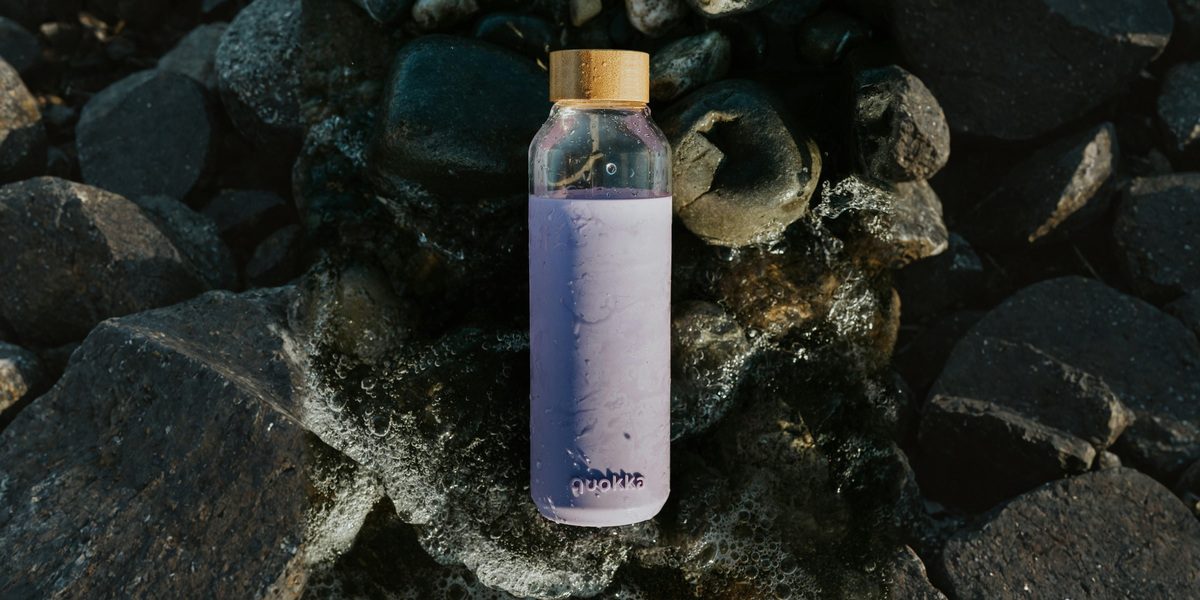
Biophotonic glass stands out as a notable choice within natural product packaging. You recognize it by its purple tint, and it is used to better protect products from unwanted light influence. A tangible example is a purple glass water bottle, which shows how functionality and a premium look can go hand in hand.
The Hidden Costs of Quality Loss
Many natural formulas are sensitive to light. Think of essential oils that oxidize faster or botanical extracts that lose color and scent. When quality declines before the consumer even uses the product, costs arise that never show up on the purchasing invoice:
- Write-downs or destruction of stock
- Extra quality control checks
- More returns and complaints
- Formula adjustments to increase stability
Packaging that supports stability can therefore directly contribute to less waste and a more predictable supply chain.
Benefits of Biophotonic Glass in Total Cost of Ownership
Anyone looking into the benefits of biophotonic glass quickly ends up at Total Cost of Ownership. Biophotonic glass is designed to block a large part of the harmful light spectrum while still allowing certain wavelengths through. The effect varies by product, but the goal is always the same: preserving the product’s properties for longer.
Financially, a higher purchase price can be offset if you, for example:
- Experience less waste due to longer stability
- Incur lower service costs from fewer quality complaints
- Can justify a higher selling price through premium positioning
- Strengthen your sustainability story with a well recyclable packaging material
It is best to back this up with data: shelf life testing, feedback from the supply chain, and a comparison against alternatives under realistic conditions.
Closure and Compatibility Determine Whether You Actually Capture the Benefit
Even the best glass delivers little if the closure is not right. Leakage, evaporation, or oxygen ingress can hurt product quality just as much as light exposure. That is why the neck finish of a bottle or jar is critical: it determines which cap, pump, or sprayer fits and how reliable the seal is.
In the packaging world, this is often summarized under neck finishes. It covers standardized sizes and thread types, but also practical details that matter in production and logistics, such as consistency between batches, compatibility with existing closures, and reducing margins of error during filling.
For a financially driven decision process, this matters because it lowers risk. A suitable neck finish can reduce changeover time and downtime on the filling line, cut down on supplier issues, and lower the chance of claims caused by leakage or quality loss.
Quick Checklist for a Smart Choice
To fairly compare biophotonic glass with traditional options, assess:
- Your product’s sensitivity to light and oxygen
- Target market and price positioning
- Logistics and breakage risk
- Closure and neck finish
- Total cost across the supply chain
Brands that approach packaging as an investment in quality and brand value tend to see more clearly where the real gains lie: less loss, less hassle, and a more consistent product.