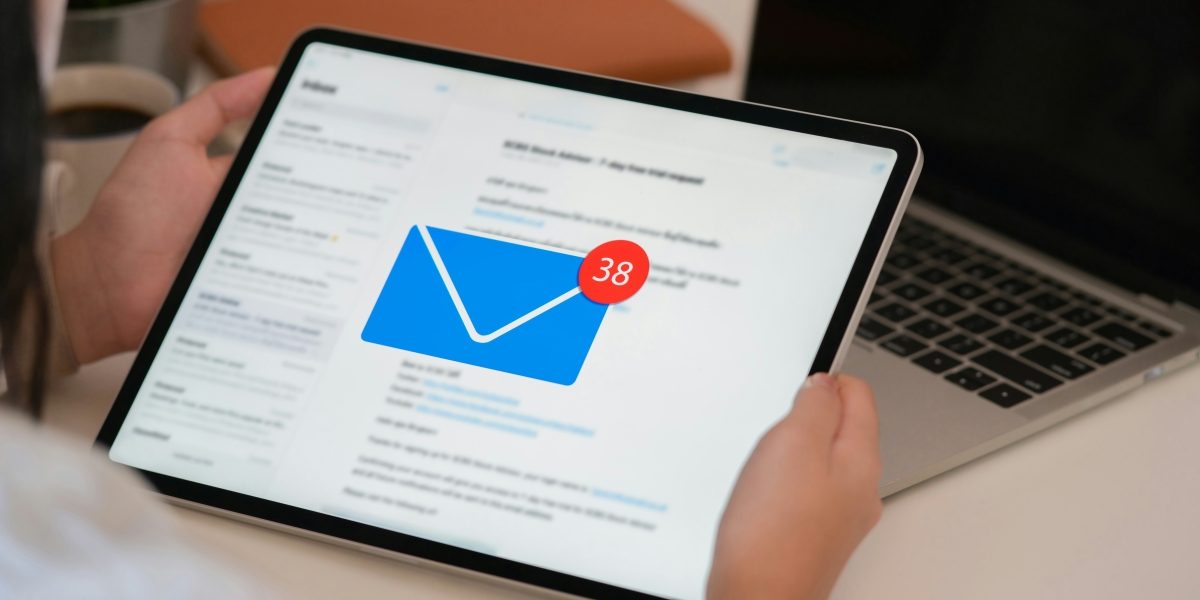

Somewhere between the third “just checking in” message and the newsletter you never remember subscribing to, most people lose the thread of their actual workday. Email was supposed to speed up communication. Instead, for many professionals, it has become the single biggest drain on focus, decision-making energy, and time. Tools like SaneBox exist specifically to pull people back out of that spiral.
A few numbers put this in perspective. Studies on knowledge workers consistently find that the average professional checks email dozens of times a day, often unconsciously, and that each interruption costs several minutes of lost concentration before the brain fully returns to the task at hand. Multiply that by an 8-hour workday, and you get a startling picture: many people spend more cognitive energy managing their inbox than doing the work their inbox was supposed to support.
Why Email Feels Worse Than It Used To
It’s not your imagination: inboxes really have gotten more chaotic. Three trends are driving it:
Volume has exploded. Marketing automation, CRM tools, and “reply-all” culture mean the average inbox receives far more messages than it did a decade ago, and only a fraction require action. It’s exactly the kind of overload that email management tools are designed to filter out automatically.
Urgency has been flattened. Every email lands in the same undifferentiated list, whether it’s a client emergency or a promotional blast from a store you bought socks from once. Your brain has to do the sorting that the software should be doing.
Notifications never stop. Phones, laptops, smartwatches, email now follows people into dinner, vacations, and Sunday mornings, blurring the line between “available” and “on the clock.”
The result is a low hum of background stress that most people have simply learned to live with. But living with it isn’t the same as it being fine.
The Real Cost of an Unmanaged Inbox
The cost isn’t just annoyance. Poorly managed email has measurable effects on work quality and mental bandwidth:
Decision fatigue. Every unread message is a tiny unmade decision: reply, delete, archive, ignore. String together a few hundred of those a day and it’s no wonder people feel mentally drained by 3 p.m.
Missed priorities. When an important client message sits in the same pile as a shipping confirmation, it’s easy for what actually matters to get buried.
Reactive instead of proactive work. Constantly responding to whatever email arrived most recently means your day gets scheduled by other people’s priorities instead of your own.
Burnout. The feeling of “never being caught up” is one of the most commonly cited contributors to workplace burnout, and an overflowing inbox is often its most visible symptom.
What Actually Helps (Beyond “Just Unsubscribe More”)
Most inbox advice stops at surface-level tips: unsubscribe from newsletters, set aside 20 minutes a day, turn off notifications. Those things help a little, but they don’t solve the structural problem: your inbox has no idea what matters to you. Every message arrives with equal visual weight, and it’s on you to triage it all, all the time.
The more durable fix is to change how your inbox behaves by default, so that low-priority mail is automatically routed out of your way and only the messages that actually deserve your attention land in front of you. That’s the philosophy behind a growing category of email management tools designed specifically to sit on top of your existing inbox (Gmail, Outlook, iCloud, whatever you already use) and quietly reorganize it in the background.
SaneBox is one of the better-known tools in this space, and it’s a useful example of how this approach works in practice. Rather than requiring you to switch email providers or learn a new interface, it analyzes your past behavior (which senders you reply to quickly, which you ignore, which you never open) and uses that pattern to automatically sort incoming mail into folders like a “SaneLater” folder for non-urgent messages, while leaving your primary inbox for things that actually need a response. It also bundles features like a daily digest of everything it filtered out (so nothing important slips through unnoticed), one-click unsubscribing, and reminders that resurface a message if nobody replies within a set time.
The point isn’t any one specific feature; it’s the underlying shift: instead of you managing hundreds of individual emails, the system manages the noise, and you manage what’s left.
Building Better Inbox Habits Alongside the Tools
Software helps, but a few habit changes make a real difference too, whether or not you use an automated tool:
- Batch your email time. Checking email in two or three dedicated windows a day, rather than continuously, reduces the number of context switches your brain has to make.
- Turn off badge notifications. The little red number on your email icon is one of the most effective anxiety triggers ever designed. Turning it off doesn’t mean you’ll miss anything important; it just means you’ll stop being pulled toward your inbox out of habit.
- Use folders sparingly. Elaborate folder systems often become their own form of procrastination. A simpler rule (reply, delegate, archive, or schedule) usually beats a 40-folder filing system nobody actually maintains.
- Set an internal SLA for yourself. Deciding that most emails get a response within 24 hours (not immediately) frees you from the pressure of instant replies and signals the same expectation to the people emailing you.
- Protect at least one email-free block per day. Even 90 minutes of uninterrupted, inbox-free focus time can meaningfully change how much real work gets done in a day.
Who Feels This the Most
Inbox overload isn’t distributed evenly. Some roles get hit harder than others, and it’s worth recognizing whether you fall into one of these groups, because the fix tends to matter more the further down this list you are.
Small business owners and freelancers often have no assistant filtering their mail, no shared inbox to split the load, and every message, from a potential client to a software renewal notice, arrives in the same single stream they’re solely responsible for.
Managers and team leads tend to be cc’d on everything “just in case,” so their inboxes fill with messages that don’t require action but still take mental energy to scan and dismiss.
Sales and client-facing professionals face a particular version of the problem: missing or delaying a reply to the wrong email can mean losing a deal, so the pressure to check constantly is higher, even though constant checking is exactly what erodes focus.
Remote and hybrid workers frequently rely on email and chat as their primary connection to the team, which means the inbox becomes a stand-in for the office itself, always open, always demanding a glance.
If you recognize yourself in any of these, the case for a more automated approach to sorting your inbox gets stronger. The busier and more relationship-dependent your work is, the more expensive it becomes to let low-priority messages compete for the same attention as the ones that actually move things forward.
What a Calmer Inbox Actually Looks Like Day to Day
It’s easy to talk about inbox management in the abstract, so it helps to picture what changes in practice once the noise is automatically filtered out. Instead of opening your email to 80 unread messages every morning, you open it to the dozen or so that genuinely need a decision.
Promotional emails, automated notifications, and low-priority CCs are routed into a separate folder you can skim once a day or skip entirely. Messages you tend to ignore from certain senders stop reappearing in your primary view. If you send something important and don’t hear back, you get a nudge to follow up instead of having to remember it yourself.
None of that requires more willpower or a stricter schedule. It’s simply what happens when the software does the sorting work your brain has been doing manually, often without you even realizing how much energy that sorting was quietly consuming.
The Bigger Picture
None of this is really about email. It’s about attention, arguably the scarcest resource most professionals have. An inbox that demands constant vigilance is, in a very real sense, stealing hours of focus that could go toward better work, more presence with the people around you, or simply a calmer day.
The good news is that this is one of the more fixable sources of daily stress. It doesn’t require a career change or a digital detox retreat, just a system that filters noise automatically and a few habits that reinforce it. Whether that means adopting a dedicated tool, tightening your routines, or both, the goal is the same: make sure your inbox works for you instead of the other way around.
Email isn’t going away. But the feeling of drowning in it doesn’t have to be a permanent condition: it’s a solvable problem, and increasingly, a well-understood one.