
By: Jack Duin
There is a voice that lives inside your head. It speaks to you in your own voice, so you believe it is telling you the truth. It whispers that you are not good enough. It tells you that you do not belong. It points out every mistake you make and reminds you of every failure you have ever experienced. For fifty years, that voice controlled my life. It cost me my family. It cost me my friendships. It nearly cost me my life. I am Jack Duin, and this is the story of how I finally learned to silence the voice that was never my friend.
That voice first appeared when I was around eight years old. I do not remember exactly when it started, but I remember how it felt. I began criticizing myself before anyone else could. I found faults in myself and in others. I craved acceptance and longed to feel valued, but I never truly felt like I belonged anywhere. What should have been years of innocence slowly became years of inner judgment. That destructive inner critic followed me into adolescence and adulthood, quietly shaping how I responded to every situation in my life.
I did not understand what was happening to me at the time. When I tried to talk to other kids, my voice would shake. I would break down and cry for no apparent reason. Even the girls at school would ask me why I was upset, and I would honestly tell them that I did not know. Imagine being a child and dealing with that turmoil inside your head without having any idea what was causing it. That was my reality. That was my everyday life.
That voice grew louder as I got older. At sixteen, I had my first suicidal thought. I remember thinking that I was not going to make it to twenty-one. I felt like I was worth less than a piece of human waste. I would imagine a mother rat with her babies and think that those baby rats would get more love than me. I would imagine a dog with its pups and think that those pups would get more love than me. My self-worth had dropped below that of animals and even human feces. I was completely broken.
I walked away from my family at eighteen. I shut the door and never went back. I developed a thick skin towards people who tried to humiliate me. Before anyone could get too comfortable thinking they were getting away with treating me badly, I would cut them out of my life. I very seldom ever let them back in. I could not figure out what my place was in my own family. With so much coldness and rejection, I wanted no more of it. I shut the door on my parents and, unfortunately, on my siblings as well.
That inner critic followed me everywhere. It followed me into my relationships. It followed me into my marriage. It followed me into my dreams. For years, I would wake up screaming in the early hours of the morning. A shadow of a person would walk over to my side of the bed, and I would start screaming. It took me years to understand that this was connected to something traumatic in my past, something I had blocked out. That voice in my head never let me forget that I was damaged.
The voice affected my ability to be close to anyone. When I was young, I was terrified of being physically close to a girl. I had never been cuddled by my mother or my father. I was never told I love you. The thought of that kind of closeness was deeply intimidating. It scared me. When I first started dating women, I had to consume alcohol just to calm my nerves. Only then could I relax and become the version of myself that I always wanted to be. Without the alcohol, I was trapped in my own head with that relentless critic.
My inner critic also ruined my confidence in social situations. One of my most painful memories from high school still haunts me. Our teacher decided to put all our names in a hat. One student would draw a name, and whoever was picked would have to stand up and talk about what they did over the weekend. Of course, my name came out. I stood up, looked around the room, and froze. I could not speak. I went completely numb. The kids laughed. The teacher stared at me for what felt like an eternity before telling me to sit down.
I never forgot that experience. It followed me into my working life. When we held toolbox meetings at work, I would avoid standing anywhere near the speaker. I would panic and shake inside. It was as if a voice inside my head was saying, Jack, this is just like that day at school. If I had to sit near a speaker during a meeting, I would put my hands behind my head as if I were relaxed. In reality, I was trying to stop my head from shaking. I was reliving that school incident over and over again. It had locked itself into my subconscious, and similar situations triggered it.
Over time, I began to understand what was happening to me. That voice was not my friend. It was a destructive habit that I had developed over many years. It was a pattern of thinking that had become deeply ingrained in my mind. I had spent decades telling myself that I was worthless, and eventually, I started to believe it. The voice had become my reality. It was the lens through which I viewed everything.
The turning point came late in my life. After forty years of marriage, my wife and I separated. I was seventy years old. I had also just been laid off from my job. I was alone, financially uncertain, and facing an uncertain future. I could have let the darkness consume me. I could have fallen back into that familiar pattern of self-criticism and despair. But something inside me refused to give up. I decided to make a change.
I started doing something I had never done before. I began to consciously separate myself from that negative voice. When I noticed it starting to talk, I would stop and say to myself, That is the old version of Jack. That is not me now. I started writing positive affirmations on a piece of paper and reading them three times before I went to sleep and three times when I woke up in the morning. I told myself that I was worthy. I told myself that I was enough. I told myself that I could change.
I also started meditating. I would lie down, put on my headphones, and listen to music that helped me relax. I focused on my breathing and tried to block out all the noise in my mind. There were moments during these sessions where I felt like I had changed the energy in the room. I experienced things that I cannot explain. In one meditation, the whole room turned bright red. I glanced down at my chest and saw it rolling like the waves on the ocean. It was a beautiful experience. It made me feel calm and connected to something greater than myself.
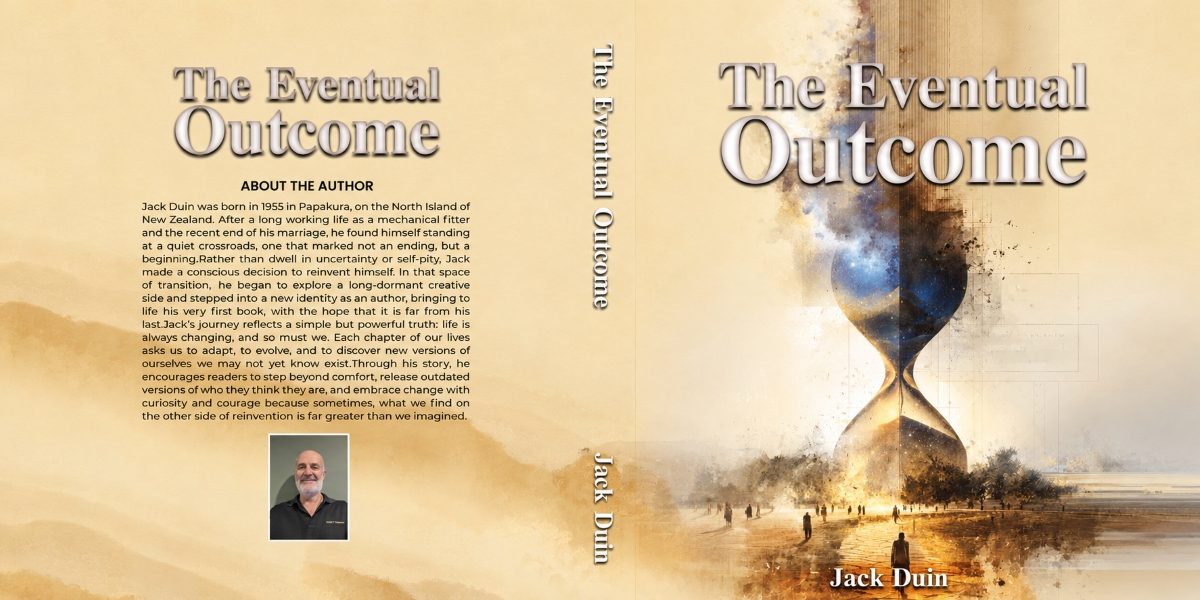
I also started writing. This book, The Eventual Outcome, is the result of that decision. Writing gave me a purpose. It gave me something to focus on that was positive and constructive. I poured all my pain, my struggles, and my hard-won lessons into these pages. It was not easy. There were days when I doubted myself. There were days when that old voice came back and told me that I was wasting my time. But I kept going. I refused to give up.
Through all of this, I learned an important truth. The voice in your head is not your friend. It is a habit. It is a pattern that you have developed over time. It is something that you can change. It takes time. It takes effort. It takes a willingness to look at yourself honestly and say, I am going to do things differently. But it is possible. I am living proof of that.
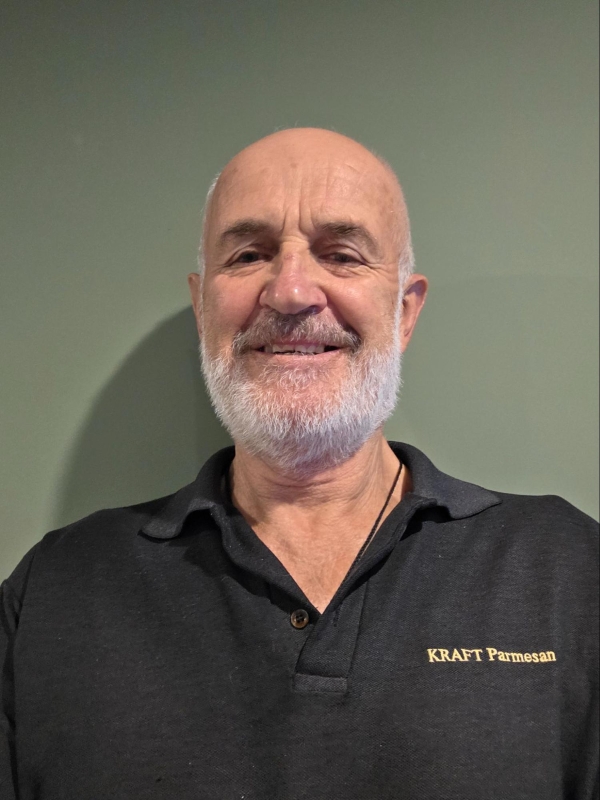
Photo Courtesy: Jack Duin
The lessons I learned from this journey are too important to keep to myself. That is why I wrote The Eventual Outcome. My story is a testament to the strength of the human spirit. It is a reminder that your past does not have to define your future. It is a message of hope for anyone who has ever struggled with that voice in their head.
You are not alone. You are not broken beyond repair. You are not worthless. The voice that tells you otherwise is lying to you. It has been lying to you your whole life. But you do not have to listen to it anymore. You can silence it. You can choose to believe something different. You can start today.
In The Eventual Outcome, I share the full story of my journey. I talk about the pain. I talk about the struggle. But I also talk about the hope. I talk about the healing. I talk about the transformation that is possible when you decide to stop running and start fighting. This book is my gift to anyone who needs to hear that message.
I spent fifty years fighting a war inside my own head. I lost many battles. I made many mistakes. But I refused to give up. That is the most important lesson I can share with you. No matter how dark things get, there is always a way forward. You just have to keep going. You have to keep believing. You have to keep fighting that voice until it no longer controls you.
The voice in my head spent decades telling me I was not good enough. I no longer believe it, and I no longer let it decide what my life looks like. Change turned out to be possible, even after fifty years, and my past does not define what comes next. That is the truth I hold onto now, and it is the one I most want to pass along.