
Written by Shaw Mars
Los Angeles-based art director and graphic designer Pingyu Layla Zhan has built a career around a demanding question: how can visual communication give form to experiences that resist easy explanation?
Across award-winning work in publication, branding, packaging, typography, photography, and image making, Zhan has developed a visual language that moves between clarity and ambiguity, cultural memory and contemporary expression, emotional experience and structured communication. Her work has been recognized by international design programs including the Red Dot Design Award, Communication Arts, ADC, A’ Design Award, International Design Awards, Indigo Design Award, and MUSE Design Awards, among others.
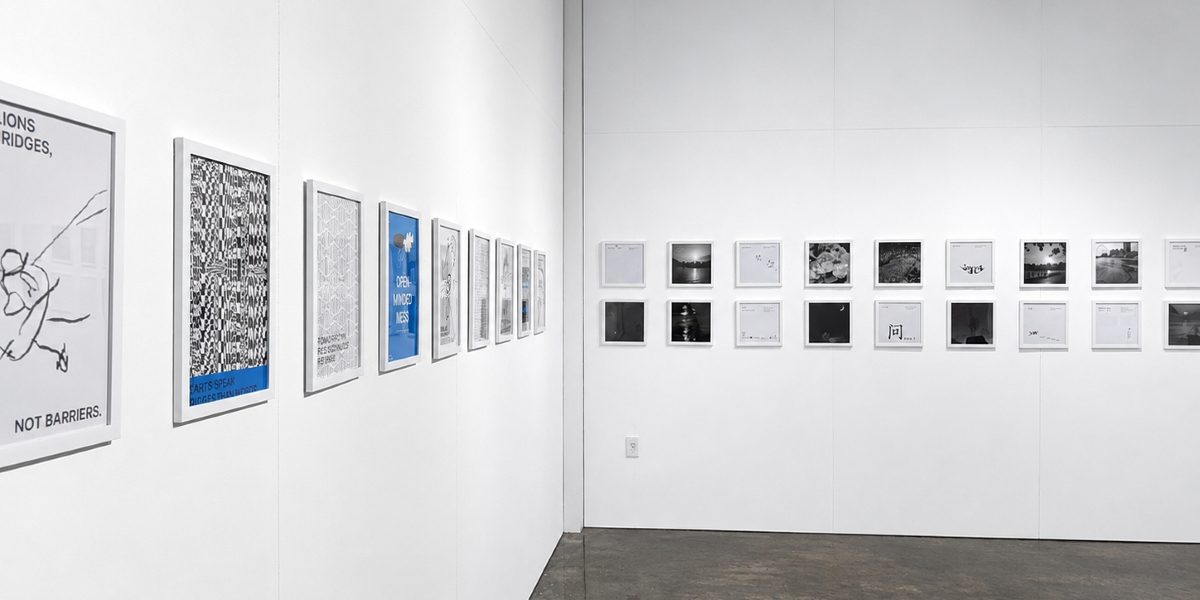
This August, Zhan brought that body of work to CICA Museum in South Korea with “What Remains“, a solo exhibition on view in Gallery 3-A from August 12 through August 16, 2026.
The exhibition brings together works created across different mediums and periods, connecting publication design, typography, illustration, photography, digital imagery, and installation through recurring ideas of memory, identity, vulnerability, and cultural experience.
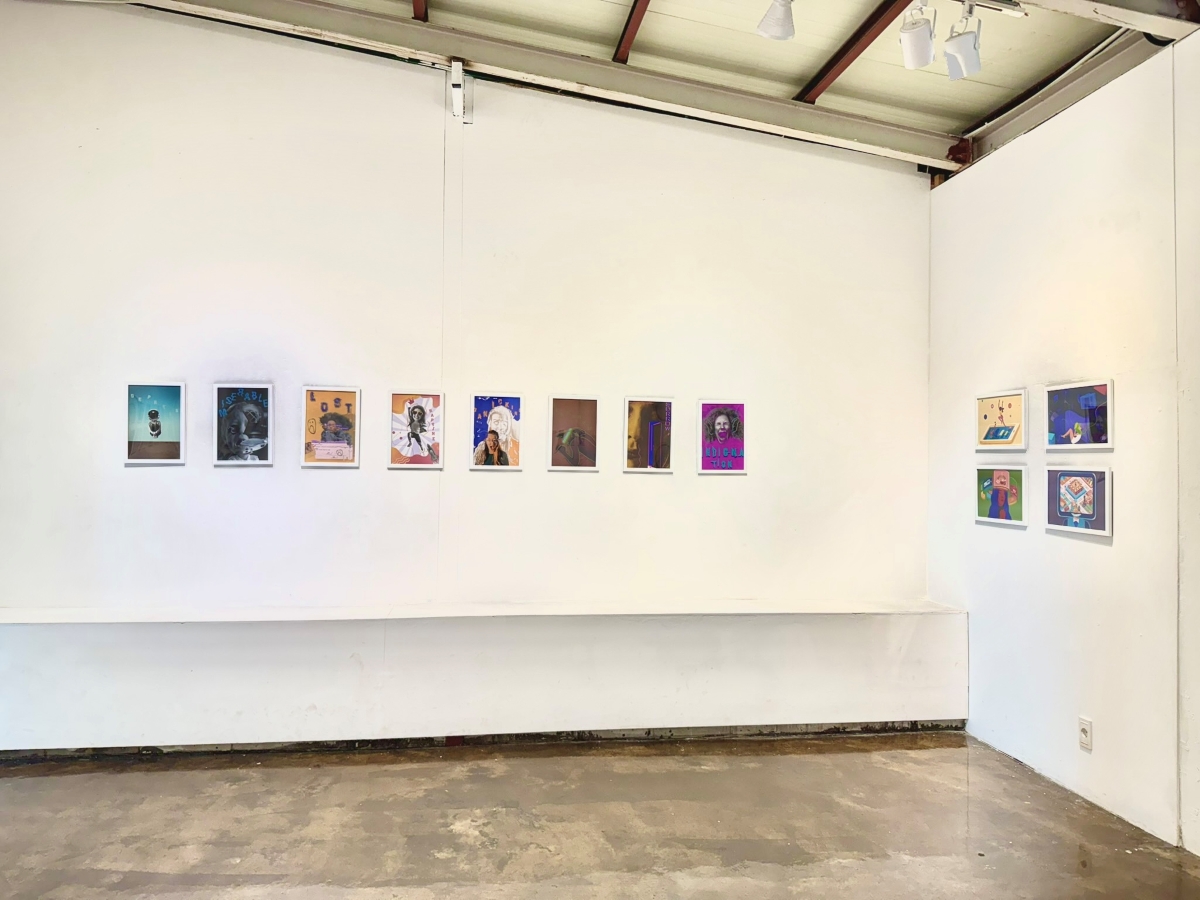
For Zhan, these subjects are not separate from design. They are evidence of what design is capable of addressing when it moves beyond the efficient delivery of information.
“I have always been interested in what design can communicate beyond information,” Zhan says. “Sometimes what stays with us is not a complete story. It may be an image, a sentence, a feeling, or a detail that becomes more vivid than the original experience itself.”
That ability to translate the intangible into visual form has become one of the defining characteristics of Zhan’s work.
She received her MFA in Graphic Design from ArtCenter College of Design, where her graduate research investigated how visual communication could externalize internal experiences that are deeply felt but not always visible to others. What began as an investigation into introversion developed into a broader examination of emotion, relationships, cultural identity, and memory.
Rather than resolving these subjects into simple messages, Zhan uses typography, image, sequence, scale, and material to preserve their complexity. Her work treats graphic design not simply as a means of explanation, but as a framework through which audiences can recognize experiences they may not otherwise be able to articulate.
That philosophy also informs her approach to cultural material.
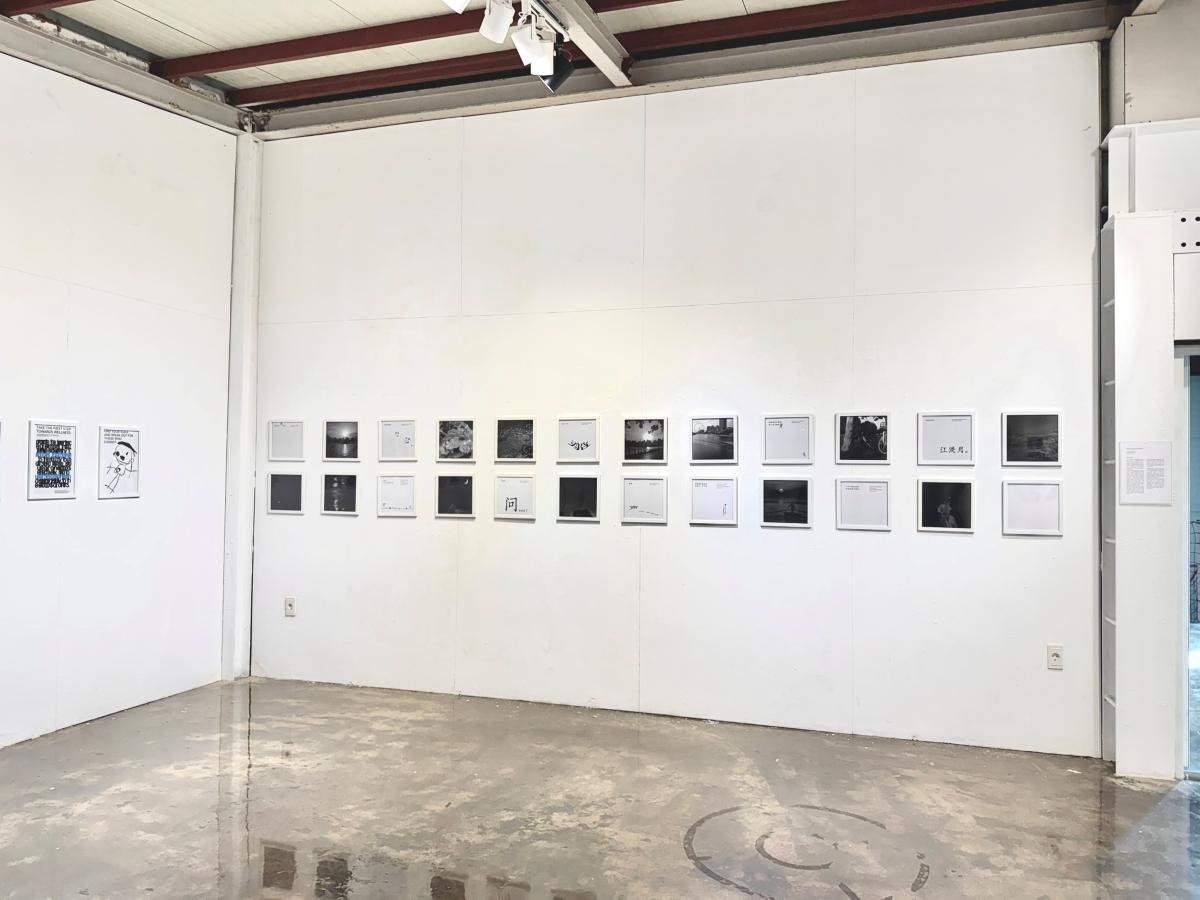
In a project based on Pipa Xing, one of the best-known works of classical Chinese poetry, Zhan resisted literal illustration. Instead, she translated the poem’s emotional movement through a contemporary system of typography and visual sequencing. The project examines how cultural memory changes over time, particularly when a text first learned through childhood memorization is encountered again through adult experience.
This sensitivity to cultural interpretation is central to Zhan’s position as a designer shaped by both China and the United States. Her work moves between different visual traditions without treating cultural identity as ornament. Instead, she considers how meaning changes across languages, histories, and audiences, and how contemporary design can create new access to cultural material without stripping away its complexity.
In a global design environment where brands, institutions, and audiences increasingly communicate across borders, that ability has relevance far beyond aesthetics. Cross-cultural visual intelligence has become essential to how ideas are understood, translated, and trusted.
Zhan’s international recognition also reflects the range of contexts in which her work operates. Beyond receiving distinctions across multiple design competitions, she has moved into professional evaluation roles, serving as a jury member for the Orpetron Web Design Awards and Top Design King Awards.
The shift from being recognized by design juries to evaluating the work of other professionals represents a different form of authority. It requires not only the ability to produce strong work, but the ability to identify originality, conceptual rigor, execution, relevance, and coherence in the work of others.
“Judging requires you to separate personal preference from professional evaluation,” Zhan says. “You have to understand why a project works, whether its decisions are justified, and whether the final form truly supports the idea behind it.”
That critical standard is visible throughout her own work.
Zhan does not define consistency through a repeated visual style. Instead, she approaches each project through the relationship between concept and form. A publication may demand typography and pacing. A cultural project may require image, material, or historical references. An exhibition introduces architecture, distance, repetition, and the physical movement of the viewer.
What Remains brings those approaches together within the museum environment.
Several works originated as books, printed compositions, or digital images, but the gallery transforms the way they are read. Sequence is no longer determined only by the turn of a page. Scale changes. Distance becomes meaningful. The viewer’s movement through space becomes part of the work itself.
Zhan is not abandoning graphic design when her work enters the museum. She is demonstrating how far the discipline can extend.
Typography can become spatial. Sequence can become movement. Image can become environment. Design can operate not only as communication, but as a structure for memory and emotional recognition.
This refusal to reduce graphic design to a single function has helped define Zhan’s career. Her work moves between professional design, cultural research, and artistic expression while remaining anchored in the same fundamental belief: that visual form has the power to make complex ideas perceptible.
At CICA Museum, What Remains gives that belief physical presence.
Images, words, and fragments occupy the gallery as traces of experiences that can no longer be reconstructed exactly as they occurred. Some remain vivid. Others become incomplete. Yet it is often the fragment, rather than the complete story, that continues to shape how an experience is remembered.
Through internationally recognized design work, cross-cultural visual research, professional jury roles, and museum exhibition, Zhan has established a career that demonstrates the expanding intellectual and cultural reach of contemporary graphic design.
What Remains is not simply an exhibition about memory. It is a statement about the power of visual communication itself: its ability to move between cultures, translate complex human experience, and give enduring form to what might otherwise remain unseen.
Connect With Layla Zhan
Website/Portfolio: https://laylazhan.com
LinkedIn: https://www.linkedin.com/in/pingyu-zhan/