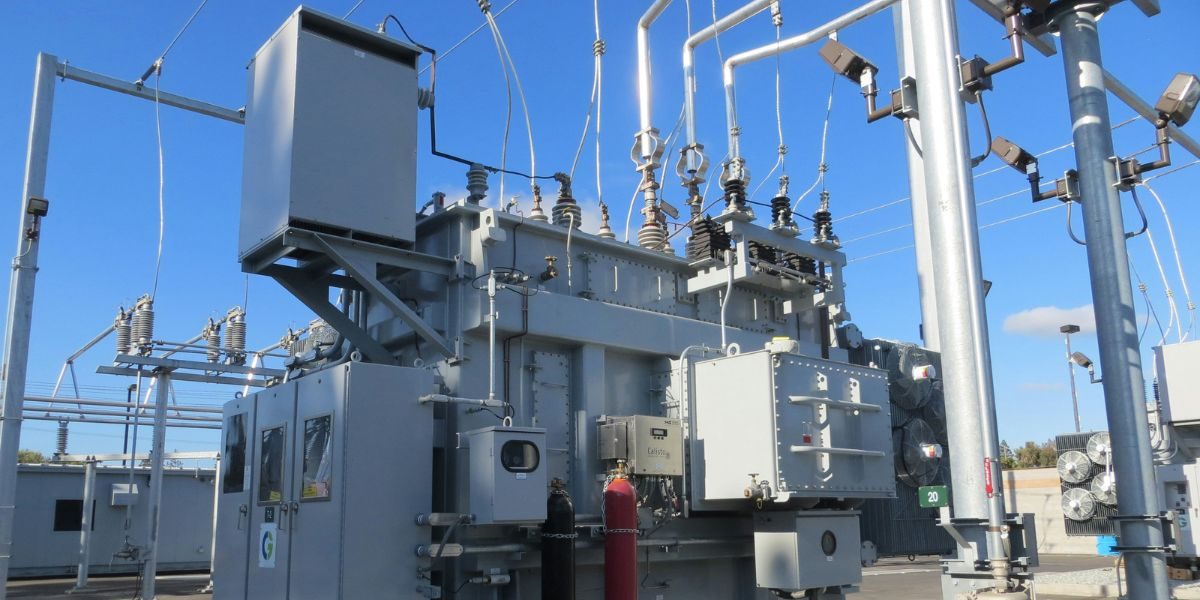

Current transformers play a vital role in electrical systems by enabling the safe measurement and monitoring of high electrical currents. They are widely used in industrial facilities, commercial buildings, power distribution networks, and renewable energy systems where accurate current measurement is essential for protection, metering, and energy management.
Selecting the right current transformer manufacturer involves more than comparing products. Factors such as manufacturing quality, product range, compliance with international standards, technical support, and long-term reliability all contribute to the performance of an electrical installation. Understanding these considerations can help engineers, contractors, and procurement teams make informed purchasing decisions.
What Is a Current Transformer?
A current transformer, commonly referred to as a CT, is an instrument transformer that converts high alternating current into a lower, proportional current that can be safely measured by meters, protection relays, and monitoring equipment.
Instead of connecting measuring instruments directly to high-current conductors, a current transformer provides electrical isolation while delivering an accurate representation of the current flowing through the primary circuit. Current transformers reduce high AC currents into proportional secondary currents for safe measurement, monitoring, and protection while providing electrical isolation from the primary circuit.
Why Current Transformers Are Important
Current transformers are widely used because they improve both safety and measurement accuracy.
Their benefits include:
• Safe isolation of measuring equipment.
• Accurate current measurement.
• Protection for electrical systems.
• Support for energy monitoring.
• Improved fault detection.
• Compatibility with automation systems.
• Reduced risk to maintenance personnel.
These advantages make current transformers an essential component in modern electrical infrastructure.
Types of Current Transformers
Manufacturers typically produce several types of current transformers to suit different installation requirements.
Split Core Current Transformers
Split core designs allow installation around existing conductors without disconnecting the electrical circuit.
They are commonly used when upgrading existing electrical panels or installing new monitoring equipment.
Toroidal Current Transformers
Toroidal transformers feature a circular opening through which the conductor passes.
They are widely used in switchboards, energy meters, and leakage current monitoring applications.
Wound Current Transformers
These transformers include a dedicated primary winding and are commonly selected where high measurement accuracy is required.
Bar Type Current Transformers
Bar type transformers use the conductor or busbar itself as the primary winding.
They are frequently installed in industrial power distribution systems that handle high-current loads. Split-core, toroidal, wound, and bar-type current transformers are among the most common configurations available for industrial measurement and protection applications.
Industries That Depend on Current Transformers
Current transformers are used across many industries where electrical monitoring and protection are essential.
Manufacturing
Factories use current transformers to monitor production equipment, motors, and electrical distribution systems.
Commercial Buildings
Energy management systems rely on current transformers to measure electricity consumption across different areas of a building.
Renewable Energy
Solar and wind power installations use current transformers for inverter monitoring, energy metering, and system protection.
Utilities
Power generation plants and substations depend on current transformers for protection relays, fault detection, and grid monitoring.
Data Centres
Reliable current monitoring helps protect servers and critical electrical infrastructure while supporting energy efficiency.
What Makes a Reliable Current Transformer Manufacturer?
Choosing a manufacturer involves evaluating more than product specifications.
Important considerations include:
Product Quality
Reliable manufacturers use high-quality magnetic core materials and precision manufacturing processes to ensure accurate current measurement.
Compliance with Standards
Products should comply with recognized electrical standards and relevant safety requirements for the intended application.
Wide Product Range
Manufacturers that offer multiple transformer types, current ratios, bore sizes, and mounting options provide greater flexibility for different projects.
Technical Support
Engineering guidance, installation documentation, and after-sales support can simplify product selection and implementation.
Consistent Manufacturing
Consistent quality control helps ensure reliable performance across every transformer produced.
These factors contribute to dependable operation throughout the equipment’s service life.
Important Selection Factors
Before selecting a current transformer, engineers should consider several technical requirements.
These include:
• Primary current rating.
• Secondary current rating.
• Accuracy class.
• Burden rating.
• Transformer ratio.
• Bore size.
• Mounting configuration.
• Operating environment.
Matching these characteristics to the application helps maintain measurement accuracy while ensuring safe operation.
Applications Beyond Energy Metering
Although current transformers are often associated with electricity metering, they support many additional applications.
They are commonly integrated into:
• Protective relay systems.
• Building management systems.
• Motor control centers.
• Industrial automation.
• Power quality monitoring.
• Load balancing.
• Preventive maintenance programs.
Their ability to provide continuous electrical data makes them valuable for both operational efficiency and equipment protection.
The Importance of Long-Term Reliability
Electrical monitoring equipment is often expected to operate continuously for many years.
Choosing products from an established manufacturer helps reduce maintenance requirements, minimize unexpected failures, and maintain measurement accuracy throughout the installation’s life.
Reliable current transformers also contribute to safer electrical systems by ensuring that protection devices receive accurate current information during both normal operation and fault conditions.
Future Developments in Current Transformer Technology
As electrical systems become increasingly connected, current transformer technology continues to evolve.
Modern products are designed to support digital energy management, smart grids, renewable energy integration, and industrial automation. Manufacturers are also developing more compact designs, improved measurement accuracy, and solutions that integrate directly with advanced monitoring systems.
These developments allow engineers and facility managers to gain greater visibility into electrical performance while supporting more efficient energy management strategies.
Making an Informed Choice
Selecting the right current transformer manufacturer is an important step in building reliable and efficient electrical systems. High-quality current transformers provide accurate measurement, electrical isolation, and dependable protection across a wide variety of industrial, commercial, and utility applications.
By considering product quality, technical performance, manufacturing standards, and long-term reliability, engineers and procurement professionals can choose current transformers that meet both current operational needs and future system requirements.