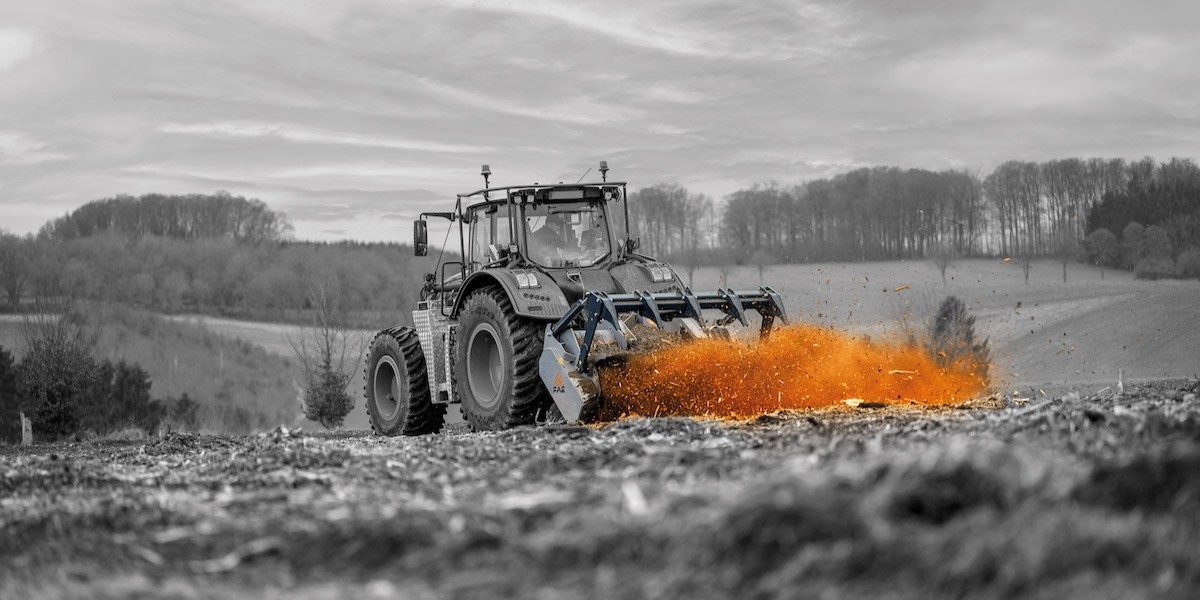

Tractor mulching operations often take place in environments where ground conditions can vary significantly from one site to another. Rocky surfaces, uneven terrain, dense vegetation, and changing soil characteristics all influence how efficiently the equipment can operate, affecting both productivity and the quality of the result.
Understanding how different ground conditions impact mulching performance is essential for planning effective operations and maintaining consistent efficiency in the field. By adapting working practices to the characteristics of the terrain, operators can improve material processing, reduce unnecessary machine stress, and achieve more reliable results across a wide range of land management applications.
How Ground Conditions Influence Tractor Mulching Operations
Ground conditions directly affect the way a tractor mulcher performs in the field. Surface composition, terrain stability, and moisture levels can all influence traction, machine control, and the consistency of material processing.
Recognizing these variables before starting an operation allows professionals to adjust their approach and work more efficiently under different site conditions.
- Working on rocky terrain. Rocky ground can increase impacts on cutting tools and expose the equipment to higher levels of wear. Hidden stones and uneven surfaces may also require reduced travel speeds and greater operator attention to maintain consistent mulching performance while protecting the machine from unnecessary stress.
- Soft, wet, and uneven ground. Wet or unstable terrain can limit traction and reduce machine stability, making it more difficult to maintain a steady working pace. Careful route planning and appropriate techniques help improve control, minimize ground disturbance, and support more efficient vegetation management in challenging environments.
Vegetation Density And Surface Obstacles
Ground conditions are only part of the equation. The type and density of vegetation, together with surface obstacles such as exposed roots, stumps, and fallen branches, can significantly influence the efficiency of tractor mulching operations. Areas with thick undergrowth or irregular vegetation often require a more controlled working approach to ensure consistent material processing.
Carefully assessing the work area before starting allows operators to anticipate potential obstacles and adapt their strategy accordingly. This not only helps maintain a steady workflow but also reduces unnecessary stress on the equipment, improving productivity while delivering more uniform mulching results across varying site conditions.
Adapting Operating Techniques To Ground Conditions
Even when using the same equipment, operating techniques should be adjusted to match the conditions of each job site. Factors such as travel speed, working direction, and the way vegetation is approached can all influence productivity and the quality of the result. Adapting these variables to the terrain helps maintain consistent performance while reducing unnecessary strain on the machine.
Planning the most efficient working path and responding to changes in ground conditions throughout the operation are equally important. A flexible approach enables operators to maintain better control, optimize material processing, and complete vegetation management tasks more effectively, even in demanding environments.
Turning Challenging Terrain Into Productive Operations
Ground conditions will always vary from one job site to another, but they do not have to limit productivity. Understanding how terrain, vegetation, and operating practices interact allows professionals to make informed decisions that improve efficiency and support consistent mulching results. A well-planned approach helps transform even demanding environments into productive worksites while maintaining reliable performance throughout the operation.
Engineered For Productivity: Fae Tractor Mulchers For Professional Land Management
Since 1989, FAE has been developing and manufacturing professional heads for tractors, excavators, skid steers, tracked carriers, and special vehicles. Through decades of experience in demanding operating environments, the company has earned a leading position in the agricultural, forestry, and infrastructure sectors, continuously expanding its technical expertise.
Extensive field experience has driven the development of technologies capable of meeting the requirements of complex applications, from vegetation management and forestry operations to specialized activities such as demining. This practical approach to innovation has shaped solutions designed to perform reliably in challenging working conditions.
FAE offers a comprehensive range of tractor mulchers engineered to satisfy a wide variety of operational needs. The lineup includes numerous models developed to deliver consistent performance across different applications while maintaining high productivity in demanding environments.
Each tractor mulcher is designed with durability, structural integrity, and continuous operation in mind. High-strength materials, premium-quality mechanical components, and advanced engineering solutions enable efficient processing of dense vegetation, shrubs, roots, stumps, and woody material up to 20 inches in diameter.
By combining robust construction with precision and reliable performance, FAE tractor mulchers help professionals achieve high operating standards and greater efficiency throughout demanding land management projects.
Backed by decades of field-proven expertise and an ongoing commitment to technological innovation, FAE continues to develop equipment tailored to the real challenges faced by professionals working in the most demanding environments.