
By: Ethan Rogers
Dr. Koray Erdoğan, one of Turkey’s leading hair transplant doctors, says that hair transplantation not only restores hair but can also give the face a more balanced and natural appearance. “A successful hair design rebuilds the frame of the face. This creates a much more harmonious and aesthetically pleasing appearance as a whole,” Dr. Erdoğan explains.
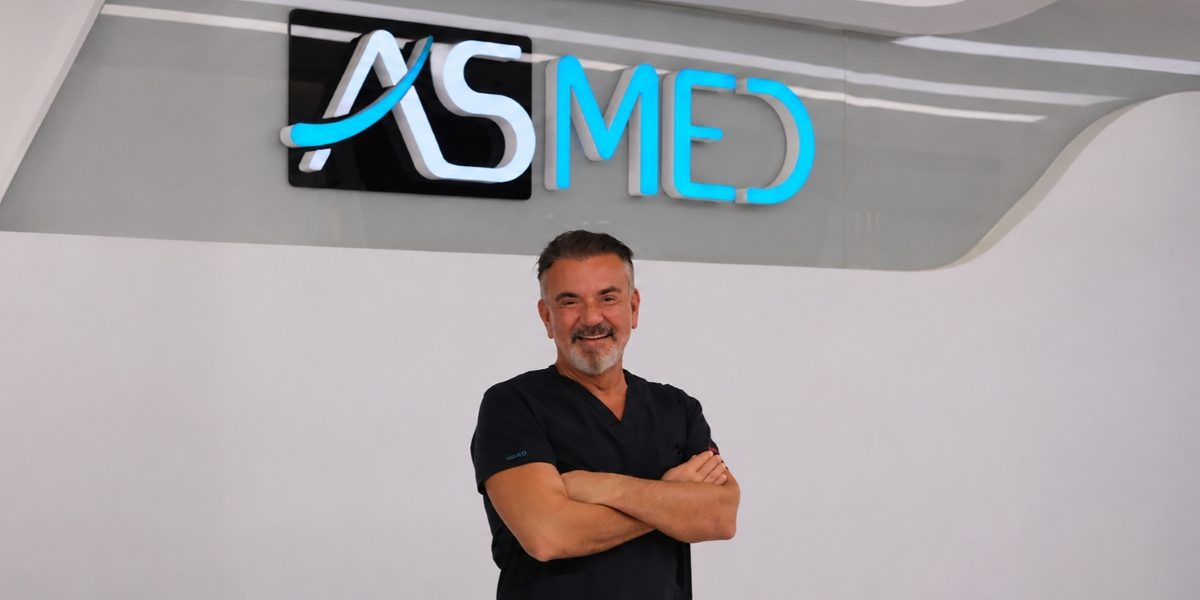
According to Dr. Koray Erdoğan, Medical Director of ASMED Medical Center, hair transplantation is among the most transformative aesthetic procedures in men’s lives. “When hair starts to fall out, one of the key elements that contributes to a man’s appearance is lost. At the same time, the person begins to be perceived as older than they actually are. This desire to avoid that loss is the main reason why hair transplantation has become so widespread. Here, the most critical point is how the hair design is performed,” he says.
“The Old Look Is Not Always the Best Look”
Dr. Erdoğan notes that most patients seeking hair transplantation simply want to return to their previous appearance, but he emphasizes that this is not always the right goal. “Hair transplantation, just like rhinoplasty or chin enhancement, is ultimately a form of facial design. Just as not everyone’s nose or chin is perfect, the hairline does not have to be perfect either. The old version of someone is not necessarily the version that suits them best,” he adds.
The Right Design Changes Facial Perception
Dr. Erdoğan stresses that hair transplant planning goes far beyond merely filling in bald areas, and that a well-executed design can completely change how a face is perceived. “By adjusting the hairline, it is possible to make the nose appear larger or smaller. When the hairline is positioned lower, the nose looks bigger. In someone with a pointed chin, a straight hairline can make the face appear harsher, while a V-shaped design creates balance. These subtle adjustments depend entirely on the doctor’s aesthetic vision and experience,” he explains.
Psychological Impact: Hair Transplantation Also Restores Confidence
According to Dr. Koray Erdoğan, the impact of hair transplantation is not limited to physical appearance. He says it is observed that significant psychological changes occur in patients after the procedure. “Many people with hair loss gradually withdraw from social life, avoid taking photos, and even become less visible in their professional lives. A properly performed hair transplant changes how a person sees themselves. This directly reflects on their confidence, body language, and communication,” he says.
There Is No Such Thing as a Standard Hairline
Emphasizing that every face has a unique structure, Dr. Erdoğan highlights that natural results can only be achieved through personalized planning. “Hair transplantation is not a template-based procedure. Forehead width, facial bone structure, eyebrow distance, age, and even personality play a role in the design. The same hairline can look completely natural on one person and artificial on another. That is why naturalness depends less on the technique used and more on the doctor’s ability to truly read the face,” he concludes.
Disclaimer: This article is for informational and editorial purposes only and does not constitute medical advice, diagnosis, treatment, or a recommendation for any specific procedure, provider, clinic, or outcome. Hair transplantation is a medical procedure, and results may vary based on each individual’s health, hair loss pattern, donor area, age, medical history, and treatment plan. Readers should consult a qualified, licensed medical professional before considering any hair restoration procedure. Any statements attributed to Dr. Koray Erdoğan reflect his professional perspective and should not be interpreted as a guarantee of results.