
By: Ethan Lee
In the competitive market of consumer goods, a product’s exterior is often just as important as the item it conceals. As brands search for practical ways to capture attention on crowded retail shelves, the shift toward more recyclable and customizable materials has influenced industry standards. Today, businesses recognize that packaging choices can reflect their approach to materials and presentation while also serving as a tactile canvas for brand storytelling.
One material gaining attention in packaging is aluminum. Often valued for its recyclability, lightweight nature, and polished appearance, aluminum has become a commonly used material across the food, beverage, pharmaceutical, and cosmetics sectors. Beyond its recyclable qualities, aluminum can provide product protection by helping create a barrier against light, oxygen, and moisture, depending on the container design and product use. Industry professionals and businesses monitor evolving trends, innovations, and safety regulations through resources like the aluminum packaging blog, which highlights how modern solutions are addressing concerns around certain plastics and shifting consumer expectations.
While standard aluminum containers offer functional benefits, brands looking to make an impression are taking the concept a step further. This is where tailored packaging solutions come into play. By integrating bespoke designs, companies can transform an ordinary product enclosure into a branded item with practical and visual value. For businesses working to differentiate themselves and create a memorable unboxing experience, custom tins may provide an opportunity to add a new dimension to their brand identity.
The journey of creating these specialized containers begins with a range of structural possibilities. Because aluminum alloys are generally malleable, they can be molded into many shapes or sizes. This versatility accommodates everything from small cosmetic balms and candle jars to large cookie containers and specialty coffee canisters. Depending on the product’s specific requirements, brands can select from an array of functional closing mechanisms. Standard screw tops offer a secure, tightly sealed closure ideal for perishables, while slipcovers provide a classic, smooth opening experience. For products that benefit from visual display, windowed lids offer a sneak peek at the contents inside, and hinged tops present a convenient, polished feel often used in confectioneries and teas.
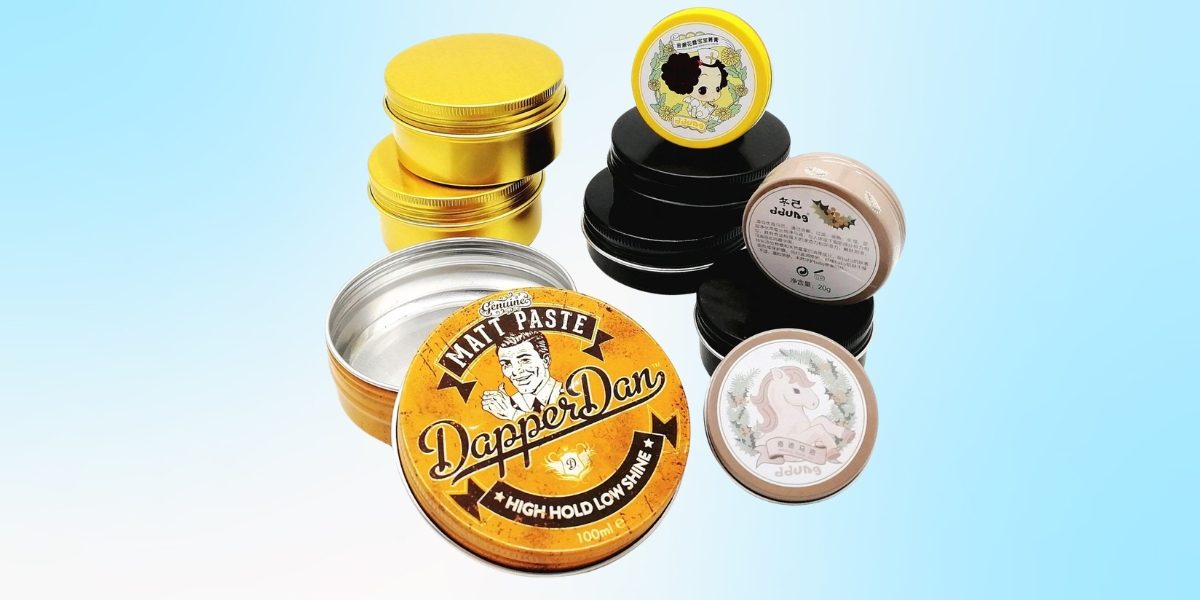
However, the appeal of customized metal packaging lies in the finishing touches. The visual branding applied to a tin can helps elevate it from a disposable wrapper to a keepsake that earns a spot in a consumer’s home. Manufacturers offer a variety of printing and detailing techniques to match a brand’s budgetary and aesthetic goals. For cost-effective branding, adhesive labels and silk-screen printing provide multi-colored wraps that can work well for promotional items or new product launches.
When targeting the luxury market, full-color printing paired with oxidation can create matte or glossy finishes. Techniques like 3D embossing add a tactile element that makes the packaging stand out, giving the metal container a more artful appearance. For a refined finish, laser engraving provides a permanent method for etching intricate company logos or personalized messages directly into the metal.
Ultimately, the modern packaging industry shows that form and function can work together. By using the recyclable qualities of aluminum and the creative potential of bespoke tin manufacturing, brands can build packaging that supports both presentation and practicality. As aesthetics and material choices continue to influence consumer satisfaction, distinctive metal packaging can be a useful part of a broader brand strategy.