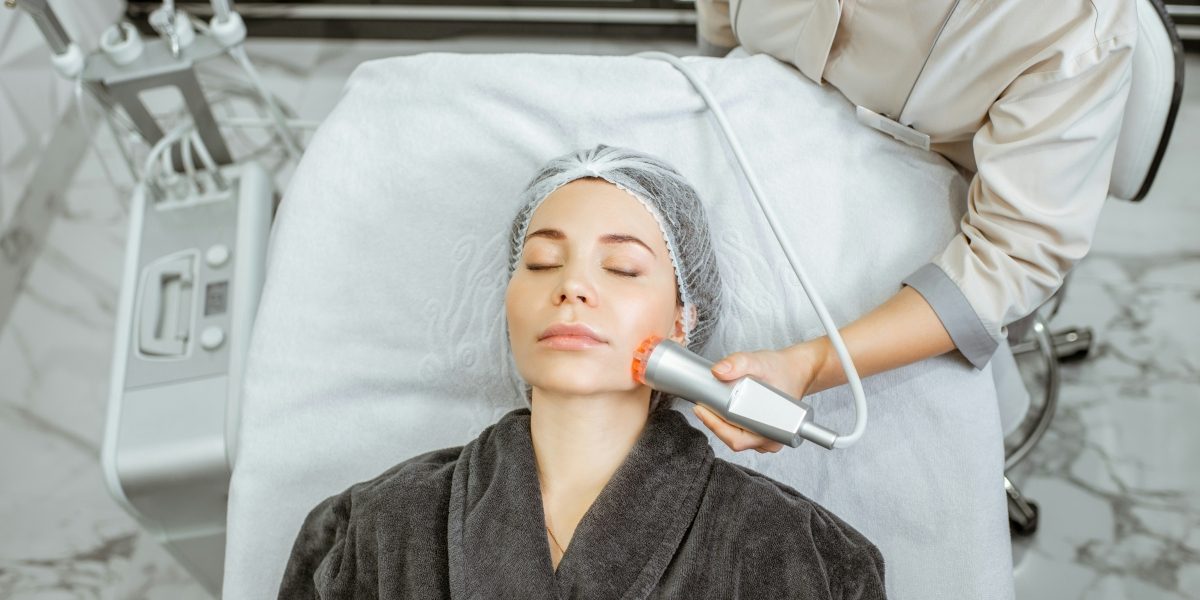

The way people approach facial aging has changed significantly. More patients now want treatments that help them look fresher and more lifted without obvious signs of work done. Instead of dramatic transformation, the focus has shifted toward subtle, natural-looking rejuvenation that fits more comfortably into modern lifestyles.
This is one reason non-surgical skin tightening has become such a strong category in aesthetic medicine. Treatments such as Ultherapy Prime and EmFace Singapore are increasingly part of the conversation for those exploring options to address early sagging, softer facial contours, and visible loss of firmness.
Although both treatments are often grouped under facial rejuvenation, they are not identical. They work differently, target different aspects of aging, and may suit different patient profiles. Understanding that distinction is important for anyone trying to make sense of today’s growing range of aesthetic options.
Why Skin Tightening Has Become More Relevant
Facial aging is rarely caused by a single factor. Over time, collagen production slows, skin becomes less elastic, and facial support can begin to soften. The result is often a gradual change rather than a dramatic one: the jawline looks less crisp, the lower face starts to feel heavier, and the face may appear more tired even when the person feels well.
Because these changes often progress, many people begin seeking treatment before they feel ready for anything invasive. That is where non-surgical skin tightening has found its place. It offers an option for those who want to intervene earlier and support the face in a more gradual, less disruptive way.
A Closer Look at Ultherapy Prime
Among the better-known names in this space is Ultherapy Prime Singapore, which is often discussed in relation to non-invasive lifting. Its appeal largely stems from its ability to target deeper structural layers supporting the face, making it a treatment commonly considered when skin laxity becomes more noticeable.
Patients who look into Ultherapy Prime are often concerned about issues such as jowling, softening along the jawline, or sagging around the lower face and neck. Rather than adding volume or changing facial proportions, the treatment is generally viewed as supporting lifting and firmness by working beneath the skin in a more structural way.
This is also why it tends to be discussed differently from surface-based rejuvenation treatments. For the right patient, the goal is not simply smoother skin, but better support and definition.
Where EmFace Enters the Conversation
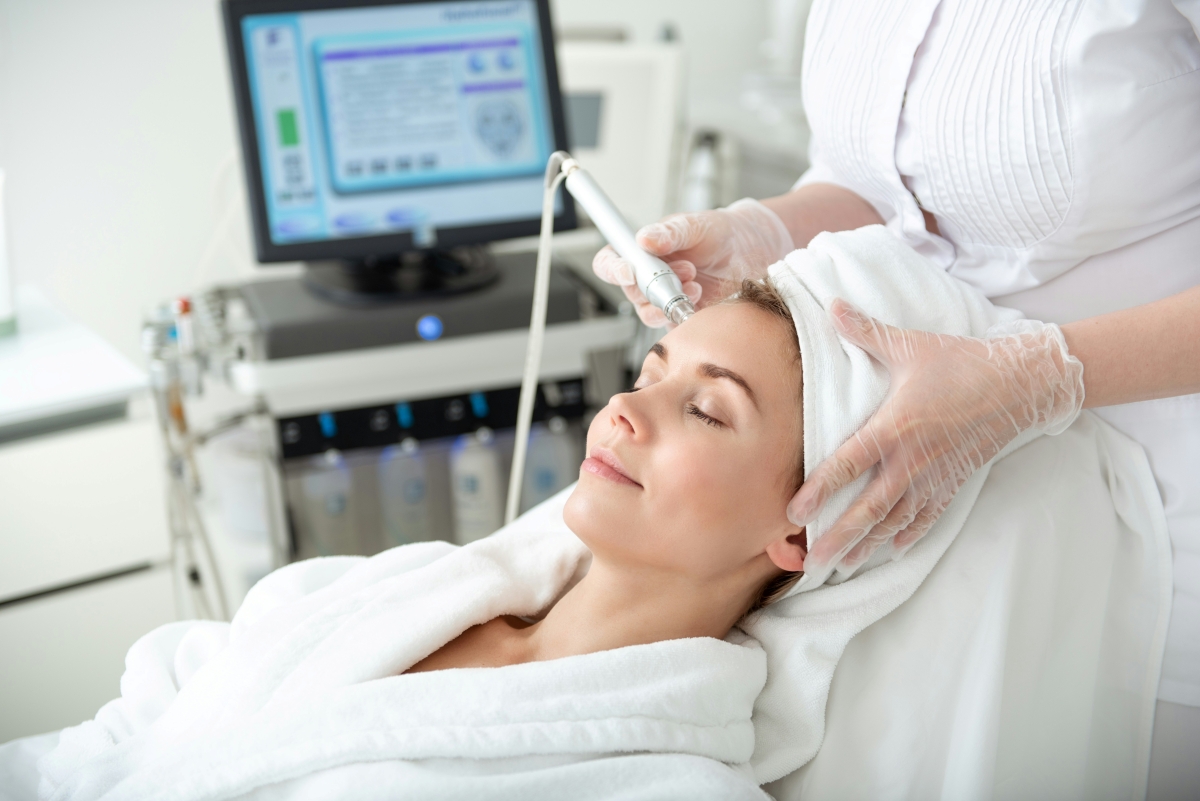
Photo: Unsplash.com
At the same time, EmFace has attracted growing interest because it approaches facial aging from a different angle. Instead of focusing only on skin tightening, EmFace is often described as a treatment that addresses both skin quality and facial muscle support.
That distinction matters. Not every patient experiencing facial aging has the same underlying issue. Some have more laxity, while others notice softer contours, reduced facial tone, or a more fatigued appearance overall. In those cases, a treatment that engages multiple aspects of aging can be particularly appealing.
Another reason EmFace has gained attention is that it fits neatly into the broader movement toward needle-free rejuvenation. For patients who want facial improvement without injectables or surgery, it represents a newer category of treatment that feels aligned with low-downtime, natural-looking care.
Why These Treatments Are Not Interchangeable
It is tempting to compare technologies as though one must be better than the other, but that is rarely how aesthetic medicine works in practice. Treatments like Ultherapy Prime and EmFace are often best understood not as direct substitutes, but as tools with different strengths.
One is more often associated with deeper support and lifting. The other is more often discussed in terms of skin quality and facial muscle engagement. That difference may sound subtle at first, but it can shape how well each treatment suits a particular face.
This is also why patient selection matters so much. Two people of the same age may present very differently. One may need support for laxity and sagging, while another may be more concerned with early contour changes or looking less tired. A good treatment plan depends on identifying what is actually driving the visible change.
The Growing Preference for Natural-Looking Rejuvenation
The popularity of treatments such as Ultherapy Prime Singapore and EmFace Singapore also reflects a broader cultural shift in aesthetics. Patients are becoming more selective, more informed, and often more conservative in what they want. They are less interested in looking transformed and more interested in looking well-rested, firmer, and slightly lifted in a way that still feels like themselves.
That preference has changed the language of aesthetic medicine. “Anti-aging” no longer means chasing dramatic correction at all costs. Increasingly, it means maintaining facial quality, preserving support, and choosing treatments that age well.
In that context, skin tightening technologies appeal not just because they are non-surgical but also because they often align with modern patients’ values: subtlety, convenience, and prevention.
Choosing a Clinic Is About More Than Choosing a Machine
This is often the point where prospective patients start searching for a reputable aesthetic clinic in Singapore. But that search can be misleading if it is understood too narrowly. The right clinic is not simply the one with the most devices. It is the one who can assess the face properly, explain options clearly, and recommend a plan based on anatomy and goals rather than popularity.
In aesthetic treatments, technology matters, but judgment matters just as much. A device can only do so much if it is not matched to the right indication. For treatments involving skin tightening and lifting, this becomes especially important because results are typically gradual and depend heavily on whether the treatment addresses the real cause of the concern.
A thoughtful consultation should help answer a few core questions. Is the issue mainly laxity? Is it related to facial support? Is there heaviness in the lower face? Are the changes still early, or more established? These distinctions influence whether a treatment is likely to feel satisfying or underwhelming.
A More Informed Way to Think About Treatment Choice
For patients trying to compare non-surgical options, it may be more useful to stop asking which treatment is “best” in absolute terms. A better question is which treatment makes sense for the way their face is aging.
That shift in perspective is important. It moves the conversation away from trends and toward suitability. It also reminds patients that in aesthetics, the most effective plan is often not the most aggressive, but the most appropriate.
As more people explore skin tightening in Singapore, such informed decision-making is likely to matter even more. The category is growing, and as more treatments enter the market, clarity becomes increasingly valuable.
Non-surgical facial rejuvenation continues to evolve, and treatments like Ultherapy Prime Singapore and EmFace Singapore reflect how much the field has expanded beyond traditional ideas of tightening alone. Both treatments speak to a growing demand for low-downtime, natural-looking options, but they do so in different ways.
For anyone considering these options, the key is not simply finding the latest device or the most talked-about treatment. It is understanding what your face actually needs and finding an aesthetic clinic in Singapore you can trust to make that distinction well.
In the end, good aesthetic treatment is rarely about doing more. It is about doing what fits.
Disclaimer: This article is for informational purposes only and does not constitute medical advice, diagnosis, or treatment. The information provided is not intended to replace a consultation with a qualified healthcare professional. Individual results from aesthetic treatments may vary. Always consult a licensed medical practitioner before undergoing any treatment to determine whether it is appropriate for your specific needs and conditions.