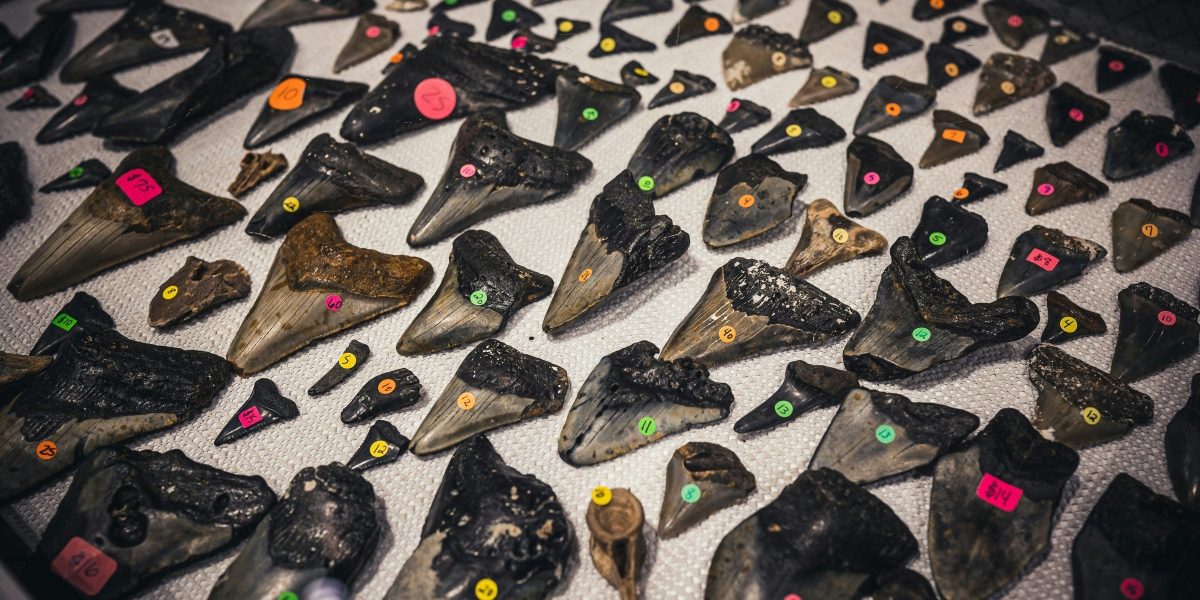

Fossils have long been admired for the stories they hold about life on Earth millions of years ago. Among the most impressive of these relics are Fossil Megalodon Teeth, which continue to attract attention from collectors, researchers, and enthusiasts across the globe. These massive teeth once belonged to one of the largest predators ever to exist, the Megalodon shark, a creature that dominated ancient seas and still sparks curiosity today.
Unlike many other fossils, Megalodon teeth are both visually striking and relatively accessible, making them a popular entry point into fossil collecting. Their size, shape, and history combine to create a unique appeal that goes beyond simple curiosity.
What Makes Fossil Megalodon Teeth So Special
Megalodon teeth are instantly recognizable due to their large triangular shape and serrated edges. Some specimens measure over seven inches in length, making them far larger than the teeth of modern sharks. These features were not just for show; they were essential tools that allowed the Megalodon to hunt large marine animals.
The durability of these teeth is another reason they are commonly found today. Sharks continuously shed teeth throughout their lives, and the Megalodon was no exception. Over time, these teeth sank to the ocean floor and became preserved as fossils. This natural process has left behind thousands of specimens, each with its own unique characteristics.
Collectors often seek authentic megalodon teeth because no two pieces are exactly alike. Variations in color, condition, and size make each fossil a one-of-a-kind item.
The Science Behind Megalodon Shark Teeth
From a scientific perspective, Megalodon shark teeth provide valuable insights into prehistoric marine ecosystems. By studying these fossils, researchers can estimate the size of the Megalodon, understand its feeding habits, and learn more about the environment it lived in.
For example, the size of a tooth can help determine the overall length of the shark. Some estimates suggest that Megalodons could reach lengths of up to 60 feet or more. The serrated edges of the teeth indicate that they were designed for cutting through flesh, supporting the theory that these sharks were apex predators.
The mineral composition of the teeth can also reveal details about the water conditions in which they were formed. This makes marine fossils like Megalodon teeth valuable tools for reconstructing ancient ocean climates.
Why Fossil Collecting Continues to Grow
Fossil collecting has grown steadily as a hobby, with Megalodon teeth frequently at the center of this expanding interest. One reason is accessibility. Unlike rare dinosaur bones, Megalodon teeth are relatively abundant and can be found in various parts of the world, including coastal regions and riverbeds.
Another factor is the connection people feel to natural history. Holding a Megalodon tooth in your hand creates a tangible link to a time when giant predators ruled the oceans. This sense of connection is something that photographs or digital representations simply cannot replicate.
For beginners, starting with prehistoric shark fossils is often a practical choice. These fossils are durable, easy to store, and available in a wide range of price points, making them suitable for both casual collectors and serious enthusiasts.
How to Identify Authentic Specimens
When purchasing Fossil Megalodon Teeth, authenticity is a key concern. Genuine fossils will show natural signs of aging, such as mineralization, color variation, and wear patterns. These characteristics develop over millions of years and are difficult to replicate artificially.
Buyers should pay attention to the texture and weight of the tooth. Real fossils tend to feel solid and slightly heavier than replicas. The serrations along the edges should also appear natural rather than perfectly uniform.
Purchasing from reputable sources is also worth considering. Fossil Driven offers a curated selection of verified fossils, which can help reduce the risk of acquiring replicas or altered specimens.
The Aesthetic Appeal of Marine Fossils
Beyond their scientific value, marine fossils like Megalodon teeth are often appreciated for their visual appeal. The colors of these fossils can range from deep blacks and grays to shades of brown, tan, and even bluish hues, depending on the minerals present during fossilization.
This variety makes them popular for display purposes. Many collectors choose to showcase their finds in cases, on shelves, or as part of decorative arrangements. A well-preserved Megalodon tooth can serve as a striking centerpiece in any collection.
The natural patterns and textures found in these fossils also contribute to their charm. Each piece tells its own story, shaped by time, environment, and geological processes.
Educational Value for All Ages
Fossils play an important role in education, and Megalodon teeth are no exception. They provide a hands-on way to learn about prehistoric life, geology, and evolution. For students, these fossils can make abstract concepts more tangible and engaging.
Teachers and parents often use fossils as teaching tools to spark curiosity and encourage learning. A single Megalodon tooth can lead to discussions about ancient ecosystems, extinction events, and the history of life on Earth.
This educational aspect adds another layer of value to fossil collecting, making it more than just a hobby.
Caring for Your Fossil Collection
Proper care is essential to preserve the condition of Fossil Megalodon Teeth. Fortunately, these fossils are relatively low maintenance compared to other collectibles. Basic steps include keeping them clean, avoiding exposure to harsh chemicals, and storing them in a dry environment.
Dust can be removed with a soft brush, while more stubborn dirt can be cleaned using water and a gentle cloth. It is important to avoid abrasive materials that could damage the surface of the fossil.
Displaying your collection in a stable environment will help maintain its quality over time. Extreme temperature changes and high humidity levels should be avoided whenever possible.
A Lasting Connection to Prehistoric Life
The fascination with Fossil Megalodon Teeth continues to grow, driven by their unique combination of history, science, and visual appeal. Whether you are a seasoned collector or just beginning your journey into fossil collecting, these remarkable specimens offer a meaningful way to connect with the distant past.
From their role in scientific research to their popularity among hobbyists, Megalodon teeth stand out as some of the most compelling fossils available today. Their presence speaks to the incredible diversity of life that once existed beneath the waves.
Owning a piece of that history is not just about collecting; it is about preserving a story that spans millions of years and continues to inspire curiosity in people of all ages.