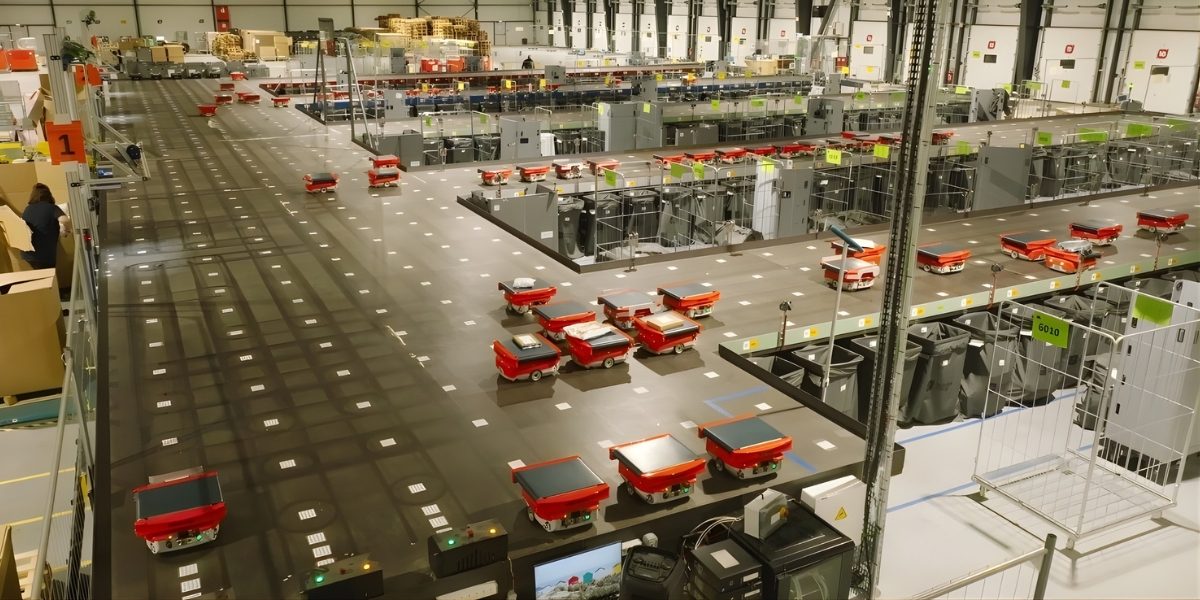

The warehousing industry within the USA is clearly undergoing a change as more businesses are moving to an automation-based supply chain. This has shown that many existing storage setups have not been designed to integrate with modern systems, which has created a gap between storage, picking, and movement. This has slowed down the process, which has caused a delay. As warehousing continues to incorporate more robotics and technology, it has become essential that everything flows smoothly.
A well-thought-out warehouse storage solution is an important component in supporting end-to-end automation. It should also be able to easily integrate with other technologies such as ASRS, robots, and other automated technologies to ensure that processes run without interruptions. Currently, in the USA, labour shortages, rising real estate costs, and increased investment in automation technologies are causing businesses to rethink their approach to designing their warehouses. Aligning storage with automation is now a feasible option to optimise efficiency.
How Can Warehouse Storage Solutions Support End-to-End Automation Goals?
A warehouse storage solution assists in automation by ensuring that materials move easily from the incoming to the storage and then to the outgoing process. It also operates in collaboration with other automation technologies such as ASRS, shuttle systems, and picking robots. The major contributions include:
- Smooth movement of materials across all warehouse stages
- Compatibility with automated storage and picking systems
- Better access to inventory and faster order processing
In cases where storage is properly aligned with automation, it makes the flow of materials easier. This ensures that they move without interruptions.
What Challenges Arise When Storage Systems Are Not Aligned with Automation?
If storage systems are not properly aligned, it can make operations difficult to manage. Even when using a material handling conveyor system, achieving expected results can be difficult if storage layouts do not support the movement from picking to transport. Some challenges that can be experienced include:
- Bottlenecks between storage, picking, and movement processes
- More manual work needed to support automated systems
- Limited ability to scale during demand changes or expansion
These problems may cause the operations to slow down, hence affecting efficiency. They may eventually lead to an increase in cost while making it tough to attain the great results from automation.
What Technical Factors Should Be Considered When Integrating Storage with Automation?
There is a need to plan properly when integrating storage with automation. The storage solution in a warehouse should be able to integrate properly with warehouse management systems and control systems, so that everything is always connected in real-time. The key technical considerations include:
- Easy integration between storage systems and software platforms
- Layout design that supports conveyors and robotic systems
- Flexibility to scale and adjust as automation needs grow
By focusing on these aspects, a reliable and flexible system can be created. This also makes it easy to upgrade operations in the future for warehouses in the USA without having to make drastic changes.
How Do Integrated Storage and Conveyor Systems Improve Warehouse Performance?
The integration with storage and movement systems directly influences performance. The material handling conveyor system performs well when it is properly integrated with storage systems. This ensures that goods are moved without delays. The major benefits to system performance include:
- Faster movement of materials across the warehouse
- Reduced handling time at different stages
- Improved accuracy through better coordination
This setup helps in minimising errors while maintaining smooth operations. In addition, it helps maintain system performance despite increased demand.
If storage and movement systems are well-linked, it is easier to manage the inventory and workflow. Each operation helps to support the next, which eliminates downtime and optimises the utilisation of the entire system, creating a balanced environment in the USA-based warehouses.
How Addverb Enables Storage and Material Movement Alignment in Automated Warehouses
Addverb has strong offerings in warehouse storage solutions, including ASRS and high-density storage systems, which are geared towards working with automated warehouse environments. This allows for a simple and structured integration with other warehouse processes.
The company also facilitates the movement of materials through conveyor systems and robotics, which makes it easier to move goods between different zones. Addverb is dedicated to developing solutions that are scalable, efficient, and require minimal human intervention, helping warehouses to achieve better efficiency.
In Summary
The alignment of storage with automation plays an essential role in improving efficiency, scalability, and reliability within USA-based supply chains. Systems such as the material handling conveyor system play an essential role in developing smooth operations, lowering costs, and improving services.
Addverb’s storage solutions help businesses create warehouses that are ready for automation and sustainable growth.