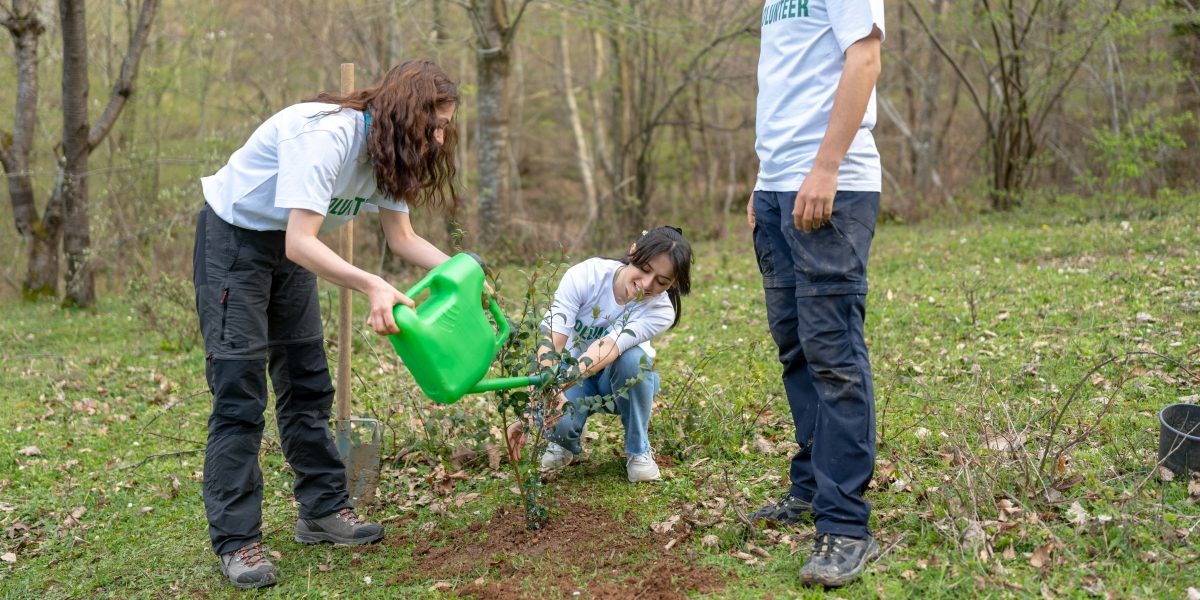

Through hands-on volunteering, people can learn to communicate, coordinate, and inspire others, while forging connections that transcend backgrounds and beliefs. Erin Sydney Welsh suggests that the journey from participant to leader in volunteer settings may reveal unique strengths, build self-confidence, and often transform perspectives.
Whether organizing local events or guiding teams, volunteers can develop valuable skills that benefit both their personal and professional lives. As organizations and groups encourage service, the ripple effects may extend far beyond the initial act—sustained volunteerism fosters resilience, trust, and a culture of giving back.
Volunteering’s Roles in Supporting Leadership Skills
Volunteering offers hands-on experiences that help people develop essential leadership skills in real-world situations. Through volunteer work, individuals may find themselves communicating with groups, organizing events, or guiding teams to achieve common goals. By engaging, people learn how to solve problems, adapt to new challenges, and motivate others.
Participating in volunteer projects can also reveal hidden strengths and boost self-confidence. Someone who leads a local clean-up effort might discover an aptitude for coordinating others and managing logistics. Over time, these opportunities allow volunteers to build on their abilities, preparing them for leadership roles in both their communities and their professional lives.
Connecting Communities Through Volunteer Efforts
When people come together to volunteer, they build bridges across backgrounds and beliefs. Community gardens, neighborhood festivals, and local mentoring programs all illustrate how shared effort may create lasting connections among residents. These activities foster understanding and break down barriers, making it easier for individuals to relate to one another in meaningful ways.
Shared volunteer experiences also lay the foundation for trust within a community. As people work side by side, they form relationships that extend beyond the project itself, strengthening the social fabric. A community that volunteers together is more likely to support each other in times of need, creating a safety net that can benefit everyone.
Personal Growth Through Volunteer Leadership
Taking on leadership roles in volunteer settings often sparks personal growth. A college student who organizes a food drive might discover newfound confidence and a talent for inspiring others to join the cause. Such experiences not only impact the individual but also contribute to the well-being of those around them.
Many volunteers find that stepping into leadership brings unexpected rewards, such as a deeper sense of purpose and a broader network of connections. These opportunities can become a turning point, influencing how individuals see themselves and their ability to make a difference. As people continue to lead, they often develop a clearer vision for their future and may feel more empowered to pursue new challenges.
Choosing the Right Volunteer Opportunity
Finding a volunteer role that aligns with personal interests and leadership aspirations can make all the difference. Someone passionate about animal welfare might thrive organizing adoption events, while another person could grow by managing logistics for a youth sports league. As individuals take on more responsibility in these roles, they may become more aware of their strengths and areas for improvement.
Reflecting on each experience helps volunteers identify new skills and set goals for further development. Whether coordinating a team project or mentoring newcomers, volunteers are constantly learning and adapting, which fuels ongoing personal growth. The process of self-reflection often uncovers passions and talents that shape future decisions, both personally and professionally.
Encouraging Volunteerism in Organizations and Groups
Organizations that actively support volunteerism tend to see higher morale and stronger teamwork among their members. Corporate days of service or school-led community initiatives often inspire individuals to step up and lead, creating a ripple effect that may benefit the entire group. When leaders promote a culture of giving back, it can motivate others to engage and contribute their unique talents.
Sustained encouragement and recognition go a long way in keeping volunteers motivated. Simple gestures, such as acknowledging effort or sharing stories of impact, can help maintain enthusiasm and participation over time. When people feel appreciated, they are more likely to continue their involvement and inspire others to join.