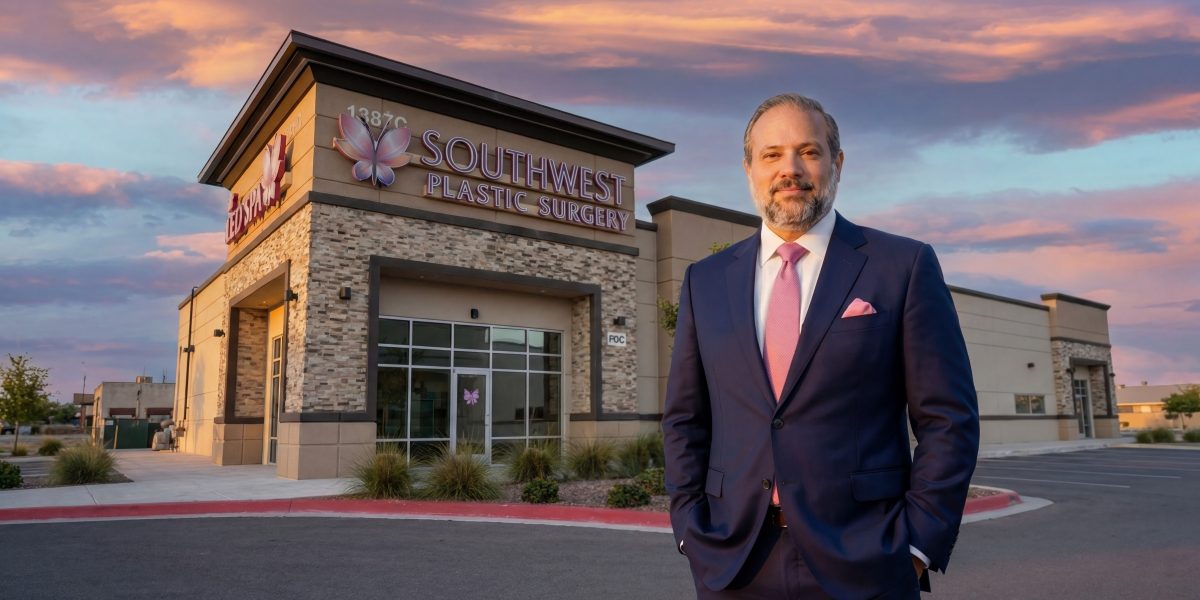

By: Frank Agullo, MD
Aesthetic plastic surgery is entering a decisive new era, one defined not by excess but by preservation.
For decades, progress in cosmetic surgery was often associated with doing more: more lifting, more volume, more projection, more dramatic transformation. While innovation expanded what surgeons could achieve, it also revealed the biological limits of aggressive intervention. Today, a quieter but more profound evolution is underway, one that prioritizes anatomical respect, regenerative strategy, and long-term integrity over short-term effect.
According to Frank Agullo (internationally known as “Dr. WorldWide”), the future of aesthetic surgery will belong to surgeons who understand that refinement, not intensity, defines true mastery.
“The next chapter of aesthetic surgery is not about bigger changes,” he explains. “It’s about better decisions. Less trauma. More preservation. And results that remain stable and natural over time.”
Dr. Agullo describes this transition as the beginning of the Preservation Era.
Pillar One: Breast Augmentation Redefined Through Tissue Preservation
Few procedures illustrate the evolution of aesthetic surgery more clearly than breast augmentation. Traditional techniques often involved extensive dissection to create implant pockets, sometimes disrupting natural ligament support systems and vascular integrity. While results could be aesthetically pleasing, excessive manipulation increased the risk of bleeding, inflammation, prolonged recovery, and long-term structural changes.
Dr. Agullo advocates a model rooted in biomechanical harmony. Modern preservation-based augmentation focuses on maintaining native breast tissue integrity, respecting ligamentous support structures, preserving vascular supply, and minimizing dissection. The objective is not simply to place an implant but to integrate it intelligently within existing anatomy so that the implant and tissue function together as a cohesive unit.
Technological advances such as Motiva Preservé reflect this direction, but Dr. Agullo emphasizes that devices alone do not define the shift.
“This is not about a device,” he explains. “It is about surgical judgment and understanding anatomy at a deeper level. It requires restraint.”
Preservation-based augmentation demands careful planning, precise pocket creation, and respect for biological boundaries. The result is often a softer feel, more natural movement, and smoother recovery.
Pillar Two: Facial Rejuvenation as Structural Repositioning
Facial surgery has undergone an equally significant transformation. Earlier facelift techniques relied heavily on skin tension to create lift. While this approach could produce immediate tightening, it sometimes resulted in unnatural contours or a pulled appearance over time.
Today’s anatomically intelligent methods shift focus from surface tension to structural repositioning. The deep plane facelift exemplifies this evolution by addressing the underlying SMAS layer, or superficial musculoaponeurotic system. Rather than tightening skin alone, surgeons reposition deeper facial structures, preserving vascular integrity and minimizing skin undermining. The result moves more naturally with facial expression.
“The face ages in layers,” Dr. Agullo says. “To restore it naturally, you must work in the correct anatomical plane.”
Advanced endoscopic techniques, often referred to as the ponytail facelift, use small incisions hidden within the hairline. These methods reduce visible scarring, minimize tissue disruption, maintain lymphatic drainage, and support faster recovery while producing lift without distortion.
Preservation facelifting is not cosmetic camouflage. It is a structural correction guided by anatomy. The goal is rejuvenation that appears intrinsic rather than imposed.
Pillar Three: From Fillers to Regenerative Fat Grafting
Perhaps the most visible cultural shift in aesthetics is the movement away from repetitive filler treatments toward regenerative volume restoration. Over the past decade, injectable fillers have become synonymous with facial rejuvenation. While effective for temporary correction, overuse sometimes led to overfilled contours, compromised natural movement, and dependence on repeated maintenance.
Dr. Agullo views structural fat grafting as a more biologically intelligent alternative. Unlike synthetic fillers, fat grafting uses the patient’s own tissue to restore volume. When processed and placed correctly, grafted fat integrates into surrounding tissue, reestablishing contour while supporting regenerative processes at a cellular level.
Technologies such as Alloclae and Lipoderma enhance purification and placement precision, improving graft viability and contour refinement. Still, technique remains paramount.
“Fat is not just volume,” Dr. Agullo says. “It is living tissue. When we use it correctly, we are not inflating. We are restoring.”
Regenerative fat grafting offers long-term biologic integration, more natural facial movement, structural contouring of both face and body, and the potential benefits of adipose-derived cells. In this context, preservation and regeneration intersect. The objective is biological restoration rather than temporary expansion.
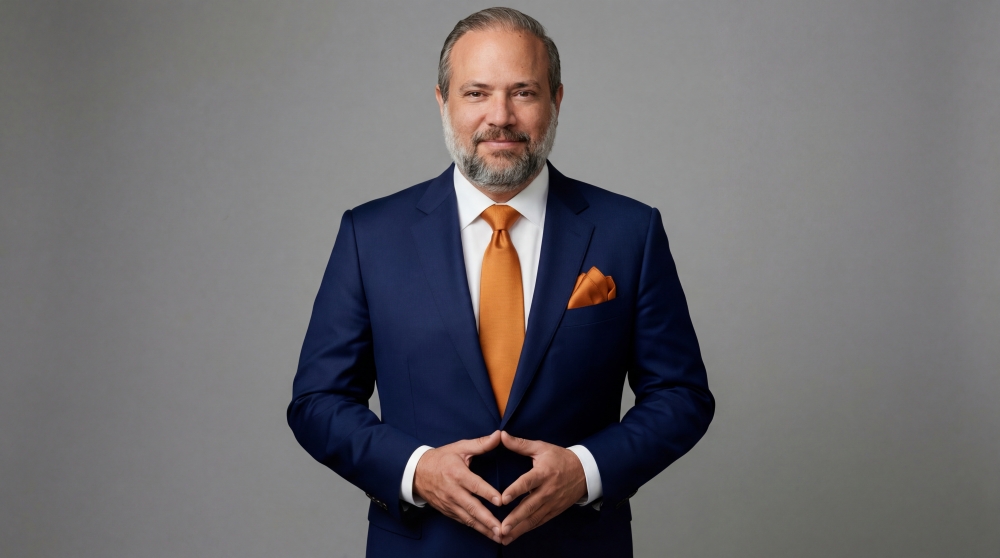
Photo Courtesy: Dr. Frank Agullo’s Team
A Philosophical Shift in Patient Expectations
The rise of preservation-driven surgery aligns with a generational change in patient priorities. Many patients now value subtlety over dramatic alteration, longevity over instant transformation, authenticity over exaggeration, and structural harmony over surface tightness. They seek procedures that enhance identity rather than redefine it.
For surgeons, this demands a shift from procedural thinking to architectural thinking. The question is no longer how much can be changed, but what should be protected.
Preservation-based surgery requires restraint, anatomical mastery, and strategic planning. It demands long-term vision rather than short-term spectacle.
Defining the Next Standard of Aesthetic Excellence
Dr. Agullo believes the surgeons who will define the next era of plastic surgery are those who embrace this evolution. The Preservation Era is characterized by respect for anatomy, reduced trauma and disruption, technological integration guided by judgment, regenerative principles, long-term structural stability, and natural, undetectable outcomes.
It is technologically advanced yet biologically grounded. It replaces excess with precision.
“True innovation in surgery is not about being more aggressive,” Dr. Agullo reflects. “It is about becoming more intelligent.”
As aesthetic medicine continues to evolve, preservation-driven techniques are reshaping expectations among both surgeons and patients. The field is moving beyond dramatic transformations toward refined, stable, and authentic outcomes.
Plastic surgery is no longer entering an age of amplification. It is entering an age of intention. And those who adapt to this philosophy may well define the new global standard for aesthetic excellence.
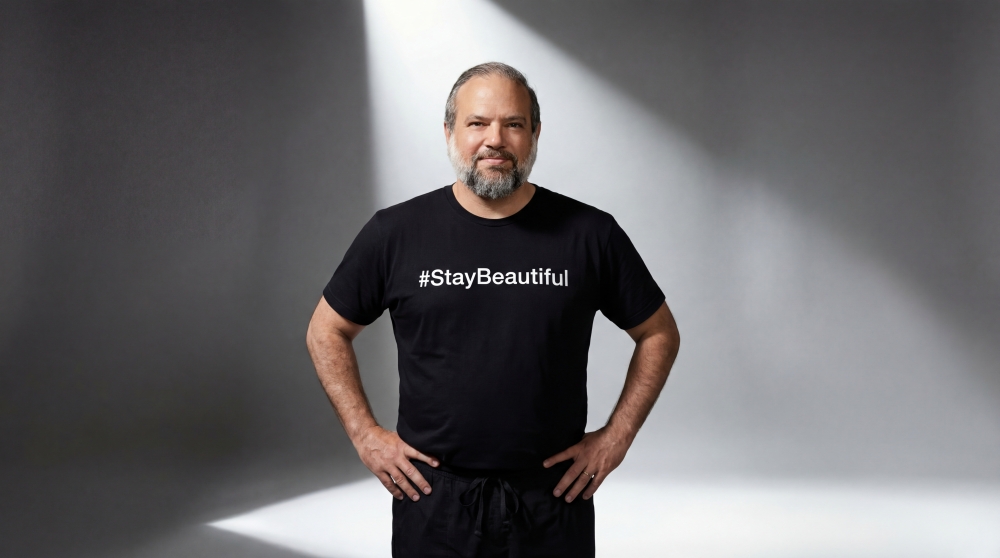
Photo Courtesy: Dr. Frank Agullo’s Team
For more information on Dr. Frank Agullo and his approach to aesthetic surgery, you can visit the following websites:
Disclaimer: This article is for informational purposes only and does not constitute medical advice. For personalized guidance regarding aesthetic procedures, please consult with a qualified healthcare professional.