
By: Ethan Rogers
Dog owners are paying closer attention than ever to what goes into their pets’ bowls. But even with high-quality kibble or fresh diets, some dogs experience persistent itching, dull coats, digestive upset or inconsistent stool. When those issues linger after nutritional nuances are addressed, pet owners look beyond mealtime, often turning to dog supplements.
According to Astute Analytics, the U.S. pet supplement market is projected to grow by 6.6% from 2025 to 2033, reaching an estimated value of $2,014 million. With more and more powders, chews and toppers on the market, products like those from Dinovite have become familiar names among dog owners.
But popularity doesn’t always equal professional endorsement. Do veterinarians actually recommend Dinovite, and if so, when might a supplement make sense for your dog?
When Vets Recommend Dinovite
Veterinarians don’t universally endorse specific supplement brands, but many recommend nutritional support products like Dinovite probiotic powder for dogs or SuprOmega Fish Oil as a liquid topper when a dog has ongoing skin, coat or digestive concerns that aren’t resolved with diet changes alone.
Vets often look for supplements with transparent ingredient lists, probiotics, fatty acids and essential vitamins. Products like those from Dinovite may be suggested when they align with a dog’s specific needs and fit within a broader care plan.
Before starting any supplement for your pup, most veterinarians recommend discussing use with them, especially if your dog has underlying health conditions or is already on a specialized diet or medication.
Why Some Dogs Struggle, Even on “Good” Food
A complete and balanced diet is important for supporting a dog’s health, and many commercial foods are formulated to meet established nutritional standards. Still, even dogs eating only carefully selected recipes can experience ongoing skin, coat or digestive concerns. Factors like individual sensitivities, environmental allergens, stress, age and breed-specific tendencies influence how well a dog absorbs and uses nutrients.
Digestive health also plays a role. A dog may consume all the right nutrients but struggle if its gut microbiome is out of balance or if absorption is inconsistent. Over time, those issues can lead to dull fur, flaky skin or irregular stools, prompting owners to seek additional support.
How Veterinarians Approach Skin, Coat and Gut Issues in Dogs
When a dog develops ongoing skin, coat or stomach symptoms, veterinarians often take a step-by-step approach rather than jumping straight to supplements as treatment. Skin and gastrointestinal symptoms can stem from a wide range of causes, and identifying the source helps vets choose the right treatment or support strategy.
1. Ruling Out Medical Causes
Before recommending any supplement, veterinarians usually look for underlying health issues that may be driving symptoms. Common culprits can include:
- External parasites like fleas or mites
- Bacterial or yeast infections
- Food or environmental allergies
- Infections
- Inflammatory conditions
- Other medical disorders
Bloodwork, skin testing or stool analysis may be used to rule out these causes. If vets discover a medical issue, they can treat it with medicine and other best practices. Treating an underlying condition helps ensure lingering symptoms aren’t masking a larger health issue.
2. Evaluate Diet and Make Necessary Changes
If medical causes are ruled out or managed, the next step often involves reviewing a dog’s diet under veterinarian guidance. Veterinarians may examine ingredient lists, protein sources, feeding frequency and treat intake to determine whether nutritional adjustments could help a pup overcome symptoms.
Vets may recommend an elimination diet to identify potential food sensitivities. Following such a recommendation, owners would feed their dog a limited-ingredient diet, such as a single protein and carbohydrate, for a few weeks. All treats and table scraps are removed from the equation.
After the elimination period, other ingredients are introduced one at a time over several more weeks, while the owner watches for symptoms to recur. This process helps identify foods that trigger allergic reactions.
Switching to a limited-ingredient, hydrolyzed or prescription formula may also be part of the veterinarian-reviewed process.
3. Implementing Supplements as Support
Once health concerns and diet have been addressed, veterinarians may consider supplements as an added layer of support. Supplements are generally used alongside a complete and balanced diet rather than in place of one. The goal is to provide targeted nutritional support that complements veterinary care and helps maintain results over time.
Where Dinovite and Similar Supplements Fit In
When veterinarians determine that a dog’s symptoms are not caused by an untreated medical condition and that diet adjustments alone are not fully resolving the issue, supplements may enter the conversation. Rather than viewing supplements as a cure-all, many vets see them as targeted support tools designed to reinforce specific systems, such as gut microbiomes or skin barriers.
Products like Dinovite fall into this category of nutritional support supplements. These formulas typically combine probiotics, fatty acids, vitamins and other nutrients intended to complement a complete diet. The goal isn’t to replace balanced food but to provide concentrated ingredients that may help support digestion, coat quality and overall wellness when used appropriately.
Common Supplement Ingredients and Their Intended Purpose
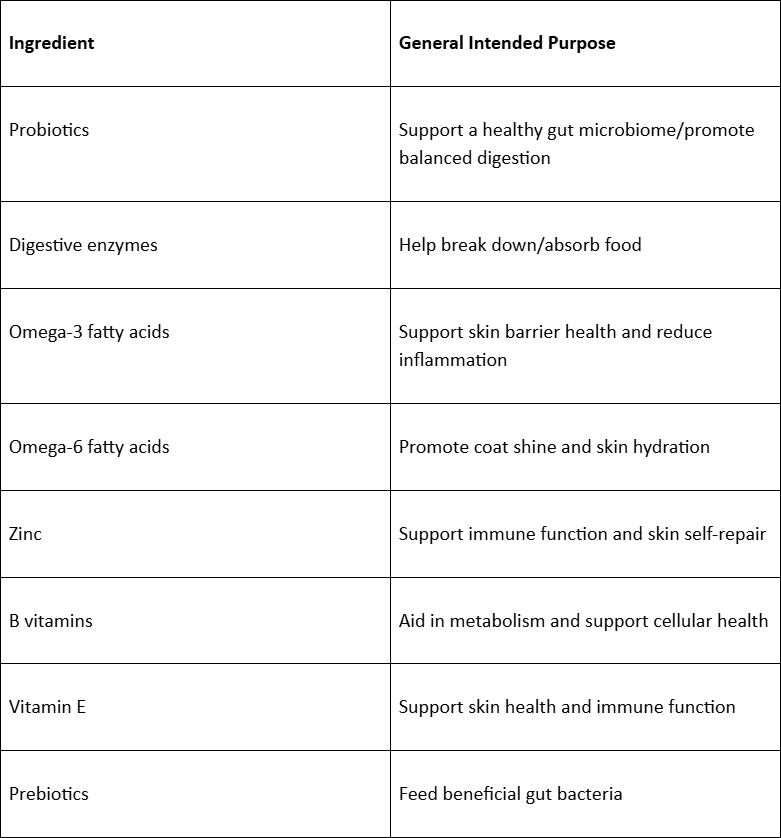
Dinovite includes several of these commonly recommended ingredient categories, positioning it as a broad-spectrum supplement that supports multiple aspects of canine wellness.
Is Dinovite Right for Your Dog?
Dinovite may be worth considering if your dog struggles with skin irritation or other symptoms despite eating a complete and balanced diet.
Veterinarians recommend supplements based on individual need, ingredient quality and overall health status, not brand popularity. If your dog has persistent symptoms, the best next step is to talk with your vet about diet, possible sensitivities, and whether adding a supplement makes sense. Ask your vet if Dinovite might be a good addition to a broader plan to support your pup’s health.
Disclaimer: This article is for informational purposes only and should not be considered as veterinary advice. Always consult with a qualified veterinarian before introducing any supplements to your pet’s diet, especially if your pet has underlying health conditions or is on a specialized diet or medication. Each dog’s nutritional needs are unique, and a veterinarian can provide guidance tailored to your pet’s individual health status.