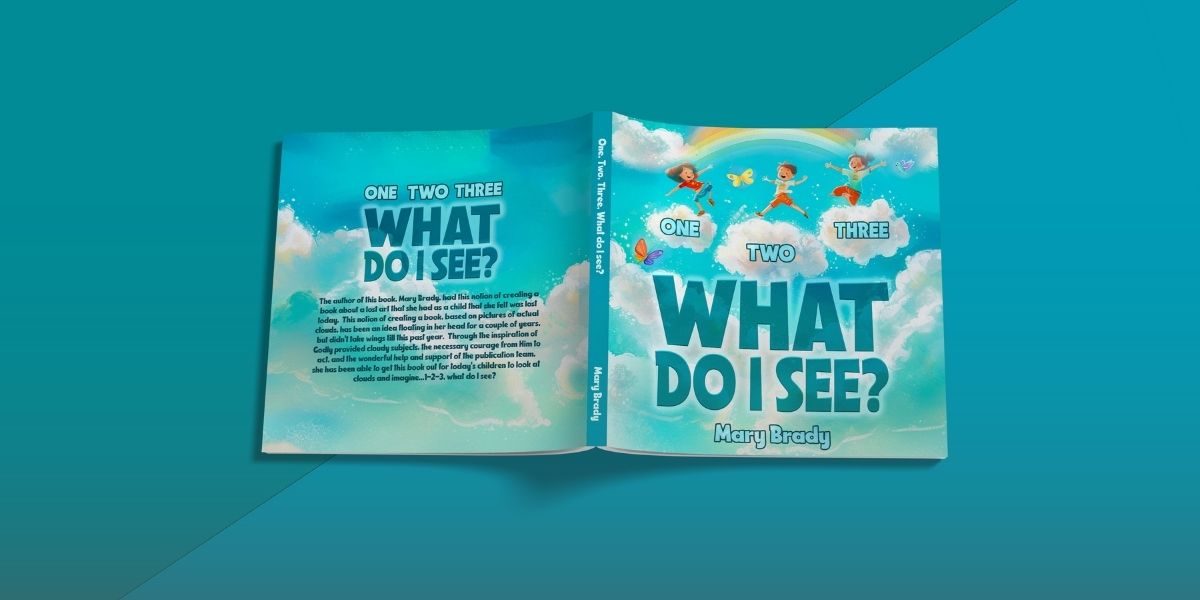

In One, Two, Three, What Do I See?, author Mary Brady offers young readers a warm, thoughtful story that celebrates imagination, family connection, and the joy of slowing down to truly look at the world around us. Told through the voice of a child named Daisy, this charming picture book gently encourages readers to discover how ordinary moments can become shared adventures, reminding readers that wonder can often be found in unexpected places, sometimes right above us in the clouds.
Daisy lives in North Carolina with her Mommy and Daddy and her two younger siblings, Leo and Mattie. Their home is lively and full of laughter, especially during the summer months when school is out, the days are long, and play feels endless. From running barefoot in the yard to enjoying juicy slices of watermelon, the siblings find happiness in simple pleasures. Even watermelon becomes a game, as they laugh and cheer while spitting seeds as far as they can.
But the heart of the story centers on a different kind of game, one that doesn’t require toys, screens, or special equipment. Daisy introduces readers to her family’s favorite pastime: “One, two, three, what do I see?” The rules are simple. Someone asks the question, everyone looks up, and imagination takes over.
Much of the story unfolds during car rides with Mommy and Daddy, to restaurants, Walmart, the doctor’s office, and visits with family members. As the car hums along, the sky becomes a canvas. Clouds shift and stretch, turning into superheroes with lobster claws, bunnies wearing capes, smiling faces, whales leaping joyfully, pirate ships sailing invisible seas, fish swimming through the sky, cats, skulls, alligators, and countless other shapes. Each child sees something different, and each perspective is welcomed with curiosity and laughter.
One of the book’s most endearing qualities is how it honors individuality. Leo often spots alligators no matter where he looks, happily imagining them as friendly companions or brave protectors. Mattie sometimes sees shapes that feel a little scary at first, but with a second look, she reimagines them into something cheerful and comforting. Daisy observes carefully and thoughtfully, finding meaning and connection in what she sees, sometimes even noticing her family dog smiling back at her from the clouds.

Photo Courtesy: Mary Brady
Mary Brady weaves gentle emotional lessons into the narrative without ever becoming didactic. When a cloud seems spooky, the children learn that they can look again and consider seeing something new. When the sky is gray and rain threatens, imagination helps bring color and joy back into the moment. A potentially intimidating trip to the doctor becomes a playful cloud-fish adventure, shifting Daisy’s focus from worry to wonder.
Equally important is the role of the parents. Mommy and Daddy don’t stay on the sidelines; they actively participate in the game. They ask the question, share what they see, and laugh along with their children. In one memorable moment, a cloud sparks a conversation about singing and dancing cats from a musical, opening the door to curiosity and playful discussion. These moments highlight the warmth of family connection and suggest that imagination is something adults can share in, too.
The language of One, Two, Three, What Do I See? is inviting and rhythmic, making it ideal for read-alouds. The repeated question becomes a refrain that encourages children to pause and engage, not just with the story but with their own surroundings. The book creates space for conversation between adults and children, turning reading time into a shared experience rather than a passive one.
At its core, this story is about perspective. It shows that imagination can transform ordinary, everyday moments into something memorable, and that joy often comes from how we choose to see the world. Whether it’s a sunny afternoon with watermelon or a cloudy car ride on an errand, there is always something wonderful waiting to be discovered, if we take the time to look.
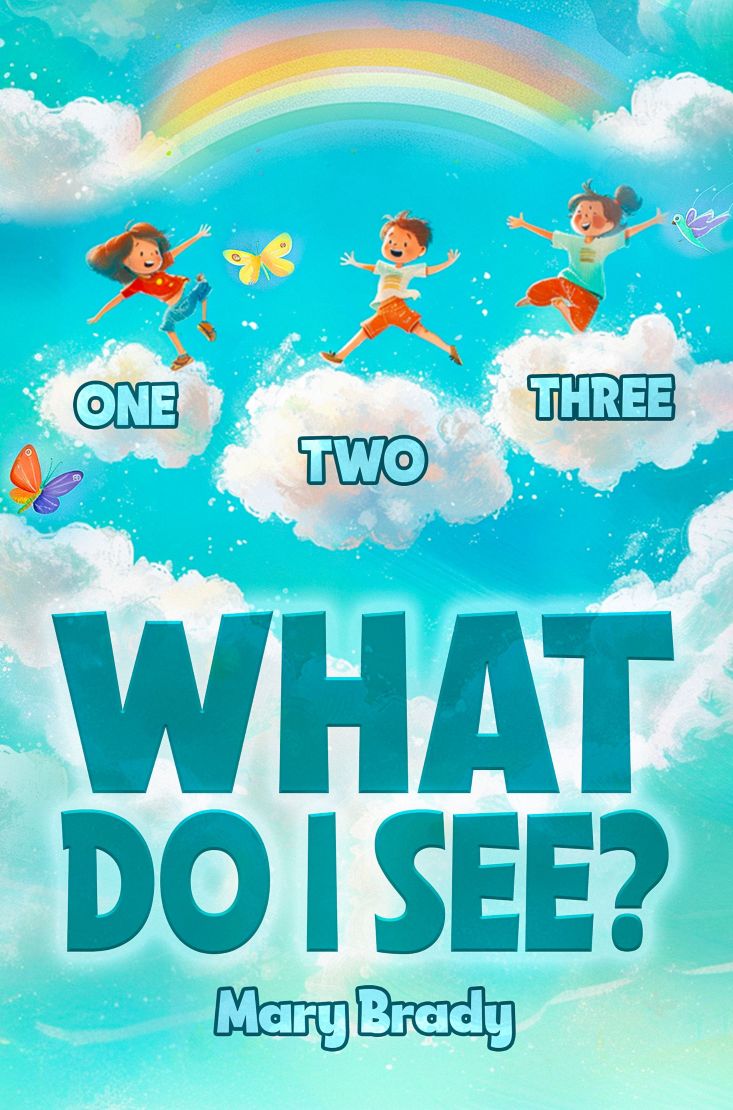
Photo Courtesy: Mary Brady
One, Two, Three, What Do I See? is a heartwarming and imaginative addition to any child’s bookshelf, perfect for families, educators, and caregivers seeking stories that foster creativity, mindfulness, and connection. The book is available in print through Amazon and major online book retailers. Readers are invited to discover the joy of looking up, imagining freely, and asking the simple question that opens the door to endless possibilities: One, two, three—what do you see?