
Civic leadership is often described in terms of policy, institutions or authority – but its deepest roots are actually cultural. Long before movements organize, people have to be inspired and find their passion, they also have to feel seen, heard, and worth fighting for. This is where art enters the civic story and the American conversation – not as ornament, but as its engine. Music is the fuel in the tank, and we need it if we are going to go anywhere meaningful.
For Jen Appel, this truth was forged early. Watching her eldest brother, Mike Appel, discover, produce, and manage Bruce Springsteen, gave her a visceral education in how music can lift a nation. Night after night, she watched audiences leave transformed – emboldened, heartened, steadier, braver, more connected to one another and to their own dignity. She came to understand that every great moment of human evolution has its own soundtrack, and that art does something irreplaceable: it says I see you. It says you matter. Not as a resource to be mined by a soulless capitalist system, but as a precious soul – part of an eternal story of good struggling, again and again, to overcome evil.
That is what great music does. It reminds people that they can endure, that they can overcome – and then those inspired people return to their own corners of the world changed, carrying that courage into their communities. The ripple effects are real and transformative. Many artists, even those one might not immediately expect, like Lady Gaga, for example, trace the roots of their own creative awakening back to Springsteen’s lyrics and moral imagination.
Springsteen also taught Appel something essential about democracy itself: that you can love America deeply and still be honest about her failures. In fact, that critical honesty is a form of love and deeply felt patriotism. The artist sees what the founders saw – and is just as determined to get there. Art and civic engagement, she learned, are inseparable – each holding the other accountable, each keeping the other more human. It is why her work at Somewhere I Read, sits at the intersection of culture, conscience, and community. As Percy Bysshe Shelley once wrote, “Poets are the unacknowledged legislators of the world.” Appel’s life and work argue that this is not just a metaphor, but rather, a civic and moral responsibility of the writer, poet and artist. Each generation is called to do their part, and Jen Appel is showing up on the field.
Civic Leadership in Practice
For Jen Appel, civic leadership is not an abstract role or a formal position, but rather a lived moral responsibility. It is the act of guiding a community toward shared purpose by showing up where people actually live their lives: in public spaces, nonprofit work, classrooms, creative communities, and grassroots efforts. Leadership, in her view, is never about authority for its own sake; it is about service, moral clarity, and the courage to care. Servant Leadership is what shaped this country as we aspired to our better angels, and Appel plans on continuing the work among a great cloud of witnesses. This is about America’s national identity, culture and legacy.
Across small towns and major cities, Appel sees civic leaders emerge not through ambition but through proximity – on school boards, in neighborhood coalitions, and within local advocacy and cultural spaces where trust is built face to face. Democracy happens on the ground, not in the halls of power. A real leader’s influence is measured not by titles but by whether people feel heard, protected, and inspired to participate in their shared experience – in order to become better, as a more perfect union. In this context, leadership means presence, and a type of holy boldness that is foolish enough to believe that good wins in the end. It runs on an enthusiastic optimism that all men are indeed created equal and should enjoy their God given right to pursue happiness. . It means listening deeply, staying rooted, and helping people remember that they belong to something larger than themselves – and that they have both the right and the responsibility to shape it.
Qualities of Effective Leaders
For Jen Appel, genuine civic leadership begins with moral accountability – the willingness to own both successes and shortcomings, and to speak honestly about what is at stake. Trust is not built through positioning or polish, but through truth-telling and courage. The leaders who leave a lasting imprint on history understand that transparency is not optional; it is the foundation upon which real community is formed.
Empathy and inclusion, Appel believes, sit at the very center of civic life. Leaders who take the time to listen, especially to those who are weary, marginalized, or unheard – create solutions that serve the whole rather than the few. This kind of leadership does not dominate; it dignifies. It creates space for others to find their voice and step forward.
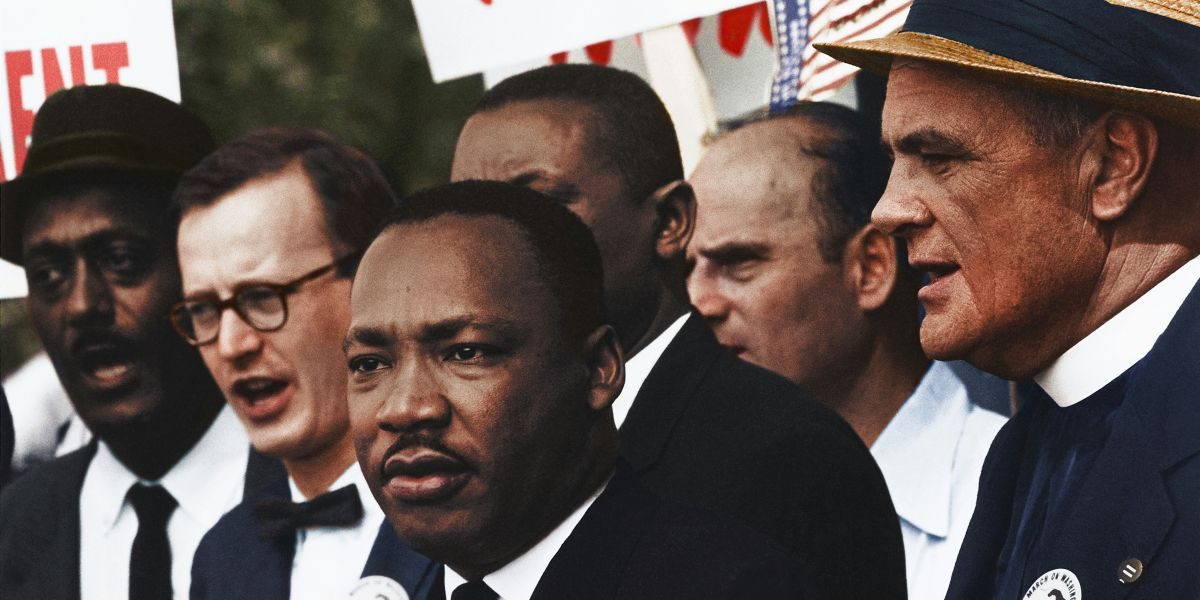
She often points to Martin Luther King Jr.’s final hours as a defining example. The night before his assassination, King went in person to Memphis to speak to sanitation workers who had been treated as expendable. In what would become his last address, he spoke plainly, lovingly, and without illusion – affirming their worth and reminding them of the moral arc they were bending together. His words, “Somewhere I read…”, would later give Appel the name for her own civic enterprise – a tribute to the power of words, presence, trust and the enduring belief that truth, once spoken, can still move a nation.
Staying Grounded in Community Priorities
For Jen Appel, effective civic leadership begins with listening – not as a tactic, but as a discipline. It requires leaders to step out from behind desks and abstractions and into the real spaces where life unfolds: schools, community rooms, churches, kitchens, sidewalks. Understanding what matters most to people comes not from distance, but from proximity- from asking questions, staying accessible, and building trust over time.
Data and research matter, but Appel insists they are incomplete without human context. Numbers tell part of the story; voices tell the truth. The strongest leaders pair metrics with lived experience, grounding decisions in real conversations and moral imagination. This approach leads to solutions that address root causes rather than cosmetic fixes, and helps prevent harm that can occur when policies are shaped without listening to those most affected.
History, she notes, shows that transformation often begins with sacred listening. Leaders who go to people – who walk alongside them, hear their fears, and honor their dignity – unlock insights no report can capture. Being seen and heard cultivates belonging, responsibility, and civic pride. From those human exchanges emerge the most durable and creative solutions – ones born not of theory, but of care.
Building and Maintaining Partnerships
For Jen Appel, strong civic leadership is inherently collaborative. The challenges communities face are too complex, too human, to be solved by any single individual or institution. Real progress happens when leaders convene educators, artists, faith communities, nonprofits, local businesses, and residents around shared moral goals. Collaboration, in this sense, is not about efficiency – it is about belonging and collective responsibility.
Appel has long observed that meaningful change emerges when people with different perspectives commit to a common purpose. That is, after all, what shaped America. When participants are willing to listen across differences and remain flexible, creativity flourishes. The most effective coalitions are those that resist fragmentation and instead focus on what unites them: the health, dignity, and future of the community they share.
She emphasizes that partnerships endure only when they are rooted in mutual respect rather than hierarchy. Leaders who approach others as equals – honoring lived experience as much as credentials – build deeper trust and more resilient alliances. These relationships become the backbone of long-term civic efforts, sustaining cooperation over time and reinforcing the shared accountability required to turn vision into lasting impact.
Focusing on the Long-Term Impact
Short-term wins can feel satisfying, but Jen Appel believes true civic leadership requires a broader and more enduring vision. Leaders must think beyond election cycles and immediate returns, planting seeds whose benefits future generations will inherit. Lasting impact means re-imagining systems, not merely managing symptoms. This kind of leadership demands patience, moral courage, and a willingness to face resistance in service of something greater than oneself.
Appel argues that a nation cannot be renewed by policy alone; its soul must be lifted. The American Revolution itself moved forward on waves of majesty, glory, and splendor – on language, beauty, and ideals that stirred people to sacrifice and believe. To lead well today, we must return aspirational values and beauty to the civic conversation. Without them, leadership becomes transactional and weak. With them, people remember who they are and what is possible. For Jen Appel, it’s all poetry.