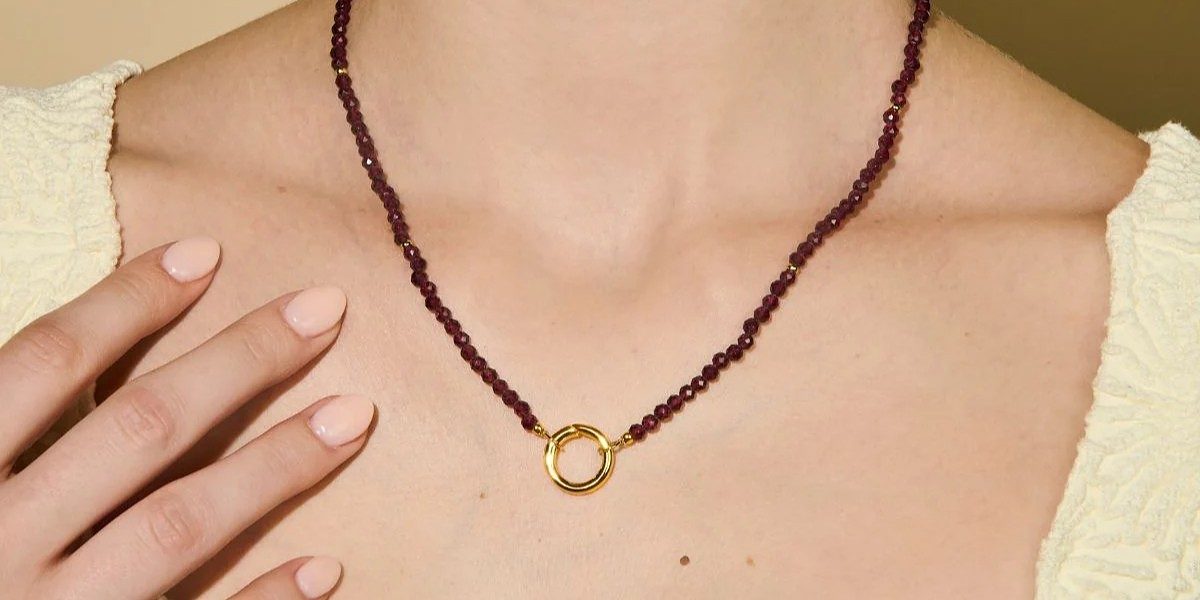

You’ve probably got at least one piece of jewellery you don’t wear every day, but you also can’t get rid of. Not because it’s expensive. Because it holds something. A memory, a person, a version of you that you still like. That pull toward meaning is a key reason why sentimental jewellery has been making a comeback in fashion trends. People still care about looking put-together, obviously. But more and more, they may want their style to carry a story too.
A sentimental necklace or bracelet can be more than just “something nice to wear.” It’s often tied to a deeper meaning. And in a world where fast fashion may feel throwaway, that kind of piece can feel worth keeping.
The Rise of Sentimental and Symbolic Pieces
Personalised jewellery used to get dismissed as “gift stuff.” Now it’s one of the simpler ways to make your look feel like yours without trying too hard.
You’ll see initials on thin chains that people often don’t take off. A ring with a short engraving on the inside, where nobody else sees it. A locket that’s simple from the front, but has one photo or tiny note inside that can change the whole feel of it. Then there’s charm jewellery, which is basically built for sentimental styling. You don’t have to decide on one big meaning. You can add to it slowly, when something happens that deserves a marker.
And it’s not always deep, dramatic meaning either. Sometimes a charm is just a little reminder of a trip where you finally relaxed. Or a new hobby you’re proud you stuck with. Or a symbol that makes you laugh because it links back to a private joke.
Birthstones fit into this shift really well because they’re personal, but they don’t have to look old-school. They’re being worn in smaller, cleaner ways now. And they don’t have to be gifted specifically on the month a person is born. A January birthstone jewellery can be used to celebrate a milestone at any time of the year. A February birthstone jewellery can also be a perfect Valentine’s Day gift.
Symbol jewellery is also everywhere for a reason. It does what words sometimes can’t do. A wave can be about your favourite coast, or the way you calmed yourself down during a hard year. A star can be about hope, or loss, or a promise you made to yourself. Small symbols can carry a lot when you let them.
One more thing that’s quietly driving this comeback is redesign. A lot of people have family pieces they care about but never wear because the setting feels dated or heavy. Resetting a stone into a simpler setting, or moving it onto a lighter chain, can help you keep the story and actually use it.
From Childhood Keepsakes to Lifelong Style Statements
Some of the most sentimental jewellery starts early. First earrings. A bracelet from a grandparent. A small pendant given for a birthday. At the time, it’s “cute.” Later, it can become a style signature.
The best sentimental jewellery isn’t trapped in one phase of your life. It grows with you. That little charm from your childhood bracelet could move to a necklace when you’re older. And if a ring stops fitting, you don’t have to retire it. Put it on a chain and wear it that way. It still means what it meant. Even a stone from an older piece can be reset into something simpler if the original setting feels dated.
Early pieces also shape what you reach for as an adult. If you were the kid who wore the same tiny pendant every day, you probably still lean toward simple pieces now. On the other hand, if bold earrings were normal in your house, big hoops might feel like home. Your early “favourites” teach you what feels like you.
Parents as Style Curators for the Next Generation
Most people don’t choose their first piece of jewellery. Family does. That’s why parents end up shaping what “meaning” looks like in fashion, whether they realise it or not.
A simple tradition is giving a small piece that marks a moment. A pendant for a birthday. A ring for a milestone. The point is the intention, not the price tag. The jewellery becomes a little marker of care, and kids learn that some things are meant to be kept.
There’s also a real-world balancing act with kids, which is why parents buy the first pieces of jewelry. You want the piece to be safe and comfortable, because kids move. A lot. Smooth edges matter. Secure clasps matter. Materials that won’t irritate skin matter. The symbolism can still be there, just kept simple. A tiny heart, a star, a small birthstone stud, a charm that represents something they love.
Minimalism, Meaning, and Modern Taste
Minimalism is sometimes misunderstood as boring. In jewellery, it often means the opposite. Understated pieces leave room for your story to be the focus.
If a piece is meaningful, you usually want it to be easy to wear. Not something you take off every hour. Not something that snags on clothes or feels heavy by midday. That’s why simple chains, thin rings, and small pendants make sense in this sentimental comeback. They don’t compete with your outfit. They complement it. And when a piece is tied to a memory, the simplicity helps the meaning stand out.
If you’re shopping for sentimental jewellery, try starting with one piece you can genuinely wear often. Check basic comfort details first. Is the chain length right for how you dress? Does the clasp feel sturdy? Does the ring snag on clothing?
Once the comfort is right, add one personal detail. Keep it focused. An initial. A short date. A small stone with a clear meaning. You don’t need to pile on symbols to make it sentimental. One strong link is enough.
Sustainability and Longevity in Jewellery Choices
Sentimental jewellery links to sustainability in a practical way. The longer you keep a piece in use, the less you replace. Simple.
That’s where repair and reworking matter. Resizing a ring. Fixing a clasp. Replacing a chain. Resetting a stone into something you’ll wear more often. Those choices may reduce waste, and they could save money long term, too. It’s also why quality starts to matter more when you’re choosing a “keep forever” piece. If you want something to hold up, you want materials that can handle daily wear and real life.
Then there’s emotional durability, which is basically the secret ingredient. When a piece holds a memory, you don’t ditch it just because trends shift. You maintain it. You keep it. That alone can help keep jewellery out of the disposable accessory loop.
Summary
Sentimental jewellery has been making a comeback because it gives you something that fast trends don’t. You still want style, but you also want meaning. You want pieces that feel like you, not like a trend you’ll forget next month. A good piece doesn’t just match your outfit. It matches your life.
If your accessories keep feeling temporary, consider choosing one piece with a clear story behind it. Buy a meaningful piece, or update an older piece. Wear it often. And when it needs attention, repair it instead of replacing it. That’s how jewellery stops being “just jewellery” and starts becoming part of your life.