
By: Natalie Johnson
Every January, Park City becomes less a destination than a temporary ecosystem. Filmmakers, producers, brand leaders, and cultural intermediaries move through the same narrow streets, carrying ideas that are unfinished by design. Sundance has always been a place where projects begin as much as they debut, and this year, that distinction matters.
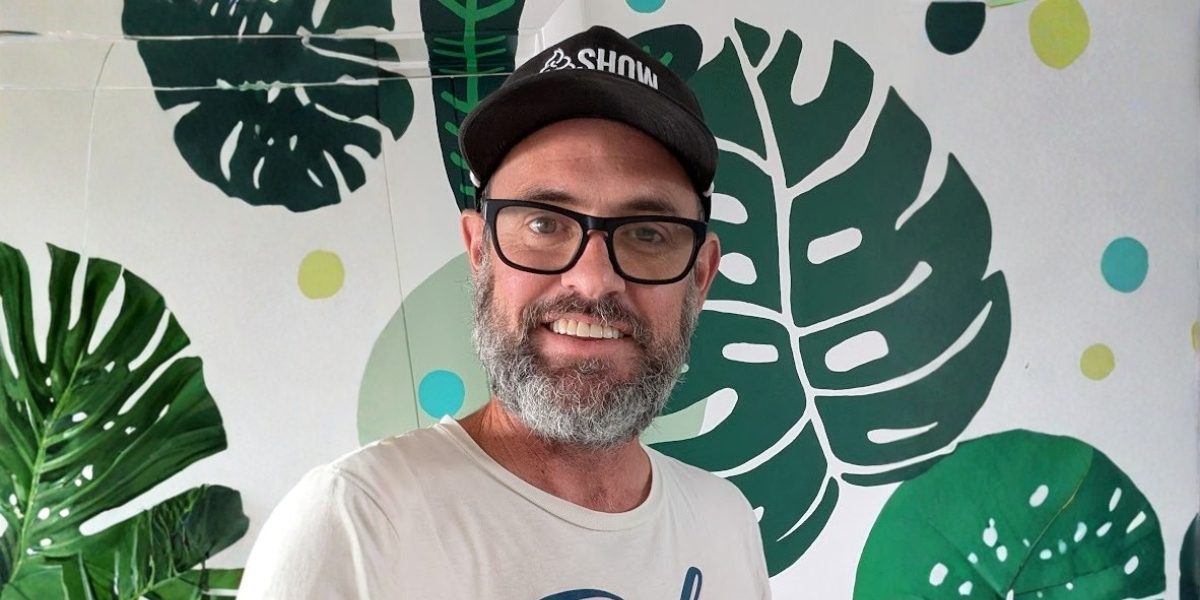
Justin Kramm is attending the Sundance Film Festival with a clear purpose: connection. As the founder of Shitshow Creative, Kramm sees Sundance not as a finish line, but as a rare convergence of people who still believe storytelling can evolve faster than the systems that fund it.
For Kramm, the value of Sundance lives in conversation. It lives in the overlap between filmmakers and brands, between emerging tools and old instincts, between creative ambition and the reality of who is willing to back something new.
A Festival Built for Conversations, Not Just Premieres
Kramm is participating in Sundance through its brand storytelling ecosystem, a growing part of the festival that mirrors how South by Southwest once expanded beyond music and film. This side of Sundance is less about premieres and more about alignment. Who is curious? Who is restless? Who is ready to rethink how stories get made and paid for?
Kramm’s background positions him squarely in that space. He comes from advertising, but speaks in the language of filmmakers. He understands brand objectives, but remains skeptical of creative work shaped by committee. Sundance gives him access to both worlds simultaneously.
These are not transactional meetings. They are exploratory ones. Conversations about appetite, risk, and whether there is room for comedy that does not dilute the purpose.
Three Creative Ideas, One Throughline
What Kramm brings with him to Sundance is a focused set of ideas designed to open different doors.
One centers on a puppet-based mascot for the George A. Romero Foundation, intentionally created without the use of AI. The choice is strategic. Horror audiences value craft and irreverence, and the tactile nature of a physical puppet signals authenticity rather than nostalgia. It also creates a natural bridge to conversations with partners who care deeply about legacy, fandom, and cultural longevity.
Another project is a documentary or streaming series tied to Living Seawall, an environmental initiative that blends humor and storytelling to make marine conservation emotionally accessible. Kramm is already in conversation with filmmakers who have worked on Patagonia-backed documentaries and award-winning environmental films. Sundance offers a chance to deepen those relationships and connect with brands whose audiences overlap with sustainability and outdoor culture.
The third idea, Carl the Manatee, takes a different approach. It is intentionally AI-driven and built for free, ad-supported streaming platforms that Gen Z increasingly prefers. For Kramm, this project is about meeting audiences where they already are, not where legacy platforms assume they should be.
Together, the projects create multiple entry points for collaboration across nonprofits, entertainment, and brand-funded” storytelling.
Networking as Creative Strategy
Kramm is explicit about why Sundance matters to him. Every time he attends a festival like this, he leaves with sharper instincts about where culture is moving.
“I’m not just there to pitch,” he explains. “Every time I go to one of these events, I never regret it. I learn what people are actually open to, not what they say they’re open to.”
This year, much of that curiosity centers on AI. Not whether it exists, but how intentionally it is being used. Kramm has spent years experimenting with AI tools, long enough to see both their potential and their limitations. At Sundance, he is listening closely to how filmmakers and brand leaders discuss hybrid approaches that blend AI, live-action, animation, and traditional craft.
Networking, in this sense, becomes diagnostic rather than transactional. It reveals whether corporate partners are ready to fund work that looks different, sounds different, and behaves differently from traditional campaigns.
Why Comedy Still Signals Trust
One idea keeps resurfacing in Kramm’s conversations: humor as a shortcut to trust. In an increasingly absurd world, comedy acknowledges reality without pretending to resolve it.
“The world’s absurd,” Kramm says. “The crazier it gets, the more honesty and absurd humor stand out.”
At Shitshow Creative, comedy is not decorative. It is structural. It shapes pacing, tone, and perspective across everything from environmental storytelling to entertainment concepts. Rather than softening messages, humor becomes a way to tell the truth faster.
Filmmakers understand this instinctively. Comedy has always been a vehicle for uncomfortable truths. At Sundance, Kramm sees brand storytelling beginning to catch up to that insight.
A Framework Designed for Change
Shitshow Creative operates as a global collective rather than a traditional agency. Comedians, filmmakers, designers, and culture makers collaborate fluidly, assembling teams based on each project’s needs rather than fixed hierarchies.
This structure allows Kramm to adapt ideas in real time, a crucial advantage in environments like Sundance, where conversations evolve quickly. AI is used strategically, not reflexively. Sometimes it accelerates production. Sometimes it is deliberately avoided.
The framework is simple. Start with cultural truth. Use humor to earn attention. Let purpose show up through action, not just slogans.
What He Is Listening For
By the end of the festival, Kramm is no longer measuring success by announcements or deals. He is listening for signals. Are brands genuinely open to new formats? Do filmmakers see value in brand partnerships that respect creative integrity? Is there room for comedy that does not dilute meaning?
Sundance has always been about proximity. To ideas, to collaborators, to the future before it hardens into consensus. For Justin Kramm, attending the festival is less about being seen and more about seeing clearly.
In a landscape where attention is scarce and trust is fragile, those conversations may prove to be the most valuable creative asset of all.