
By: Paul White
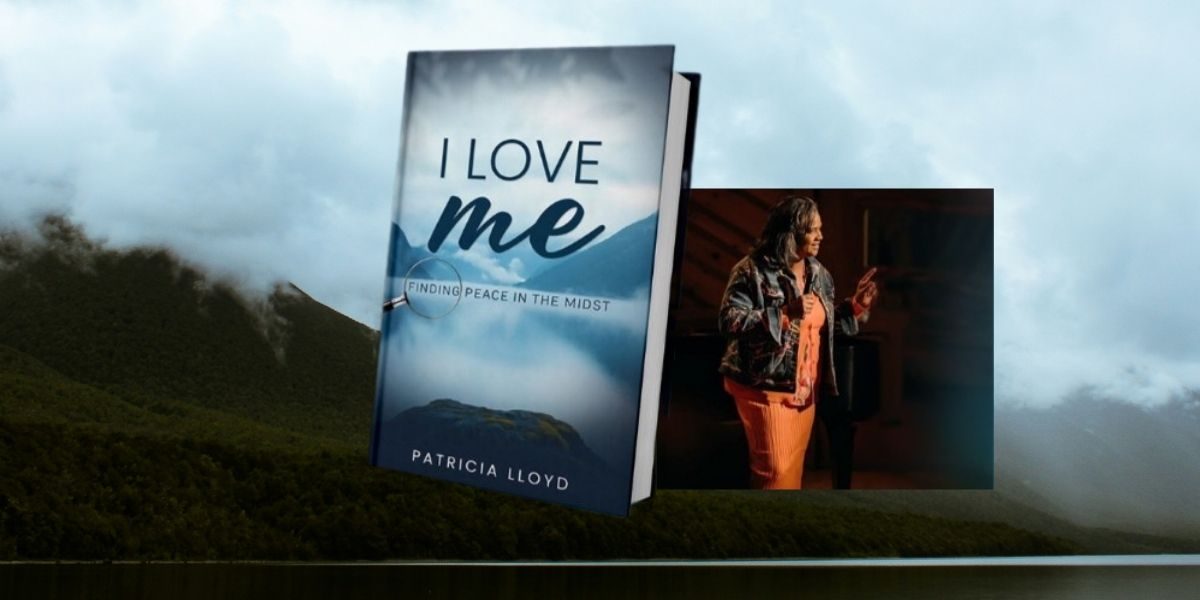
In a world where emotional wounds often remain unspoken, Patricia Lloyd stands as a voice of clarity, healing, and hope. Her book, I Love Me: Finding Peace in the Midst, is not merely a literary project. It is a personal triumph, an embodiment of survival, reflection, and transformation. In an exclusive interview, Patricia shares the intimate journey that led her to pen this compelling narrative and why she believes self-love is not selfish but essential.
From the first few minutes of our conversation, Patricia exudes a quiet strength. When asked how she felt upon completing I Love Me, her response was tender yet powerful. “It’s a journey from a toxic situation I escaped physically. More importantly, it was about healing from the emotional and mental damage. The book captures the process of finding peace within myself.” For Patricia, writing wasn’t just about storytelling; it was about survival. “Healing is not an overnight wonder. It’s a process. You have to be willing to participate in it.”
The book’s title, I Love Me, is far more than a declaration. It is a victory cry. “For me, those three words signify overcoming,” Patricia explains. “I had to relearn my value after years of depending on others to define it. When you rely on someone else’s opinion of your worth, you give away power without even realizing it.” The choice of words isn’t just personal; it reflects a universal truth. “The Bible says, ‘Love your neighbor as yourself.’ But how can you love anyone else healthily if you don’t love yourself first?”
At the heart of I Love Me lies a poignant, symbolic dream, which Patricia calls her “bridal dream.” This vision served as the foundational metaphor for her book. “It wasn’t a real-life moment, but it came to me like a download in a dream,” she recalls. “I dreamt of being a bride on her wedding day, and everything was ready. Except I didn’t have a dress. In the dream, the garment bag I had was full of rags.” These rags, she later realized, represented brokenness, unfinished dreams, emotional scars, personal failures, and unaddressed pain.
The symbolism of those rags is not only vivid but deeply introspective. Patricia reflected, “Sometimes in life, we collect pain like people collect junk, tucking it away in what I call a mental museum. We don’t display it, but it shows up in how we talk and how we treat others.” Instead of discarding these emotional remnants, Patricia repurposed them, much like she did with scraps of fabric she had collected for years. “Each piece of that quilt I sewed told a story,” she says. “They represented every abuse, every setback. But stitched together, they became a symbol of healing and wholeness.”
Patricia openly discusses the emotional rags she had to confront. “Low self-esteem was a big one. Even though I had children I adored, I still didn’t fully appreciate my own worth. I had internalized lies from people who were themselves broken. Hurt people hurt people.” This recognition didn’t come easily or quickly. “I had to go on a personal journey, getting still, praying, and learning to see myself the way God sees me.”
Throughout the interview, her voice carries the weight of lived experience but also the buoyancy of faith. “I started spending time in what I call my secret place. That’s where I got quiet, where I listened instead of always talking. That’s where healing began.”
When asked what pushed her to finally complete the book after years of delay, Patricia was candid. “It was purpose that called out to me,” she said. “There are people waiting for this message. People who need to know they’re not alone, that they’re worth saving, worth living for. This isn’t about fame. It’s about helping someone find their brighter path.”
One of the most stirring parts of our discussion centered on forgiveness. “Forgiveness is essential,” she states with conviction. “When you don’t forgive, you give someone free rent in your mind. It muddies the waters of your thinking.” Her analogy is striking. “If you pour dirty water into a glass of clean water, it contaminates everything. That’s what unforgiveness does. It clouds clarity and blocks healing.”
Patricia also emphasized the necessity of forgiving oneself. “You can’t move forward if you’re dragging the weight of shame and guilt. Forgiving yourself frees you to embrace the future.”
Looking ahead, Patricia shared that her next book will be titled Healing is the Children’s Bread, a concept rooted in biblical truth and spiritual sustenance. “Healing should be our daily bread, just like the air we breathe. It’s a promise. It’s not an exception; it’s the rule.”
As our conversation neared its end, Patricia expressed her ultimate vision. “I want to get on platforms where I can spread good news, words that uplift, inspire, and help people heal. Like Mother Teresa, my mission is to help others live better.”
Through I Love Me, Patricia Lloyd has done just that. Her words are not merely written; they are lived. Her book is a mirror for those still trapped in cycles of self-doubt, trauma, and emotional paralysis. And through it, she extends an invitation: to get still, to reflect, to heal, and to finally say with conviction, I love me.