
By: Paul White
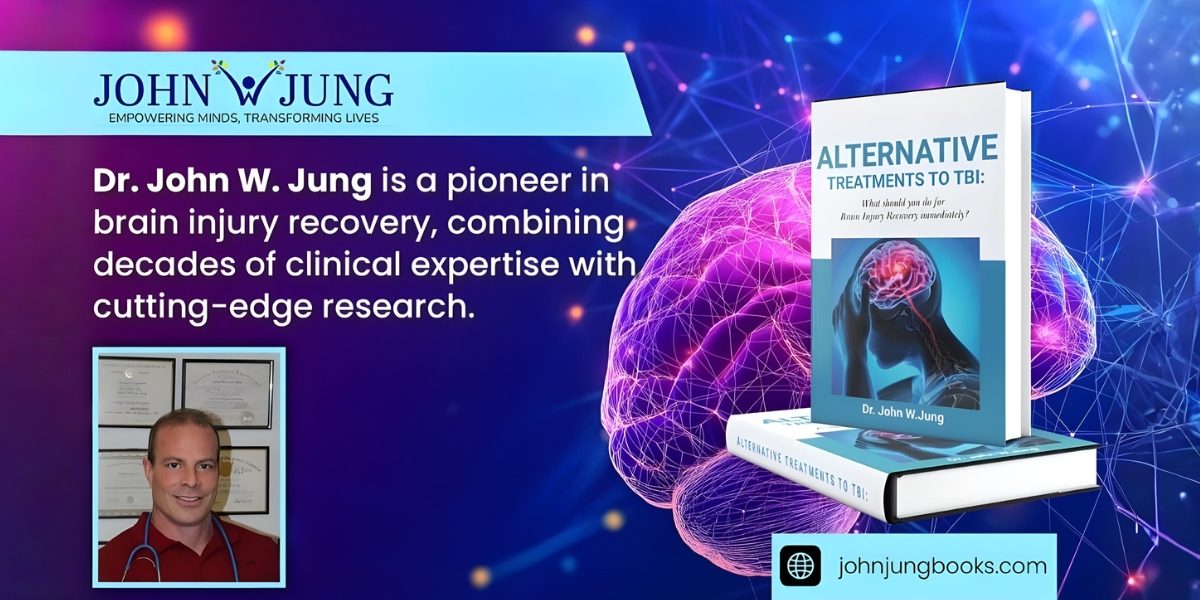
Dr. John W. Jung has seen plenty of traumatic brain injuries (TBI) in his 35 years as a chiropractor and functional medicine specialist. However, he never expected to become one of those cases himself. That changed when a car collided with his vehicle, resulting in a concussion and a challenging recovery process. This experience led him to reflect on the state of brain injury recovery.
His new book, Alternative Treatments to TBI: What Should You Do for Brain Injury Recovery Immediately?, offers a blend of personal experience and medical insight to guide patients and caregivers through the recovery process.
“When I got home from the hospital, I was told to ‘just rest,’” Jung recalls. “No timeline, no specific recovery plan, no clear guidelines. This is a common experience for many concussion patients.”
Jung became motivated to explore additional recovery strategies after recognizing that traditional medical advice often lacks clear, evidence-backed recommendations for post-concussion care. He found promising research on nutrients, herbs, and therapies that may support recovery, especially when used shortly after an injury.
In response, he wrote a book that aims to provide practical advice based on the latest research.
Dr. Jung’s approach is grounded in science, combining his experience in functional medicine and neurology. He presents a range of techniques and strategies to support brain health recovery, based on various disciplines.
What makes the book unique is how accessible it is for readers. Jung explains neurological concepts in clear, everyday language, exploring the connection between the brain, gut, and body. For example, brain injuries can impact the gut microbiome, which may, in turn, affect inflammation, cognitive function, and emotional health. The book discusses ways to support recovery through targeted nutrition and supplementation.
Jung emphasizes that his approach is grounded in scientific evidence and focuses on using natural compounds that support brain health and reduce inflammation.
“The brain’s need for oxygen and nutrients increases significantly after injury,” he explains. “Rather than simply resting, providing the right support can help optimize recovery.”
The book’s practical advice is another key feature. From nutritional strategies to alternative therapies, it provides readers with tools for brain recovery, even for those without access to traditional rehab centers.
The book also introduces therapies such as sensory stimulation techniques, including sound therapy and scent-based therapies, to support neurological healing. For example, stimulating specific areas of the brain through targeted therapies can assist in recovery following injury.
“Smells, sounds, and touch can stimulate different areas of the brain. We can use this knowledge to support recovery,” Jung says.
Jung also emphasizes the importance of movement-based therapies, which can be particularly helpful for those unable to access traditional rehabilitation centers.
Jung speaks from personal experience, as his recovery from multiple health challenges, including a brain injury, has given him a unique understanding of the healing process. Despite living with chronic pain, he has returned to part-time practice, writing, and helping others on their path to recovery.
His work has earned recognition from patients and peers alike, and he has treated multiple generations of families. He is known for his commitment to integrating scientific principles with compassionate care.
“I’ve experienced the medical system firsthand,” Jung says. “While emergency care is crucial, the long-term recovery process often lacks clear guidance, and that’s an area I aim to address.”
While Alternative Treatments to TBI offers medical insight, it is also a deeply personal account of Jung’s journey. His goal is to provide practical tools for caregivers and patients, helping them navigate the long recovery process.
In the second half of the book, Jung shares strategies for rehabilitation, lifestyle changes that support brain health, and ways to manage conditions related to brain injury, such as cognitive decline and neurological diseases.
Jung is already working on a follow-up book focused on autoimmune conditions and behavioral health, continuing his integrative approach.
When asked about the key message from his book, he answers:
“You have to take action. Don’t wait for the system to catch up. If you or someone you love has a brain injury, this book provides practical steps to help with recovery. You are your best advocate.”
Disclaimer: The content of this article is intended for informational purposes only and should not be considered medical advice. It is recommended that individuals seek professional guidance from a healthcare provider before making any changes to their treatment or recovery plan.