
By: Nic Abelian
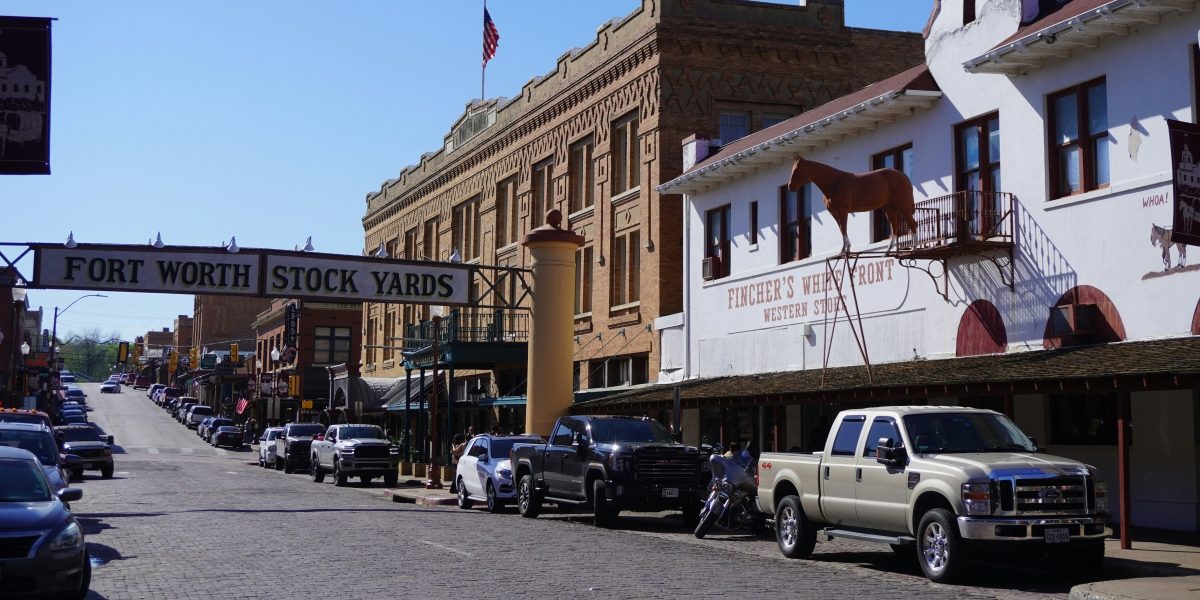
Fort Worth, Texas, is positioning itself as a thriving example of how business, community values, and civic ambition can work together for sustainable economic growth.
While many cities across the country face declining growth or struggle to find new ways to revitalize their economies, Fort Worth, Texas, appears to be emerging as an example for economic resilience. A legacy practice has shown promising results, which goes beyond traditional business development to include the synergy between capital markets, community values, and sensible governance. Through strategic partnerships, faith-based collaborations, and a commitment to civic stewardship, Fort Worth has developed a unique model that has begun to capture the attention of city planners, business leaders, and investors.
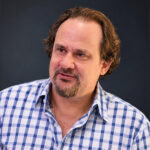
This is exemplified by monthly professional gatherings hosted by Dr. Brandon Chicotsky, Associate Professor in Marketing at the TCU Neeley School of Business (the city’s flagship) and his family’s business brokerage, God Bless Retirement (GBR) based in Fort Worth. The gatherings showcase this innovative approach to city-building: the November gathering focused on opportunity zones regarding real estate and investment strategies, and the December event centered on monetary theory and alternative asset classes with perspectives from the Federal Reserve.
These gatherings are more than just business events; they’re a reflection of Fort Worth’s belief in the power of community-driven development, anchored in patriotism and a strong sense of local responsibility to gain an informational and positional advantage. As Dr. Chicotsky summarizes, the aim is “for Fort Worth to position itself for success in the future.”
An Integrated Ecosystem of Growth
Fort Worth’s strategy is taking shape: create an environment where business innovation and civic care are not at odds. The GBR forums, for example, begin with prayer and patriotic pledges, and evolve into discussions among bankers, private-equity specialists (often, fund managers or lead investors of syndicates), and civic stakeholders.
According to Dr. Chicotsky, this format is intentional. He describes it as a holistic approach where professional capital meets community care: “When professional capital flows into community relationships, where faith, patriotism, and local service matter, the city is able to attract deals and build a durable ecosystem of growth. Ideas gain momentum and are propelled by a bigger mission.”
“Fort Worth’s exceptional growth can be attributed to a unique and intentional alignment of values that combine to create a resilient and innovative economic ecosystem,” says Dr. Chicotsky. The city is managing growth while also in stewardship mode. Fort Worth-area banks offer relatively lower capital costs among local business leaders with a commitment to values-driven investment. This combination has made the city one of the fastest-growing metro areas in the United States.
Photo Courtesy: God Bless Retirement (Business Brokerage)
A Snapshot of Fort Worth’s Economic Expansion
In 2024, Fort Worth surpassed the one-million-resident mark, cementing its status as one of the fastest-growing cities in the country. The broader Dallas-Fort Worth metroplex added over 1.3 million residents between 2012 and 2022 and has seen a near 30 percent increase in job growth in the past decade (Texas Comptroller, 2024). Fort Worth itself was ranked among the top five U.S. cities for economic expansion, with its GDP increasing by 36 percent, exports rising 40 percent, and housing supply up 12 percent between 2019 and 2023 (Southlake Style, 2025).
The city’s job market reflects this expansion. Fort Worth’s defense, energy, and transportation sectors are outperforming national pay averages, with annual wages ranging from $89,000 to $95,000 in 2024 (Dallas Fed, 2024). Additionally, the city saw $2 billion in new capital investments in 2024 (WFAA, 2024). As the city grows, it continues to attract new industries and diverse sources of investment.
Faith and Civic Engagement Fuel Economic Development
Fort Worth’s distinctiveness as a top-ten populated city in the United States may be its faith-based collaborations that catalyze economic growth. Research shows that communities combining faith with business development often see higher trust and increased local capital recirculation (Catholic Campaign for Human Development, 2024).
Fort Worth’s model takes this one step further, creating a blend of civic pride, patriotism, and entrepreneurial spirit. It’s a city where bankers and entrepreneurs can close deals while aligning more meaningful missions beyond economic factors.
Dr. Chicotsky believes this is key to Fort Worth’s success: “It’s about creating a community where capital isn’t just about financial returns, it’s about having the resources to invest in mission work and civic stewardship projects. This impact extends beyond just the market. It’s about creating a sustainable, value-driven economic ecosystem that benefits the city as a whole in this generation and for the future.”
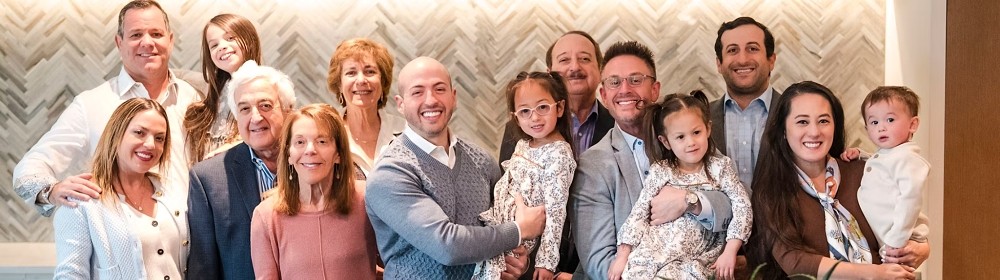
Photo Courtesy: Jobe & Helen Richards Foundation – The Chicotsky Family
The Chicotsky family, which leads the Fort Worth-based business brokerage, God Bless Retirement.
A Model for Other Declining Metros
As Fort Worth enters the top ten in population, it offers a roadmap for other cities that are struggling with economic stagnation or moral decline. Many of these cities lack the community engagement and collaborative relationships that Fort Worth has cultivated. The Fort Worth model demonstrates how a city can move forward by leveraging its faith-based culture, professional capital, and relational warmth.
The city’s strategic approach has made it a leader in the state’s economic development, accounting for 36% of Texas’s corporate project volume (Here Georgetown, 2025). For cities looking to rebound from stagnation or decline, Fort Worth’s integration of business innovation and civic responsibility presents a scalable model that emphasizes the importance of creating an economic system rooted in local values and mutual trust.
Events Driving Fort Worth’s Ongoing Economic Success
The opportunity zones forum hosted by God Bless Retirement and the Chicotsky family this year focused on investments aimed at revitalizing communities within Fort Worth. The subsequent monetary theory gathering highlighted discussions on the currency trade, providing a unique opportunity for capital markets and mission-driven investment to converge. These are just two examples of monthly, ongoing programming led by Dr. Chicotsky in Fort Worth. Rather than pure promotional showcases, these professional gatherings foster a structured exchange of ideas that link capital to meaningful community growth, anchored by strategic family office invites, which may offer a blueprint for other competitive cities.
Dr. Chicotsky emphasizes that these events are an essential part of the city’s growth strategy: “These gatherings help forge relationships, build trust, and leverage the collective power of a community committed to the common good and a faith-led life, whether in business, family, or fellowship.”
This integration of civic stewardship, market intelligence, and patriotism has created a dynamic economic architecture where social good, business success, and durable governance are realized. But Fort Worth’s story isn’t without its challenges.
Balancing Growth with Sustainability
As Fort Worth’s population grows and new industries enter the market, the city faces the strain of expansion. Issues like housing affordability and infrastructure limitations are beginning to test the city’s resilience. The recent moderation of job growth to 1.9 percent (Dallas Fed, 2025) is a reminder that continued innovation and fiscal discipline are important for maintaining the city’s success.
Dr. Chicotsky adds, “The next chapter for Fort Worth is about ‘de-risking’ its balance sheet. We need to continue building the city’s capital reserves that can weather economic downturns and create new revenue inflows. This accounts for a prospective future of external forces that may include substantial monetary value shifts and regulatory constraints.”
Fort Worth as a Model for Sustainable Economic Growth
In the face of growth-related challenges, Fort Worth demonstrates economic dynamism and more cultural cohesion amidst its various micro-sectors and various populations that make up about 350 square miles. For cities across the country, and even the world, Fort Worth’s integration of traditional family ethos, patriotism, and sensible governance could be the blueprint for how to build an economically vibrant and socially vibrant city in the years ahead.
Contact God Bless Retirement:
Email: info@godblessretirement.com
Learn more:
Learn more about Dr. Chicotsky, Managing Principal at God Bless Retirement and Associate Professor in Marketing at the TCU Neeley School of Business: neeley.tcu.edu/chicotsky, LinkedIn.com/in/Chicotsky
References
Catholic Campaign for Human Development. (2024, January 16). Faith and economic cooperation. Community Christian Development Association.
Dallas Fed. (2024, September). Dallas–Fort Worth economic indicators: Payrolls continue to grow. Federal Reserve Bank of Dallas.
Dallas Fed. (2025, March). Dallas–Fort Worth employment update. Federal Reserve Bank of Dallas.
Here Georgetown. (2025, March 14). Dallas–Fort Worth drives Texas’s economic growth.
NBC DFW. (2025, May 15). Fort Worth surpasses 1 million residents, Princeton fastest-growing nationwide.
Southlake Style. (2025, August 28). Fort Worth surges past Dallas in economic growth rankings.
Texas Comptroller. (2024). Metroplex region snapshot 2024.
WFAA. (2024). Fort Worth receives billions in economic development investment.