
By: Alva Ree
Roman Reddington has never followed a linear career path. With a background in business and fintech, ongoing involvement in startup ventures, and deep immersion in New York’s fashion ecosystem, his trajectory reflects a modern hybrid model — where strategy meets creativity, and structure meets intuition. Today, Roman works at the intersection of fashion, media, and casting, shaping people, narratives, and moments largely behind the scenes.
We spoke with Roman Reddington about expansion rather than exit — from startups into fashion, from systems into storytelling, and from visibility into long-term impact.
You began your career in business and startups. What initially drew you into that world?
I’ve always been interested in systems — how they are built, scaled, and optimized. Startups and fintech offered a clear framework: growth models, risk assessment, decision-making, accountability. At that stage of my life, it felt natural to build products, teams, and processes.
Those years trained me to think structurally — how vision turns into execution. That foundation never disappeared; it simply evolved as my environment changed.
Many people describe your path as a pivot into fashion. Do you see it that way?
Not really. I never fully left startups — they remain an active part of my life.
What changed was not my direction, but my scope.
Fashion didn’t replace business. It expanded the way I apply strategic thinking. Today, startups and fashion coexist in my world, constantly informing one another rather than competing.
When did fashion first enter the picture for you?
Fashion entered through proximity rather than intention. New York is an intense creative environment, and over time, I found myself attending shows, shoots, and backstage moments, observing how designers, models, and creative teams operate under pressure.
What struck me was that fashion isn’t chaotic — it’s structured creativity. There is discipline, hierarchy, timing, and responsibility. That structure felt very familiar to someone with a business background.
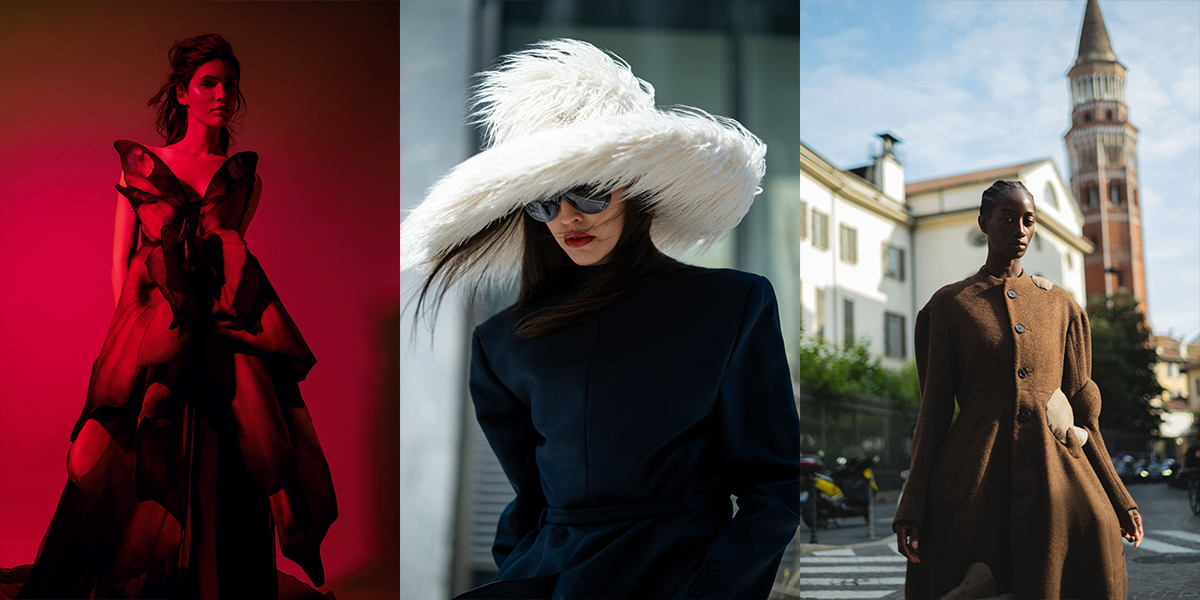
Photo Courtesy: FashionStyle.NYC
How does your business and fintech experience influence your work in fashion today?
It influences everything. I approach fashion both strategically and intuitively. I understand positioning, perception, value creation, and long-term reputation.
Fashion is emotional, but it’s also systemic. Collections, casting, campaigns — they all function within larger ecosystems. My role often sits exactly there: translating creative vision into coherent structure.
Casting direction has become a key part of your work. How did that happen?
Casting is about reading people beyond appearance — how they move, how they hold space, how they communicate energy. Over time, designers and creative directors began asking for my perspective: Who fits this vision? Who carries the narrative? Who belongs in this moment?
Casting direction felt like a natural evolution. It’s intuition paired with responsibility — creative judgment combined with decision-making.
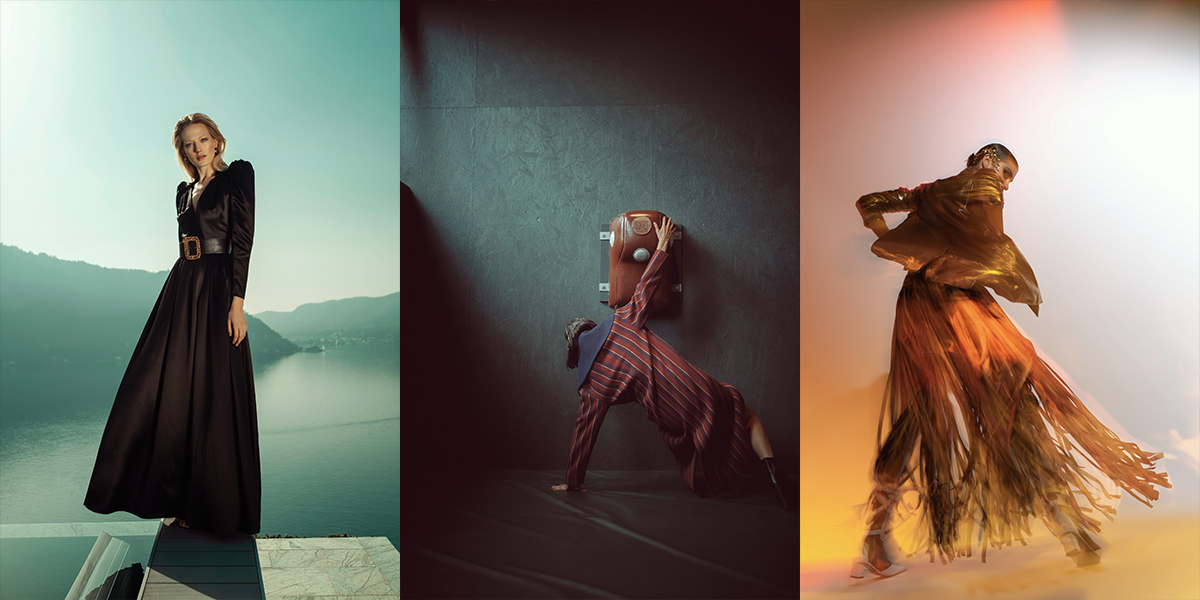
Photo Courtesy: FashionStyle.NYC
What does casting represent to you beyond selecting faces?
Casting is storytelling through people. Every individual on a runway or in a campaign communicates meaning before they speak or move.
When casting is done well, it feels invisible. But that invisibility is the result of deep intention, observation, and understanding of context.
Reinvention across industries isn’t easy. What challenges did you encounter?
Reinvention always creates friction. People prefer clear categories. Business doesn’t always understand fashion, and fashion doesn’t always trust business logic.
You have to accept being misunderstood for a period of time while remaining consistent with your direction. That requires patience and self-trust.
How do you define success today, compared to earlier stages of your career?
Earlier, success was measurable — growth, metrics, outcomes.
Today, success is alignment.
When what you do matches how you think, how you feel, and how you move through the world, everything becomes more precise. Everything else becomes noise.
What’s next for you?
I’m focused on depth rather than surface visibility — shaping people, narratives, and decisions behind the scenes.
Fashion doesn’t need more faces. It needs better choices.