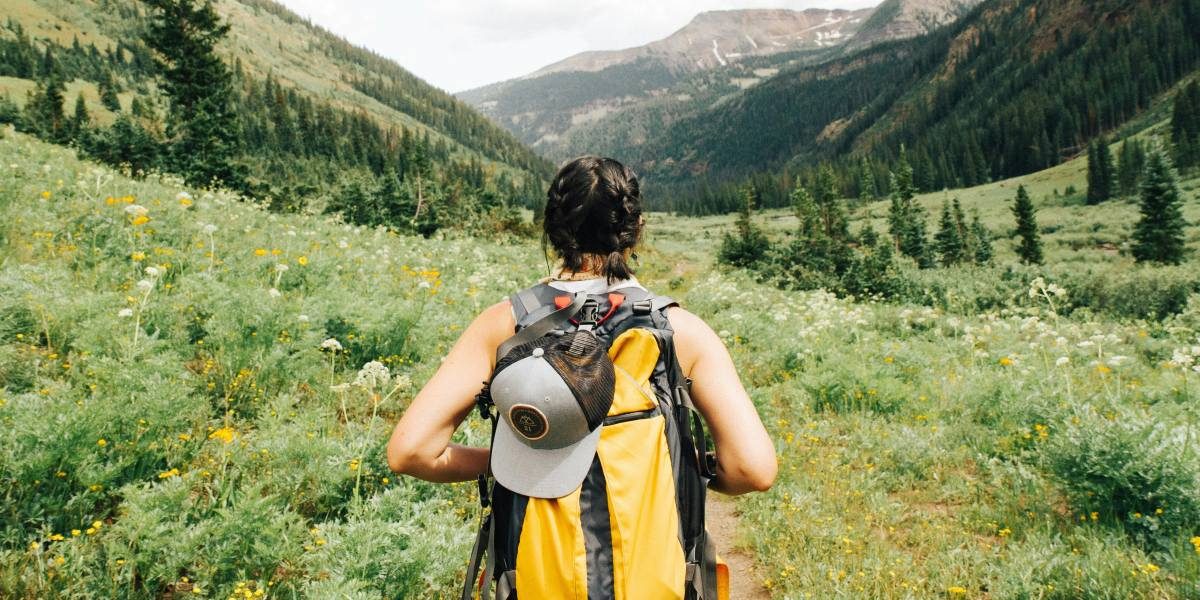

There’s a particular moment when it starts. Maybe it’s standing in a city park thinking, I should probably leave the pavement more often. Maybe it’s a photo of someone holding a mug on a mountain, looking suspiciously calm. Or maybe you’ve just realised that being indoors all the time feels a bit… flat.
Welcome to your Outdoorys era.
Before you buy the boots, plan the sunrise hikes, or declare yourself a “nature person,” there are a few things worth knowing. Not the gatekeepy stuff. The real stuff. The things that make the difference between actually enjoying the outdoors and quietly wondering why everyone else seems to love it so much.
If you’re figuring out how to start exploring the great outdoors, this is where to begin.
You Don’t Need to Reinvent Your Personality
The outdoors has a branding problem. It can feel like you need to become someone new: ultra-fit, extremely organised, owns a Patagonia jacket, knows how to identify moss by touch.
You don’t.
Liking the outdoors doesn’t require abandoning who you are. You can love walking slowly. You can stop often. You can take photos of leaves. You can complain about the wind and still enjoy being outside. There is no personality test at the trailhead.
Start as yourself. Nature is surprisingly accommodating!
“Outside” Doesn’t Mean Remote or Extreme
A common mistake when learning how to start exploring the great outdoors is assuming it only counts if it’s dramatic. Mountains, wild camping, long-distance trails, untouched wilderness.
In reality, most people fall in love with the outdoors somewhere very ordinary:
- a local footpath you didn’t realise connected to a field.
- a woodland loop you can do in under an hour.
- a coastal walk that ends at a café.
The goal isn’t distance or difficulty. It’s noticing that your body and brain feel different when you spend time outside. That can happen ten minutes from home.
The First Few Times Might Feel… Awkward
This doesn’t get talked about enough.
Your early outdoor attempts might feel oddly uncomfortable. You might be hyper-aware of your body, your breathing, your pace. You might wonder what you’re meant to do once you’re out there. You might feel bored, then restless, then calm, then bored again.
That’s normal.
We’re not used to unstructured time without screens. The outdoors asks you to sit in that discomfort for a bit. If you let it, something usually shifts – but it doesn’t always happen instantly.
Give yourself permission to feel a bit strange at first.
Weather Matters, but Not in the Way You Think
Yes, the weather matters. But not because you need perfect conditions.
You don’t need blue skies to enjoy the outdoors. Some of the best walks happen under grey clouds, light rain, or that soft, muted weather where everything feels quieter. What does matter is being dressed appropriately enough that the weather isn’t the only thing you can think about.
Warm layers. Waterproofs. Comfortable shoes. That’s it.
Once you’re not actively cold or soaked, you’ll be surprised how much weather fades into the background.
You Don’t Need All the Gear (And Most People Buy Too Much)
There’s a temptation to “prepare” for the outdoors by buying things. Lots of things. This often leads to owning expensive equipment and still not going outside.
Start with what you have.
- Shoes you can walk in comfortably.
- Clothes you don’t mind getting muddy.
- A bag for water and snacks.
As you spend more time outside, you’ll naturally notice what would make things easier or more enjoyable. Let experience guide your purchases, not aesthetics.
The best kit is the kit that gets used.
Walking Slowly Is Not Failure
Somewhere along the line, outdoor culture got tangled up with productivity. Distance tracked. Elevation gained. Pace improved.
You don’t have to participate.
Walking slowly lets you notice things: how the ground changes, how the light moves, how your thoughts soften when you’re not rushing. If your walks don’t look impressive on a map, that doesn’t make them less meaningful.
If anything, slowness is the point.
It’s Okay if Your Outdoorys Era Looks Small
Your version of an outdoor life might be:
- short evening walks.
- sitting by water with a coffee.
- wandering without a destination.
- returning to the same place again and again.
That still counts.
The outdoors doesn’t need to be conquered, documented, or optimised. It just needs to be entered – gently, imperfectly, on your own terms.
If you’re curious about how to start exploring the great outdoors, start there. One step outside. No rebrand required.